Indian Fry Bread Recipe

- Time: Active 40 minutes, Passive 15 minutes, Total 55 minutes
- Flavor/Texture Hook: Shatter crisp exterior with a velvety, honeycomb interior
- Perfect for: Busy weeknight tacos or a comforting weekend treat
- Why This Simple Recipe Works
- The Key Ingredients and Science
- Minimal Tools for Better Bread
- Simple Steps to Golden Perfection
- Fixing Common Dough Disasters Fast
- Creative Ways to Mix Flavors
- Adjusting the Batch Size
- Debunking Kitchen Myths
- Proper Storage and Waste Tips
- Serving Ideas for the Family
- Critical High in Sodium
- Recipe FAQs
- 📝 Recipe Card
Why This Simple Recipe Works
- Carbon Dioxide Burst: The 20g of baking powder creates an immediate chemical reaction when hitting the hot oil, forcing the dough to expand before it sets.
- Protein Relaxation: A mandatory rest period allows the gluten strands to loosen, which ensures the bread stays tender rather than snapping back or becoming chewy.
- Thermal Heat Transfer: Using 1 liter of oil provides enough thermal mass to maintain a steady temperature, preventing the dough from absorbing excess grease.
- Fat Suspension: The 1 tbsp of shortening creates tiny barriers between flour particles, resulting in a short, flaky crumb rather than a bread like bite.
| Thickness | Internal Temp | Fry Time (Per Side) | Visual Cue |
|---|---|---|---|
| 1/4 inch | 190°F | 45 seconds | Pale gold with large bubbles |
| 1/2 inch | 195°F | 90 seconds | Deep amber and uniform puff |
| 3/4 inch | 200°F | 2 minutes | Dark gold, dense center |
When you’re choosing how thick to stretch your dough, remember that thinner disks will shatter and crunch, while thicker ones feel more like a decadent doughnut. For my family, we usually aim for that middle ground about a half inch so it’s sturdy enough to hold a pile of taco meat but still light enough to melt in your mouth.
The Key Ingredients and Science
| Ingredient | Science Role | Pro Secret |
|---|---|---|
| 500g All purpose flour | Provides the structural framework through gluten. | Use a scale; volume measurements can vary by 20%. |
| 20g Baking powder | Acts as the primary leavening agent for "lift." | Ensure it's fresh to guarantee the signature puff. |
| 350ml Whole milk | The fats and sugars tenderize the dough crumb. | Warm it slightly to help the shortening incorporate. |
| 1 tbsp Shortening | Inhibits long gluten strands for a "short" texture. | Rub it in until the flour feels like damp sand. |
For an Ultra Light Crumb
The secret to that velvety interior lies in how you handle the 350ml of whole milk. I’ve found that using cold milk makes the shortening clump, but slightly warm milk (think bathwater temperature) helps everything meld into a cohesive, soft mass.
This prevents the dough from becoming "bready" and keeps it leaning toward that pastry like finish.
For a Shattering Crust
To get that satisfying shatter when you bite in, the oil temperature is your best friend. If the oil is too cold, the dough sits and soaks up the fat like a sponge. If it’s too hot, the outside burns before the 20g of baking powder can do its job.
A steady 350°F (180°C) is the sweet spot where the water in the dough evaporates instantly, creating a steam shield that keeps the interior grease free.
Minimal Tools for Better Bread
You don't need a stand mixer for this Indian Fry Bread. In fact, I prefer using my hands because you can feel exactly when the dough stops being sticky and starts feeling like a soft earlobe that's the gold standard for hydration. A heavy bottomed pot, like a cast iron Dutch oven, is my go to for the frying.
It holds heat much better than a thin stainless steel pan, meaning you won’t have to fidget with the burner settings every time you drop in a new piece of dough.
A simple fork is your most versatile tool here. Use it to whisk the dry ingredients, stir in the milk, and then use the tines to pop any massive air bubbles that threaten to tip your bread over in the oil. It’s a low tech approach that preserves the rustic charm of the dish.
Simple Steps to Golden Perfection
- Whisk dry goods. Combine 500g all purpose flour, 20g baking powder, and 8g fine sea salt in a large bowl. Note: Whisking aerates the flour and prevents salty pockets.
- Incorporate fat. Rub 1 tbsp shortening into the flour using your fingertips. Continue until the mixture looks like coarse crumbs.
- Add liquid. Pour in 350ml whole milk slowly while stirring with a fork. Note: Stop as soon as a shaggy dough forms to avoid overworking.
- Briefly knead. Turn the dough onto a lightly floured surface and knead 5-10 times. Stop when the dough is just smooth.
- Let it rest. Cover the dough with a clean cloth and let it sit for 15 minutes. Note: This allows the gluten to relax for easier stretching.
- Heat the oil. Pour 1 liter of neutral oil into a heavy pot and heat to 350°F (180°C). Wait for a steady sizzle.
- Portion and stretch. Divide dough into 8 pieces and pat into 6 inch circles. Note: Stretch by hand rather than rolling for better texture.
- Flash fry. Carefully slide one disk into the hot oil. Cook 1-2 mins until the bottom is deeply golden.
- Flip and finish. Use tongs to flip and cook the other side for another 1 minute. Watch for a uniform, puffy rise.
- Drain and serve. Place on a wire rack or paper towels. Note: A rack prevents the bottom from getting soggy.
Chef's Tip: Freeze your shortening for 10 minutes before rubbing it into the flour. Those tiny, cold beads of fat will create even more steam pockets for a lighter result.
Fixing Common Dough Disasters Fast
The most common heartbreak in making Fry Bread is the "leaden disk" when the bread comes out heavy and tough instead of light and airy. This usually happens because the dough was overworked during the kneading phase. Think of this dough as a sensitive friend; it needs a light touch and plenty of space.
If you find your dough is snapping back when you try to stretch it, just walk away for 5 more minutes. Time is the only thing that will fix a stubborn gluten structure.
Another issue is the "grease bomb." If your bread feels oily to the touch, your oil temperature likely dropped when you added the dough. I always keep a thermometer clipped to the side of the pot. It’s a small step that saves a lot of calories and a lot of disappointment.
Why Your Bread Stays Flat
If your dough doesn't puff, it's usually a chemical or thermal issue. Either the baking powder is past its prime, or the oil wasn't hot enough to trigger the release of carbon dioxide. Always test your baking powder by dropping a pinch in hot water; if it doesn't fizz immediately, toss it and get a fresh tin.
| Problem | Root Cause | Solution |
|---|---|---|
| Tough, rubbery texture | Over kneaded dough | Knead only until just combined; let it rest longer. |
| Oily, heavy bread | Oil temp too low | Ensure oil reaches 350°F before frying each piece. |
| Burnt outside, raw inside | Oil temp too high | Lower heat and use a thermometer to maintain 350°F. |
- ✓ Pat your hands with a little flour before stretching to prevent sticking
- ✓ Never crowd the pot; fry only one or two pieces at a time
- ✓ Use a neutral oil with a high smoke point like canola or peanut
- ✓ Poke a small hole in the center of the disk to help it cook evenly
- ✓ Keep the finished pieces in a 200°F oven to stay warm while you finish the batch
Creative Ways to Mix Flavors
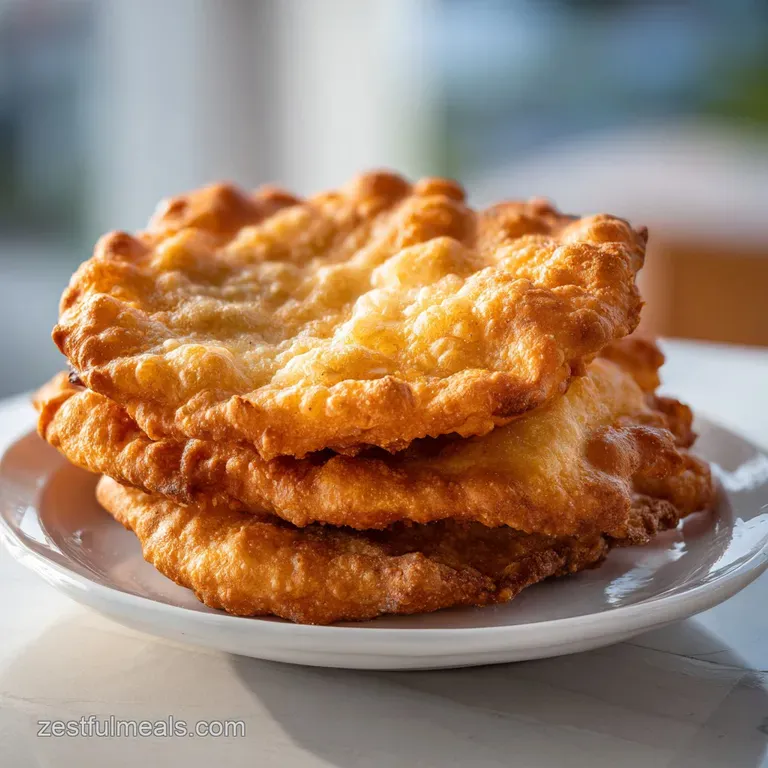
While the classic version is hard to beat, we love experimenting on Friday nights. For a savory twist, I sometimes add a teaspoon of garlic powder and dried oregano to the dry ingredients. These are incredible when dipped into a savory Bread Dipping Oil recipe instead of the usual taco toppings.
For Savory Indian Fry Bread Tacos
Transform these into a full meal by topping them with seasoned ground beef, shredded lettuce, cheddar cheese, and plenty of salsa. The sturdy base of the Fry Bread holds up much better than a standard flour tortilla, making it the king of "fork and knife" tacos.
For a Sweet Dessert Version
If the kids are craving something sweet, we toss the hot bread in a mixture of cinnamon and sugar immediately after frying. The heat melts the sugar into a glaze that is absolutely life changing. If you’re a fan of fruit forward desserts, serving these with a scoop of Blueberry Bread Pudding recipe on top might be a bit much, but a simple blueberry compote is divine.
Adjusting the Batch Size
If you're cooking for a crowd, this recipe scales beautifully. For a double batch, you don't actually need to double the shortening 1.5 tablespoons is usually plenty to keep the texture right.
However, you should stick to the 1:1 ratio for the 500g flour and 20g baking powder to ensure the lift remains consistent across all 16 servings.
When halving the recipe for a solo lunch, the biggest challenge is the liquid. Use about 175ml of milk and keep a close eye on the dough consistency. Since you're working with smaller volumes, it's easier to accidentally over saturate the flour.
Add the milk tablespoon by tablespoon at the end until it just comes together.
Debunking Kitchen Myths
A common misconception is that you need yeast to get a good rise in Indian Fry Bread. While some regional variations do use yeast, the "authentic" quick bread style relies entirely on the 20g of baking powder.
Using yeast changes the flavor profile significantly, making it taste more like a traditional dinner roll than the crisp, unique Fry Bread we’re aiming for here.
Another myth is that you can't use butter instead of shortening. You can, but it changes the texture. Butter contains water, which creates more gluten development and results in a chewier, more bread like result.
Shortening is 100% fat, which is what gives you that specific, melt in-the mouth tenderness that defines a great Fry Bread.
Proper Storage and Waste Tips
Fridge Storage: Store any leftover Indian Fry Bread in an airtight bag for up to 3 days. To reheat, avoid the microwave at all costs it will turn the bread into a rubber tire.
Instead, pop it in a 350°F (180°C) oven or toaster oven for 4-5 minutes until the exterior crisps back up.
Freezing: You can freeze these for up to 2 months. Wrap them individually in parchment paper before placing them in a freezer bag. This prevents them from sticking together. Reheat directly from frozen in the oven for about 10 minutes.
Zero Waste Tips: Don't toss the leftover dough scraps! I roll the tiny leftover bits into small balls and fry them like "doughnut holes." You can also save the frying oil. Once it cools, strain it through a coffee filter into a glass jar and store it in a cool, dark place.
You can reuse it 2-3 times for future frying projects as long as it doesn't smell "off" or look cloudy.
Serving Ideas for the Family
We love serving these as the "bread basket" for a big family chili night. There’s something so satisfying about tearing off a piece of warm bread and using it to scoop up a thick, spicy bean chili.
If you have any left over the next morning (which is rare in our house!), try topping them with a fried egg and a drizzle of hot honey for a breakfast that will keep everyone full until dinner.
For a fun party idea, set up a "Fry Bread Bar." Put out bowls of savory toppings like taco meat and beans alongside sweet options like powdered sugar, honey, and jam. It’s a low stress way to feed a group, and everyone gets exactly what they want.
Plus, since the dough only needs a 15 minute rest, you can keep the batches coming fresh as people get hungry. It’s a budget friendly way to make a big impression without spending all day in the kitchen.

Critical High in Sodium
1645 mg mg of sodium per serving (72% % of daily value)
The American Heart Association recommends limiting sodium intake to no more than 2,300mg per day for most adults. Ideally, even less is better for heart health.
Sodium Reduction Tips for This Recipe
-
Reduce Added Salt-25%
The recipe currently includes 8g of fine sea salt, which is a major contributor to sodium. Try reducing the amount by half, to 4g, and see if the flavor is still acceptable. Taste as you go!
-
Baking Powder Alternative-10%
Although baking powder contributes a smaller amount of sodium, using sodium free baking powder can help. This alternative does not add to the sodium content.
-
Low Sodium Milk Alternative-5%
Although whole milk is not very high in sodium, opting for a low-sodium milk alternative such as unsweetened almond milk or a similar low-sodium option can make a small difference.
-
Enhance with Herbs & Spices
Experiment with sodium free herbs and spices to enhance the flavor of the recipe. Garlic powder, onion powder, black pepper, and other herbs can add depth without increasing sodium.
Recipe FAQs
What do you call Indian fried bread?
It is most commonly called Fry Bread. While the name suggests Indian origin, it is a staple food associated primarily with Indigenous Peoples of North America.
Is naan the same as fry bread?
No, they are fundamentally different. Naan is a leavened flatbread typically cooked in a tandoor oven, giving it a chewy, bubbly texture, whereas Fry Bread is chemically leavened (baking powder) and deep fried for a crisp exterior.
How unhealthy is fry bread?
It is high in fat and calories due to deep frying. Like most fried doughs, it should be eaten in moderation as an occasional treat rather than a daily staple.
What do Native Americans eat with fry bread?
It is incredibly versatile, serving as a base for sweet or savory meals. Traditional savory toppings include ground beef, beans, lettuce, and cheese for "Indian Tacos," while sweet versions are dusted with cinnamon sugar or drizzled with honey.
Can I bake fry bread instead of frying it?
No, baking fundamentally changes the final texture. Deep frying rapidly cooks the outside and creates the steam pockets needed for the signature puff; baking results in a dense, dry result akin to a scone.
Why does my fry bread turn out tough instead of puffy?
This usually means the gluten was overworked during the kneading step. You must stop kneading as soon as the dough comes together; if you find your dough snapping back when you stretch it, let it rest for another 5 minutes to relax those tight gluten strands.
What is the ideal oil temperature for frying?
Maintain a constant temperature of 350°F (180°C). If the oil is too cool, the bread absorbs excess grease; if it’s too hot, the outside burns before the internal leavening agents can create the puff. If you want to practice temperature management, this same precision is crucial for our Crispy Air Fryer recipe.
Authentic Indian Fry Bread

Ingredients:
Instructions:
Nutrition Facts:
| Calories | 322 kcal |
|---|---|
| Protein | 7.9 g |
| Fat | 9.6 g |
| Carbs | 49.9 g |
| Fiber | 1.7 g |
| Sugar | 2.2 g |
| Sodium | 1645 mg |
