Beef Flat Iron Recipe with Garlic
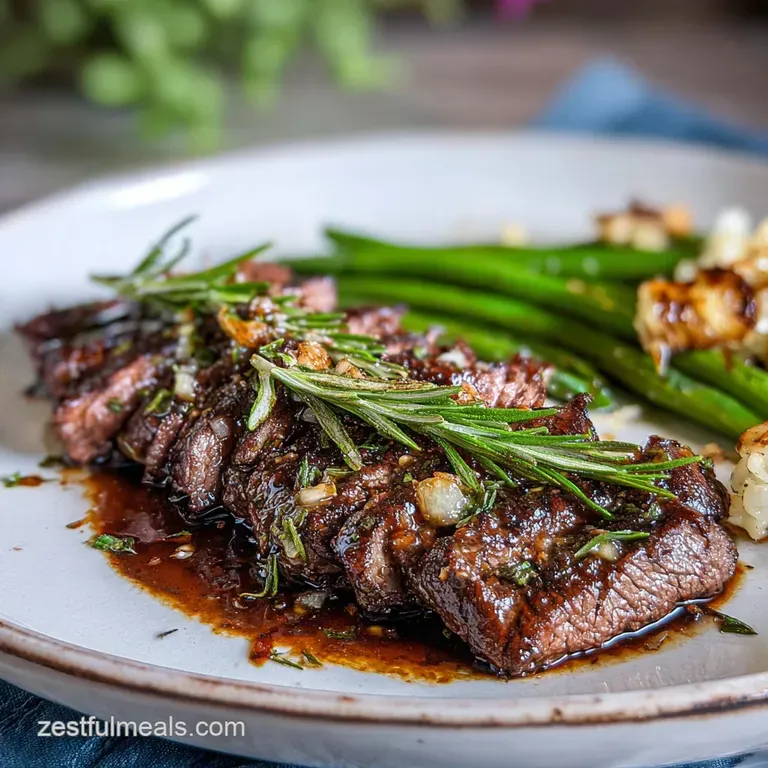
- Time: Active 10 minutes, Passive 5 minutes, Total 15 minutes
- Flavor/Texture Hook: Crusty, buttery, and garlic infused richness
- Perfect for: Weeknight dinners or quick date nights at home
- Searing This Beef Flat Iron Recipe with Garlic
- Essential Cooking Times and Metrics
- Gathering Your Steakhouse Pantry Staples
- Necessary Tools for Kitchen Success
- Step-by-Step Searing and Basting Guide
- Fixing Common Searing and Flavor Mistakes
- Creative Twists for Bold Flavors
- Storing and Repurposing Your Leftovers
- Best Sides for Steak Dinners
- Recipe FAQs
- 📝 Recipe Card
Listen, I know the feeling of standing in the meat aisle, staring at those expensive ribeyes and wondering if there is a better way to feed the family without breaking the bank. That is how I discovered the flat iron.
It is a hidden gem that is usually half the price of a New York strip, but it has this incredible marbling that makes it nearly as tender as a filet. This Beef Flat Iron Recipe with Garlic Butter creates a truly unforgettable dinner.
We have all been there, overcooking a steak until it feels like a shoe or failing to get that dark, crusty sear we see on TV. I used to think you needed a professional grill for that, but honestly, a heavy pan and some cold butter are the real secrets.
Once you see that butter foam up and smell the rosemary hitting the hot fat, you will never go back to basic grilling again.
This recipe is built for busy weeknights when you want something that feels fancy but only takes about 15 minutes of total time. It is straightforward, kid approved because it is so easy to chew, and fits perfectly into a tight grocery budget.
Let us get into why this specific method works so well every single time we fire up the stove.
Searing This Beef Flat Iron Recipe with Garlic
The magic of this dish lies in the contrast between the intense heat of the initial sear and the gentle, aromatic bath of the butter baste. By starting with a screaming hot pan, we lock in those juices before the garlic and herbs ever touch the heat, ensuring the steak stays succulent while the aromatics stay sweet and fragrant instead of bitter.
- Maillard Reaction: High heat triggers a chemical dance between amino acids and sugars, creating that dark, savory crust.
- Carryover Cooking: The internal temperature continues to rise about 5 degrees after the meat leaves the pan as heat moves inward.
- Fat Emulsification: Using cold butter creates a velvety, glossy sauce as it melts and mixes with the rendered beef fat.
- Protein Denaturation: Proper resting allows the tightly coiled muscle fibers to relax, which keeps the juices from running out.
Uniform Thickness Benefits
Flat iron steaks are naturally rectangular and uniform, which means every bite cooks at the same rate. Unlike a tapered flank steak, you do not end up with one dry end and one raw end, making it much easier to manage when you are cooking for a crowd.
High Heat and Browning
To get that deep brown color, you must ensure the surface of the meat is bone dry before it hits the oil. Any moisture on the steak turns to steam, which prevents the Maillard reaction and leaves you with a gray, unappetizing exterior.
Cold Butter Basting Secrets
Adding cold butter at the very end prevents the milk solids from burning too quickly. As the butter foams, it acts like a hot liquid blanket, gently finishing the cook while spooning deep garlic and rosemary flavors into every crevice of the crust.
| Component | Science Role | Pro Secret |
|---|---|---|
| Kosher Salt | Protein Denaturant | Salt 45 minutes early or immediately before cooking |
| Neutral Oil | Heat Transfer | Use avocado or grapeseed oil to avoid smoke |
| Cold Butter | Flavor Carrier | Swirl constantly to keep milk solids from burning |
| Fresh Rosemary | Aromatic Infusion | Bruise the leaves slightly to release essential oils |
When you are looking for ways to round out this meal, remember that the pan juices are liquid gold. If you have some leftover bread, you can use it to soak up the garlic butter, or better yet, serve this alongside a Vegetable Dip with recipe and some raw carrots while the meat rests. It keeps the kids occupied and adds a fresh crunch to the rich meal.
Essential Cooking Times and Metrics
Precision is your best friend when you are dealing with a lean but marbled cut like this. Because the flat iron is relatively thin compared to a thick cut ribeye, things happen fast.
You are looking for a total of about 10 minutes in the pan, but the real indicator is the feel and the temperature rather than just the clock.
If you are cooking for three people, the 1.5 lbs flat iron steak is the sweet spot for portioning. You will want to pull the meat off the heat when it hits 130°F for a medium rare finish, as it will climb to that velvety 135°F while it rests on the board.
Trust me, the rest is not optional; it is the most important part of the entire process.
Gathering Your Steakhouse Pantry Staples
You do not need a long list of ingredients to make this work, but the quality of what you do use matters. Since this is a budget friendly meal, I usually grab the store brand spices, but I never compromise on the fresh garlic. The jarred stuff just does not have the same punch when it hits the hot butter.
- 1.5 lbs flat iron steak: Look for consistent thickness across the whole cut. Why this? It is second only to tenderloin in tenderness but half the price.
- 1 tbsp neutral oil: Grapeseed or canola works best here. Why this? High smoke points prevent the kitchen from filling with acrid smoke.
- 1 tsp coarse Kosher salt: The large grains provide better coverage.
- 1 tsp cracked black pepper: Coarse ground adds a nice textural bite.
- 0.5 tsp smoked paprika: Adds a hint of "outdoor grill" flavor indoors.
- 0.5 tsp garlic powder: Provides a base layer of savory flavor.
- 3 tbsp unsalted butter, cold: Essential for the finishing baste. Why this? Cold butter melts slower, giving you more time to baste without burning.
- 4 cloves fresh garlic, smashed: Don't mince them, just crush with your knife.
- 2 sprigs fresh rosemary: Adds an earthy, piney aroma that cuts through the fat.
| Original Ingredient | Substitute | Why It Works |
|---|---|---|
| Flat Iron Steak | Flank Steak | Similar lean profile, but must be sliced very thin against the grain |
| Fresh Rosemary | Fresh Thyme | Offers a more floral, subtle herb note that still pairs well with beef |
| Neutral Oil | Beef Tallow | Adds an extra layer of "beefy" richness and handles high heat |
If you find yourself with extra beef after a grocery haul, you might consider using it for a Slow Cooker Pot Roast recipe later in the week. Both recipes focus on getting the most flavor out of affordable cuts, which is a total win for the family budget.
Necessary Tools for Kitchen Success
You do not need a garage full of gadgets, but a cast iron skillet is the undisputed king for this Recipe with Garlic Butter. It holds heat better than stainless steel, which means when you drop that cold steak into the pan, the temperature does not plummet.
If you do not have cast iron, a heavy bottomed stainless steel pan is your next best bet.
Essential Kitchen Gear
A pair of long handled tongs is also vital. You want to be able to flip the steak and hold it on its sides to render any edge fat without getting splattered by hot oil. Finally, a digital meat thermometer is the only way to guarantee you do not overcook the meat.
Guessing by "poke testing" is a recipe for disappointment, especially with a Flat Iron Recipe with Garlic Butter.
step-by-step Searing and Basting Guide
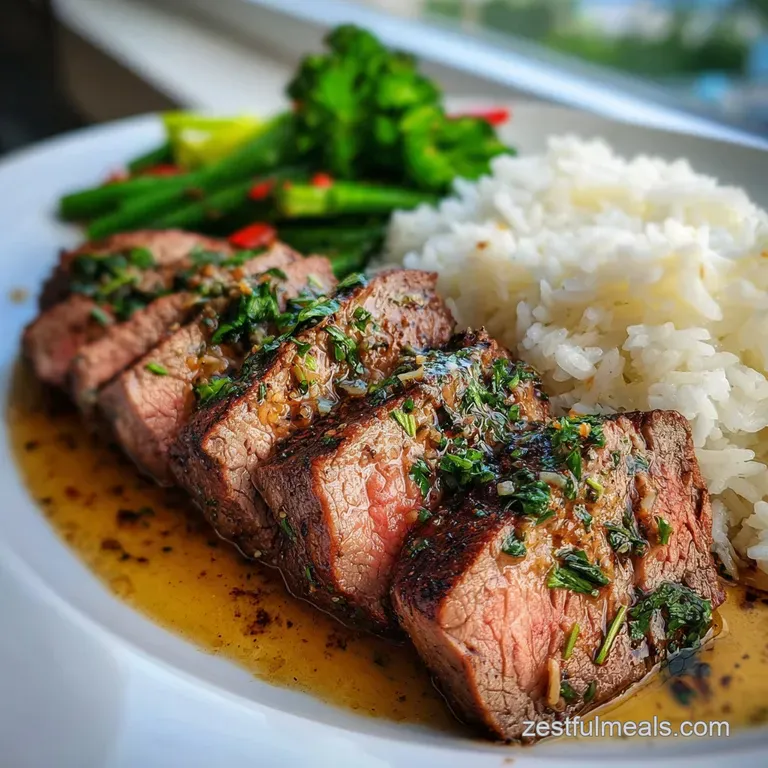
The flow of this recipe is all about preparation. Because the actual cooking happens in under 10 minutes, you need everything ready to go before the pan touches the burner.
I always set my butter, smashed garlic, and rosemary in a small bowl right next to the stove so I am not scrambling when the sizzle starts.
- Dry the meat. Pat the 1.5 lbs flat iron steak with paper towels until the surface is completely matte.Note: This is the only way to get a real crust.
- Season heavily. Rub the salt, pepper, smoked paprika, and garlic powder into both sides.
- Heat the pan. Add 1 tbsp neutral oil to the skillet over high heat until you see the first wisps of smoke.
- Start the sear. Lay the steak into the pan (away from you!) and cook for 3 minutes until a dark brown crust forms.
- Flip the steak. Use tongs to turn it over and cook the other side for another 2 minutes.
- Lower the heat. Drop the temperature to medium high to prepare for the butter.
- Add aromatics. Toss in the 3 tbsp cold butter, 4 cloves smashed garlic, and 2 sprigs rosemary.
- Baste the meat. Tilt the pan so the butter pools and use a large spoon to pour it over the steak for 2 to 3 minutes until the butter is foamy and smells nutty.
- Check the temp. Pull the steak when it hits 130°F for medium rare.
- Rest the steak. Place it on a cutting board for 5 minutes until the juices redistribute throughout the meat.
Chef's Tip: If you want an even deeper flavor, add a teaspoon of instant espresso powder to your dry rub. It won't taste like coffee, but it makes the beef taste twice as "beefy" and helps the crust darken beautifully.
While you are waiting for that steak to rest, it is a great time to think about your next meal. If you love the deep, savory notes of seared beef, you will probably enjoy a Beef Neck Bones recipe which uses a similar flavor profile but in a slow braised, velvety format. It is another fantastic way to use budget cuts to feed a hungry family.
Fixing Common Searing and Flavor Mistakes
Even the best cooks have days where the stove seems to have a mind of its own. The most common heartbreak is a steak that looks gray instead of brown. Usually, this happens because the pan was not hot enough or the meat was still damp.
If it happens, do not panic, just finish it through and focus on the butter sauce to add flavor.
Another thing to watch for is the garlic. If you mince it too fine, it will burn in the high heat and turn bitter, which ruins the whole Iron Recipe with Garlic Butter. That is why we just smash the cloves; they release their oils into the butter while remaining hardy enough to withstand the heat of the pan.
Solving Gray Meat Issues
If your steak is not browning, your pan might be overcrowded. If you are doubling the recipe, work in batches. If the pan temperature drops too much, the meat will boil in its own juices rather than searing.
Preventing Bitter Garlic Bits
If you notice the garlic or rosemary starting to turn black, immediately pull them out of the pan. The oil is already infused at that point, and leaving burnt bits in the butter will transfer an acrid taste to the meat.
| Problem | Root Cause | Solution |
|---|---|---|
| Tough Meat | Skipping the rest period | Allow the steak to sit for at least 5 minutes before slicing |
| Smoke in Kitchen | Using butter too early | Only use oil for the initial sear; add butter at the end |
| Lack of Crust | Meat was too cold/wet | Bring steak to room temp for 20 mins and pat dry |
Creative Twists for Bold Flavors
Once you have mastered the basic Recipe with Garlic Butter, you can start playing with the aromatics. I often swap the rosemary for fresh thyme if I want something a bit more subtle for the kids.
If you like a bit of a kick, adding a pinch of red pepper flakes to the butter baste adds a lovely back end heat that cuts through the richness.
Spicy Southwestern Style
For a different vibe, swap the smoked paprika for chili powder and add a squeeze of lime juice to the butter at the very end. It gives the flat iron a bright, zesty finish that is great for steak tacos or a hearty taco salad.
Butter Free Option
If you are avoiding dairy, you can achieve a similar effect by using a high-quality extra virgin olive oil for the baste. It won't foam like butter, but the flavor of the garlic and rosemary will still infuse beautifully into the meat.
If you want X, do Y: - If you want a thicker crust, add a teaspoon of brown sugar to the dry rub. - If you want a more tender bite, slice the meat very thin at a 45 degree angle. - If you want a pan sauce, whisk a splash of beef broth into the skillet after removing the meat.
Storing and Repurposing Your Leftovers
Leftover steak is a gift. You can keep this in the fridge in an airtight container for up to 3 days. When you go to reheat it, avoid the microwave at all costs unless you want rubbery meat. Instead, flash sear the slices in a hot pan for 30 seconds per side just to warm them through without overcooking the center.
For long term storage, you can freeze the cooked steak for up to 2 months. Wrap it tightly in plastic wrap and then foil to prevent freezer burn. To use it from frozen, let it thaw in the fridge overnight.
My favorite way to use leftovers is to slice them thin and toss them into a stir fry or over a big steakhouse style salad.
Don't toss those rosemary stems or garlic skins! You can throw them into a bag in the freezer with other veggie scraps to make a rich, homemade beef stock later. It is a great zero waste habit that saves money and tastes a million times better than the boxed stuff.
Best Sides for Steak Dinners
When you have a star like this Recipe with Garlic, you want sides that don't compete for attention. Simple roasted potatoes are always a hit with my kids, as they can use the potatoes to mop up any extra garlic butter left on the plate. A crisp green salad with a sharp vinaigrette also helps balance out the heavy fats.
Traditional Steakhouse Sides
Creamed spinach or a simple bunch of roasted asparagus works wonders here. The earthiness of the vegetables complements the smoky paprika in the rub. If you are feeling extra indulgent, a side of garlic mashed potatoes doubles down on the flavor profile we have already built in the pan.
Fresh Green Pairings
A simple arugula salad with lemon and parmesan is my go to. The peppery greens cut right through the buttery richness of the steak, making the whole meal feel much lighter. It is the kind of dinner that makes everyone feel like they are eating at a high end bistro without the $100 bill at the end.
Right then, you are all set to make the best steak of your life. Just remember: dry the meat, get the pan hot, and don't skip the rest. Trust me on this, your family is going to think you turned into a professional chef overnight. Let's crack on and get that skillet heating!
Recipe FAQs
What is the best cooking method for flat iron steak?
High heat searing and butter basting. This method creates a fantastic crust while keeping the inside tender and flavorful. Start with a screaming hot pan, sear both sides, then lower the heat and baste with garlic and herb infused butter.
What is the 3 3 3 3 rule for steak?
There isn't a universal "3 3 3 3" rule for steak. Steak cooking times vary greatly based on thickness, cut, and desired doneness. Rely on internal temperature and visual cues rather than arbitrary rules for best results.
Should I cook my steak in garlic butter?
Yes, finishing with garlic butter is highly recommended. Basting the steak in foaming garlic and herb butter at the end infuses it with incredible flavor and creates a rich, glossy finish.
Does flat iron need to be marinated?
No, marinating isn't essential for flat iron steak. Its natural marbling makes it tender and flavorful enough to shine with just a good dry rub and proper searing. If you enjoy experimenting with flavors, consider our technique for controlling texture in quick dishes, which can be adapted for marinades.
How long should I cook flat iron steak?
Cook for a total of about 10 minutes. This typically means 3 minutes per side for searing, followed by 2-3 minutes of butter basting. Always use a meat thermometer to ensure desired doneness, aiming for 130°F for medium rare before resting.
What internal temperature should flat iron steak reach?
Pull the steak at 130°F for medium rare. This temperature ensures a juicy, tender result, as the internal temperature will rise to about 135°F while resting.
Can I substitute another cut for flat iron steak?
Yes, flank steak can be a good substitute. Like flat iron, it's a lean cut with good flavor. If you're interested in learning about similar flavor profiles, see how we achieve savory depth in our Velvety Beef Neck Bones recipe.
Beef Flat Iron Garlic
Ingredients:
Instructions:
Nutrition Facts:
| Calories | 458 kcal |
|---|---|
| Protein | 41g |
| Fat | 32g |
| Carbs | 2g |
| Fiber | 0.5g |
| Sugar | 0.1g |
| Sodium | 785mg |
