Best Sugar Cookie Dough for Decorating
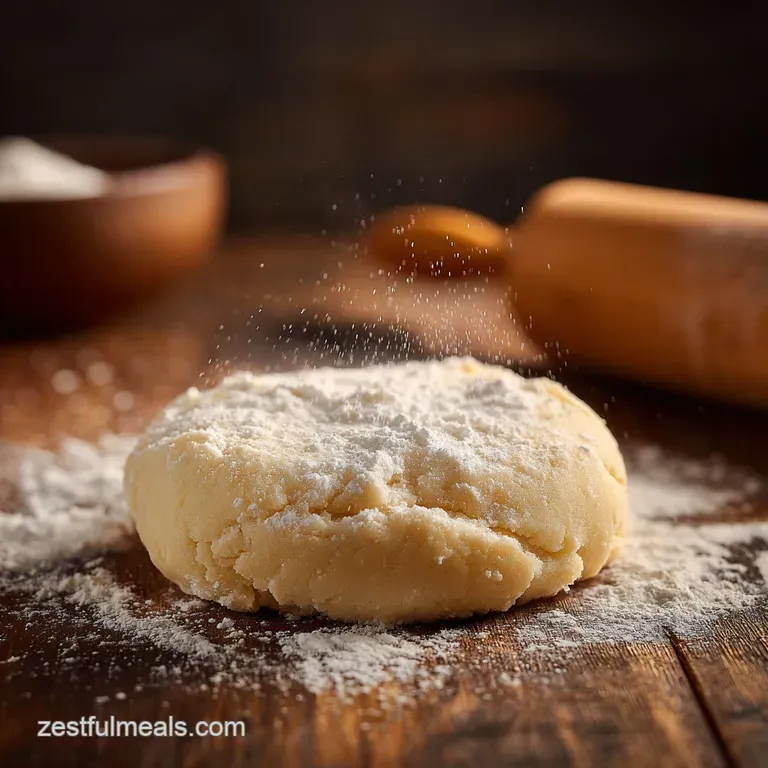
- Time: Active 45 minutes, Passive 10 minutes, Total 55 minutes
- Flavor/Texture Hook: Buttery, vanilla forward with a crisp, clean shatter
- Perfect for: Holiday cut outs, birthday decorating, or beginner bakers
- Master the Perfect Sugar Cookie Dough Recipe
- Why This Recipe Works Well
- Ingredient Deep Dive Analysis
- Tools for Baking Success
- The Baking Process Steps
- Solving Common Baking Failures
- Dietary and Flavor Adaptations
- Scaling the Batch Size
- Storage and Freshness Tips
- Creative Serving Suggestions
- Recipe FAQs
- 📝 Recipe Card
Master the Perfect Sugar Cookie Dough Recipe
The kitchen is quiet, except for the soft whir of the mixer and that unmistakable scent of creamed butter and sugar hitting the air. It’s a nostalgic aroma, isn’t it? For me, it always brings back the memory of my first "baking fail" when I was ten.
I tried to make stars for a school party, but I didn't chill the dough. Ten minutes later, I pulled out a tray of amorphous, buttery blobs that looked more like clouds than celestial bodies. I cried, but then I ate them, and they tasted great even if they were ugly.
Since that day, I’ve been obsessed with finding the "holy grail" of sugar cookie dough. I wanted something that tasted like a high end bakery but didn't require a professional degree to pull off. After dozens of batches (and plenty of burnt edges), I finally nailed it.
The secret isn't just in the ingredients, but in how you handle them. It’s about understanding that the dough is a living thing that responds to the heat of your hands and the chill of your fridge.
Today, we’re making a dough that is incredibly forgiving. It’s a chewy sugar cookie recipe for decorating that actually keeps its sharp corners, which is honestly the most satisfying thing in the world for a home cook.
Whether you’re making these for a rainy afternoon or you’re diving into a marathon session of Christmas sugar cookie recipes, this is the reliable backbone you need in your recipe tin. Trust me, once you feel the consistency of this dough, you’ll never go back to the store-bought tubes.
Why This Recipe Works Well
The magic of this specific dough lies in its structural integrity. Most recipes lean too heavily on leavening agents, which causes the cookies to puff up and lose their definition. We’ve dialed that back to ensure a flat, stable surface that acts as the perfect canvas for royal icing or simple buttercream.
The Physics of the Firm Edge
Mechanism: A high flour to fat ratio combined with minimal aeration prevents the dough from expanding horizontally during the bake. This ensures the proteins in the flour set the shape before the butter can fully melt and spread.
- Strategic Fat Temperature: By using butter softened to exactly 65°F, we create a stable emulsion that holds air just enough for tenderness but not enough to cause a "cakey" rise.
- The Almond Secret: Adding a tiny amount of almond extract creates a complex flavor profile that mimics professional "bakery style" cookies without being overpowering.
- Moisture Control: Using a single large egg provides just enough protein to bind the dry ingredients without introducing excess water that would lead to a tough, bready texture.
| Method | Time | Texture | Best For |
|---|---|---|---|
| Traditional Cut out | 10 minutes | Crisp edges, soft center | Detailed shapes and icing |
| No Chill Fast Bake | 8 minutes | Very soft, slightly puffy | Simple rounds with sprinkles |
| Thick & Chewy | 12 minutes | Dense, fudge like bite | Giant cookies or sandwich bases |
It is important to decide which texture you are going for before you start rolling. For the most consistent results, I always recommend the traditional cut out method, which involves a brief chill to keep those edges sharp and clean. If you are looking for a slightly different vibe, this dough is much sturdier than my Butter Cookies Cookies recipe, which relies more on a melt away texture rather than structural strength.
Ingredient Deep Dive Analysis
Success in baking starts with knowing your components. We aren't just throwing things in a bowl; we’re building a chemical structure that needs to hold up under the heat of the oven.
| Ingredient | Science Role | Pro Secret |
|---|---|---|
| Unsalted Butter | Provides fat for tenderness and carry flavor | Use European style butter for higher fat and less water content. |
| All Purpose Flour | Creates the gluten skeleton of the cookie | Always spoon and level your flour to avoid a dry, crumbly dough. |
| Granulated Sugar | Sweetens and assists in the browning process | Avoid substituting with brown sugar if you want crisp, white edges. |
| Almond Extract | Adds aromatic depth and "bakery" scent | Even if you aren't a fan of nuts, this provides a floral note that is vital. |
Chef's Tip: Freeze your butter for exactly 10 minutes before you start creaming it if your kitchen is particularly warm. This keeps the fat from becoming greasy, which is the number one cause of "spreading" cookies.
Tools for Baking Success
You don't need a professional kitchen, but a few specific items make this easy sugar cookie dough recipe a total breeze. I used to try rolling dough directly on the counter with a wine bottle, and let me tell you, it was a mess. Investing in a few basics changed everything for me.
- Stand Mixer: A KitchenAid or similar mixer with a paddle attachment is best for creaming the butter without whipping in too much air.
- Rolling Pin with Spacers: These are brilliant because they ensure every single cookie is exactly 1/4 inch thick, meaning they all bake at the same rate.
- Silicone Baking Mats: These prevent the bottoms from browning too quickly and ensure a non stick release every single time.
- Fine Mesh Sieve: Essential for sifting your flour if it has been sitting in the pantry and gotten clumpy.
The Baking Process Steps
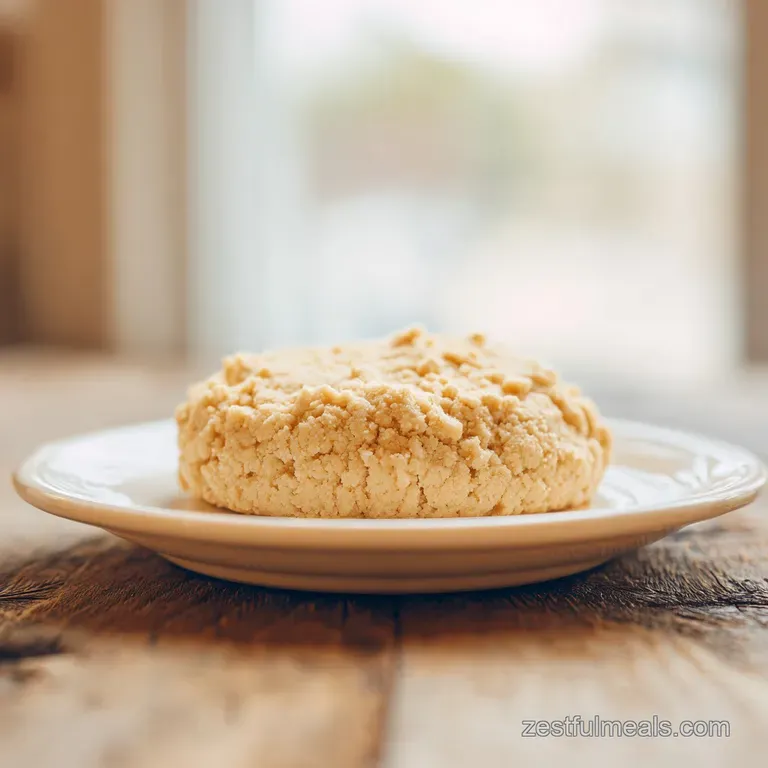
This is the part where we bring it all together. Follow these steps closely, especially the cooling instructions. If you're looking for something with a bit more of a fudgy center after you finish these, you should definitely check out my Chocolate Chip Cookies recipe for a different kind of cookie night.
- Prep the base. Cream the 1 cup (226g) of softened unsalted butter and 1 cup (200g) of granulated sugar together. Note: Stop as soon as it looks pale and fluffy, usually about 2-3 minutes.
- Add the liquids. Mix in the 1 large egg, 2 tsp vanilla extract, and 0.5 tsp almond extract until the mixture is silky and fully combined.
- Whisk dry goods. In a separate bowl, whisk together the 3 cups (375g) of all purpose flour, 0.75 tsp baking powder, and 0.5 tsp fine sea salt.
- Combine slowly. Gradually add the dry ingredients to the wet mixture on low speed until a thick dough forms and pulls away from the sides.
- Divide and chill. Split the dough into two discs, wrap in plastic, and refrigerate for at least 30 minutes. Note: This prevents the gluten from getting too snappy and makes rolling easier.
- Roll it out. On a lightly floured surface, roll the dough to 1/4 inch thickness until the surface is smooth and even.
- Cut the shapes. Use your favorite cutters to stamp out shapes, re rolling the scraps only once.
- The final bake. Bake at 350°F (180°C) for 10 minutes until the edges are just set but not browned.
- Cooling phase. Let the cookies rest on the hot pan for 5 minutes before moving them to a wire rack to firm up completely.
The Best Cut Out Sugar Cookie Dough Recipe
To get those perfectly clean edges, try rolling the dough between two sheets of parchment paper instead of using extra flour. This keeps the dough from getting tough and prevents it from sticking to your rolling pin.
If the dough gets too warm while you’re cutting, pop the whole sheet back in the fridge for 5 minutes. It makes a world of difference.
Solving Common Baking Failures
Even the best of us hit a snag sometimes. If your dough doesn't look like the pictures, don't panic! Most cookie problems are easy sugar cookie dough recipe fixes that just require a little adjustment in temperature or measurement.
Why Your Cookies Spread
If your beautiful stars turned into circles, your butter was likely too warm when it hit the oven. This can happen if you handle the dough too much with warm hands or if your kitchen is hot. Always ensure the dough feels cold to the touch before you slide it into the oven.
The Dough is Crumbly
A sandy or crumbly texture usually means there is too much flour. This happens if you "scoop" the flour directly with the measuring cup, which packs it down. If this happens, you can usually save the dough by kneading in a teaspoon of room temperature water or milk at a time until it holds together.
| Problem | Root Cause | Solution |
|---|---|---|
| Tough Texture | Over mixing the flour | Mix only until the white streaks disappear. |
| Browning Edges | Oven temperature too high | Check with an oven thermometer; reduce temp by 15°F. |
| Sticky Dough | Not enough flour | Add 1 tbsp of flour at a time until no longer tacky. |
Common Mistakes Checklist
- ✓ Always use "large" eggs; medium or extra large will throw off the hydration.
- ✓ Use unsalted butter to have total control over the salt levels.
- ✓ Never skip the chilling step; it’s the difference between a shape and a blob.
- ✓ Rotate your pans halfway through the bake to account for oven hot spots.
- ✓ Wait for the cookies to be 100% cool before you even think about icing them.
Dietary and Flavor Adaptations
We all have friends with different needs, and luckily, this dough is quite flexible. While the classic version is hard to beat, these swaps can help you cater to everyone at the party without losing that signature snap.
| Original Ingredient | Substitute | Why It Works |
|---|---|---|
| All Purpose Flour | 1:1 gluten-free Blend | Rice flour blends mimic the starch structure well. Note: May be slightly grainier. |
| Unsalted Butter | Vegan Butter Sticks | High fat vegan sticks (like Miyoko's) maintain the shape. |
| Almond Extract | Lemon Zest (1 tsp) | Provides a bright, citrusy lift for those with nut allergies. |
Edible Sugar Cookie Dough Recipe
If you want to eat the dough raw, you must heat treat your flour first! Spread the flour on a baking sheet and bake at 350°F (180°C) for 5 minutes to kill any bacteria.
Also, omit the egg and replace it with 2 tablespoons of milk or pasteurized liquid egg whites. This makes it perfectly safe for midnight snacking.
Scaling the Batch Size
Whether you are baking for a small family dinner or a massive school bake sale, adjusting this recipe is straightforward.
- For a Small Batch (1/2): Use 1/2 cup butter, 1/2 cup sugar, and 1.5 cups flour. For the egg, beat it in a small bowl and use exactly 2 tablespoons. Reduce the bake time by about 2 minutes as the smaller volume can sometimes bake faster in certain ovens.
- For a Huge Batch (2x-3x): When doubling, keep the salt and baking powder at 1.5x the original amount rather than a full double to avoid a metallic aftertaste. Work in batches when mixing to ensure the butter at the bottom of the bowl is fully incorporated.
- Commercial Scaling: If you go beyond 3x, I highly recommend using a scale and measuring in grams. It’s the only way to ensure the flour doesn't get compacted as you work.
Storage and Freshness Tips
Proper storage is the key to keeping that "day one" freshness. Sugar cookies are high in sugar, which acts as a preservative, but they can still go stale if left out in the air.
Storage: Keep baked, un iced cookies in an airtight container at room temperature for up to 7 days. If they are iced with royal icing, wait 24 hours for the icing to fully set before stacking them with parchment paper in between.
Freezing: This is a great no chill sugar cookie dough for the freezer. You can freeze the raw dough discs for up to 3 months. Just thaw them overnight in the fridge before rolling. Alternatively, freeze the baked shapes for up to 2 months.
Zero Waste Tip: Don't throw away those tiny odd shaped scraps! Bake them off as "test cookies" to check your oven temp, or crush them up to use as a crunchy topping for vanilla bean ice cream. You can even mix the crumbs into a cheesecake crust for a buttery upgrade.
Creative Serving Suggestions
While these are amazing on their own, there are so many ways to "dress up" your Sugar Cookie Dough. My personal favorite is making sandwich cookies. Take two round cookies and smear a bit of raspberry jam or salted caramel buttercream in the middle. It takes the "basic" sugar cookie to a whole new level.
If you’re feeling fancy, try a "marble" effect. Take half of your dough and knead in a tablespoon of cocoa powder. Roll the chocolate and vanilla doughs together loosely before cutting your shapes. It creates a beautiful swirl that looks incredibly professional with zero extra effort.
No matter how you serve them, remember that the best part of baking is sharing so make sure you save a few for the neighbors!

Recipe FAQs
What is the secret to a good sugar cookie?
Chilling the dough consistently. The secret is balancing high fat content with minimal leavening agents, but without chilling, the cookies will spread and lose their defined edges during baking.
What are the ingredients for sugar cookies?
Flour, sugar, butter, egg, baking powder, salt, and vanilla/almond extracts. These components create the structural integrity needed for a firm cut-out shape that remains tender.
What is sugar cookie dough made of?
Primarily fat, flour, and sugar in specific ratios. The high ratio of flour to leavening ensures that the dough sets its shape quickly in the oven rather than puffing up.
How to make a 5 ingredient cookie?
Cream the butter and sugar, then incorporate flour, egg, and vanilla. You must omit the baking powder and almond extract to meet the five ingredient limit, resulting in a less crisp but still buttery cookie base.
Is it true that I must use confectioners' sugar for the softest texture?
No, this is a common misconception. Granulated sugar creates a crisper edge and a slight snap, whereas confectioners' sugar adds more air and yields a softer, more cake like cookie.
How to prevent my sugar cookie dough from getting tough when rolling?
Roll the dough between two sheets of parchment paper without adding extra flour. Over flouring the surface dries out the dough structure; using parchment allows for smooth rolling and easy transfer, similar to handling high hydration doughs when making No Bake Chocolate recipe bases.
How to achieve a perfect, even bake across all cookies?
Use a rolling pin with thickness guides and rotate the baking sheets halfway through. Uniform thickness is critical for even baking; rotating ensures that hot spots in the oven don't overbake the cookies on one side.
Best Sugar Cookie Dough Recipe
Ingredients:
Instructions:
Nutrition Facts:
| Calories | 143 kcal |
|---|---|
| Protein | 1.7 g |
| Fat | 7.1 g |
| Carbs | 18.1 g |
| Fiber | 0.4 g |
| Sugar | 7.4 g |
| Sodium | 56 mg |
