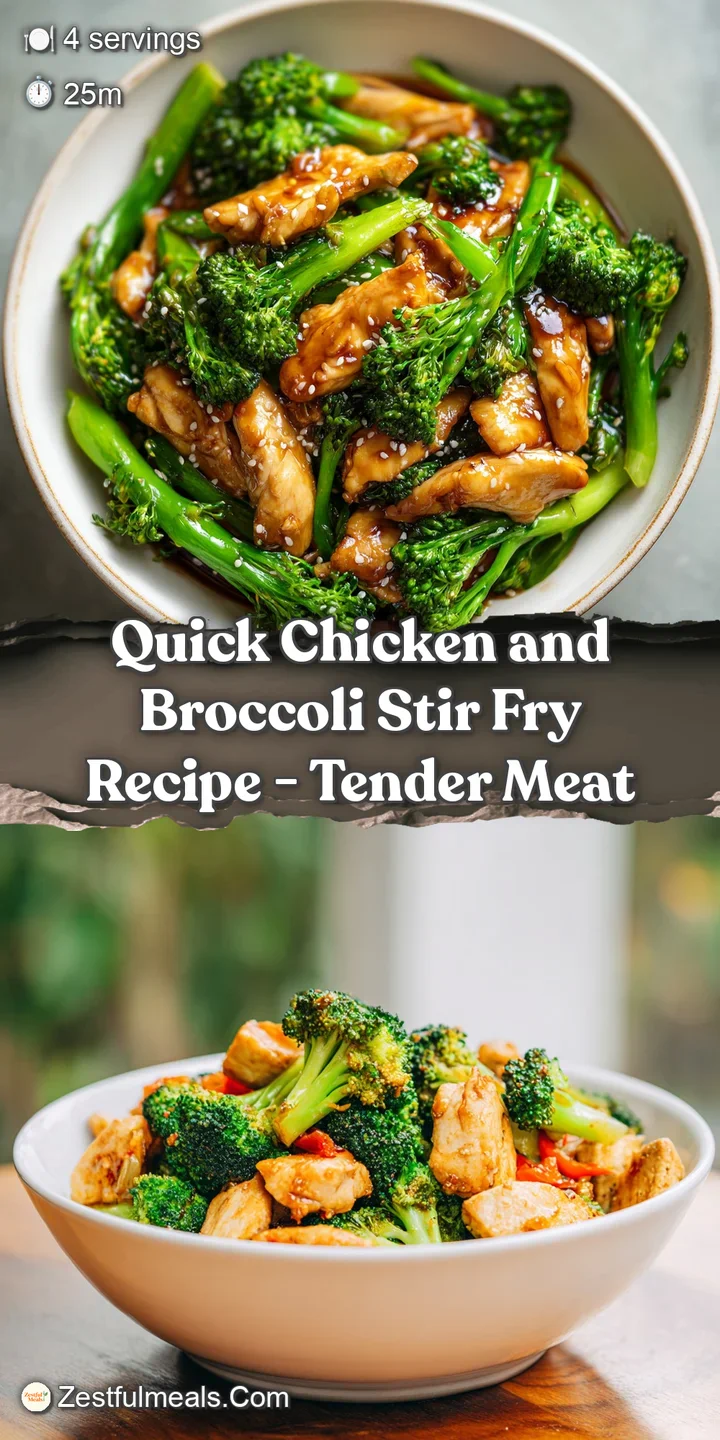
Chicken and Broccoli Stir Fry Recipe
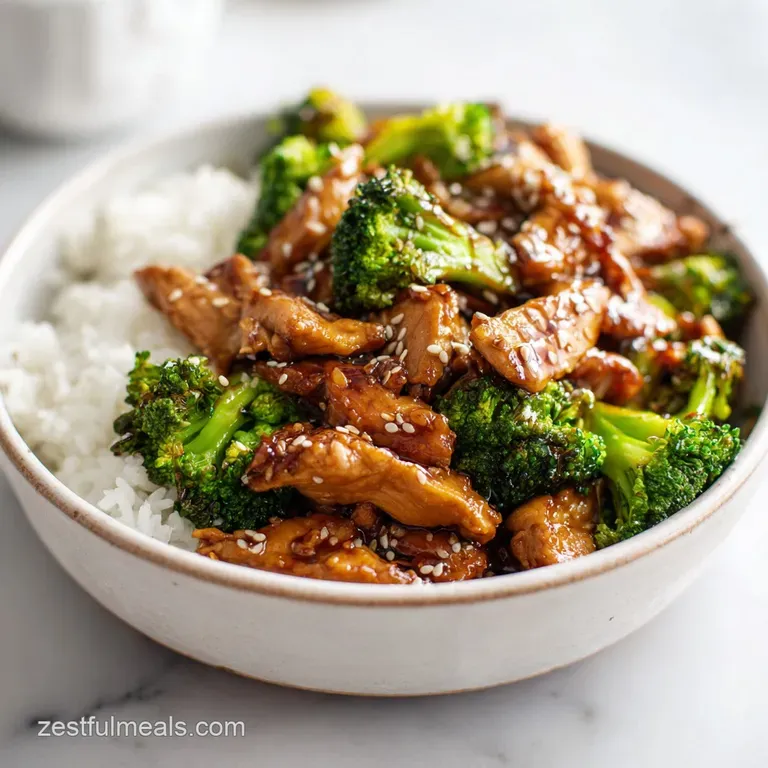
- Time: Active 15 minutes, Passive 10 minutes, Total 25 minutes
- Flavor/Texture Hook: Savory velvety glaze with crisp tender florets
- Perfect for: Busy weeknights when the family needs a reliable budget-friendly meal
- Success With Chicken and Broccoli Stir Fry Recipe
- The Science of Velvety Protein
- Crucial Cooking Metrics and Decisions
- Component Analysis for Better Flavor
- Quality Ingredients and Smart Swaps
- Essential Tools for Faster Cooking
- Phase One: The Prep Work
- Troubleshooting Scurry in the Kitchen
- Smart Scaling for Larger Groups
- Fresh Ingredients Versus Pantry Shortcuts
- Flavorful Twists for Easy Variety
- Proper Storage and Waste Reduction
- Serving Suggestions for Hungry Families
- Common Kitchen Misconceptions Corrected
- Critical in Sodium
- Recipe FAQs
- 📝 Recipe Card
Success With Chicken and Broccoli Stir Fry Recipe
You know that specific sound when cold broccoli hits a screaming hot pan? That sudden, aggressive sizzle is basically the soundtrack to my Tuesday nights. There was a time when my stir fry attempts ended in a soggy, gray mess that even the dog wouldn't look at, but everything changed once I figured out the balance of heat and timing.
My kids used to pick around the "green trees," but when they're coated in this specific salty sweet glaze, they actually clear their plates without a fight.
This chicken and broccoli stir fry recipe is my absolute fallback because it relies on the freezer and the pantry more than a trip to a fancy grocery store. We’ve all been there, staring at a pack of chicken breasts at 5:30 PM with zero plan. This dish rescues that moment.
It's about getting that silky texture on the chicken (we call it velveting) and making sure the broccoli stays bright and snappy rather than mushy and sad. Trust me, once you nail this rhythm, you'll never look at a takeout menu the same way again.
The Science of Velvety Protein
- Starch Barrier: Cornstarch creates a protective layer that prevents the protein fibers from tightening and squeezing out moisture during over high heat searing.
- Alkaline Tenderizing: When soy sauce interacts with the meat’s surface, it slightly alters the pH, helping the proteins stay supple and soft.
- Maillard Acceleration: The small amount of sugar in the marinade encourages rapid browning at lower temperatures, providing deep color before the meat overcooks.
- Starch Gelatinization: As the sauce hits the pan, the cornstarch molecules swell and trap the chicken stock, transforming a thin liquid into a thick, glossy coat.
Crucial Cooking Metrics and Decisions
| Thickness | Internal Temp | Rest Time | Visual Cue |
|---|---|---|---|
| 1/4 inch strips | 165°F | 2 mins | No longer translucent |
| 1/2 inch cubes | 165°F | 3 mins | Golden brown edges |
| 3/4 inch chunks | 165°F | 5 mins | Firm to the touch |
When you're racing against the clock on a weeknight, these small details matter. For this specific chicken and broccoli stir fry recipe, stick to the 1/4 inch strips. They cook in a flash and maximize the surface area for that beautiful sauce to cling to.
Component Analysis for Better Flavor
| Ingredient | Science Role | Pro Secret |
|---|---|---|
| Cornstarch | Thickener and barrier | Whisk it into the stock while cold to prevent any lumps |
| Low sodium Soy Sauce | Umami and salt | Always use low sodium to control the saltiness of the final reduction |
| Toasted Sesame Oil | Aromatic fat | Add this at the end of the marinade to preserve its volatile scent |
| Fresh Ginger | Enzyme break down | Freeze the root and grate it while solid for a snow like texture |
Every component in this list serves a purpose beyond just taste. The ginger, for instance, contains zingibain, an enzyme that can actually help tenderize the meat if left to marinate for even ten minutes.
Chef Note: If you're out of fresh ginger, don't swap it for ground dried ginger from the spice rack. It has a completely different flavor profile. Just skip it and add an extra clove of garlic instead.
Quality Ingredients and Smart Swaps
For the best results, gather these items before you turn on the stove. Stir frying happens fast, and you won't have time to rummage through the cupboard once the oil starts shimmering.
- 1.5 lbs chicken breast: Sliced into 1/4 inch thin strips. Why this? It's lean and absorbs the savory marinade quickly.
- 2 tbsp cornstarch: Divided for the marinade and the sauce. Why this? It provides that signature silky "velvet" texture.
- 5 tbsp low sodium soy sauce: Divided. Why this? Adds deep color and essential salt without being overpowering.
- 1 tsp toasted sesame oil: Why this? Provides an earthy, nutty base note.
- 0.5 cup low sodium chicken stock: Why this? The liquid base for a voluminous sauce.
- 1 tbsp oyster sauce: Why this? The secret to that rich, savory "restaurant" flavor.
- 1 tbsp brown sugar: Why this? Balances the salt and helps the sauce caramelize.
- 1 tsp freshly grated ginger: Why this? Adds a bright, spicy zing.
- 3 cloves garlic: Minced. Why this? Essential aromatic base for any stir fry.
- 4.5 cups broccoli florets: Why this? Great for soaking up the sauce in its nooks.
- 2 tbsp neutral high smoke point oil: Like canola or grapeseed. Why this? Won't burn at the high temps we need.
- 0.25 cup water: Why this? Used to steam the broccoli quickly in the pan.
| Original Ingredient | Substitute | Why It Works |
|---|---|---|
| Oyster Sauce | Hoisin Sauce | Similar thickness. Note: Hoisin is sweeter, so reduce the added brown sugar |
| Chicken Breast | Boneless Thighs | Higher fat content makes them more forgiving and flavorful |
| Chicken Stock | Vegetable Broth | Provides the same liquid volume with a neutral savory profile |
| Brown Sugar | Honey | Similar sweetness. Note: Adds a floral note and browns more quickly |
Essential Tools for Faster Cooking
1. The Cooking Vessel
While a traditional wok is great, a large 12 inch stainless steel or cast iron skillet works perfectly for most home stoves. You need the wide surface area so the chicken sears rather than steams in its own juices.
2. over High heat Spatula
Use a metal spatula or a over high heat silicone one. You’ll be moving things fast, and you don't want anything melting into your dinner.
Phase One: The Prep Work
- Place the chicken strips in a bowl with 1 tbsp of cornstarch and 1 tbsp of soy sauce. Note: This creates the initial protective velvet layer.
- Whisk together the remaining 4 tbsp soy sauce, 1 tbsp cornstarch, sesame oil, chicken stock, oyster sauce, brown sugar, ginger, and garlic.
- Cut the broccoli into uniform, bite sized florets so they cook at the same rate.
- Heat your skillet over medium high heat until a drop of water flicked onto it dances and evaporates instantly.
- Add 1 tbsp of the neutral oil and swirl to coat the bottom of the pan.
- Add the chicken in a single layer. Cook 3 minutes until the edges are golden and the meat is opaque.
- Remove the chicken from the pan and set it aside on a plate. Note: We pull it early to prevent it from getting rubbery while the veggies cook.
- Add the remaining 1 tbsp of oil to the pan, then toss in the broccoli florets.
- Pour in the 0.25 cup of water and immediately cover with a lid. Steam 2 minutes until the broccoli is vibrant green.
- Remove the lid, add the chicken back in, and pour the sauce over everything. Stir 1 minute until the sauce bubbles and turns glossy.
Troubleshooting Scurry in the Kitchen
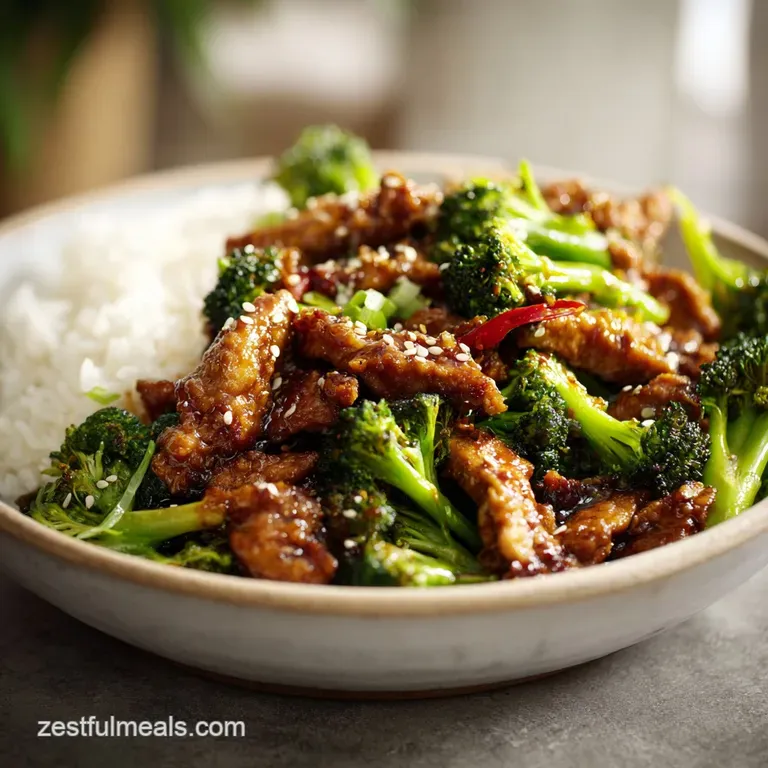
1. Why is my sauce watery?
If your sauce hasn't thickened, it's usually because the pan wasn't hot enough for the cornstarch to "gel." Make sure the liquid actually comes to a boil. If it's still thin, whisk another teaspoon of cornstarch with a splash of cold water and stir it in. It should tighten up within 30 seconds.
2. Why is my chicken dry?
This usually happens from overcooking. If you slice the chicken very thin, it only needs about 2-3 minutes of direct contact with the pan. Remember, it will continue to cook slightly while it sits on the plate and again when you toss it back into the hot sauce. This is why we call it carryover cooking.
| Problem | Root Cause | Solution |
|---|---|---|
| Mushy Broccoli | Steamed too long | Reduce water to 2 tbsp and pull off heat 30 seconds earlier |
| Salty Sauce | Too much reduction | Add a splash of water or a squeeze of lime to balance it |
| Burnt Garlic | Added too early | Add garlic to the sauce mixture instead of frying it in dry oil |
Common Mistakes Checklist
- ✓ Pat the chicken strips dry before adding the marinade to ensure the cornstarch sticks.
- ✓ Don't overcrowd the pan; if your skillet is small, sear the chicken in two batches.
- ✓ Use low sodium soy sauce only; the regular stuff will make the sauce far too salty once it reduces.
- ✓ Have all ingredients measured and ready; the cooking phase only takes 10 minutes.
- ✓ Ensure the broccoli florets are all roughly the same size for even steaming.
Smart Scaling for Larger Groups
If you're feeding a crowd, don't just double everything in one pan. The biggest mistake is overloading the skillet, which drops the temperature and turns your "stir fry" into a "stew."
For a double batch, I highly recommend cooking the chicken in two separate goes. Keep the first batch warm in a low oven while you do the second. When it comes to the sauce, you can double the ingredients, but keep an eye on the thickness. You might need an extra minute of simmering to get that heavy, velvety cling we're looking for. If you're looking for another crowd pleaser that scales well, my Chicken and Rice recipe is a fantastic alternative for busy nights.
Fresh Ingredients Versus Pantry Shortcuts
| Element | Fresh Option | Shortcut Option |
|---|---|---|
| Aromatics | Freshly grated ginger and garlic | Jarred ginger paste and minced garlic |
| Vegetables | Whole head of broccoli cut by hand | Bagged pre cut florets or frozen broccoli |
| Chicken | Fresh breast sliced at home | Pre sliced "stir fry" meat from the butcher |
While fresh ginger and garlic provide a sharper, more vibrant punch, the jarred versions are absolute lifesavers when you're exhausted. If you use frozen broccoli, skip the "water and lid" steaming step; just toss the frozen florets directly into the hot pan after the chicken is removed and sauté until thawed and hot.
Flavorful Twists for Easy Variety
1. Spicy Szechuan Twist
If you want some heat, whisk in 1 tablespoon of sambal oelek or chili garlic sauce into your main sauce mixture. A handful of dried red chilis tossed in with the broccoli adds a beautiful visual and a slow building warmth that adults love.
2. The Healthy Chicken and Broccoli Stir Fry (Keto/Paleo)
To make this low carb, swap the brown sugar for a monk fruit sweetener and replace the cornstarch with arrowroot powder. Instead of serving over rice, try cauliflower rice or just double the broccoli for a fiber packed meal that still feels indulgent. If you're in the mood for a different profile entirely, you might enjoy the flavors in this Teriyaki Chicken Broccoli recipe which uses a similar over high heat method.
Proper Storage and Waste Reduction
You can keep leftovers in an airtight container in the fridge for up to 4 days. The sauce actually seeps into the chicken over time, making it even more flavorful the next day. For freezing, this dish lasts about 2 months. Just be aware that the broccoli will lose its snap and become much softer upon thawing.
Don't toss those broccoli stems! Peel away the woody outer skin with a vegetable peeler, and you'll find a tender, sweet core. Slice that into matchsticks and throw it right in with the florets. It adds a great crunch and ensures you're getting your money's worth from the produce aisle.
Serving Suggestions for Hungry Families
The most traditional way to serve this is over a bed of fluffy white jasmine rice. The grains act like a sponge for that extra sauce. If you want a bit more texture, brown rice or quinoa works beautifully too.
If you want to get creative, toss some cooked lo mein or udon noodles directly into the pan during the last 30 seconds of cooking. The sauce will coat the noodles perfectly, turning it into a one pan noodle stir fry.
I always top mine with a heavy sprinkle of toasted sesame seeds and some sliced green onions for that "finished" look that makes it feel like you spent way more time on it than you actually did.
Common Kitchen Misconceptions Corrected
Many people believe that you need a specialized wok and a jet engine burner to make a good stir fry at home. That's simply not true. While "wok hei" (the breath of the wok) is a real culinary phenomenon in professional kitchens, you can achieve incredible results in a flat bottomed skillet by working in small batches and keeping your heat high.
Another myth is that you must marinate the chicken for hours. Because we slice the meat so thin, the surface area is huge relative to the volume. A 10 minute soak while you chop the broccoli is more than enough time for the soy sauce and cornstarch to do their jobs.
Any longer and the salt in the soy sauce can actually start to cure the meat, giving it a ham like texture that doesn't belong in a stir fry.
Critical in Sodium
1185 mg 1185 mg of sodium per serving (52% 52% of daily value)
The American Heart Association recommends limiting sodium intake to about 2,300mg per day for optimal health.
Tips to Reduce Sodium in Your Chicken and Broccoli Stir Fry
-
Broth Reduction-30%
Use sodium free chicken stock instead of low-sodium. This simple swap can significantly reduce the overall sodium content.
-
Soy Sauce Swap-25%
Use sodium free soy sauce instead of low-sodium soy sauce. This will drastically lower the sodium without sacrificing flavor.
-
Oyster Sauce Dilution-20%
Oyster sauce is typically high in sodium. Reduce the amount used by half or substitute with a homemade glaze made from low-sodium soy sauce, brown sugar, and a touch of cornstarch.
-
Chicken Marinade-15%
Marinate the chicken in a blend of ginger, garlic, sesame oil, and a tiny splash of sodium free soy sauce. Skip the cornstarch and season the chicken with black pepper instead.
-
Fresh is Best-10%
Ensure your broccoli is fresh (not frozen with sodium additives). Rinsing vegetables can also reduce sodium from preservatives.
-
Flavor Boost
Enhance the flavor with herbs and spices such as black pepper, garlic powder, onion powder, and red pepper flakes to compensate for the reduced sodium.
Recipe FAQs
Can I skip the cornstarch marinade on the chicken?
No, this step is crucial for texture. The cornstarch creates a protective 'velvet' layer that keeps the chicken incredibly tender and prevents it from drying out during the high heat cooking phase.
How to keep the broccoli bright green and crisp, not soggy?
Sear the broccoli quickly with a small amount of added water, then cover immediately. This brief, high heat steaming locks in color while keeping the florets snappy; avoid submerging them in liquid.
How to make the sauce glossy and thick like takeout versions?
Whisk the cornstarch thoroughly into the cold liquid components first. Ensure the sauce comes to a full boil after adding it to the pan, which activates the starch to create a proper gel.
Is it true that overcrowding the pan yields a better sear?
False. Overcrowding the pan drops the temperature drastically, causing the chicken to steam rather than sear, resulting in gray, tough meat.
How long should I marinate the chicken strips for optimal tenderness?
Aim for 10 to 15 minutes while you prepare the vegetables. Because the chicken is sliced thinly, the marinade penetrates quickly, and longer times can lead to a cured texture due to the salt content.
What substitution works best if I am missing oyster sauce?
Use Hoisin sauce, but reduce the added brown sugar slightly. Hoisin provides similar thickness and savory depth, though it carries more sweetness than traditional oyster sauce. If you prefer a saucier, noodle heavy dish, see how we manage sauce consistency in the Chicken Chow Mein recipe.
How can I adjust this recipe to make it a lower carb or keto option?
Swap the brown sugar for a zero calorie sweetener like monk fruit. Use arrowroot powder instead of cornstarch for thickening, and serve the final dish over cauliflower rice or simply eat it as is.
Chicken Broccoli Stir Fry Recipe
Ingredients:
Instructions:
Nutrition Facts:
| Calories | 434 kcal |
|---|---|
| Protein | 57.2 g |
| Fat | 14.1 g |
| Carbs | 16.8 g |
| Fiber | 3.5 g |
| Sugar | 5.2 g |
| Sodium | 1185 mg |
