Chicken Chow Mein with Silky Velvetted Chicken
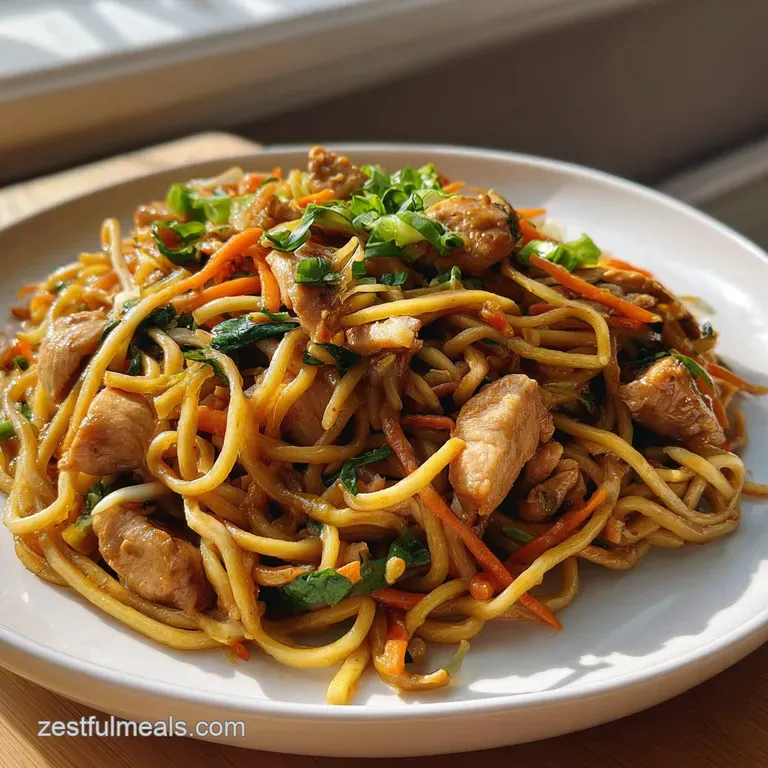
- Time: Active 10 minutes, Passive 7 minutes, Total 17 minutes
- Flavor/Texture Hook: Silky velvetted chicken paired with savory, umami rich noodles
- Perfect for: Busy weeknights when you need a budget-friendly family win
- Make This Better Than Takeaway Chicken Chow Mein
- Quick Specs For Family Planning
- Why This Stir Fry Works
- Essential Stir Fry Component Analysis
- Ingredients For Homemade Chow Mein
- Tools For High Heat Cooking
- Mastering The Stir Fry Flow
- Solving Common Noodle Problems
- Adapting The Base Recipe
- Storing and Saving Scraps
- Debunking Stir Fry Myths
- Dinner Party Serving Ideas
- Very High in Sodium
- Recipe FAQs
- 📝 Recipe Card
Make This Better Than Takeaway Chicken Chow Mein
The high pitched hiss when marinated chicken hits a scorching pan is easily my favorite kitchen sound. It’s the signal that something incredible is about to happen, far better than the lukewarm, greasy box from the shop down the street.
I used to think that "restaurant flavor" was a secret kept under lock and key, but after a dozen failed, soggy attempts, I finally cracked the code in my own kitchen.
We've all been there: you’re craving those glossy, savory noodles, but the thought of spending $40 on takeaway for a family of three feels like a gut punch. This version uses simple pantry staples to create a dish that is faster, cheaper, and honestly, way more satisfying.
My kids now specifically ask for "the loud noodles" because they love watching the steam rise from the wok.
The beauty of this Chicken Chow Mein lies in the prep. Once you get your rhythm down, the actual cooking happens so fast you barely have time to set the table. It’s a rhythmic, over high heat dance that results in tender meat and vegetables that still have a bit of a snap.
Let's get into how we make that magic happen without making a mess of your stovetop.
Quick Specs For Family Planning
Before you grab your apron, let’s look at the logistics of this meal. It’s designed to be efficient, especially if you’re juggling homework or laundry while trying to get dinner on the table.
| Feature | Fast Weeknight | Classic Authentic |
|---|---|---|
| Noodle Prep | 5 minutes soak | Hand pulled fresh |
| Protein Tech | Quick velveting | Long marinade |
| Heat Source | Standard stovetop | High BTU wok burner |
Chef's Tip: If you have 10 extra minutes, let the chicken sit in the marinade in the fridge. The cornstarch works better when it has time to really bond with the protein fibers.
Why This Stir Fry Works
Cooking is just delicious chemistry, and understanding a few small "whys" will change your stir fry game forever. It's not just about the ingredients; it's about how they interact under pressure.
- The Velveting Secret: The cornstarch and Shaoxing wine create a protective coating that prevents the chicken from drying out at high temperatures, keeping it velvety and soft.
- Maillard Reaction: The brown sugar in the sauce isn't just for sweetness; it aids in caramelization, giving the noodles that dark, rich color and complex flavor profile.
- Starch Gelatinization: By using a bit of chicken stock in the sauce, we create a slight slurry that clings to every strand of noodle instead of pooling at the bottom of the bowl.
- Aromatic Infusion: Adding ginger and garlic to the oil first creates a flavored base that permeates every other ingredient added to the pan.
Essential Stir Fry Component Analysis
To get that specific texture, we need to treat each ingredient with a bit of respect. Here is why we use these specific items.
| Ingredient | Science Role | Pro Secret |
|---|---|---|
| Cornstarch | Moisture Barrier | Pat chicken dry before adding for better adhesion |
| Dark Soy Sauce | Pigment & Depth | Provides the signature mahogany color, not just salt |
| Toasted Sesame Oil | Flavor Finisher | Add at the very end to prevent the flavor from burning off |
| Shaoxing Wine | Enzyme Breakdown | Tenderizes the meat while adding a fermented tang |
This stir fry reminds me of the balance found in my Teriyaki Chicken Broccoli recipe, where the sauce consistency is everything. You want it thick enough to coat, but not so thick it becomes gummy.
Ingredients For Homemade Chow Mein
You probably have most of these in your cupboard already. If not, they are cheap additions that will last you for dozens of meals.
- 300g Chicken Breast: Sliced into thin, bite sized strips. Why this? Lean protein that absorbs the savory marinade quickly. (Sub: Pork loin or firm tofu)
- 200g Dried Chow Mein Noodles: The heart of the dish. Why this? They have the right chew and surface area for the sauce. (Sub: Thin spaghetti or linguine)
- 2 tbsp Light Soy Sauce: For the salt. (Sub: Tamari for gluten-free)
- 1 tbsp Dark Soy Sauce: For that deep color. (Sub: Extra light soy + 1/2 tsp molasses)
- 1 tbsp Oyster Sauce: Adds the "umami" punch. (Sub: Vegetarian mushroom sauce)
- 1 tsp Brown Sugar: To balance the salt. (Sub: Honey or coconut sugar)
- Vegetables: 2 cups cabbage, 1 carrot, 1 cup bean sprouts. Why this? Traditional crunch and high water content for steam. (Sub: Bok choy or bell peppers)
- Aromatics: 2 cloves garlic, 1 tsp ginger. (Sub: 1/2 tsp garlic/ginger powder in a pinch)
Tools For High Heat Cooking
You don't need a fancy professional kitchen, but a few specific tools will make your life much easier and prevent the "soggy noodle" syndrome.
- Large Wok or Heavy Skillet: Cast iron or carbon steel is best because it holds heat even when you drop cold veggies in.
- Long handled Spatula: You’ll be moving things fast; you want to keep your hands away from the oil splatters.
- Fine Mesh Strainer: Essential for draining the noodles and bean sprouts so they don't bring excess water into the pan.
- Small Glass Bowls: For your "mise en place" (having everything ready before you start the fire).
Mastering The Stir Fry Flow
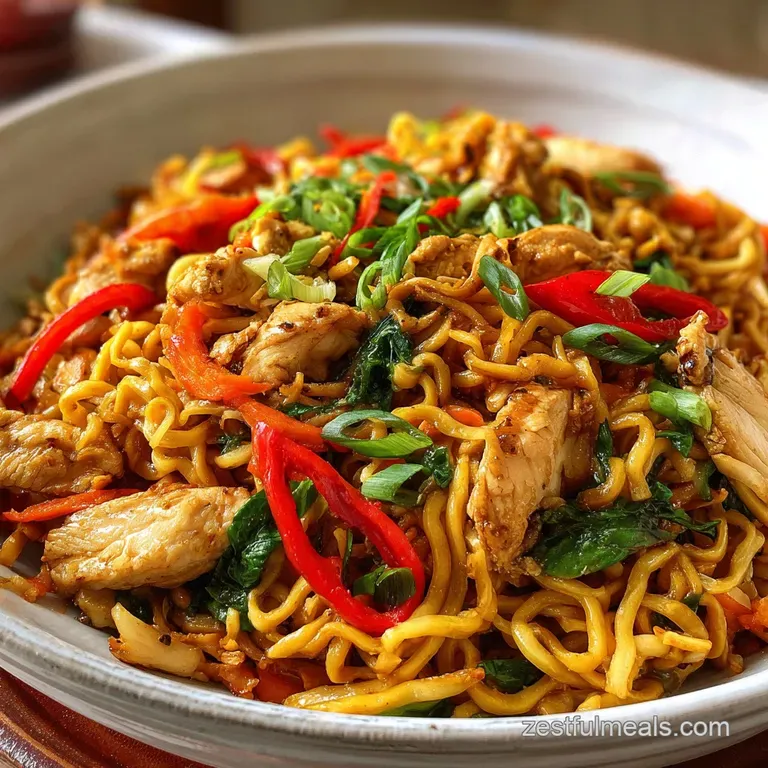
Speed is your friend here. Once the heat is on, you won't have time to chop or measure. Follow this flow for the best results.
Preparing The Chicken Marinade
Mix 300g sliced chicken with 1 tsp light soy sauce, 1 tsp Shaoxing wine, 0.5 tsp cornstarch, and 0.5 tsp toasted sesame oil. Let it hang out for at least 10 minutes. Note: This is the velveting step that keeps the meat tender.
Mixing The Signature Sauce
In a small bowl, whisk 2 tbsp light soy sauce, 1 tbsp dark soy sauce, 1 tbsp oyster sauce, 1 tsp brown sugar, 0.25 tsp white pepper, and 2 tbsp chicken stock. Stir until the sugar is completely dissolved.
Essential Stir Fry Steps
- Boil noodles. Cook 200g dried noodles according to package instructions, usually 1-2 minutes less than "al dente," then drain and rinse with cold water.
- Heat the pan. Add 2 tbsp vegetable oil to your wok over high heat until you see wisps of smoke.
- Sear the chicken. Spread the chicken in a single layer. Cook for 2 minutes until the edges are golden and crisp, then remove and set aside.
- Sauté aromatics. Add the remaining 1 tbsp oil, then toss in minced garlic and grated ginger. Stir fry for 30 seconds until the fragrance fills the room.
- Blast the veggies. Throw in the shredded cabbage and julienned carrots. Stir fry for 1-2 minutes until the cabbage begins to wilt but stays bright.
- Combine everything. Return the chicken to the pan and add the cooked noodles and bean sprouts.
- Sauce it up. Pour the sauce mixture over the ingredients. Toss vigorously for 1-2 minutes until every noodle is stained dark and glossy.
- Finish and garnish. Toss in the green onion segments. Remove from heat immediately until the onions just barely soften.
Solving Common Noodle Problems
If things go wrong, it's usually a matter of temperature or moisture. Don't panic; most stir fry "disasters" are fixable.
Why Your Noodles Are Gummy
This usually happens because the noodles were overcooked before they ever touched the wok. They continue to cook in the sauce, so you have to pull them out of the boiling water while they still have a firm "bite" in the center.
Fixing A Watery Sauce
If your stir fry looks more like a soup, your pan wasn't hot enough, or you overcrowded it. The vegetables leaked their juices instead of searing. To fix it, push everything to the sides and let the liquid boil down in the center for a minute.
| Problem | Root Cause | Solution |
|---|---|---|
| Tough Chicken | Overcooked or no cornstarch | Use the velveting marinade and cook in batches |
| Bland Flavor | Not enough salt/sugar balance | Add a splash of light soy or a pinch of salt at the end |
| Burnt Garlic | Added too early/Heat too high | Add aromatics only when you're ready to toss the veggies in |
Common Stir Fry Mistakes Checklist
- ✓ Pat the chicken dry before adding marinade to ensure the cornstarch sticks.
- ✓ Ensure the wok is "breath of dragon" hot before the first drop of oil.
- ✓ Rinse noodles in cold water immediately after boiling to stop the cooking.
- ✓ Never double the recipe in one pan; work in two batches to maintain heat.
- ✓ Use a neutral oil with a high smoke point like canola, vegetable, or peanut oil.
Adapting The Base Recipe
This dish is incredibly flexible. If you have leftovers in the fridge, this is the place to use them.
Scaling For Larger Groups
If you’re cooking for six instead of three, don't just double everything in the same pan. Your home burner likely can't keep a large wok hot enough to handle 600g of chicken and 400g of noodles at once. You’ll end up steaming the food.
Cook the chicken in two batches, then the veggies, then combine everything at the very end in a large bowl if your pan is too small.
The Spicy Takeaway Twist
To give this a kick, add 1 tbsp of chili garlic sauce or sriracha to the main sauce mix. Alternatively, toss in a handful of dried red chilies with the garlic and ginger at the start.
Storing and Saving Scraps
Chicken Chow Mein is one of those rare dishes that might actually taste better the next day as the flavors settle.
- Fridge: Store in an airtight container for up to 3 days. The noodles will soak up more sauce, so it might be a bit drier.
- Freezer: I don't recommend freezing this dish. The texture of the bean sprouts and cabbage becomes mushy upon thawing.
- Reheating: Use a skillet over medium heat with a splash of water or chicken stock to loosen the noodles. Microwave works too, but you lose the "crispy" edges.
- Zero Waste: Don't toss the broccoli stems or the "woody" ends of the green onions. Slice them paper thin and toss them in with the carrots for extra crunch and nutrition.
Debunking Stir Fry Myths
There are a lot of "rules" out there that just aren't true for the home cook.
- You must have a wok: While a wok is great, a large, heavy stainless steel or cast iron skillet works perfectly fine as long as you don't overcrowd it.
- MSG is bad for you: Most modern science has debunked the "MSG syndrome." A tiny pinch of MSG (or just the oyster sauce used here) provides that savory depth that makes takeaway so addictive.
- High heat means "Max" all the time: It means high heat for the sear, but you can turn it down slightly if you feel the garlic is about to burn.
Dinner Party Serving Ideas
If you're serving this to guests, presentation makes a big difference. I like to pile the noodles high in a shallow bowl rather than a deep one so you can see all the colorful vegetables. Top it with a generous sprinkle of toasted sesame seeds and some extra fresh green onions sliced on a sharp bias.
For a full feast, this pairs beautifully with a side of greens like my Broccoli Casserole recipe if you want a fusion feel, or keep it classic with some simple steamed bok choy. If you want a variety of proteins, you could even serve it alongside some Broiled Chicken Thighs recipe for those who want extra meat. Just make sure the noodles are served piping hot stir fry waits for no one!
Very High in Sodium
1512 mg mg of sodium per serving (66% % of daily value)
The American Heart Association recommends limiting sodium intake to about 2,300mg per day.
Sodium Reduction Tips for Chow Mein:
-
Low-Sodium Broth-30%
Replace regular chicken stock with low-sodium or no-salt added chicken broth. This simple swap can significantly cut down on sodium without sacrificing flavor.
-
Reduce Soy Sauce-20%
Use reduced sodium soy sauce for both the chicken marinade and the sauce. Start with half the amount and adjust to taste, if needed.
-
Oyster Sauce Alternative-20%
Oyster sauce is a significant source of sodium. Substitute with a homemade sauce using low-sodium soy sauce, a touch of molasses or brown sugar, and a small amount of cornstarch to thicken.
-
Skip the Salt-15%
Avoid adding any extra salt during cooking, as the soy sauce and oyster sauce already contribute a substantial amount of sodium. Focus on building flavor with other ingredients.
-
Herb Power
Enhance the flavor with fresh herbs and spices like ginger, garlic, white pepper, and green onions. These can boost the taste profile without adding any sodium.
Recipe FAQs
What is in a Chinese chicken chow mein?
Noodles, chicken, vegetables, and savory sauce. The core components include thin egg noodles, velvetted chicken strips, shredded cabbage and carrots, and a sauce based on soy sauce, oyster sauce, and often a touch of sugar.
What is the difference between chicken chow mein and lo mein?
Chow mein noodles are typically stir fried until slightly crisp, while lo mein noodles are softer. Chow mein emphasizes a drier, textured noodle (sometimes meaning pan-fried), whereas lo mein means "tossed" and is saucier and more pliable.
What ingredients are essential in chow mein sauce?
Light soy sauce, dark soy sauce, and oyster sauce are foundational. Dark soy provides the deep mahogany color, light soy provides salt, and oyster sauce delivers the deep umami backbone essential for restaurant flavor.
What is the secret ingredient to good chow mein?
Velveting the chicken and using high heat are the true secrets. The cornstarch and wine marinade protects the protein from drying out in the high heat, keeping it silky, much like controlling the final texture in our Smoked Beef Brisket recipe relies on low and slow moisture management.
How do I stop my chicken from drying out in the wok?
Velvet the chicken using cornstarch and egg white. Toss the sliced chicken with a small amount of cornstarch, light soy sauce, and a teaspoon of Shaoxing wine before cooking, which creates a protective barrier during the high heat sear.
Can I use thinner noodles like spaghetti instead of traditional chow mein noodles?
Yes, but adjust the cooking time significantly. Spaghetti is denser; cook it a couple of minutes less than directed, and rinse immediately in cold water to stop the cooking process before tossing it in the wok.
How do I achieve that dark, glossy color in homemade chow mein?
Use dark soy sauce; it is primarily for color, not salt. Add it right at the end with the rest of the sauce mixture and toss quickly over high heat to let the sugars caramelize slightly onto the noodles without burning them.
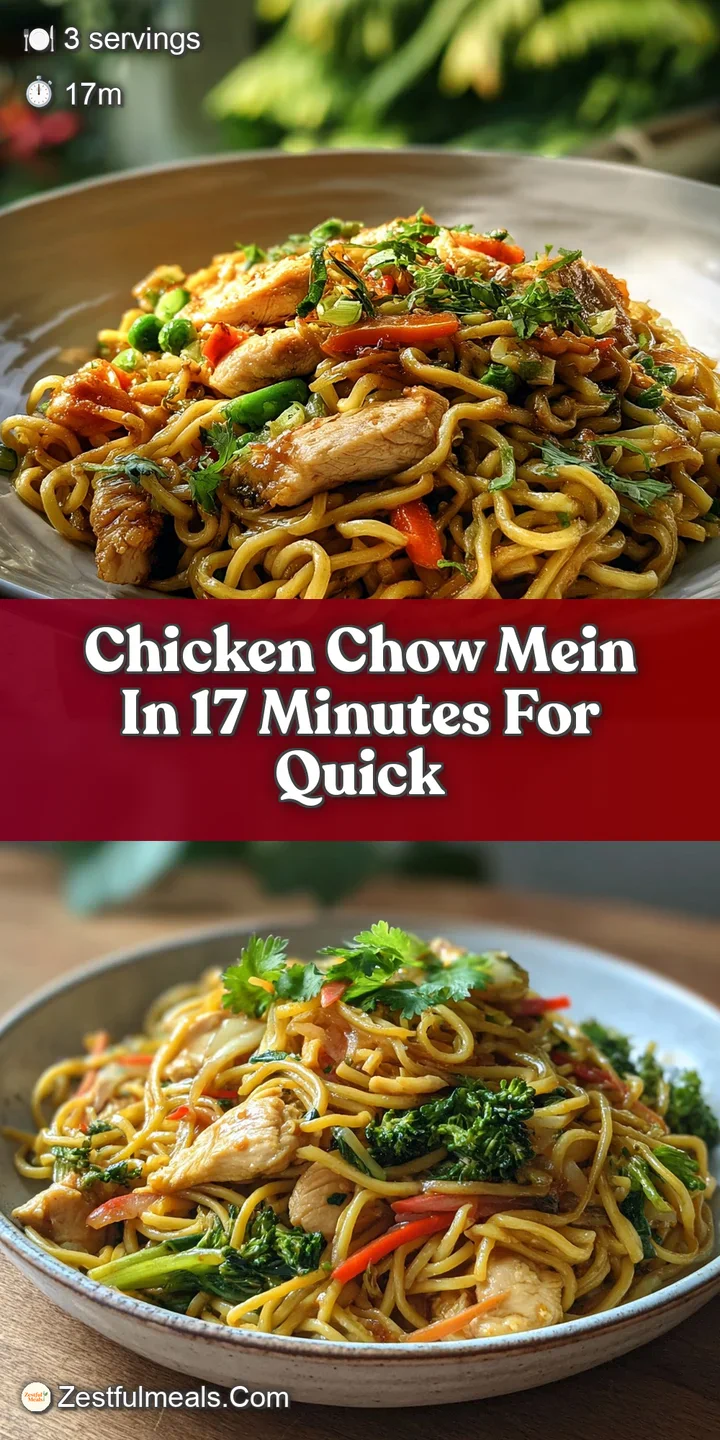
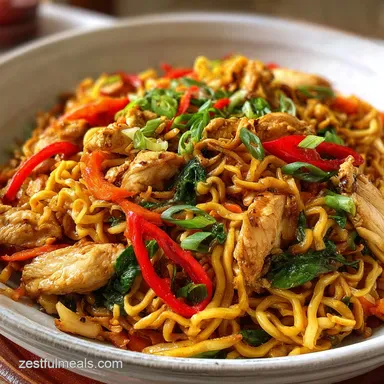
Chicken Chow Mein In 17 Minutes
Ingredients:
Instructions:
Nutrition Facts:
| Calories | 594 kcal |
|---|---|
| Protein | 31.7 g |
| Fat | 18.4 g |
| Carbs | 56.8 g |
| Fiber | 3.3 g |
| Sugar | 4.1 g |
| Sodium | 1512 mg |
