Crispy Fried Soft Shell Crab Recipe
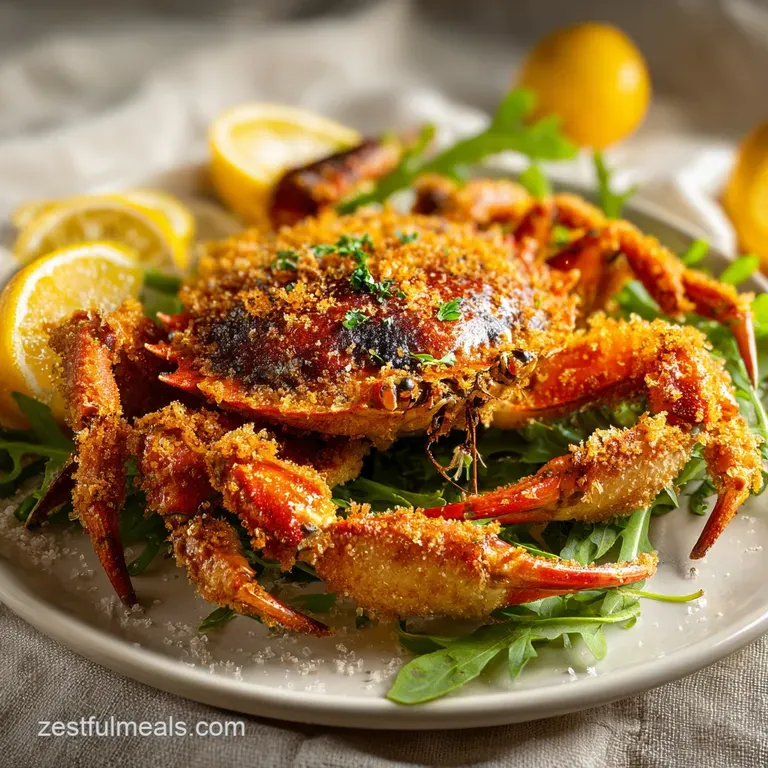
- Time: Active 15 minutes, Passive 8 minutes, Total 23 minutes
- Flavor/Texture Hook: A shattering, golden crust with sweet, buttery meat inside.
- Perfect for: Weeknight treats or showing off at a family summer cookout.
- Perfectly Crispy Fried Soft Shell Crab Secrets
- Fast Seafood Specs for Busy Weeknights
- Essential Components for the Best Crunch
- Simple Tools for a Golden Finish
- How to Fry Your Crabs Perfectly
- Pro Tips for Perfect Seafood Results
- Healthy Swaps and Easy Adaptations
- Storage Tips and Zero Waste Ideas
- Serving Your Dish With Style
- Fried Soft Shell Crab FAQs
- 📝 Recipe Card
Perfectly Crispy Fried Soft Shell Crab Secrets
I still remember the first time I tried to cook these for the family. I was so nervous about those tiny legs poking out of the pan that I nearly dropped the whole thing. The kitchen smelled like a coastal boardwalk, that salty, buttery aroma that makes your mouth water before the plate even hits the table.
My kids were skeptical at first, poke testing the "spider looking" things with their forks, but once they heard that first loud crackle of the crust, it was game over. We didn't even make it to the dining table; we ate them standing up over the kitchen island, wiping grease off our chins with paper towels.
The trick I learned through a lot of trial and error is that you don't need a fancy deep fryer or a gallon of expensive oil to get that restaurant quality finish. It's all about the temperature and the starch mix. If you've ever felt intimidated by seafood, this is the dish that will change your mind.
It's fast, it's relatively cheap if you catch a sale at the fish counter, and it feels like a total win for a Tuesday night. We're going to use simple pantry staples to make something that tastes like a vacation on a plate.
Since we are talking about quick, impressive seafood, you might also love my Char Grilled Oysters recipe for your next gathering. But for today, let's focus on getting that Fried Soft Shell Crab just right. Trust me, once you master the "pop" factor in the pan, you'll be the hero of the kitchen. Let's get into the details so you can start cooking.
Fast Seafood Specs for Busy Weeknights
Before we heat up the oil, let's look at the logistics. This isn't a long haul recipe. It moves fast, so having your station set up is the secret to not burning your dinner.
The Science of Crunch
Starch Gelatinization: Combining cornstarch with flour creates a brittle, glass like structure that resists moisture better than flour alone. Acid Tenderization: The lactic acid in the buttermilk breaks down the connective tissues in the crab, ensuring the meat stays velvety rather than rubbery.
| Freshness Level | Cook Time | Texture | Best For |
|---|---|---|---|
| Fresh (Never Frozen) | 3-4 mins per side | Ultra tender, juicy | Eating whole with lemon |
| Thawed (Frozen) | 4-5 mins per side | Slightly firmer meat | Fried soft shell crab sandwich |
| Small Crabs | 2-3 mins per side | Maximum crunch | Appetizers or snacks |
When you are working with hot oil, precision matters. Just like when I'm making my Fried Turkey Breast recipe, keeping the oil at a steady sizzle is what prevents the food from becoming a greasy sponge.
Essential Components for the Best Crunch
We are keeping the budget in check by using a mix of basic flour and cornstarch. Don't skip the cornstarch, it's the real MVP for that "shatter" effect we want.
| Component | Science Role | Pro Secret |
|---|---|---|
| Buttermilk | Protein Binder | Let it soak for 10 mins to help the dredge stick better. |
| Cornstarch | Moisture Barrier | This prevents the flour from getting gummy when it hits the steam. |
| Old Bay | Flavor Profile | Mix it into the flour, not just the liquid, for layered seasoning. |
Prime Soft Shell Crabs
You need 4 medium to large soft shell crabs, cleaned. If you buy them from a reputable fishmonger, they'll usually clean them for you, which saves a lot of mess.
Southern Buttermilk Soak
We use 1 cup whole buttermilk mixed with 1 tsp hot sauce. This creates a tangy base that cuts through the richness of the fried crust.
The Shattering Crust Mix
This is the heart of the recipe: 1 cup all purpose flour, 1/2 cup cornstarch, 1 tbsp Old Bay seasoning, 1 tsp smoked paprika, 1/2 tsp black pepper, and 1/2 tsp sea salt.
Simple Tools for a Golden Finish
You don't need much, but a heavy skillet is non negotiable.
- Cast Iron Skillet: This holds heat better than thin stainless steel, meaning your oil temperature won't plummet when you add the crabs.
- Tongs: Use long ones. Crabs can sometimes "pop" or splatter as moisture escapes the shell.
- Wire Cooling Rack: Never put fried seafood on a flat plate or paper towels. The steam will trap underneath and make the bottom soggy in seconds.
- Whisk: To get that flour and cornstarch perfectly aerated and lump free.
| Original Ingredient | Substitute | Why It Works |
|---|---|---|
| Whole Buttermilk | Milk + 1 tbsp Lemon | Mimics the acidity and thickness. Note: Let sit for 5 mins first. |
| Old Bay Seasoning | Cajun Seasoning | Similar celery salt and paprika base. Note: Usually saltier, so reduce extra salt. |
| Neutral Oil | Ghee (Clarified Butter) | High smoke point with a much richer, nutty flavor profile. |
Chef's Tip: Freeze your dry flour and cornstarch mix for 15 minutes before dredging. The temperature shock between the ice cold coating and the hot oil creates tiny steam pockets that result in a lighter, crispier crust.
How to Fry Your Crabs Perfectly
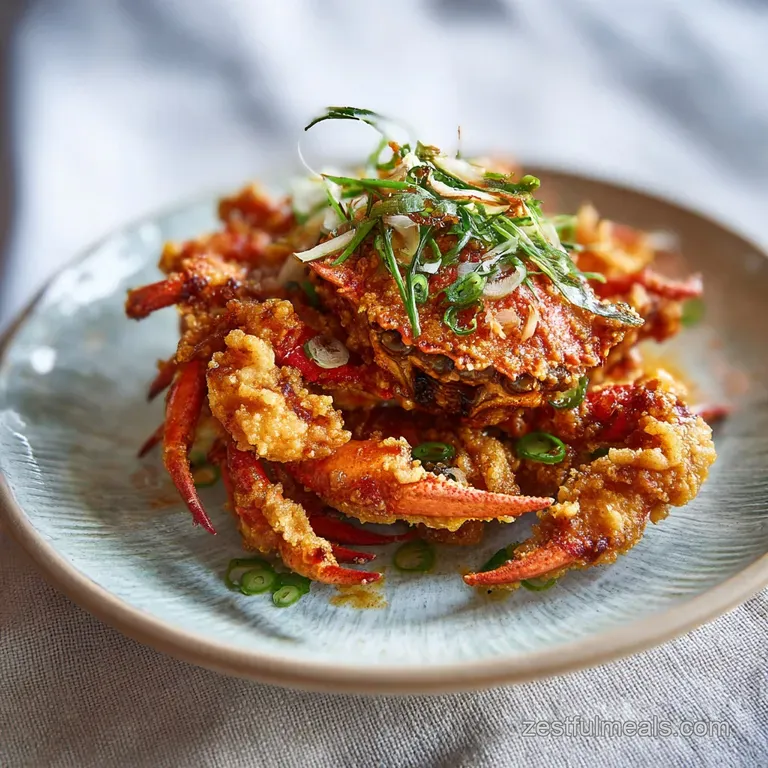
Right then, let's get cooking. Make sure your exhaust fan is on because we want that oil nice and hot.
- Whisk dry ingredients. Combine 1 cup all purpose flour, 1/2 cup cornstarch, 1 tbsp Old Bay, 1 tsp smoked paprika, 1/2 tsp pepper, and 1/2 tsp salt in a shallow bowl. Note: Using a wide bowl makes dredging much easier.
- Prepare the soak. In a separate bowl, stir together 1 cup whole buttermilk and 1 tsp hot sauce.
- Bathe the crabs. Submerge the 4 cleaned crabs in the buttermilk mixture. Let them sit for 5 minutes so the enzymes can work on the meat.
- Heat the pan. Pour 1 cup neutral oil into your skillet. Wait until the oil shimmers and a pinch of flour sizzles instantly when dropped in.
- Add the butter. Drop 2 tbsp unsalted butter into the hot oil. Note: The butter adds flavor and helps with browning, but the oil prevents it from burning too fast.
- The first dredge. Remove one crab from the buttermilk, let the excess drip off, and press it firmly into the flour mixture.
- The double coat. Dip the crab back into the buttermilk very quickly, then back into the flour. Press the flour into every nook and cranny of the legs.
- Start the fry. Place crabs in the pan, top side down. Fry for 4 minutes until the underside is deep mahogany and crisp.
- The flip. Turn the crabs over carefully using tongs. Fry for another 3-4 minutes until the legs are stiff and golden.
- Drain and rest. Move the crabs to a wire rack. Let them rest for 2 minutes until the crust sets and becomes firm to the touch.
Pro Tips for Perfect Seafood Results
The biggest mistake people make is crowding the pan. If you put all four crabs in a small skillet at once, the oil temperature will drop, and you’ll end up with greasy, boiled seafood instead of a crisp fry.
The "Pop" Factor
Soft shell crabs contain pockets of water. As they fry, this water turns to steam and can cause the crab to "pop" or splatter oil. Don't panic! Use a splatter screen or just stand back a bit. If you poke a tiny hole in the thickest part of the back before frying, it can help the steam escape more quietly.
Signs of Doneness
You’ll know they are done when the bubbling in the oil slows down significantly. This means most of the surface moisture has evaporated, leaving behind a dry, crispy shell. The legs should feel like crackers when you gently tap them with your tongs.
Troubleshooting Common Issues
| Problem | Root Cause | Solution |
|---|---|---|
| Coating falls off | Crab was too wet | Pat crabs dry with a paper towel before the first buttermilk dip. |
| Crust is dark but soggy | Oil was too hot | Lower heat and use a thermometer to keep oil at 350°F (180°C). |
| Meat is rubbery | Overcooked | Stick to the 4 minute per side rule for medium sized crabs. |
Common Mistakes Checklist:
- ✓ Never use a lid on the pan; it traps steam and destroys the crunch.
- ✓ Don't skip the cornstarch; flour alone gets soft too quickly.
- ✓ Always season the flour, not just the crab, for better flavor distribution.
- ✓ Let the oil return to temperature between batches if you are cooking in shifts.
Healthy Swaps and Easy Adaptations
If you are looking to scale this down, it’s easy. For 2 people, just halve all the ingredients. However, I usually make the full amount of the flour mix and keep the extra in a sealed jar in the pantry for the next time I want quick fried fish. It stays good for months.
When scaling up for a crowd (like 8-12 crabs), do not just double the oil. Work in batches and replace the oil halfway through if it starts to look dark or smell toasted. The flour that falls off the crabs will burn at the bottom of the pan and can give the second batch a bitter taste.
If you are following a gluten-free diet, you can swap the 1 cup of all purpose flour for a 1:1 gluten-free baking blend or even rice flour. Rice flour actually makes an incredibly light, tempura style crust that is naturally very crispy. The cornstarch is already gluten-free, so you're halfway there!
| Goal | Adjustment | Result |
|---|---|---|
| Extra Spicy | Add 1 tsp Cayenne to flour | A slow, lingering heat in every bite. |
| dairy-free | Use Coconut Milk + Vinegar | Slightly sweeter but still very creamy. |
| Lower Fat | Air Fry at 400°F (200°C) | Less rich, but still very crunchy. Spray well with oil. |
Storage Tips and Zero Waste Ideas
Fried soft shell crab is definitely best eaten immediately. However, if you have leftovers, do not microwave them! A microwave will turn that beautiful crust into a rubbery mess. Instead, put them in a toaster oven or air fryer at 350°F (180°C) for about 4-5 minutes.
They’ll crisp right back up.
Fridge: Store in an airtight container for up to 2 days. Freezer: I don't recommend freezing them once they are fried, as the texture of the crab meat changes significantly.
For a zero waste approach, if you have crabs that didn't get eaten, pull the meat and legs off and use them the next day for a killer Fried Soft Shell Crab sandwich. Toast a brioche bun, add some spicy mayo and lettuce, and you’ve got a gourmet lunch.
Any leftover buttermilk can be used for pancakes or biscuits don't let that tangy goodness go down the drain!
Serving Your Dish With Style
Searing meat doesn't "seal in juices," and neither does frying crab. The crust is there for texture and flavor, not as a waterproof seal. The real magic happens when you pair that hot, salty crust with something bright.
I love serving these with a huge squeeze of fresh lemon and a side of homemade remoulade. If you want a full meal, they are fantastic served over a simple pile of grits or alongside a fresh slaw. The acidity of a vinegar based slaw cuts through the fried richness perfectly.
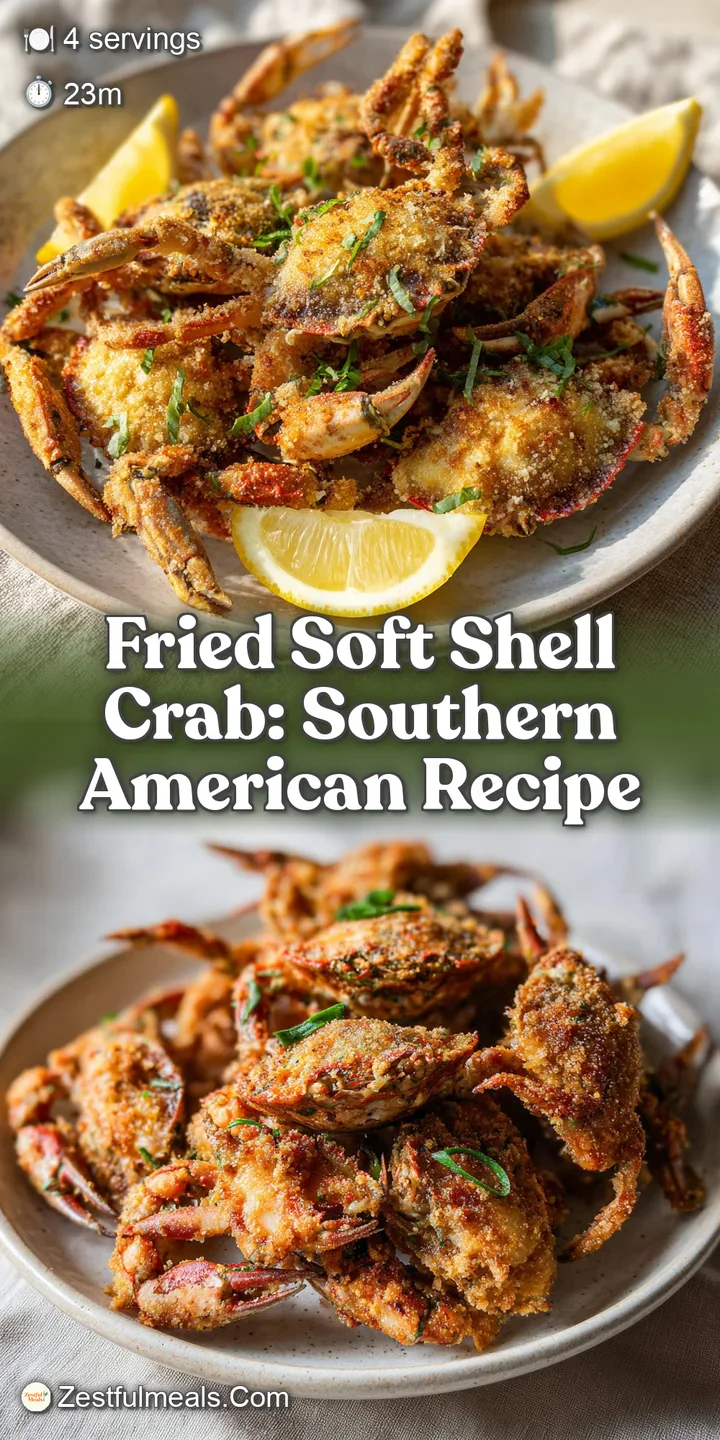
Don't overthink the presentation. These crabs are naturally beautiful in a rustic way. Pile them up on a wooden board with some lemon wedges and a sprinkle of fresh parsley, and everyone will be diving in before you can even set the table. It's about that messy, fun, summer feeling meal that brings everyone together.
Honestly, don't even bother with fancy cutlery these are best handled with your fingers!
Fried Soft Shell Crab FAQs
Can you eat fried soft shell crab?
Yes, absolutely. The entire crab, shell and all, is edible after being properly cooked and crisped. The shell becomes brittle enough to chew, offering a satisfying crunch that contrasts the soft interior meat.
How long does it take to fry soft shell crabs?
Total cooking time is typically 7 to 8 minutes per crab. Fry them for 3 to 4 minutes on the first side until deep golden brown, then flip and fry for another 3 to 4 minutes until the crust is firm and set.
How to make crispy soft shell crab?
Use a blend of flour and cornstarch for the dredge. The cornstarch acts as a superior moisture barrier, creating a lighter, glassier crust than flour alone. Ensure your oil is preheated to a steady 350°F (175°C) to prevent oil saturation.
Do you have to clean soft shell crab before frying?
Yes, cleaning is essential for the best texture and flavor. You must remove the gills (the spongy structures on the underside) and the small apron flap before dredging and frying the crab.
What is the secret to keeping the coating from falling off?
Ensure the crab is fully coated in buttermilk, then press firmly into the flour mixture twice. The second dip into the buttermilk and second press into the flour creates a thicker adhesion layer. If you mastered the precise dredging here, apply that same careful layering technique when preparing our Broiled Chicken Thighs recipe for even searing.
Can I substitute the buttermilk soak?
Yes, you can create a suitable substitute if necessary. Mix one cup of whole milk with one tablespoon of white vinegar or lemon juice and let it sit for five minutes to curdle slightly. This mimics the acid necessary to help the meat tenderize slightly.
What oil temperature is ideal for frying soft shell crab?
Maintain a steady oil temperature between 340°F and 350°F (170°C 175°C). If the oil is too cool, the coating absorbs too much fat; if it is too hot, the crust burns before the meat inside cooks through.
Crispy Fried Soft Shell Crab
Ingredients:
Instructions:
Nutrition Facts:
| Calories | 298 calories |
|---|---|
| Protein | 17.2 grams |
| Fat | 17.4 grams |
| Carbs | 18.5 grams |
| Fiber | 0.8 grams |
| Sugar | 1.2 grams |
| Sodium | 492 milligrams |
