Hash Brown Egg Casserole: Crispy Crust
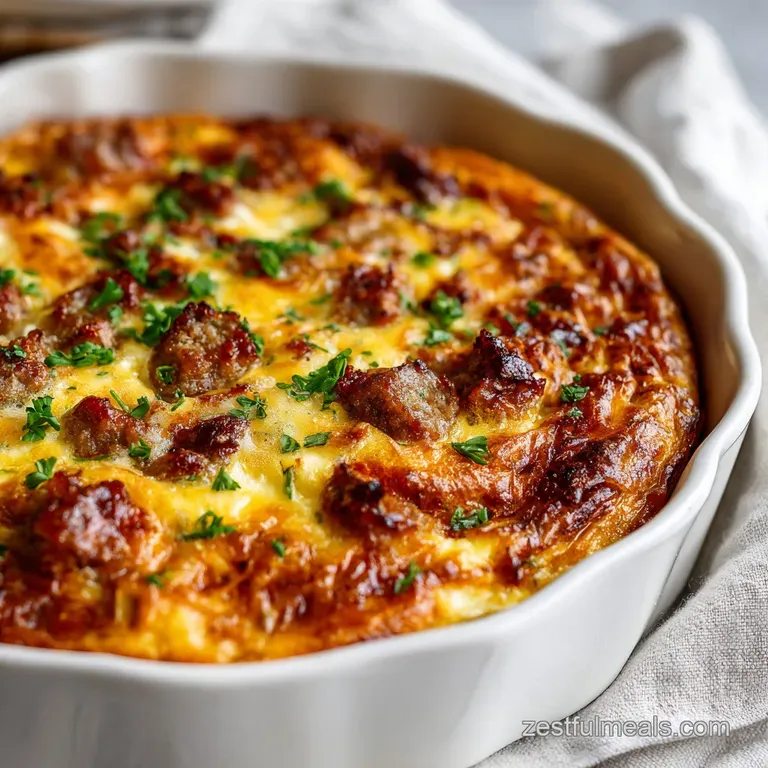
- Time: Active 15 minutes, Passive 50 minutes, Total 1 hours 5 mins
- Flavor/Texture Hook: Savory pork sausage paired with a golden, shatter crisp potato crust.
- Perfect for: Lazy weekend brunches or reliable meal prep for busy mornings.
- Create the Best Hash Brown Egg Casserole
- Science Behind the Golden Crust
- Essential Casserole Performance Specs
- Handpicking the Fresh Morning Ingredients
- Necessary Tools for Morning Bakes
- Mastering the Layering and Baking
- Avoiding Common Breakfast Bake Failures
- Simple Swaps for Dietary Needs
- Storing Your Morning Leftovers Safely
- Bright Pairings for Brunch Success
- Recipe FAQs
- 📝 Recipe Card
Create the Best Hash Brown Egg Casserole
You know that specific sound when a heavy skillet hits the burner and the first bit of fat starts to hiss? That was my kitchen at 7:00 AM last Saturday. I was trying to feed a house full of relatives who all woke up at different times, and I realized I needed something that could sit on the counter and still taste brilliant twenty minutes later.
This Hash Brown Egg Casserole is exactly that- it's the kind of breakfast that makes the whole house smell like a high end diner before you even pour the first cup of coffee.
I used to struggle with breakfast bakes because they always ended up either bone dry or weirdly weeping liquid on the plate. It took a few failed attempts- including one where I didn't drain the sausage properly and made a total mess- to figure out the balance.
We want that contrast between the rich, silky eggs and the crispy, salty bits of potato. It is all about how you treat the ingredients before they even enter the oven.
This isn't just a "throw it in a bowl" situation, although it’s nearly that simple. We’re going for a specific texture where the sour cream and whole milk create a custard that holds everything together without feeling heavy.
Trust me, once you see the way the sharp cheddar bubbles and browns around the edges of those hash browns, you’ll never go back to basic scrambled eggs again. Let's get into the logic of why this works so well.
Science Behind the Golden Crust
The Starch Binding Principle: Frozen hash browns release surface starch as they thaw, which, when mixed with the egg proteins, creates a structural lattice that prevents the casserole from collapsing. This ensures the bake remains airy rather than dense and rubbery.
Lipid Emulsification: By whisking sour cream into the whole milk and eggs, you introduce lactic acid and extra fat that physically interfere with the egg protein bonds.
This prevents the proteins from over tightening during the 50 minutes of heat, which is why the texture stays velvety instead of squeezing out water.
| Servings | Ingredient Adjustments | Pan Size | Cook Time |
|---|---|---|---|
| 6 people | 15 oz potatoes, 5 eggs, 1 cup milk | 8x8 square pan | 40 minutes |
| 12 people | 30 oz potatoes, 10 eggs, 2 cups milk | 9x13 rectangle pan | 50 minutes |
| 24 people | 60 oz potatoes, 20 eggs, 4 cups milk | Two 9x13 pans | 55 minutes |
Choosing the right pan size is vital because the depth of the egg mixture dictates how evenly the heat penetrates the center. If you use a pan that is too small, the edges will dry out before the middle sets.
I've found that a standard 9x13 ceramic or glass dish provides the best surface area for that golden, crispy top layer we all crave.
If you are cooking for a smaller crowd, don't just guess the timing. Reducing the volume by half usually only cuts the cook time by about 20%, not 50%, because the thermal mass still needs to reach that safe 160°F threshold.
Keeping the layers relatively thin- about 2 inches deep- is the secret to a consistent bake every single time.
Essential Casserole Performance Specs
When I first started blogging about these morning bakes, I realized most people fail because they don't know what to look for at the halfway point. You need specific markers to ensure success. I always use a digital thermometer now because it takes the guesswork out of the "is it done?" wiggle test.
| Method | Time | Texture | Best For |
|---|---|---|---|
| Classic Bake | 50 minutes | Custard like and soft | Traditional family brunch |
| Fast Air Fry | 25 minutes | Ultra crispy edges | Quick weekday portions |
| Slow Cooker | 4 hours | Dense and deeply savory | Set it and forget it mornings |
For the classic oven method, your first checkpoint is at 40 minutes. You want to see the edges pulling away slightly from the sides of the dish. The second checkpoint is the internal temperature; aim for 160°F (about 71°C) in the dead center.
Finally,, look for the "shatter" factor on the cheese- it should be deeply browned and crackle when you touch it with a knife.
If you're in a massive rush, you can technically use the air fryer for smaller batches, but you lose that unified "slice" that a 9x13 dish provides. This recipe is designed for that classic, heavy dish feel that stays warm on the table. If you've tried our Crazy Good Casserole recipe, you know how important that heat retention is for serving a crowd.
Handpicking the Fresh Morning Ingredients
- 30 oz frozen shredded hash browns: These are the backbone. Why this? Frozen ones have less moisture than fresh grated potatoes, preventing a soggy bake.
- 1 lb ground pork breakfast sausage: Go for the sage heavy variety if you can find it.
- 1 medium yellow onion: Finely diced to meld into the potato layers.
- 3 cloves garlic: Mince these fresh; the jarred stuff just doesn't have the same bite.
- 10 large eggs: Use room temperature eggs for a smoother emulsion with the dairy.
- 2 cups whole milk: Don't swap for skim; we need the fat for the custard texture.
- 0.5 cup sour cream: This provides the "tang" and stabilizes the egg proteins.
- 1 tsp dry mustard powder: A secret weapon that cuts through the richness of the cheese.
- 0.5 tsp smoked paprika: Adds a subtle wood fired flavor without the actual grill.
- 2.5 cups sharp cheddar cheese: Always shred this yourself from a block. Why this? Pre shredded cheese is coated in potato starch, which prevents it from melting smoothly.
- 1 tsp kosher salt and 0.5 tsp black pepper: Essential seasoning for the potato base.
- 2 tbsp fresh chives: For a bright, oniony finish at the very end.
| Ingredient | Science Role | Pro Secret |
|---|---|---|
| Sour Cream | Acidic Tenderizer | It prevents the eggs from becoming "rubbery" by lowering the pH level. |
| Dry Mustard | Emulsifier | It helps the fats in the cheese and milk stay bonded to the egg proteins. |
| Shredded Potatoes | Structural Base | Thawing them slightly before mixing allows them to absorb the egg wash. |
The interaction between the dry mustard and the sharp cheddar is where the magic happens. Mustard contains a small amount of lecithin, which acts as a bridge between the water based eggs and the fat heavy cheese.
It’s a trick I learned from making mac and cheese, and it works wonders here to keep the sauce from breaking.
When you're picking out your sausage, look for "breakfast" or "country" style. These usually have a high fat to lean ratio, which is exactly what we want. We're going to render that fat out and use it to soften the onions, which layers the flavor into the very foundation of the dish.
Necessary Tools for Morning Bakes
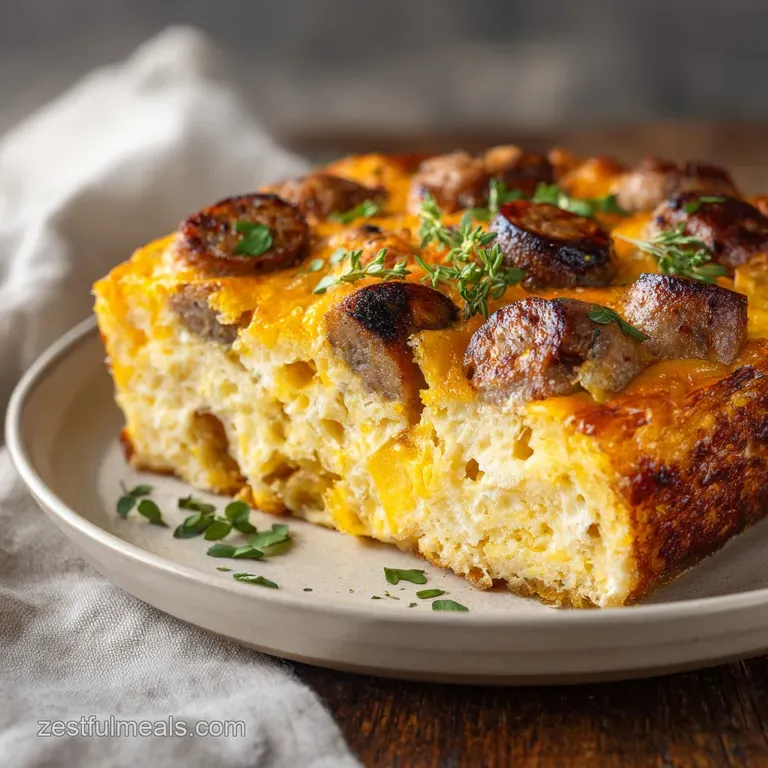
You don't need a professional kitchen, but a few specific items make this much easier. A large, heavy bottomed skillet- like a 12 inch cast iron- is non negotiable for browning the sausage. You want enough surface area so the meat sears rather than steams.
If the pan is too crowded, you won't get those crispy, browned bits that provide the deep umami flavor.
A high-quality 9x13 inch baking dish is your other essential. I prefer ceramic because it heats more slowly and evenly than metal, which protects the delicate eggs from curdling at the edges. You'll also need a large balloon whisk to get plenty of air into the egg and milk mixture.
This air creates tiny pockets that expand in the oven, giving the casserole its signature lift.
Chef's Tip: Freeze your block of cheddar for about 10 minutes before grating. It firms up the fats and prevents the cheese from clumping or turning into mush against the grater.
Mastering the Layering and Baking
1. Build the Savory Base
Start by placing your large skillet over medium high heat. Add the 1 lb ground pork breakfast sausage and break it apart with a wooden spoon. Cook for 8 minutes until browned and no longer pink. About halfway through, toss in the diced yellow onion.
The onion will cook in the rendered pork fat, becoming translucent and sweet. Add the minced garlic during the last 60 seconds to avoid burning it. Drain the excess grease, but leave a tiny bit for flavor.
2. Whisk the Custard
In a large mixing bowl, crack the 10 large eggs. Add the 2 cups whole milk and 0.5 cup sour cream. Use a vigorous whisking motion for 2 full minutes until the mixture is pale yellow and slightly foamy. This aeration is what makes the finished product so light.
Whisk in the dry mustard, smoked paprika, salt, and black pepper. Ensure there are no lumps of sour cream remaining.
3. Layer and Assemble
Grease your 9x13 baking dish generously with butter or non stick spray. Spread the 30 oz frozen hash browns in an even layer across the bottom. Don't pack them down too hard; you want the egg mixture to be able to seep into the gaps. Sprinkle the cooked sausage and onion mixture evenly over the potatoes.
Follow this with 1.5 cups of the shredded cheddar cheese.
4. Integrate the Liquid
Pour the egg custard slowly over the potato and meat layers. I usually start at the corners and work my way toward the center. Use a fork to gently poke the potatoes, ensuring the liquid reaches the very bottom of the dish.
Note: This prevents dry pockets of potato from forming during the bake. Let the dish sit on the counter for 5 minutes before it goes into the oven to allow the potatoes to hydrate.
5. Achieve the Mahogany Crust
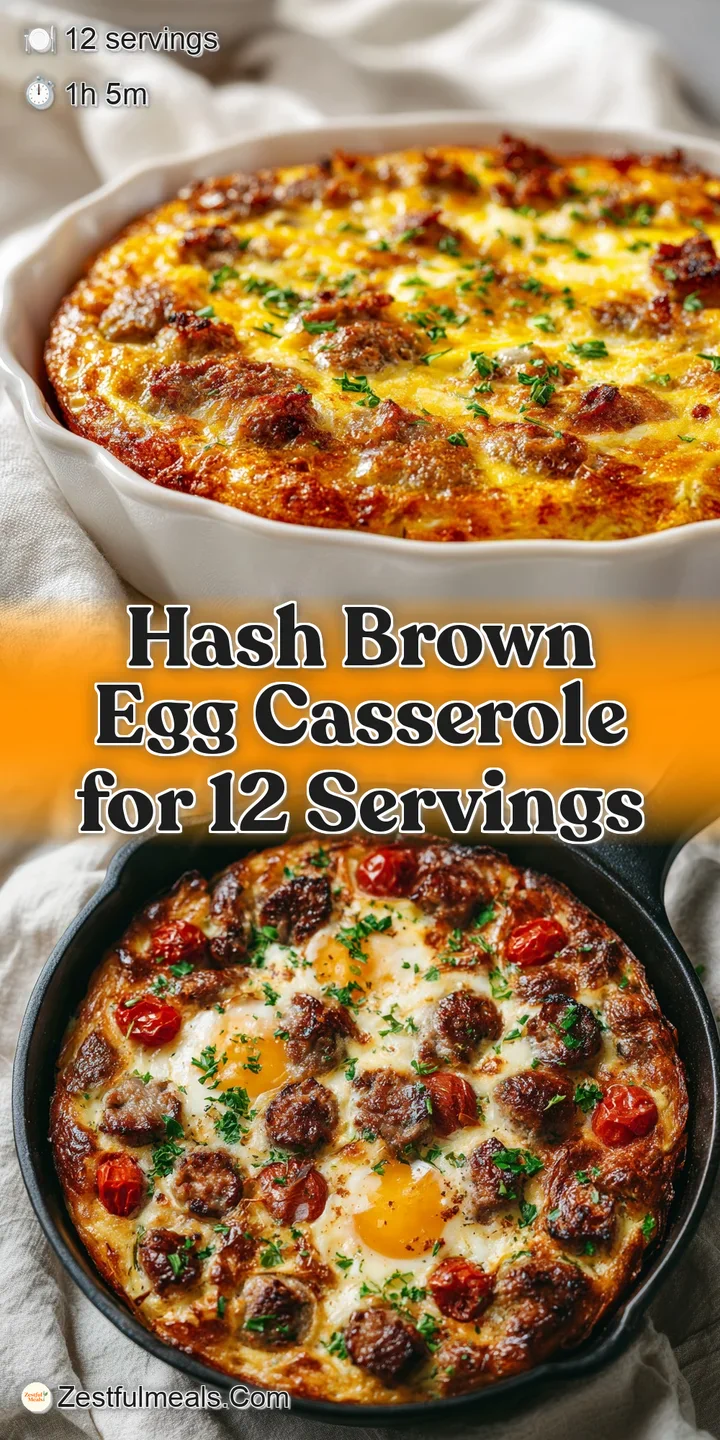
Place the dish in a preheated 350°F (180°C) oven. Bake for 40 minutes. At this point, the center should be mostly set but still have a slight jiggle. Remove the dish and sprinkle the remaining 1 cup of cheddar cheese over the top.
Return to the oven for another 10 minutes until the cheese is bubbling and golden brown.
6. The Final Rest
This is the hardest part, but you must let the casserole rest for at least 10 minutes before slicing. Note: This allows the internal steam to redistribute, which firms up the slices so they don't fall apart. Sprinkle the fresh chives over the top just before serving for a pop of color and a fresh bite.
Avoiding Common Breakfast Bake Failures
The most frequent complaint I hear is about a "watery" casserole. Usually, this happens because the onions weren't cooked long enough to release their moisture, or the hash browns were still icy when the liquid was poured over.
If you have time, let the hash browns sit on the counter for 20 minutes before assembling.
Fixing Common Sogginess Issues
If your bake seems a bit loose, it might be that the egg to dairy ratio was off. Always use "large" eggs; "medium" or "extra large" will change the hydration levels. Also, check your oven temperature with an external thermometer.
Many ovens run 25 degrees cold, which means the eggs never fully coagulate, leaving the center runny.
| Problem | Root Cause | Solution |
|---|---|---|
| Rubbery Eggs | Overbaking or too little fat | Pull from oven at 160°F; ensure you used whole milk. |
| Greasy Surface | Sausage not drained | Pat cooked sausage with paper towels before layering. |
| Mushy Potatoes | Packing them too tightly | Layer loosely to allow egg mixture to circulate. |
Common Mistakes Checklist
- ✓ Drain the sausage and onions thoroughly on a paper towel lined plate.
- ✓ Shred your own cheese to avoid the powdery anti clumping agents in bags.
- ✓ Don't skip the dry mustard; it’s the key to balancing the heavy fats.
- ✓ Allow the casserole to rest for 10 minutes post bake to ensure clean slices.
- ✓ Use a glass or ceramic dish for even heat distribution.
If you find yourself with extra eggs and want something bite sized, you might enjoy our Egg Bites Cooked recipe, which uses a similar custard base but in a muffin tin for portability. It's a great way to use up the leftover chives and cheddar too.
Simple Swaps for Dietary Needs
I know we all have that one friend who doesn't eat pork or needs to watch the dairy. The beauty of this Hash Brown Egg Casserole is how forgiving it is. You can swap the sausage for ground turkey or even a plant based crumble, provided you add a teaspoon of fennel seeds to mimic that "breakfast" flavor profile.
| Original Ingredient | Substitute | Why It Works |
|---|---|---|
| Pork Sausage | Ground Turkey + Sage | Leaner protein with a similar savory profile. |
| Whole Milk | Unsweetened Soy Milk | High protein content helps the eggs set similarly to dairy. |
| Sharp Cheddar | Pepper Jack | Adds a spicy kick without changing the melting point. |
If you're looking for a more decadent, dessert like egg dish for a holiday brunch, my Eggnog Flan Recipe is a fantastic contrast to this savory bake. It uses the same principles of egg coagulation but leans into the sweet, spiced side of the morning.
For a vegetarian version, swap the meat for 2 cups of sautéed mushrooms and spinach. Just make sure you cook the mushrooms until they are completely dry in the pan. Mushrooms are about 90% water, and if you don't cook that out first, your casserole will turn into a soup.
Storing Your Morning Leftovers Safely
This dish is a meal prepper's dream. It actually stays quite firm in the fridge and doesn't get that "weepy" texture some egg dishes do. You can store it in an airtight container for up to 4 days. When you're ready to eat, don't just microwave it on high.
Use 50% power for 2 minutes to keep the eggs from turning rubbery.
For long term storage, you can freeze individual slices. Wrap each slice tightly in plastic wrap and then a layer of foil. They will stay fresh for up to 2 months. To reheat from frozen, it’s best to let them thaw in the fridge overnight, then pop them in a toaster oven at 350°F (180°C) for about 10 minutes to crisp the potato edges back up.
The leftover scraps of onions or chives don't have to go to waste either. I usually throw them into a small jar of vinegar to make a quick pickled garnish for the next day's avocado toast. Zero waste and maximum flavor is the goal here.
Bright Pairings for Brunch Success
Because this dish is quite rich and savory, you really want something bright and acidic to balance the plate. A simple fruit salad with lime juice and mint works wonders. Or, if you want to keep the "diner" vibe going, some thick cut sourdough toast with a very tart jam is a great companion.
If you want X, do Y
- If you want more heat, add 1 tbsp of chopped canned jalapeños to the sausage mix.
- If you want a smokier flavor, swap the cheddar for smoked gouda.
- If you want it extra crispy, broil the top for the last 2 minutes of cooking.
This bake is a powerhouse of flavor, but it really shines when served alongside a hot cup of black coffee or a crisp mimosa. If you’re hosting a bigger event and need a secondary main, consider adding a sweet bake to the table.
The contrast between this salty potato dish and a sweet pastry is what brunch dreams are made of. Happy cooking!
Recipe FAQs
Can you put frozen hashbrowns in an egg casserole?
Yes, frozen hash browns are preferred. They release surface starch as they thaw, which creates a necessary structural lattice when bound with the egg proteins, preventing a dense or rubbery result.
What is John Wayne's casserole?
This casserole is related but distinct from the John Wayne Casserole. The John Wayne version typically features layers of biscuit dough, ground beef, cream of mushroom soup, and cheese, focusing more on a hearty, savory bake rather than a potato and-egg base.
What is in cowboy casserole?
Cowboy casserole often includes hash browns, eggs, cheese, and breakfast meats. It’s a generic term for a substantial, one-dish savory breakfast bake, much like this recipe, though sometimes it incorporates beans or corn for extra heartiness.
Do you put eggs in hash brown casserole?
Yes, eggs are the primary binding agent for this casserole. They create the custard that sets around the potatoes and sausage, providing the necessary structure to slice cleanly after baking.
How do I prevent my hash brown egg casserole from getting watery?
Ensure you cook out the moisture from your primary fillings first. If using sausage, drain the rendered fat thoroughly, and if adding vegetables like onions or mushrooms, cook them until completely softened and dry; if you enjoyed controlling the water content here, see how the same principle of evaporation reduction works in our Banana Brown Sugar recipe for baking.
How to get the top cheese crust golden brown?
Sprinkle the remaining cheese on for the final 10 minutes of baking. For maximum color, switch the oven to broil for the very last 2 minutes, watching constantly to prevent burning.
Is it true I must use room temperature eggs for this bake?
No, this is a common misconception. While room temperature eggs incorporate slightly smoother, using cold eggs is fine as long as you whisk them vigorously with the sour cream and milk for a full two minutes to ensure a stable emulsion.
Crispy Hash Brown Egg Casserole
Ingredients:
Instructions:
Nutrition Facts:
| Calories | 345 calories |
|---|---|
| Protein | 18.6 g |
| Fat | 21.7 g |
| Carbs | 15.8 g |
| Fiber | 1.4 g |
| Sugar | 2.9 g |
| Sodium | 591 mg |
