Crispy Roast Duck Recipe
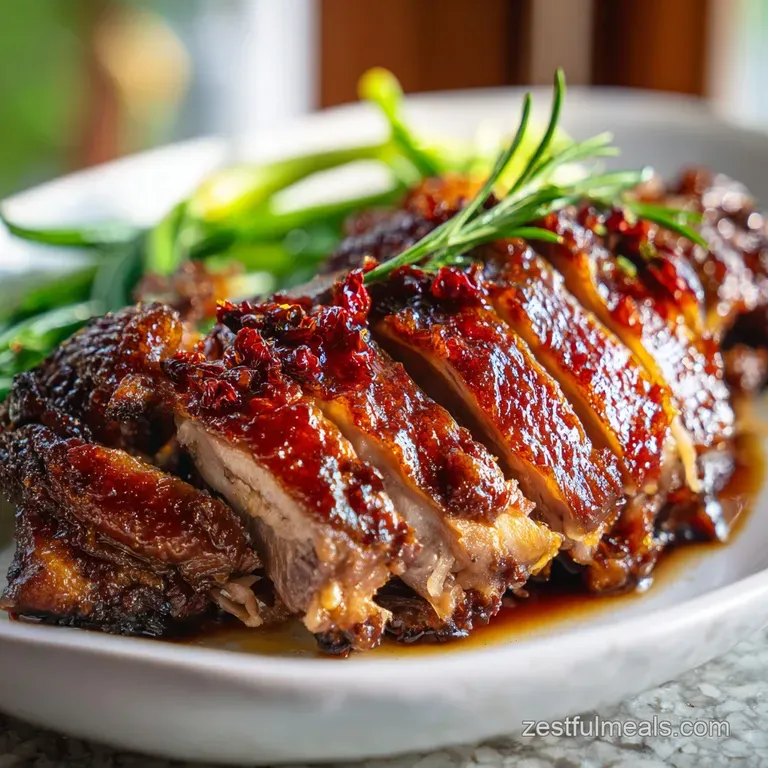
- Time: Active 30 minutes, Passive 2 hours 15 mins, Total 2 hours 45 mins
- Flavor/Texture Hook: Shatter crisp skin and velvety, citrus infused meat
- Perfect for: Sunday family dinners or a budget-friendly holiday center piece
- Why This Works
- Essential Recipe Specifications
- Sourcing Ingredients for Better Flavor
- Recommended Kitchen Equipment
- Step by Step Cooking Process
- Fixing Common Cooking Mistakes
- Exciting Recipe Flavor Variations
- Guide to Storage and Reheating
- Scaling the Recipe
- Kitchen Myths Debunked
- Smart Side Dish Pairings
- Very High in Sodium
- Recipe FAQs
- 📝 Recipe Card
Listen, I used to be terrified of roasting a whole duck. My first attempt was a greasy, smoky mess that left my kitchen smelling like a fast food fryer for a week. I thought you needed some high end rotisserie or a culinary degree to get it right.
But after a few trials (and one very sad, soggy bird), I realized the secret isn't fancy gear. It’s all about managing the fat and giving the skin a head start.
The first time I nailed it, the sound of the knife hitting that skin was like breaking a thin sheet of glass. The aroma of five spice and orange juice filled the house, and even my pickiest kid asked for thirds. It’s actually much easier than roasting a turkey because the duck is naturally more moist.
We’re going to use basic pantry staples to turn a grocery store bird into something that looks like it came from a professional kitchen.
You don't need to spend a fortune on "gourmet" ingredients either. We’re sticking to a budget friendly Pekin duck and using common aromatics like ginger and garlic to do the heavy lifting. If you can boil water and set a timer, you can do this. Let’s get that oven preheated and make some magic happen.
Why This Works
- Subcutaneous Fat Rendering: Pricking the skin allows the thick layer of fat to liquefy and escape, which fries the skin from the inside out for a flaky texture.
- The Scalding Tighten: Pouring boiling water over the raw bird denatures the proteins in the skin instantly, causing it to shrink and tighten, which is the first step toward that "shatter" crunch.
- Osmotic Drying: Rubbing salt into the skin draws out moisture through osmosis, ensuring there is no water left to steam the skin while it roasts.
- Sugar Glaze Caramelization: The honey and orange juice create a thin lacquer that undergoes the Maillard reaction, providing a deep mahogany color and a hint of sweetness.
| Cooking Method | Total Time | Skin Texture | Best For |
|---|---|---|---|
| Traditional Oven | 2 hours 15 mins | Extremely crispy | Feeding the whole family |
| Stovetop (Pieces) | 45 minutes | Medium crispy | Quick weeknight dinner |
| Air Fryer | 1 hours 10 mins | Very crispy | Small batches/Two people |
The oven method is definitely the way to go if you want that classic look. While the stovetop is faster for individual breasts, roasting the whole bird allows the juices to circulate, keeping everything much more tender. Plus, you get to keep all that liquid gold (duck fat) for roasting potatoes later!
Essential Recipe Specifications
When you're shopping, look for a Pekin duck around 5.5 lbs. These are the most common in US grocery stores and have a milder flavor that everyone in the family will love. Unlike wild ducks, these are bred for their fat content, which is exactly what we want for that crispy finish.
| Ingredient | Science Role | Pro Secret |
|---|---|---|
| Kosher Salt | Moisture extractor | Use coarse salt; it covers more surface area without over salting |
| Honey | Glazing agent | Brush it on in the last 15 minutes to prevent burning |
| Rice Vinegar | pH Balancer | The acid cuts through the richness of the fat |
| Star Anise | Aromatic depth | Tuck these deep in the cavity so the steam carries the scent |
I’ve found that using star anise is a total game changer. It gives the meat a subtle, professional tasting base note that makes people think you spent all day on it. If you've enjoyed the flavors in my Char Siu Chicken recipe, you'll recognize that same savory sweet balance here.
Sourcing Ingredients for Better Flavor
Gather these items before you start. Make sure your ginger is fresh and firm, not shriveled, for the best aromatic punch.
- 1 whole Pekin duck (5.5 lbs / 2.5 kg): Why this? The fat to meat ratio is ideal for roasting. (Sub: Whole goose, but increase time)
- 2 tbsp Kosher salt: Why this? Larger crystals help scrub the skin. (Sub: Sea salt)
- 1 tsp Five Spice Powder: Why this? Provides that classic warmth. (Sub: Cinnamon and clove mix)
- 3 inch piece of Fresh Ginger, smashed: Why this? Neutralizes "gamey" odors. (Sub: 1 tsp ground ginger)
- 4 cloves Garlic, crushed: Why this? Flavor base. (Sub: Garlic powder)
- 3 Scallions, bundled: Why this? Adds fresh onion notes. (Sub: Half a yellow onion)
- 2 Star Anise pods: Why this? Essential for depth. (Sub: Fennel seeds)
- 3 tbsp Honey: Why this? Creates the glossy sheen. (Sub: Maple syrup)
- 0.25 cup Fresh Orange Juice: Why this? Acid cuts the fat. (Sub: Pineapple juice)
- 2 tbsp Soy Sauce: Why this? Salt and umami. (Sub: Tamari)
- 1 tbsp Rice Vinegar: Why this? Brightness. (Sub: Apple cider vinegar)
Recommended Kitchen Equipment
You don't need a lot of gear, but a roasting pan with a rack is non negotiable. If you don't have one, the duck will sit in its own fat and the bottom will get soggy. A simple wire rack set inside a large baking sheet works in a pinch.
I also highly recommend a clean needle or a very sharp skewer. You'll use this to prick the skin. Just be careful not to pierce the meat itself! If you pierce the meat, the juices leak out and steam the skin from the inside, which is exactly what we want to avoid. If you're used to the setup for my Baked Chicken Wings recipe, you know that airflow is everything when you want a crunch.
step-by-step Cooking Process
For a Shattering Crust
- Prep the duck. Remove the giblets and trim any excess fat from the neck and cavity. Pat the skin bone dry with paper towels.
- Scald the skin. Place the duck on a rack in the sink. Pour a kettle of boiling water over the whole bird. Note: You'll see the skin tighten and turn slightly translucent immediately.
- Prick the skin. Use a needle to prick the skin all over, focusing on the fatty areas around the legs and breast. Go in at an angle to stay in the fat layer.
Aromatic Cavity Preparation
- Season the inside. Rub the Five Spice Powder and half the salt inside the cavity.
- Stuff the aromatics. Push the ginger, garlic, scallions, and star anise into the duck. Tie the legs together with kitchen twine.
- Apply the salt rub. Rub the remaining salt all over the outside. Let it sit in the fridge uncovered for at least 1 hour (or up to 24).
Phase 3: The Roast
- Start the roast. Preheat your oven to 350°F (180°C). Place the duck breast side up on the roasting rack.
- Initial bake. Roast for 1 hour 30 mins. The skin will begin to turn golden and the fat will collect in the pan.
- Glaze the bird. Mix the honey, orange juice, soy sauce, and vinegar. Brush half onto the duck.
- Final crisp. Increase heat to 400°F (200°C). Bake for another 30-45 mins until the skin is dark mahogany and crackling.
- Rest. Let it sit for 15 minutes before carving. Note: This keeps the meat juicy.
Fixing Common Cooking Mistakes
If the Skin Isn't Crisping
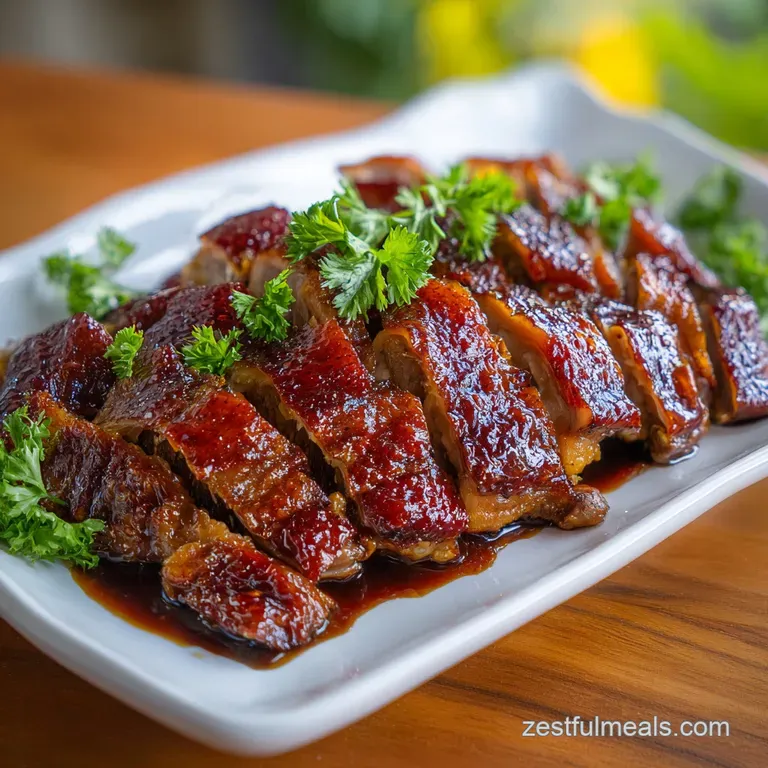
This usually happens because there's still too much moisture. If you reach the last 20 minutes and it looks pale, crank the heat. Don't be afraid of a little smoke; that's just the fat rendering out.
Make sure your oven is actually hitting the right temperature using an oven thermometer if you have one.
To Prevent a Smoky Kitchen
Duck fat has a lower smoke point than vegetable oil. If your roasting pan is getting too smoky, carefully pour out the rendered fat halfway through the cooking process. You can also add a cup of water to the bottom of the roasting pan (under the rack) to keep the dripping fat from burning.
| Problem | Root Cause | Solution |
|---|---|---|
| Soggy bottom | No airflow | Always use a rack; never let the bird sit in its juices |
| Burnt glaze | Sugar applied too early | Only apply the honey glaze in the final 30-45 mins |
| Tough meat | Under rendered fat | Ensure you prick the skin well to let the fat escape |
- ✓ Pat the duck completely dry before any salt or spices touch it.
- ✓ Ensure the water is truly boiling when you do the initial scald.
- ✓ Prick at an angle to avoid hitting the meat and losing juices.
- ✓ Use a meat thermometer to check for 165°F in the thickest part of the thigh.
- ✓ Don't skip the resting period; the juices need time to redistribute.
Exciting Recipe Flavor Variations
For a Classic Roast Duck Recipe Christmas
Replace the orange juice with pomegranate juice and add a sprig of fresh rosemary to the cavity. The deep red color of the pomegranate glaze looks stunning on a holiday table. It pairs beautifully with mashed potatoes and braised red cabbage.
The "Roast Duck Recipe Easy" Weeknight Shortcut
If you don't have time for the scald and air dry, you can skip to the pricking and roasting. It won't be quite as "shatter crisp," but it will still be a great meal. Just make sure to roast it at a consistent 375°F (190°C) for about 2 hours total.
Guide to Storage and Reheating
- Fridge
- Store leftovers in an airtight container for up to 3 days. The meat stays moist, but the skin will lose its crunch.
- Freezer
- You can freeze the cooked meat (off the bone) for up to 2 months. I don't recommend freezing the whole carcass as it takes up too much room and the skin becomes rubbery.
- Reheating
- To get that crunch back, use an air fryer at 350°F (180°C) for 5 minutes. If using an oven, place it on a rack at 400°F (200°C) until the skin sizzles again. Avoid the microwave unless you don't mind soft skin!
Zero Waste Tip: Do not throw away the carcass! Put the bones in a pot with water, a bit of celery, and carrot. It makes the most incredible broth for a Beef Barley Soup recipe or a simple noodle soup. And that rendered duck fat? Filter it through a coffee filter and keep it in a jar in the fridge. Use it to fry eggs or roast potatoes - it's culinary gold.
Scaling the Recipe
Scaling Down: If you’re only cooking for two, you can buy duck legs instead of a whole bird. Reduce the roasting time to about 1 hour 15 mins total and use half the glaze. The technique of pricking and salting remains the same.
Scaling Up: If you're making two ducks for a large crowd, ensure there is at least 3 inches of space between the birds on the rack. If they are too close, they will steam each other and the skin won't get crispy.
You may need to increase the final over high heat roasting time by 10 minutes.
Budget Scaling Secrets
- Servings: 4 People | Ingredient: 1 Duck | Savings: Use leftover fat for 3 more meals.
- Servings: 8 People | Ingredient: 2 Ducks | Savings: Buy frozen ducks in bulk; they are often 30% cheaper.
Kitchen Myths Debunked
One big myth is that you need to "score" the duck like a ham. Scoring involves cutting through the skin in a diamond pattern. While this works for duck breasts on a pan, for a whole roast bird, it often leads to the meat drying out because the cuts are too deep.
Pricking with a needle is much more effective for a whole bird.
Another common misconception is that duck is "too fatty" to be healthy. Most of that fat renders out during this roasting process. What you're left with is a protein rich meat that has a similar nutritional profile to dark meat chicken, but with much more flavor.
Smart Side Dish Pairings
To cut through the rich, savory fat of the duck, you need something bright or acidic. A simple cucumber salad with rice vinegar is my go to. If you want something heartier, roasted root vegetables are a perfect match because they can cook in the oven right alongside the duck (just put them in a separate pan on a lower rack).
If you're looking for a different kind of roast for another night, this technique of managing fat and temperature is very similar to what I use in my Eye of Round Roast recipe. Both require a bit of patience but offer a huge payoff for the family. Trust me, once you hear that first crunch of the duck skin, you’ll be hooked on this method!

Very High in Sodium
1840 mg mg of sodium per serving (80% of daily value)
The American Heart Association recommends limiting sodium intake to about 2,300mg per day for most adults.
Tips to Reduce Sodium in Your Pekin Duck Recipe
-
Reduce Salt-25%
Cut the amount of Kosher salt in half. This recipe uses 2 tablespoons, which is a significant contributor to the sodium content. Reducing it to 1 tablespoon will noticeably lower the overall sodium while still allowing for seasoning. Aim for using 1 tbsp of Kosher salt instead of 2.
-
Low-Sodium Soy Sauce-20%
Replace regular soy sauce with a low-sodium version. This simple swap can significantly reduce the sodium content without compromising the flavor profile of your dish. Use only low-sodium soy sauce.
-
Reduce Honey-15%
Reduce the Honey by half, this will balance the favors with the reduction of salt and the low-sodium soy sauce. Aim for using 1.5 tbsp of Honey instead of 3 tbsp
-
Enhance with Orange-10%
Increase the amount of fresh orange juice. The natural sweetness and acidity can balance the flavor if there are reductions in honey. Aim for using 0.5 cup of Fresh Orange Juice instead of 0.25 cup
-
Flavor Boost
Experiment with fresh herbs and spices like ginger, garlic, scallions, and five spice powder to enhance the flavor. This will help compensate for the reduced sodium without sacrificing taste, and can add aromatic notes.
Recipe FAQs
What is the best way to roast duck?
Scald the skin, dry it thoroughly, and roast over a rack. Pouring boiling water over the raw bird tightens the skin instantly, which is crucial for achieving the classic crackling texture.
What's the best temperature to bake a duck?
Start at 350°F (175°C) and finish at 400°F (200°C). The lower initial temperature renders the fat slowly, and the final high heat blast crisps the skin quickly without overcooking the interior meat.
What seasoning is good on duck?
A combination of salty, sweet, and aromatic spices works best. Use kosher salt liberally, then incorporate five spice powder, ginger, and garlic both inside and outside the bird.
What are common mistakes when roasting duck?
Not pricking the skin thoroughly is the biggest error. If the thick layer of fat cannot escape through small punctures, the skin will steam and remain soggy instead of crisping.
Is it true you must use a glaze to get a dark, shiny color?
No, this is a common misconception. While sugar helps achieve a glossy, mahogany finish, simply roasting until fully cooked at a high temperature will brown the skin; however, applying honey late prevents scorching.
How to ensure the duck meat stays moist while crisping the skin?
Render the fat out slowly before hitting the final high heat phase. Mastering the balance of fat removal and internal moisture retention is key; if you enjoyed learning about fat rendering here, see how the same principle works in our Savory Ground Beef recipe for a different protein.
How to carve a whole roast duck efficiently?
Remove the legs and wings first by cutting along the breast bone joint. After separating the limbs, slice the breast meat off the carcass on a slight angle, moving toward the backbone for clean cuts.
Crispy Roast Duck Recipe
Ingredients:
Instructions:
Nutrition Facts:
| Calories | 718 kcal |
|---|---|
| Protein | 42.1 g |
| Fat | 52.4 g |
| Carbs | 15.6 g |
| Fiber | 0.7 g |
| Sugar | 13.8 g |
| Sodium | 1840 mg |
