Easy Chicken and Rice Recipe: One Pan Dinner
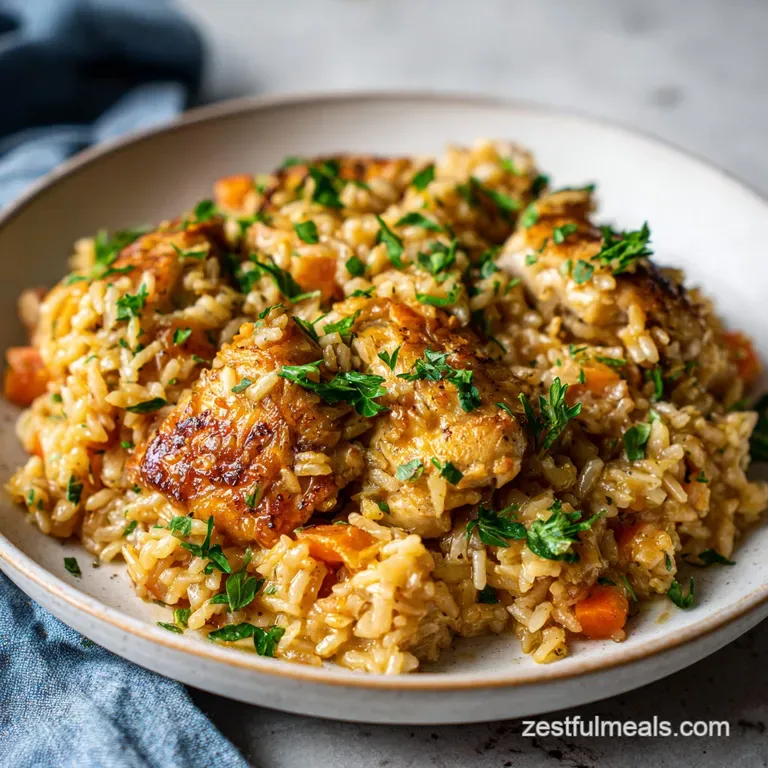
- Time: Active 10 mins, Passive 20 mins, Total 30 mins
- Flavor/Texture: Savory, buttery rice with velvety chicken
- Perfect for: Busy weeknights and budget-friendly family meals
Master This Easy Chicken and Rice Recipe
The sizzle of chicken tenderloins hitting a hot, buttery pan is basically the theme song of my Tuesday nights. I remember the first time I tried making a version of this years ago, and honestly, it was a disaster. I ended up with a pot of gummy, gray mush that even the dog looked at with suspicion.
I realized then that I was treating the rice like an afterthought, just boiling it in liquid and hoping for the best.
But here is the thing: once you learn to treat those little grains of rice with a bit of respect, everything changes. This easy chicken and rice recipe is the result of all those soggy failures. It is about that specific moment when the dry rice hits the melted butter and starts to smell nutty, almost like popcorn.
That is the aroma of a dinner that everyone is going to ask for seconds of, and it is a far cry from the bland casseroles I grew up eating.
We are going to skip the heavy canned soups and the complex marinades. This is about using simple pantry staples to create something that feels like a hug in a bowl. Whether you are dealing with picky toddlers or a partner who "isn't that hungry" (until they smell the garlic), this dish delivers.
It is a reliable, one pan easy chicken supper that has saved my sanity more times than I can count.
The Science of Fluffy Grains
- Starch Gelatinization Control: Toasting the dry rice in butter creates a fat barrier around each grain, which limits the amount of starch that escapes into the liquid, preventing a gummy texture.
- The Maillard Reaction: Searing the chicken tenderloins at a high temperature creates a golden crust of amino acids and sugars, which provides the base savory flavor for the entire pot.
- Hygroscopic Balance: Using exactly 2.5 cups of chicken stock for 1.5 cups of rice ensures the grains absorb enough moisture to soften without becoming waterlogged or mushy.
| Protein Thickness | Internal Temp | Rest Time | Visual Cue |
|---|---|---|---|
| 1/2 inch (Tenderloins) | 165°F | 3 mins | Opaque, juices run clear |
| 1 inch (Breast) | 165°F | 5 mins | No pink in the thickest part |
| 1.5 inches (Thighs) | 175°F | 5 mins | Meat pulls away from bone/fat |
When you are looking for a quick turnaround, using chicken tenderloins is a strategic move. Because they are smaller and thinner than a full breast, they cook through rapidly without drying out. This timing is crucial because you want the chicken and the rice to reach their finish line at the exact same moment.
Component Role Analysis
| Ingredient | Science Role | Pro Secret |
|---|---|---|
| Long grain white rice | Structural base | Rinse until the water is clear to remove excess surface starch. |
| Chicken tenderloins | Protein source | Pat them bone dry with paper towels to ensure a proper sear. |
| Unsalted butter | Fat and emulsifier | Use butter instead of oil for a richer, velvety mouthfeel in the rice. |
| Chicken stock | Hydration | Use low sodium stock so you can control the salt levels yourself. |
A quick tip from my kitchen to yours: if you find yourself wanting to change things up, this method is surprisingly flexible. For instance, if you enjoy the flavors here, you might also like the technique in this Mu Shu Chicken recipe which also focuses on quick cooking protein. Both recipes rely on getting the temperature right from the very start.
Essential Ingredients and Substitutes
- 1.25 lbs chicken tenderloins: These are the "easy button" for weeknight cooking. Why this? They cook fast and remain tender without much effort.
- Substitute: Boneless skinless chicken thighs (cut into strips). Note: These will take about 2-3 minutes longer to sear.
- 1.5 cups long grain white rice: Provides the fluffy, distinct texture we need. Why this? High amylose content keeps grains separate.
- Substitute: Jasmine rice. Note: Use slightly less liquid (reduce stock by 1/4 cup) as jasmine is softer.
- 2.5 cups low sodium chicken stock: The flavor engine of the dish. Why this? Infuses the rice with deep savory notes.
- Substitute: Vegetable broth or water with a bouillon cube.
- 1 small yellow onion, finely diced: Adds sweetness and depth.
- Substitute: Shallots or the white parts of green onions.
- 2 tbsp unsalted butter: Used for sautéing and adding richness.
- Substitute: Avocado oil or olive oil for a dairy-free version.
- 3 cloves garlic, minced: Essential for that classic home cooked aroma.
- Substitute: 1 tsp garlic powder (if you are in a massive rush).
- 1 tsp smoked paprika: Adds color and a hint of earthiness.
- Substitute: Sweet paprika or a pinch of cumin.
- 1 tsp garlic powder: Double down on the savory profile.
- 0.5 tsp kosher salt & 0.5 tsp cracked black pepper: Basic seasoning.
- 0.5 cup frozen peas: Adds a pop of color and sweetness.
- Substitute: Chopped spinach or small broccoli florets.
- 1 tbsp fresh parsley, chopped: For a bright, fresh finish.
- 1 lemon, cut into wedges: The acid cuts through the richness of the butter.
| Fresh Ingredient | Shortcut Alternative | Flavor Impact |
|---|---|---|
| Fresh garlic cloves | Jarred minced garlic | Slightly more acidic, less pungent. |
| Fresh yellow onion | Frozen diced onions | Softer texture, saves 5 mins prep. |
| Fresh parsley | Dried parsley | Less "green" flavor, use 1/3 the amount. |
If you are looking to expand your weeknight rotation after trying this, I highly recommend checking out this Chicken Skewers Recipe. It uses a similar seasoning profile but offers a different texture that's great for dipping. It's another one of those dinners with chicken and rice vibes that my family loves.
Simple Preparation Steps
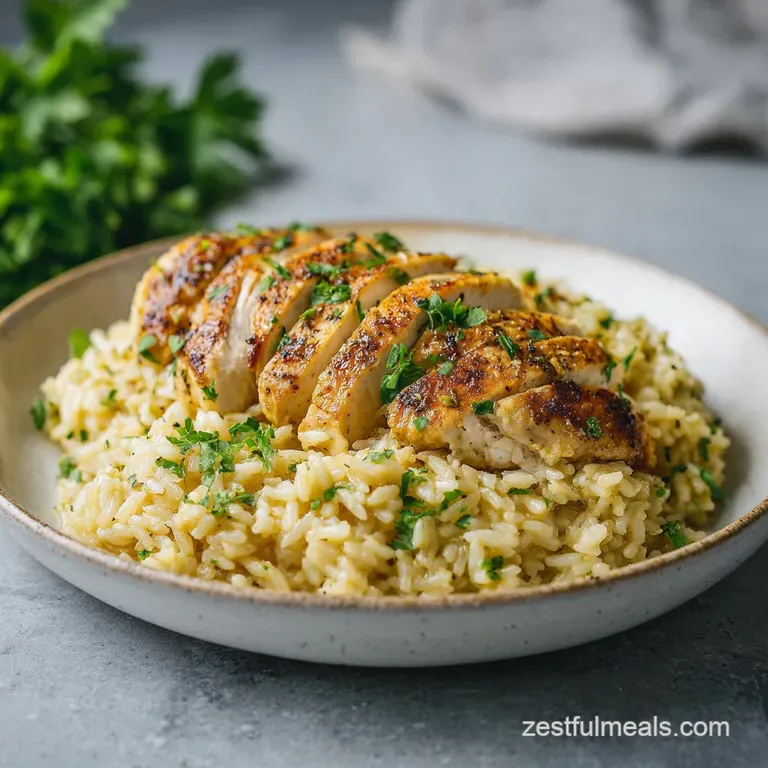
- Season the chicken. Rub the 1.25 lbs chicken tenderloins with the smoked paprika, garlic powder, salt, and pepper until they are fully coated. Note: This creates a dry rub that browns beautifully in the pan.
- Sear the protein. Heat a large skillet over medium high heat with a splash of oil and sear the chicken for 3 minutes per side until a golden crust forms. Remove the chicken and set it aside on a plate; it will finish cooking later.
- Sauté the aromatics. Lower the heat to medium and melt the 2 tbsp unsalted butter. Toss in the diced onion and sauté for 4 minutes until translucent and soft.
- Add the garlic. Stir in the 3 minced garlic cloves and cook for about 30 seconds until the aroma fills the kitchen. Don't let it brown or it will turn bitter.
- Toast the rice. Add the 1.5 cups long grain white rice to the buttery onions. Stir constantly for 2 minutes until the edges of the rice look translucent.
- Introduce the liquid. Pour in the 2.5 cups chicken stock. Use a wooden spoon to scrape up any browned bits from the bottom of the pan that's where the flavor lives!
- Simmer the base. Bring the liquid to a boil, then immediately turn the heat down to low.
- Nestle the chicken. Place the seared chicken tenderloins (and any juices from the plate) back into the skillet on top of the rice. Cover the pan with a tight fitting lid.
- Cook and steam. Let everything simmer for 15 to 18 minutes until the liquid is fully absorbed. Turn off the heat and let it sit, covered, for 5 minutes.
- Final touches. Stir in the 0.5 cup frozen peas (the residual heat will cook them) and fluff the rice with a fork. Sprinkle with fresh parsley and serve with lemon wedges.
Troubleshooting Common Glitches
My Rice Is Still Crunchy
This usually happens if the heat was too high, causing the liquid to evaporate before the rice could soften, or if the lid wasn't tight enough. If the rice is still hard after the allotted time, add 1/4 cup of warm stock, cover it tightly, and let it steam on the lowest setting for another 5 minutes.
The Bottom Is Burnt
This is often a result of using a thin bottomed pan or having the burner heat too high during the simmer phase. To avoid this, use a heavy skillet like a cast iron or a Dutch oven. If it already happened, don't stir the burnt part! Serve from the top and leave the scorched bits behind.
| Problem | Root Cause | Solution |
|---|---|---|
| Gummy Rice | Too much stirring or unrinsed rice | Rinse rice until clear; don't touch it while simmering. |
| Dry Chicken | Overcooked during the initial sear | Only sear for color; let the steaming phase do the cooking. |
| Bland Flavor | Lack of salt or low quality stock | Season every layer and use the lemon wedges at the end. |
Common Mistakes Checklist
- ✓ Rinsing the rice: Skipping this leads to a sticky, starchy mess.
- ✓ Using a tight lid: If steam escapes, the rice won't cook evenly.
- ✓ The resting period: Those 5 minutes of off heat steaming are mandatory for the perfect texture.
- ✓ Peeking: Resist the urge to lift the lid; every time you do, you lose the heat and steam required for the rice.
- ✓ Patting chicken dry: Wet chicken steams instead of searing, meaning you lose that golden crust.
Recipe Scaling Methods
If you are cooking for a larger crowd, you can easily double this recipe. Use a larger pot, such as a 5 quart Dutch oven, to ensure the rice has enough room to expand. Keep the spices at 1.5x the original amount rather than a full double to avoid overpowering the dish, and ensure your liquid ratio remains precise.
For a smaller household, you can halve the ingredients. When halving, use a smaller 8 inch skillet so the liquid depth is sufficient to cover the rice. The cooking time usually stays the same because the volume of rice per square inch of the pan remains similar.
Chef's Tip: If you are making this for a "healthy easy chicken supper," you can swap half the white rice for riced cauliflower. Just add the cauliflower in the last 5 minutes of cooking so it doesn't turn to mush!
Widespread Cooking Myths
One common myth is that you must "seal in the juices" by searing the chicken. In reality, searing is all about the Maillard reaction creating flavor and texture. The moisture stays in the chicken because we finish it gently by steaming it on top of the rice, not because the crust "sealed" it.
Another misconception is that all long grain rice needs a 2:1 water to rice ratio. In a covered skillet where less evaporation occurs, a 2:1 ratio often leads to mushy rice. This easy recipe with chicken tenderloins uses a slightly lower ratio (about 1.6:1) to account for the moisture released by the chicken and the tight lid.
Storage and Waste Reduction
This dish stores beautifully in the fridge for up to 3 days. To reheat, add a tiny splash of water or stock to the bowl before microwaving; this creates steam that revives the rice and keeps the chicken from turning rubbery. You can also freeze this meal for up to 2 months.
Just make sure it is completely cool before sealing it in an airtight container to prevent ice crystals.
For a zero waste approach, don't throw away those lemon rinds! After you’ve squeezed the juice over your dinner, you can toss the rinds into a pot of simmering water with a cinnamon stick to make your kitchen smell incredible.
If you have leftover rice but no chicken, it makes a brilliant base for a quick fried rice the next day with whatever veggies are lingering in your crisper drawer. This easy recipe with chicken breast and rice components really is the gift that keeps on giving.

Recipe FAQs
What can I make with chicken and rice easily?
A one-pan, savory, seasoned chicken and rice dish. This classic pairing is ideal for busy weeknights because it requires minimal active cooking time and uses simple pantry staples for maximum flavor.
What is a good way to flavor up some chicken and rice?
Use smoked paprika, toast the dry rice in butter, and finish with fresh acid. Toasting the rice adds nuttiness, paprika provides color and depth, and a squeeze of fresh lemon cuts through the richness beautifully.
Can you cook raw chicken and uncooked rice together in the same pan?
Yes, but sequence is critical for texture. Sear the chicken first to build flavor and remove it, then toast the rice, and finally, nestle the partially cooked chicken back on top to steam the rice.
What are some common mistakes in chicken and rice?
The most common mistake is stirring the rice while it simmers, leading to gummy texture. You must also avoid peeking under the lid, which releases the steam necessary to cook the grains evenly.
How do I ensure my chicken stays moist when paired with simmering rice?
Sear the chicken quickly only until browned, then let it finish steaming on top of the rice. The low, moist heat of the covered pot prevents drying out the protein, much like wrapping meat before roasting.
What liquid ratio is best for fluffy, separated rice?
Aim for a 1.6:1 ratio of liquid to rice volume for skillet cooking. Because the pan is covered, you need less liquid than boiling, which keeps the grains from becoming waterlogged.
If I wanted a variation using more robust flavors, what should I try next?
Try adding ginger and soy sauce to the stock for an Asian inspired profile. If you master the technique of searing the protein quickly here, you'll find that same skill applies when you try our Teriyaki Chicken Broccoli recipe for amazing flavor.
Easy Chicken Rice 30 Min
Ingredients:
Instructions:
Nutrition Facts:
| Calories | 492 kcal |
|---|---|
| Protein | 39.6 g |
| Fat | 8.4 g |
| Carbs | 61 g |
| Fiber | 1.9 g |
| Sugar | 2.1 g |
| Sodium | 448 mg |
