Easy Chicken Tikka Masala Recipe
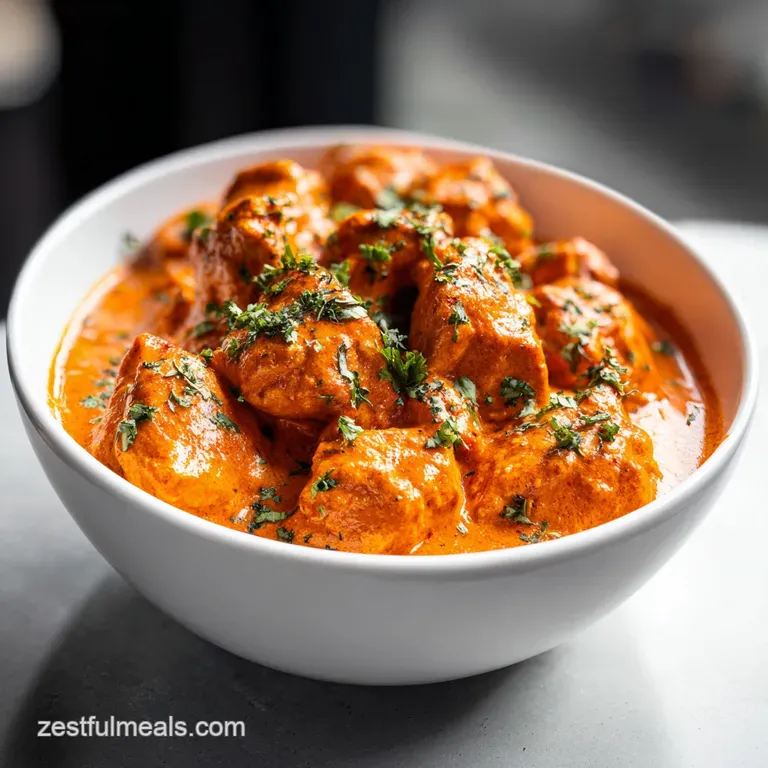
- Time: Active 20 minutes, Passive 30 minutes, Total 50 minutes
- Flavor/Texture Hook: Silky tomato cream with charred, tender chicken
- Perfect for: Busy weeknights and budget-friendly family dinners
- Mastering My Simple Chicken Tikka Masala Recipe
- Secrets to a Balanced Sauce
- Essential Pantry Staples Required
- Kitchen Gear for Easy Cooking
- Step-by-Step Cooking Process
- Solving Kitchen Hiccups Fast
- Variations for Every Family
- Storage and Freshness Tips
- Perfect Pairings for Supper
- Simple Scaling Guidelines
- Debunking Kitchen Myths
- Recipe FAQs
- 📝 Recipe Card
Mastering My Simple Chicken Tikka Masala Recipe
The first time I tried making this for my kids, the kitchen smelled like a dream before I even turned on the stove. There is something about the aroma of fresh lemon juice hitting ginger garlic paste that just wakes up the senses.
I used to think this dish was too complex for a Tuesday night, but after a few failed, watery attempts, I learned that the secret isn't a long list of fancy tools, it is all about how you treat the spices.
When that marinated chicken hits the ghee in the pan, you get this incredible sizzle that lets you know the flavor is locking in. I’ve realized that using boneless thighs instead of breasts is a total win for the family budget, and they stay much juicier even if the kids distract me for a minute or two.
We are going for that specific restaurant style depth but with ingredients you can actually find at the local grocery store.
You'll love how the heavy cream swirls into the tomato puree, turning a sharp orange into a soft, inviting sunset hue. It’s the kind of meal where everyone scrapes their plate clean, and honestly, that is the biggest win for any home cook. Let’s get into the details so you can get this on the table tonight.
Secrets to a Balanced Sauce
Acidic Tenderizing: The lactic acid in Greek yogurt breaks down tough muscle fibers in the chicken, making it tender enough to pull apart with a fork.
Maillard Reaction: Searing the chicken at high heat creates a browned crust that provides a savory base for the entire curry.
Fat Soluble Spices: Toasting the garam masala and turmeric in ghee releases essential oils that wouldn't activate in water or cream alone.
Emulsification Stability: Adding the heavy cream at the very end prevents it from curdling when meeting the acidic tomato base.
| Thickness of Chicken | Internal Temp | Rest Time | Visual Cue |
|---|---|---|---|
| 1 inch pieces | 165°F | 3 mins | No pink remains in center |
| 1.5 inch pieces | 165°F | 5 mins | Juices run clear when pressed |
| Shredded strips | 165°F | 2 mins | Edges look slightly charred |
Choosing the right cooking method depends on how much time you have. While the stovetop is my go to for speed, using the oven can help you manage a larger batch for meal prep. It is similar to how we plan our Chicken and Rice recipe to save time on busy evenings.
| Cooking Method | Prep Effort | Texture Result | Best For |
|---|---|---|---|
| Stovetop | Medium | Charred and juicy | Authentic flavor and speed |
| Oven Roasting | Low | Evenly tender | Large batches/Less cleanup |
Essential Pantry Staples Required
| Component | Science Role | Pro Secret |
|---|---|---|
| Full Fat Yogurt | Meat Tenderizer | Use Greek yogurt for a thicker, non watery marinade |
| Ginger Garlic Paste | Aromatic Base | Sauté until the raw smell disappears to avoid bitterness |
| Tomato Puree | Acidic Body | Use canned puree for a silky texture without skin or seeds |
| Ghee | over High heat Fat | Its high smoke point allows for a better sear than butter |
To get the most out of your Chicken and Broccoli recipe or this curry, always ensure your spices are fresh. Old cumin or coriander can make a dish taste dusty instead of vibrant.
For Ultra Tender Chicken
Use 1.5 lbs boneless, skinless chicken thighs, cut into 1 inch pieces. Why this? Thighs have more fat and flavor than breasts. Substitute: Chicken breast (note: cook 2 minutes less to avoid drying out).
For the Chicken Tikka Marinade
Combine 1/2 cup plain Greek yogurt (full fat), 1 tbsp fresh lemon juice, 1 tbsp ginger garlic paste, 1 tsp garam masala, 1 tsp ground turmeric, 1 tsp ground cumin, 1 tsp Kashmiri red chili powder, and 1 tsp salt.
Why this? Kashmiri chili provides color without too much heat. Substitute: Regular chili powder mixed with a pinch of paprika.
For the Masala Sauce
You will need 2 tbsp ghee, 1 large yellow onion (finely diced), 1 tbsp ginger garlic paste, 1.5 cups tomato puree, 1.5 tsp garam masala, 1 tsp ground turmeric, 1 tsp ground coriander, 1 tsp smoked paprika, 1/2 cup heavy cream, and 1 tsp sugar.
Why this? Sugar balances the sharp acidity of the tomatoes. Substitute: Coconut milk instead of heavy cream for a dairy-free twist.
For the Finishing Touches
Grab 1/4 cup fresh chopped cilantro and the juice of 1/2 lime. Why this? Fresh acid brightens the heavy cream base. Substitute: Fresh parsley if you are one of those people who think cilantro tastes like soap.
Kitchen Gear for Easy Cooking
Having a heavy bottomed pan, like a cast iron skillet or a Dutch oven, is a game changer here. It holds heat consistently, which is exactly what you need to get that signature char on the chicken pieces without boiling them in their own juices.
If you use a thin pan, the temperature drops the second the cold meat hits it, and you’ll end up with gray, tough chicken instead of golden brown bites.
You will also want a sturdy whisk for incorporating the heavy cream and a silicone spatula to scrape up all those browned bits (the fond) from the bottom of the pan. Those bits are concentrated flavor gold!
If you are planning to serve this with rice, a simple rice cooker or a tight fitting pot is essential to keep the grains fluffy while the sauce simmers.
step-by-step Cooking Process
- Marinate chicken. Combine the yogurt, lemon juice, half the ginger garlic paste, and the specified spices in a bowl with the chicken. Note: Marinating for at least 20 minutes is vital for tenderness.
- Preheat pan. Melt 1 tbsp of ghee in a large skillet over medium high heat until shimmering and hot.
- Sear chicken. Add chicken in a single layer and cook for 3 minutes per side until deeply browned and charred. Note: Don't crowd the pan; work in batches if needed.
- Sauté aromatics. Remove chicken, add the remaining ghee and onions, cooking for 5 minutes until translucent and soft.
- Add aromatics. Stir in the remaining ginger garlic paste and cook for 1 minute until fragrant and pungent.
- Toast spices. Add the remaining garam masala, turmeric, coriander, and smoked paprika, stirring for 30 seconds until the oils release.
- Simmer sauce. Pour in the tomato puree and sugar, then simmer for 10 minutes until the sauce thickens and darkens.
- Cream finish. Lower the heat and stir in the heavy cream and cooked chicken.
- Marry flavors. Simmer for another 5 minutes until the sauce is velvety and bubbling.
- Final touch. Stir in the lime juice and cilantro just before serving.
| Original Ingredient | Substitute | Why It Works |
|---|---|---|
| Ghee (2 tbsp) | Neutral Oil (2 tbsp) | High smoke point, though you lose the buttery flavor |
| Heavy Cream (1/2 cup) | Coconut Milk (1/2 cup) | Provides similar fat content. Note: Adds a subtle tropical flavor |
| Tomato Puree (1.5 cups) | Crushed Tomatoes (1.5 cups) | Similar acidity but results in a chunkier sauce |
Solving Kitchen Hiccups Fast
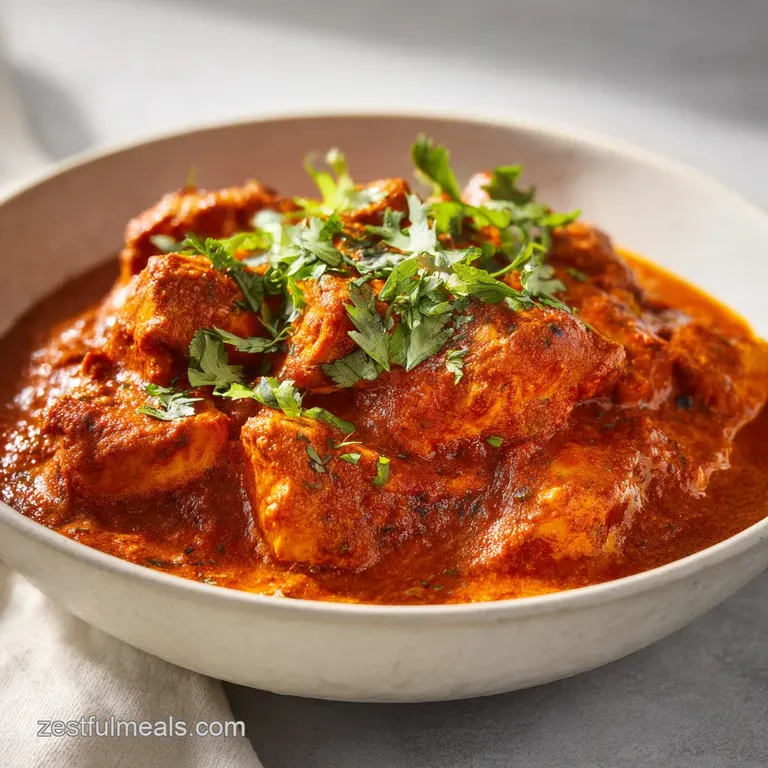
One of the most common issues I hear about is the sauce tasting too "tinny" or sharp. This usually happens if the tomato puree hasn't cooked down long enough or if the tomatoes were particularly acidic. A tiny pinch of sugar or an extra splash of cream usually rounds those edges right off.
If Your Sauce Is Acidic
If the tomatoes are overpowering the spices, it means the sugars haven't caramelized. You can fix this by adding 1/2 tsp of sugar at a time or adding a tablespoon of butter to mellow the sharpness.
If Your Chicken Is Dry
Overcooking is the culprit here. Chicken thighs are forgiving, but if they go past 175°F, they start to lose their moisture. Next time, pull them off the heat as soon as they hit 165°F, as they will continue to cook slightly once added back to the hot sauce.
| Problem | Root Cause | Solution |
|---|---|---|
| Grainy sauce | Yogurt curdled | Temper yogurt with a little hot sauce before adding |
| Bland flavor | Spices are old | Bloom spices in oil for an extra 30 seconds |
| Thin sauce | Too much liquid | Simmer uncovered for 5-7 minutes to reduce |
Common Mistakes Checklist ✓ Pat the chicken dry before marinating to help the yogurt stick. ✓ Use a over high heat fat like ghee to prevent smoking and bitter tastes. ✓ Do not skip the sugar; it is essential for balancing the tomato acidity.
✓ Ensure the pan is hot before the chicken hits it to get a good sear. ✓ Add the cream on low heat to prevent the sauce from separating.
Variations for Every Family
If you want to change things up, this recipe is incredibly flexible. For a spicy kick, you can double the Kashmiri chili powder or add a finely diced serrano pepper with the onions.
If you have a picky eater who doesn't like "bits" in their food, you can blend the onion and tomato base with an immersion blender before adding the cream and chicken back in.
For a veggie friendly version, swap the chicken for roasted cauliflower or firm paneer cubes. Just make sure to roast the cauliflower separately so it doesn't get mushy in the sauce.
If you're watching your budget, you can stretch the meal by adding a can of drained chickpeas, which soak up the masala sauce beautifully and add a nice textural contrast.
Decision Shortcut If you want a thicker sauce, simmer the tomato base for an extra 5 minutes before adding cream. If you want a smokier flavor, add an extra 1/2 tsp of smoked paprika or a drop of liquid smoke.
If you want a lighter meal, swap half the heavy cream for whole milk and add a squeeze of extra lime.
Storage and Freshness Tips
Chicken Tikka Masala actually tastes better the next day because the spices have more time to mingle. Keep it in an airtight container in the fridge for up to 4 days. When reheating, do it gently on the stovetop over low heat.
If you use a microwave, the chicken can get rubbery, so use a medium power setting and stir halfway through.
You can freeze this dish for up to 3 months. However, dairy based sauces can sometimes separate when thawed. To fix this, simply whisk the sauce vigorously while reheating it on the stove, and perhaps add a fresh splash of cream to bring back that velvety texture.
For a zero waste approach, don't throw away those cilantro stems! Finely mince them and sauté them right along with the onions for extra flavor. Any leftover sauce is basically liquid gold save it to toss with some pasta or use it as a dip for crusty bread the next day.
Perfect Pairings for Supper
Nothing beats a side of basmati rice to soak up every drop of that sauce. I like to add a few cardamom pods to the rice water while it cooks for an extra floral note. A warm piece of garlic naan is also mandatory in our house for "cleaning" the plate at the end.
If you want to add some greens to the table, a simple cucumber and red onion salad with a lemon vinaigrette provides a crisp, cooling contrast to the warm spices of the curry. It cuts through the richness of the heavy cream and keeps the meal feeling balanced rather than heavy.
Simple Scaling Guidelines
When you need to feed a crowd, doubling this recipe is straightforward. However, don't just double everything blindly. Scaling Up (2x): Use a larger pot to ensure the onions sauté properly. Increase the spices to 1.5x first, then taste and add more if needed.
Liquids like tomato puree should be reduced by about 10% to ensure the sauce doesn't become too thin. Scaling Down (1/2x): Use a smaller skillet so the sauce doesn't evaporate too quickly. Keep the cook times the same, but monitor the chicken closely as smaller batches can cook a few minutes faster.
Debunking Kitchen Myths
One big myth is that you must have a tandoor oven to get authentic flavor. While a tandoor provides incredible heat, a well seasoned cast iron skillet can mimic that char perfectly at home.
Another common misconception is that "Tikka Masala" is an ancient Indian recipe; it was actually likely popularized in the UK, making it a true fusion dish that celebrates global flavors.
Finally, searing meat does not "seal in juices." The sear is purely for developing deep, complex flavors through the Maillard reaction, while the yogurt marinade is what actually keeps the meat moist.

Recipe FAQs
Is chicken tikka masala British or Indian?
It is widely considered an Anglo Indian fusion dish. While it draws heavy inspiration from Indian cooking techniques, the creamy, mild sauce profile was popularized and arguably invented in the UK.
What's the secret to a great tikka masala?
Searing the chicken well and blooming the spices in fat are crucial. You must achieve a deep, dark char on the marinated chicken to build the necessary flavor base. If you enjoyed mastering the Maillard reaction here, see how the same principle works in the Baked Chicken Parmesan Recipe for surface flavor.
What are the ingredients for chicken tikka masala?
Key components are marinated chicken, tomato puree, yogurt, ghee, and garam masala. The marinade tenderizes the meat, and the sauce requires a balance of acidity (tomato), fat (cream/ghee), and aromatics (ginger/garlic).
Is tikka masala spicy?
No, authentic restaurant style tikka masala is typically mild to medium. It relies more on aromatic warmth from spices like cumin and coriander rather than intense chili heat. You can easily increase the heat by adding cayenne or fresh chilies.
How do I prevent the heavy cream from curdling in the sauce?
Add the heavy cream last, over very low heat, and do not boil it. The acid from the tomatoes can cause rapid separation if the temperature is too high when the cream is incorporated. This technique is similar to stabilizing emulsions in rich sauces like our Cajun Seafood Alfredo recipe.
Can I substitute the chicken thighs for breasts?
Yes, but you must reduce the cooking time slightly. Chicken breasts are leaner and dry out faster; aim to cook them for about two minutes less during the initial sear compared to thighs.
What is the best way to ensure the chicken stays tender?
Marinate the chicken in full fat yogurt for at least 30 minutes. The lactic acid in the yogurt works as a gentle tenderizer, breaking down muscle fibers before cooking begins.
Easy Chicken Tikka Masala
Ingredients:
Instructions:
Nutrition Facts:
| Calories | 638 kcal |
|---|---|
| Protein | 38.7 g |
| Fat | 44.2 g |
| Carbs | 16.4 g |
| Fiber | 3.2 g |
| Sugar | 8.1 g |
| Sodium | 745 mg |
