Easy Chocolate Chip Cookies
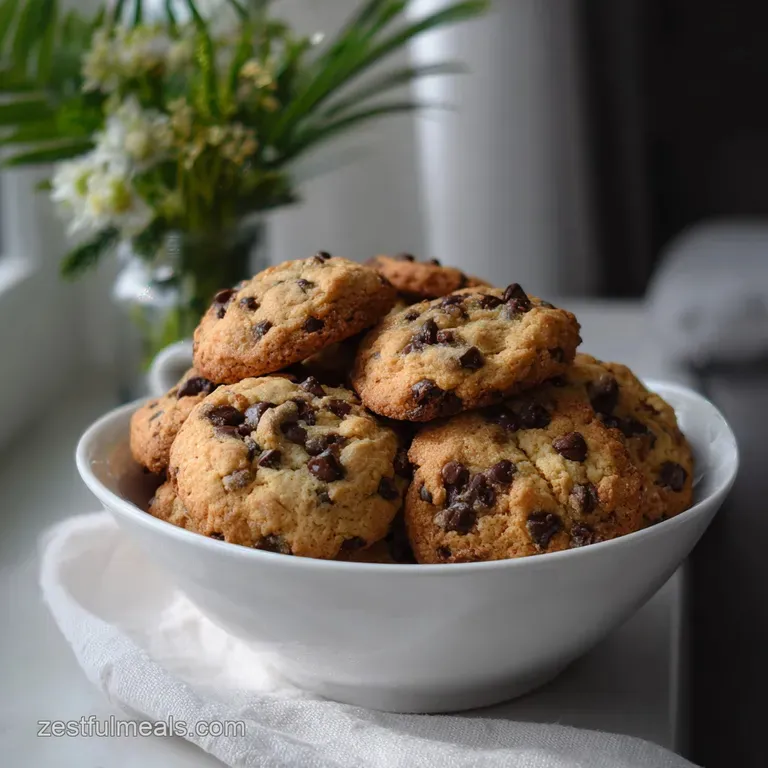
- Time: Active 10 minutes, Passive 10 minutes, Total 20 minutes
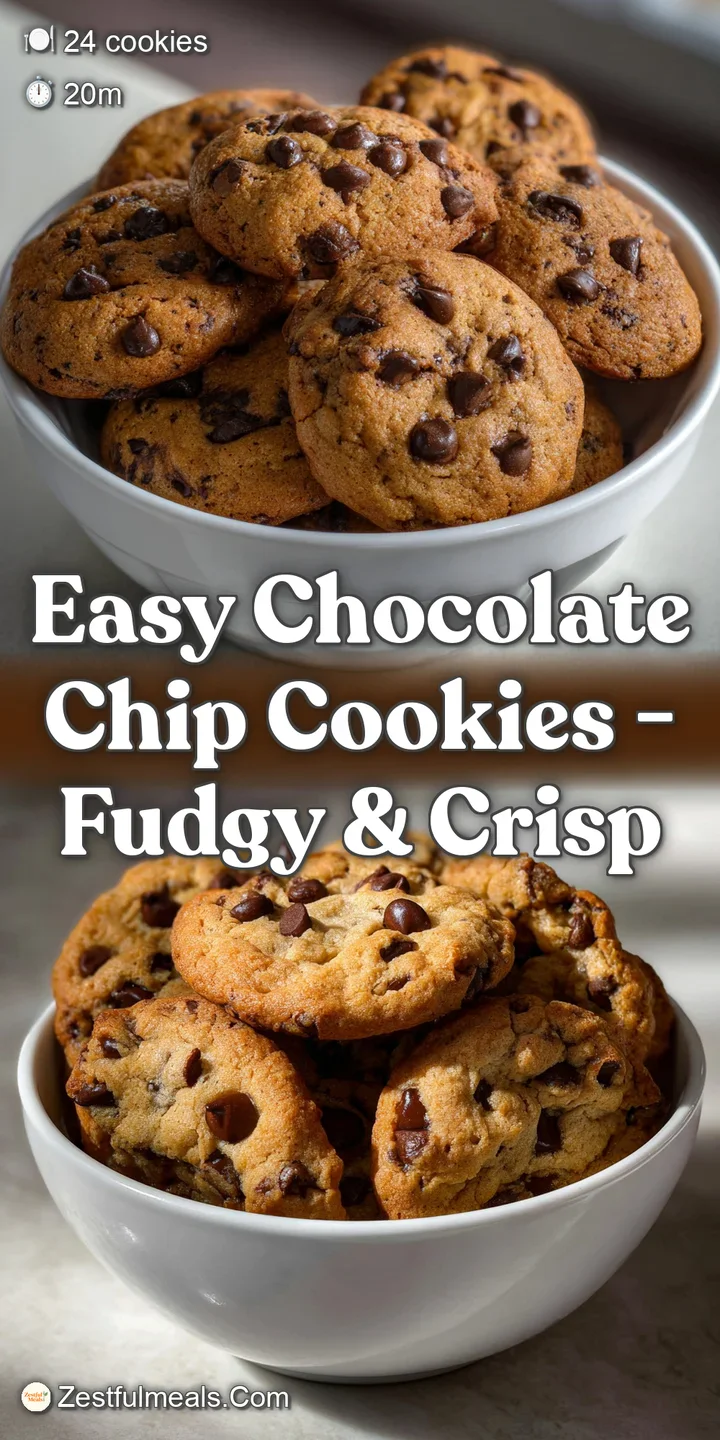
- Flavor/Texture Hook: Fudgy, toffee-noted centers with a crisp, buttery rim
- Perfect for: Last-minute guests, holiday exchanges, or beginner bakers
- Science of the Perfect Texture
- Batch Details and Time Logistics
- Functional Analysis of Pantry Staples
- Essential Tools for Consistent Baking
- Step Sequence for Baking Success
- Fixes for Frequent Baking Failures
- Creative Variations for Custom Flavors
- Maintaining Freshness and Reducing Waste
- Styling Your Warm Cookie Platter
- Addressing Common Home Baking Hurdles
- Common Kitchen Baking Myths
- Quantity Physics and Scaling Logic
- Common Questions
- 📝 Recipe Card
Science of the Perfect Texture
The secret to a truly great cookie lies in the interaction between fat, sugar, and heat. When we melt the butter instead of creaming it, we change the entire structure of the final product, which is the key difference in these easy chocolate chip cookies.
- Lecithin Emulsification: The extra egg yolk provides additional lecithin, which binds the fats and liquids more tightly for a richer, more tender crumb.
- Hygroscopic Moisture Retention: Light brown sugar is hygroscopic, meaning it actively pulls moisture from the air and holds onto it, preventing the cookies from drying out.
- Maillard Reaction: The combination of proteins in the flour and sugars in the dough creates a chemical reaction above 285°F that produces the complex, nutty flavors we love.
- Carbon Dioxide Release: Baking soda reacts with the acidic molasses in the light brown sugar, creating tiny air bubbles that provide just enough lift without making the cookie cakey.
Unlike recipes that use cold butter (which creates a flaky, biscuit like texture), this melted butter method ensures a dense, chewy interior by minimizing the amount of air incorporated into the dough. This is what separates these easy chocolate chip cookies from standard drop cookies.
Batch Details and Time Logistics
This recipe is designed for efficiency and high yield, making it perfect for gifting or stocking the freezer. Making a batch of these easy chocolate chip cookies is fast!
- Yield: 24 cookies
- Prep Time: 10 minutes
- Cook Time: 10 minutes
- Total Time: 20 minutes
- Serving Size: 1 cookie (approximately 45g)
| Feature | Home Baked | store-bought Dough |
|---|---|---|
| Flavor Profile | Deep toffee and real vanilla | Often artificial or overly sweet |
| Texture Control | Adjustable (soft vs. crisp) | Fixed and often greasy |
| Cost Per Batch | Approximately $4.50 | Approximately $6.00 |
Functional Analysis of Pantry Staples
Understanding why we use these specific ingredients helps us troubleshoot and make smart substitutions when the budget is tight for your easy chocolate chip cookies.
| Ingredient | Chemical/Physical Role (Science) | The Pro Secret (Why This Matters) |
|---|---|---|
| Melted Butter | Fat liquefaction and moisture | Creates a fudgier, denser texture than creamed butter |
| Brown Sugar | Acidic reactant for leavening | Provides the essential moisture for a long lasting chew |
| All-Purpose Flour | Gluten matrix formation | Gives the cookie enough structure to hold the chocolate chips |
| Egg Yolk | Fat-based emulsification | Adds richness and prevents the cookie from becoming crumbly |
Creating the Liquid Gold
1 cup (225g) unsalted butter, melted and slightly cooledWhy this? Melting the butter eliminates air pockets, leading to a denser, chewier easy chocolate chip cookies result. We use unsalted butter to have total control over the seasoning.
If you only have salted, just skip the added sea salt later in the recipe.
Structural Flour Foundations
2.25 cups (280g) King Arthur All-Purpose FlourWhy this? The 11.7% protein content provides the perfect balance of tenderness and structural integrity. Make sure to spoon and level your flour.
If you pack it into the measuring cup, you will end up with dry, tough cookies that won't spread, which ruins the promise of these easy chocolate chip cookies.
Choosing the Right Chocolate
2 cups (340g) Nestlé Toll House Semi Sweet Chocolate Chips The semi sweet variety balances the high sugar content of the dough. For a more sophisticated look, you can use chocolate chunks or even a chopped bar of Hershey's baking chocolate.
Other Ingredients: 1.5 cups (300g) light brown sugar, packed 0.5 cup (100g) white granulated sugar 1 tbsp McCormick Pure Vanilla Extract 1 large egg 1 large egg yolk 1 tsp Arm & Hammer Baking Soda 0.5 tsp sea salt
Essential Tools for Consistent Baking
You don't need a high end KitchenAid mixer for this recipe, which is part of what makes it so accessible. A simple glass bowl and a sturdy spatula will do the trick for these easy chocolate chip cookies.
- Large Mixing Bowl: A 4 quart glass bowl is ideal for seeing if the sugar has fully dissolved into the butter.
- Whisk: Use a balloon whisk to ensure the eggs are fully emulsified into the sugar mixture.
- Rubber Spatula: Crucial for folding in the flour and chips without overworking the gluten.
- Baking Sheets: Heavy duty aluminum pans (like Nordic Ware) distribute heat more evenly than thin, dark pans.
- Silicone Mats or Parchment: This prevents the bottoms from browning too quickly and makes cleanup a breeze.
- Cookie Scoop: A 2 tablespoon scoop ensures every cookie is exactly the same size, so they all finish baking at the exact same time.
Step Sequence for Baking Success
Follow these steps in order to ensure your easy chocolate chip cookies turn out with the perfect texture every single time.
- Melt the butter.Note: Heating the fat to a liquid state allows it to coat the flour proteins more effectively, inhibiting excessive gluten growth. Melt in a microwave or small saucepan until just liquid, then let it sit for 5 minutes so it doesn't scramble the eggs.
- Combine the sugars.Note: Whisking the butter and sugar together starts the process of dissolving the sucrose crystals. Stir 1.5 cups light brown sugar and 0.5 cup white sugar into the warm butter until no lumps remain.
- Add the aromatics.Note: Alcohol based extracts like vanilla are best added to the fat-sugar mixture to lock in flavor. Stir in 1 tbsp vanilla extract until the mixture looks glossy.
- Incorporate the eggs.Note: The proteins in the egg and yolk provide the structure that keeps the cookie from collapsing. Whisk in the whole egg and the extra egg yolk until the mixture lightens slightly in color and looks smooth.
- Whisk the dry.Note: Even distribution of baking soda is vital to prevent soapy tasting hot spots. In a separate small bowl, briefly stir the 2.25 cups flour, 1 tsp baking soda, and 0.5 tsp sea salt.
- Fold the dough.Note: Over mixing at this stage develops too much gluten, which leads to a tough, bread like cookie. Use a spatula to gently stir the dry ingredients into the wet until only a few streaks of flour remain.
- Add the chips.Note: Adding inclusions at the very end prevents the chocolate from being crushed or smeared into the dough. Pour in 2 cups of semi sweet chocolate chips and fold until evenly distributed.
- Scoop the portions.Note: Uniform size ensures uniform heat distribution and consistent doneness. Drop 2 tablespoon sized balls onto your prepared Silpat or parchment lined baking sheet, leaving 2 inches of space between them.
- Bake the cookies.Note: The edges must set while the center remains underdone to achieve the "chewy" profile. Bake at 350°F for 9 11 minutes until the edges are golden brown and the centers look slightly soft and matte rather than shiny.
- Cool on pan.Note: Carryover cooking finishes the centers without drying out the edges. Let the cookies sit on the hot pan for at least 5 minutes before moving them to a wire rack to cool completely.
Chef's Tip: For a bakery style look, reserve a handful of chocolate chips and press 3 4 into the top of each dough ball right before they go into the oven. Also, if you want perfectly round cookies, place a circular glass or cutter over the warm cookie immediately after it comes out of the oven and give it a gentle swirl to tuck in any uneven edges.
Fixes for Frequent Baking Failures
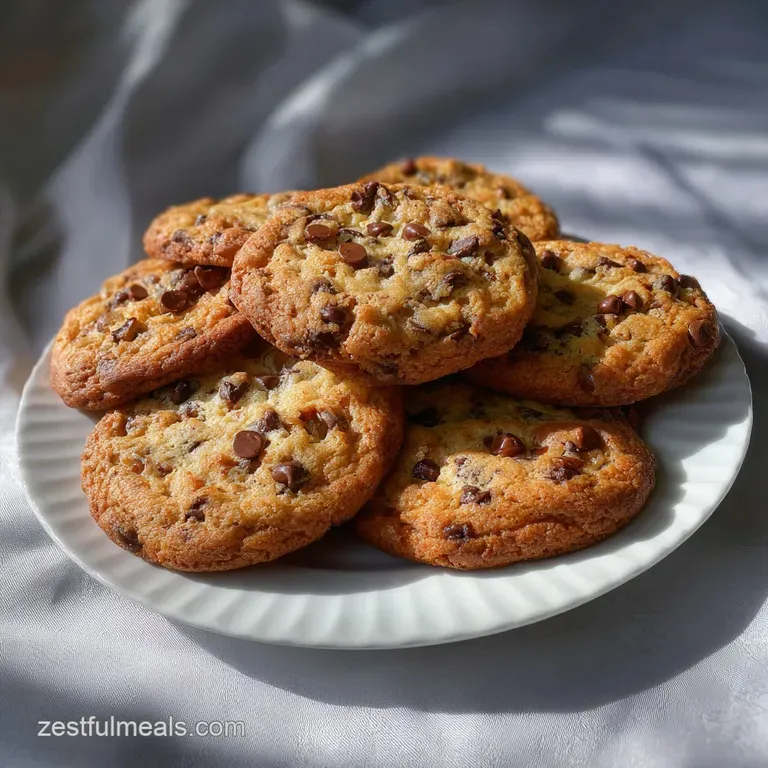
If your batch didn't turn out exactly as you hoped, it is usually a small scientific hiccup that can be easily corrected next time you make easy chocolate chip cookies.
Avoiding Flat Baking Results
When cookies spread too much and turn into one giant sheet, it is usually because the butter was too hot or the flour was measured incorrectly. If the fat is too runny, it can't hold the structure of the flour while the oven heats up.
Always make sure your melted butter has cooled down to a warm room temperature before adding the sugar.
| Problem | Root Cause | The Fix | Pro Protocol |
|---|---|---|---|
| Too Thin | Butter was too hot | Chill dough for 30 minutes | Use a kitchen scale for flour |
| Too Cakey | Too much egg white | Use only one whole egg + yolk | Don't over whisk after flour |
| Too Hard | Over baked | Pull when centers look soft | Use a light colored pan |
Fixes for Overly Cakey Batches
A cakey cookie is often the result of adding too much flour or over beating the eggs, which incorporates too much air. Make sure you are using "Large" eggs as specified in the recipe.
If you use "Jumbo" eggs, you are adding significantly more liquid and protein, which can lead to a puffy, muffin like texture instead of the dense easy chocolate chip cookies we want.
Solutions for Burnt Bottoms
Dark baking sheets absorb more radiant heat, which can cause the bottoms of your cookies to burn before the centers are set. If you struggle with this, try doubling up your baking sheets (stacking one inside the other) to create an air pocket that insulates the bottom of the cookies.
Always bake on the middle rack of the oven for the most even airflow.
Creative Variations for Custom Flavors
Once you have the base dough down, you can adapt this recipe to suit whatever you have in the pantry. The versatility of these easy chocolate chip cookies is part of their appeal.
- For a Salted Caramel Twist: Use half chocolate chips and half sea salt caramel chips. Sprinkle a tiny pinch of Maldon flaky salt on top immediately after baking.
- For a Nutty Crunch: Replace 0.5 cup of the chocolate chips with chopped toasted pecans or walnuts. The fat in the nuts adds another layer of richness to the dough.
- For a Dark Mocha Depth: Add 1 teaspoon of espresso powder to the melted butter. The coffee doesn't make the cookies taste like a latte; it just makes the chocolate taste much more intense.
| Original Ingredient | Substitute | Why It Works |
|---|---|---|
| Light Brown Sugar | Dark Brown Sugar | More molasses means a deeper flavor and even softer texture |
| Semi Sweet Chips | Milk Chocolate | Sweeter and creamier. Note: Makes the cookie much sweeter overall |
| Sea Salt | Table Salt | Same salty kick. Note: Use slightly less (3/8 tsp) as table salt is finer |
Maintaining Freshness and Reducing Waste
Keeping your easy chocolate chip cookies soft is all about controlling airflow and moisture.
Storage: Store cooled cookies in an airtight Rubbermaid container at room temperature for up to 5 days. To keep them extra soft, place a single slice of white bread in the container; the cookies will absorb the moisture from the bread.
Freezing: You can freeze the baked cookies for up to 3 months. However, for the best results, freeze the raw dough balls on a tray, then transfer them to a freezer bag. You can bake them straight from frozen - just add 2 minutes to the total baking time.
Zero Waste: If you end up with stale cookies, do not throw them away. Crush them up and use them as a base for a cheesecake crust, or fold them into softened vanilla ice cream. The high fat and sugar content makes them an excellent structural component for other desserts.
You can also toast stale cookie crumbs to use as a "soil" topping for chocolate pudding.
Styling Your Warm Cookie Platter
Presentation doesn't have to be complicated to be effective. A simple wooden board or a white ceramic plate makes the golden brown cookies pop. These easy chocolate chip cookies look incredible arranged artfully.
- Stacking: Pile the cookies in a casual pyramid shape. This looks more inviting than a flat row and keeps the centers of the bottom cookies warm for longer.
- Garnish: A light dusting of powdered sugar or a few extra chips scattered around the plate adds visual interest.
- Milk Pairing: Serve with cold milk in vintage glass jars for a nostalgic touch.
- The "Pull": If you are serving these to guests, break one cookie in half to show off the melty chocolate center - it is an instant appetite stimulant.
Addressing Common Home Baking Hurdles
We want to make sure every batch of your easy chocolate chip cookies is a victory, so let's clear up a few final details.
Detecting the Ideal Doneness
The most common mistake is waiting for the cookies to look "done" in the middle while they are still in the oven. Because of the high sugar and fat content, these cookies will continue to cook for several minutes after you pull them out.
If the centers still look a little pale and puffy, but the edges are set and brown, they are ready to come out. Trust the process.
Correction for Flat Batches
If your first tray comes out too flat, it is likely your kitchen is too warm or your butter was still too hot when you mixed the dough. Simply put the remaining dough in the fridge for 20 minutes before baking the next batch.
This solidifies the fat, which slows down the spreading process once the cookies hit the oven heat.
Alternate Chocolate Chip Selections
If you find semi sweet too bitter, milk chocolate is a fine substitute, though it will make the cookies spread slightly more due to the higher milk fat content. You can also use "mini" chips if you want chocolate in every single bite, or large "mega" chunks if you prefer big pools of melted chocolate throughout the cookie.
Common Kitchen Baking Myths
- Myth: You must sift your flour to get good cookies.
- Truth: For easy chocolate chip cookies, sifting is unnecessary. A quick stir with a whisk is enough to break up any large clumps and aerate the flour sufficiently for a chewy result.
- Myth: Brown sugar and white sugar are interchangeable.
- Truth: White sugar provides crispness and helps the cookie spread, while brown sugar provides moisture and chew. Using only white sugar will result in a very thin, crunchy cookie that lacks the depth of flavor provided by the molasses.
Quantity Physics and Scaling Logic
Scaling a baking recipe isn't always as simple as multiplying by two. The chemistry changes as the volume increases, even when making a large batch of these popular cookies.
- For a Half Batch: You will need half of an egg. To do this, crack the egg into a small bowl, whisk it well, and then measure out 2 tablespoons (roughly 25g) for the recipe. Use a smaller mixing bowl to ensure the whisk can properly emulsify the ingredients.
- For a Double Batch: Do not simply double the salt and baking soda. Instead, use 1.5 times the amount of salt and leavening to prevent a metallic aftertaste. Work in batches to avoid crowding your oven; if you put two trays in at once, the bottom tray will often burn while the top stays raw.
- Temperature Adjustments: When baking two trays at once, drop your oven temperature by 25°F and rotate the pans halfway through the baking time to account for the Square Cube Law of heat distribution.
By following these practical steps and understanding the simple science behind the ingredients, you can consistently produce the kind of easy chocolate chip cookies that people will ask for again and again.
There is no need for magic, just a good spatula and a little bit of patience while they cool on the pan. Enjoy your baking.
Common Questions
Why do these cookies come out fudgy instead of cakey?
Melted butter prevents air incorporation. Melting the fat eliminates air pockets that creamed butter introduces, resulting in a denser, chewier final product. This relies on lecithin from the extra yolk for tight binding.
- Fat coats flour proteins immediately
- Less structure is built
- Moisture is locked in by brown sugar
Can I use cold butter instead of melting it?
No, cold butter yields a different texture. Cold creaming incorporates air, creating lift and a more structured, biscuit like cookie. Melted butter dissolves sugars faster, leading to rapid spread and the desired dense chew.
How long should I chill the dough before baking?
Zero minutes chilling is needed. This recipe is designed for immediate baking success, allowing the dough to go from bowl to oven quickly. Chilling is optional but allows the flour to fully hydrate for deeper flavor complexity.
What is the purpose of the extra egg yolk?
The extra yolk adds richness and binding. The added lecithin emulsifies fats and liquids more effectively, creating a more tender crumb that resists crumbling. This helps maintain the fudgy interior even after cooling completely.
Is it better to use baking soda or baking powder?
Baking soda yields better spread and chew. Baking soda reacts with the acidic molasses in brown sugar, creating carbon dioxide for lift without structure. Baking powder creates a larger, more cake like rise.
Myth: Touching the edges of the cookie stops it from spreading.
Myth: Touching the edges of the cookie stops it from spreading. Reality: Gently shaping warm cookies immediately after removal using a round cutter is the effective technique to achieve perfect uniformity. Shaping cold dough does little to change the final baked circumference.
Myth: All-purpose flour is the best option for this recipe.
Myth: All-purpose flour is the best option for this recipe. Reality: While AP works, a flour with 11-12% protein provides superior structure for holding melted butter. If using cake flour, increase the baking soda slightly to compensate for lower gluten development.
Easy Chocolate Chip Cookies
Ingredients:
Instructions:
Nutrition Facts:
| Calories | 206 kcal |
|---|---|
| Protein | 2.3g |
| Fat | 11.8g |
| Carbs | 34.4g |
| Fiber | 1.2g |
| Sugar | 23.5g |
| Sodium | 108mg |
