Empanada Dough: Flaky & Tender
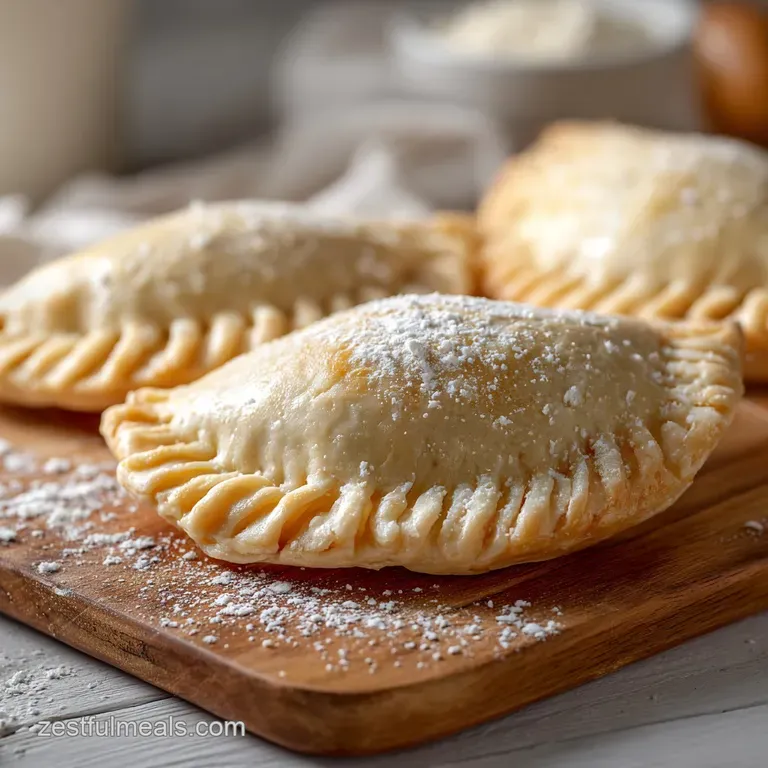
- Time: Active 20 minutes, Passive 1 hour, Total 1 hour 20 mins
- Flavor/Texture Hook: Shatter crisp buttery layers
- Perfect for: Family meal prep or easy weeknight appetizers
- How I Perfected My Homemade Empanada Dough
- Why This Flaky Dough Beats Store-Bought Every Time
- Choosing the Best Cooking Style for Success
- Component Analysis for the Best Results
- The Pantry List and Easy Substitutes
- Essential Tools for Busy Kitchens
- Bringing the Dough to Life Step by Step
- Avoiding Common Mistakes for a Better Crust
- Adjusting the Batch Size for Your Family
- Debunking Old School Pastry Tales
- Storing and Reducing Kitchen Waste
- Serving and Pairings for Your Feast
- Recipe FAQs
- 📝 Recipe Card
How I Perfected My Homemade Empanada Dough
I will never forget the first time I tried to make empanadas for a family gathering. I thought I could just wing it with a standard pie crust recipe. The smell of melting butter in the oven was incredible, but as soon as we bit into them, there was no "crunch" only a tough, rubbery chew that left everyone reaching for extra water.
It was a disaster, and my kids actually asked if we could just have cereal instead.
That failure sent me on a mission to find a recipe that actually worked for a busy household. I needed something that wouldn't fall apart when my youngest tried to help me fold them, but also something that felt special when it hit the table.
After months of testing different flour ratios and fat temperatures, I realized the secret wasn't just in the ingredients, but in how we treat the gluten.
Now, this is the only recipe I use. Whether I'm making a batch for a quick Tuesday night dinner or prepping forty of them for a neighborhood block party, it never lets me down. You get that satisfying sizzle when they hit the oil or that beautiful golden puff in the oven every single time.
Why This Flaky Dough Beats store-bought Every Time
- Acid Interaction: Adding 5ml apple cider vinegar subtly interferes with gluten development, which prevents the dough from becoming overly elastic or tough after rolling.
- Lamination Effect: By keeping 115g of unsalted butter in pea sized chunks, you create tiny steam vents during the cooking process that push the dough layers apart.
- Cold Hydration: Using 120ml ice cold water ensures the fat stays solid until it hits the heat, which is the absolute key to a shatter crisp finish.
- Protein Balance: The addition of a cold egg provides structure and richness, making this a much more durable empanada dough recipe than water only versions.
| Method | Time | Texture | Best For |
|---|---|---|---|
| Deep Frying | 3-5 minutes | Bubbled, very crispy | Authentic street food style |
| Oven Baking | 20-25 minutes | Smooth, golden, flaky | Healthier family weeknights |
| Air Frying | 10-12 minutes | Extra crunchy edges | Quick snacks or leftovers |
Choosing your cooking method depends on how much time you have and what texture you're after. While frying gives you those classic bubbles on the surface, baking is much easier when you're making a large batch for the kids. If you enjoy making dough from scratch, you might also find my Flour Tortillas recipe helpful for your next taco night.
Choosing the Best Cooking Style for Success
| Thickness | Internal Temp | Rest Time | Visual Cue |
|---|---|---|---|
| 1/8 inch | 165°F (filling) | 5 minutes | Golden brown with no translucent spots |
| 1/4 inch | 165°F (filling) | 8 minutes | Deep amber color and firm to the touch |
Component Analysis for the Best Results
| Ingredient | Science Role | Pro Secret |
|---|---|---|
| All purpose Flour | Provides the structural base via gluten | Weigh it to avoid "hockey puck" dough |
| Chilled Butter | Creates steam pockets for flakiness | Grate it while frozen for even distribution |
| Apple Cider Vinegar | Inhibits gluten for tenderness | Don't skip it; it won't taste like vinegar |
The interaction between the flour and the fat is the most important part of this process. When you use the right ratio of 375g flour to 115g butter, you're creating a barrier that prevents the water from making the dough too "bready."
The Pantry List and Easy Substitutes
- 375g All purpose flour: This provides the perfect protein level. Why this? Bread flour makes it too chewy, while cake flour is too fragile. (Substitute: 1:1 gluten-free baking blend for dietary needs)
- 5g Fine sea salt: Enhances the buttery notes. Why this? Coarse salt won't dissolve properly in the cold dough. (Substitute: Table salt, use slightly less)
- 10g Organic cane sugar: Helps with browning. Why this? It adds a subtle balance to savory fillings. (Substitute: Granulated white sugar)
- 115g Unsalted grass fed butter: The primary fat source. Why this? Grass fed butter has a higher fat content and better flavor. (Substitute: Chilled lard for a more traditional, savory crust)
- 1 Large egg: Acts as a binder. Why this? It adds richness and helps the dough hold its shape. (Substitute: 1/4 cup plain Greek yogurt for a tangier result)
- 120ml Ice cold water: Hydrates the flour. Why this? Warm water will melt the butter and ruin the flakes. (Substitute: Cold milk for a softer, bread like texture)
- 5ml Apple cider vinegar: The secret tenderizer. Why this? The acidity keeps the dough from snapping back. (Substitute: White vinegar or lemon juice)
Chef Tip: Put your mixing bowl and your flour in the freezer for 10 minutes before you start. Keeping everything cold is the single biggest "trick" to getting that professional pastry texture at home without any fancy equipment.
Essential Tools for Busy Kitchens
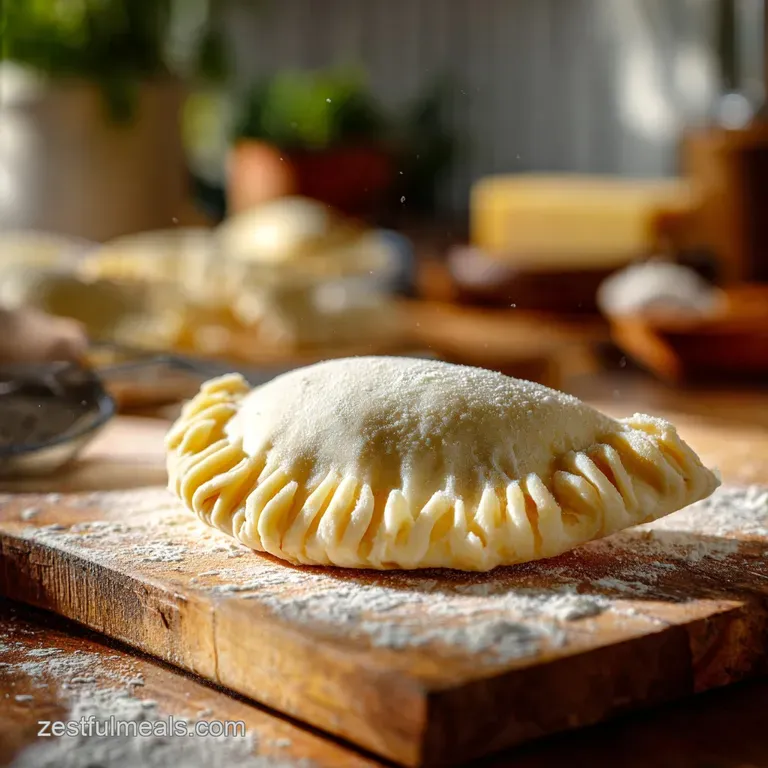
You don't need a high end stand mixer to make an easy empanada dough recipe. In fact, I prefer using my hands or a simple fork because it prevents over mixing. You will need a large mixing bowl, a rolling pin (or even a clean wine bottle in a pinch), and a 4 or 5 inch round cutter.
If you don't have a cutter, a wide mouthed glass or a small bowl works perfectly to stamp out your circles.
Bringing the Dough to Life step-by-step
- Whisk dry ingredients. Combine 375g all purpose flour, 5g fine sea salt, and 10g cane sugar in your chilled bowl. Note: This ensures the salt and sugar are evenly distributed before the fat hits.
- Cut in the butter. Add 115g chilled, cubed butter to the flour. Use a fork or your fingers to rub it in until it looks like coarse crumbs with some pea sized pieces.
- Mix the liquids. In a separate small jar, whisk together the 120ml ice water, 1 large egg, and 5ml apple cider vinegar.
- Incorporate the wet mix. Pour the liquid into the flour mixture slowly. Stir with a fork until the dough just starts to clump together.
- Form a disc. Turn the shaggy mass onto a lightly floured surface. Knead it gently only 2 or 3 times until it holds a solid shape.
- Chill the dough. Wrap the disc tightly in plastic wrap. Let it rest in the fridge for 1 hour until it feels firm and cold.
- Roll it out. On a floured surface, roll the dough to about 1/8 inch thickness until you can almost see the shadow of your hand through it.
- Cut the circles. Use your 4 or 5 inch cutter to stamp out circles. Note: You can re roll the scraps once, but the second batch will be slightly less flaky.
- Fill and seal. Place 2 tablespoons of filling in the center, fold over, and crimp the edges with a fork until tightly sealed.
- Cook to finish. Bake at 400°F for 20 minutes or fry in 350°F oil until the surface is golden and crackling.
If you are looking for a hearty filling idea, this dough works beautifully with the savory flavors found in my Homemade Chicken and recipe. It's the ultimate comfort food combination.
Avoiding Common Mistakes for a Better Crust
The Issue of Dough Snapping Back
If you find that your dough circles keep shrinking back after you roll them out, your gluten is likely "angry" and over worked. This usually happens if you kneaded the dough too much or didn't let it rest long enough in the fridge. The proteins need time to relax after being pushed around.
| Problem | Root Cause | Solution |
|---|---|---|
| Dough is crumbly | Not enough liquid | Add ice water 1 teaspoon at a time |
| Crust is tough | Over handling the dough | Handle less; ensure butter stays cold |
| Bottom is soggy | Filling was too wet | Drain filling well or use a "shield" of cheese |
Common Mistakes Checklist
- ✓ Always use ice cold water (warm water melts the fat and ruins the layers).
- ✓ Don't skip the refrigeration step (it relaxes the gluten and firms the butter).
- ✓ Keep your flour dusting light (too much extra flour makes the crust dry).
- ✓ Avoid over filling (too much filling will cause the seams to burst during cooking).
- ✓ Ensure your filling is completely cold before placing it on the dough.
Adjusting the Batch Size for Your Family
If you're cooking for a smaller crowd, you can easily halve this recipe. Since it calls for one egg, simply whisk the egg in a small bowl first, then use exactly half of it (about 2 tablespoons). The rest of the ingredients scale down linearly.
Reduce your resting time slightly to 45 minutes since a smaller disc chills faster.
When doubling the recipe for a party, I recommend making two separate batches rather than one giant one. It’s much easier to keep the butter cold in smaller quantities. For the spices or sugar, only increase them by 1.5x to avoid overwhelming the flavor, and keep your liquids at 90% of the doubled amount, adding the last bit only if the dough feels too dry.
Debunking Old School Pastry Tales
Many people believe that you must use lard for an authentic empanada dough recipe. While lard does provide a specific savory notes, high-quality unsalted butter actually provides more "lift" and a better flaky texture due to its water content, which turns into steam.
Butter is also much more accessible for most home cooks on a budget.
Another common myth is that you should use warm water to help the dough come together faster. This is actually the worst thing you can do! Warm water melts the fat into the flour, which results in a crumbly, shortbread like texture rather than the light, layered crunch we want. Always stick to ice cold liquids.
Storing and Reducing Kitchen Waste
Storage Guidelines You can keep the raw dough in the fridge for up to 2 days if it's wrapped tightly. For longer storage, this is a fantastic freezer friendly empanada dough.
I like to cut the circles and stack them with pieces of parchment paper in between, then slide the whole stack into a freezer bag. They will stay fresh for up to 3 months. When you're ready to use them, just let them thaw in the fridge for an hour.
Zero Waste Tips Never throw away those little dough scraps! I gather the leftover bits, sprinkle them with a little cinnamon and sugar, and bake them for 8 minutes. It makes a "chef’s treat" that my kids absolutely love.
If you have leftover savory filling, you can stir it into some rice or use it as a topping for a baked potato. Making your own homemade empanada dough is not just about the taste it's about making sure every bit of your grocery budget goes to good use.
Serving and Pairings for Your Feast
When these come out of the oven or the fryer, let them rest for at least 5 minutes. The filling is usually much hotter than the crust, and that short rest allows the juices to settle so they don't run down your chin on the first bite.
I love serving these with a simple cilantro lime dip or a spicy chimichurri to cut through the richness of the buttery crust.
For a kid friendly version, I often make a few "dessert" versions using the same empanada dough for baking. Just fill them with a slice of apple and a dusting of cinnamon. They puff up beautifully and provide that perfect crunch that makes everyone at the table happy.
Trust me, once you've made your own best empanada dough, you will never look at those frozen boxes the same way again.
Recipe FAQs
What dough is used for empanadas?
A tender, flaky pastry dough. Empanada dough is similar to pie crust but often richer, designed to hold a variety of fillings without becoming soggy. It's typically made with flour, fat (butter or lard), water, and sometimes egg and a touch of vinegar for tenderness.
Is empanada dough just pie crust?
It's very similar, but with key differences. While both use similar ingredients and methods, empanada dough is specifically formulated to be durable enough for various fillings and cooking methods, from frying to baking. A splash of vinegar in empanada dough, like in this Potato Flake Sourdough Starter: gluten-free Method, is crucial for tenderness.
What is the secret to a good empanada dough?
Keeping the fat cold and not overworking the dough. Cold butter or lard creates steam pockets during cooking, leading to flaky layers. Minimal handling prevents tough gluten development, ensuring a tender crust.
If you enjoyed controlling cookie spread here, the same fat ratio logic applies to our empanada dough.
What are common mistakes when making empanada dough?
Using warm ingredients and overworking the dough are the biggest culprits. Warm water or butter will melt the fat, resulting in a dense, greasy crust instead of flaky layers. Over kneading develops too much gluten, making the dough tough and difficult to roll.
Always use ice-cold water and handle the dough as little as possible.
Can I use store-bought dough for empanadas?
Yes, but homemade is far superior. store-bought dough can be convenient, but it often lacks the texture and flavor of a fresh, homemade dough. Commercial doughs can also be drier or more prone to tearing. For a truly delicious empanada, the effort of making your own dough is well worth it.
How do I prevent my empanada dough from becoming tough?
Handle the dough minimally and keep everything cold. Overworking the dough develops gluten, which causes toughness. Cold butter, water, and even chilling the dough before rolling helps keep gluten strands relaxed and fat solid, ensuring a tender, flaky result. This technique is similar to how we achieve a delicate crust in our Salami and Cheese in 20 Minutes: Crispy Sourdough & Melty Cheese recipe.
Why does my empanada dough break when I fold it?
This usually means the dough is too dry or hasn't been handled gently enough. If the dough is too dry, it will be brittle. If it's been overworked, the gluten becomes too tight. Ensure you're adding enough liquid and rolling it out to the correct thickness without tearing.
Empanada Dough
Ingredients:
Instructions:
Nutrition Facts:
| Calories | 153 kcal |
|---|---|
| Protein | 3.0 g |
| Fat | 6.8 g |
| Carbs | 19.7 g |
| Fiber | 0.7 g |
| Sugar | 0.7 g |
| Sodium | 129 mg |
