En Glaze Recipe
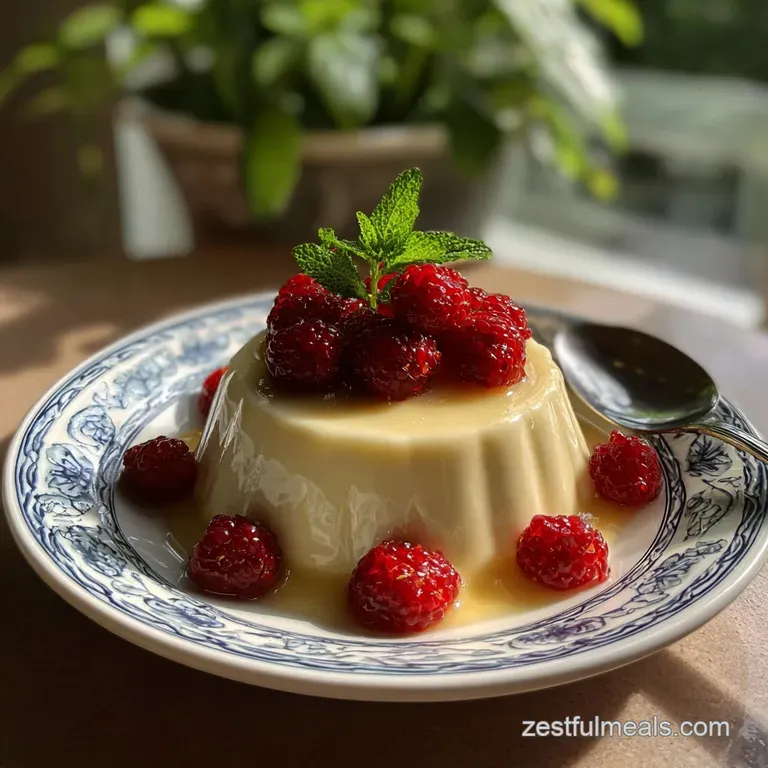
- Time: Active 10 minutes, Passive 5 minutes, Total 15 minutes
- Flavor/Texture Hook: Silky smooth vanilla cream with a rich, buttery mouthfeel
- Perfect for: Holiday entertaining, cozy family Sunday roasts, or upgrading a basic store-bought cake
- Mastering the Silkiness of a Classic En Glaze Recipe
- The Science of Why it Works
- Crucial Timing and Details for the Best Sauce Results
- Component Analysis for Your Custard Base
- Simple Pantry Elements Required for This Custard Base
- Minimal Kitchen Tools for a Stress Free Cooking Experience
- A Step by Step Guide to Crafting Smooth Liquid Gold
- Expert Troubleshooting for When Your Sauce Breaks or Curdles
- Adjusting for Crowds or Quiet Nights
- Simple Variations to Transform Your Basic Vanilla Cream Sauce
- Keeping Your Sauce Fresh and Minimizing Kitchen Waste
- Myths About Making Custard Sauce
- Dessert Pairings to Make Every Family Meal Feel Special
- Recipe FAQs
- 📝 Recipe Card
Mastering the Silkiness of a Classic En Glaze Recipe
The first time I tried making a homemade en glaze recipe, I ended up with something that looked more like sweet breakfast eggs than a dessert sauce. I was so impatient, cranking up the heat because my kids were hovering in the kitchen asking when the bread pudding would be ready.
I learned the hard way that you cannot rush an easy en glaze recipe; it demands your full attention for just ten minutes, but the reward is a sauce so velvety it makes even a plain bowl of berries feel like a five star treat.
We often think of this as a fancy restaurant staple, but in our house, it’s the ultimate "budget luxury." You probably already have the milk, eggs, and sugar in your pantry right now.
It is essentially the foundation for almost every great ice cream or custard you have ever tasted, just served in its liquid gold state. Trust me, once you see that first batch coat the back of your spoon in a perfect, glossy layer, you will never go back to the powdered stuff again.
Today, I’m walking you through the exact steps I use to keep this simple en glaze recipe from curdling. We will focus on the feel of the whisk and the look of the steam so you can cook with confidence, even if your kitchen is a chaotic zone of homework and hungry toddlers.
Let's get that milk simmering and turn these basic ingredients into something truly special.
The Science of Why it Works
Protein Denaturation: As the egg yolks reach specific temperatures, their tightly coiled proteins begin to uncurl and link together, effectively thickening the surrounding liquid into a stable structure.
Emulsification Stability: The lecithin naturally found in egg yolks acts as a bridge between the water in the milk and the fats in the cream, creating a creamy, unified texture that won't separate.
Chef's Tips
- The Cold Shock: Place a clean bowl inside a larger bowl filled with ice water before you even start cooking. Straining the finished sauce into this "ice bath" bowl stops the cooking process instantly, preventing the residual heat from overcooking and curdling the eggs.
- Vanilla Infusion: If you have time, let the vanilla bean steep in the warm milk for 20 minutes before adding the eggs. This draws out the deeper, woody notes of the bean that a quick boil just can't reach.
- The Sugar Shield: Whisk your sugar and egg yolks together until they turn a pale, creamy yellow before adding the hot milk. This "ribbon stage" creates a physical barrier that helps protect the delicate proteins from the initial heat shock.
Crucial Timing and Details for the Best Sauce Results
To get the best en glaze recipe every single time, you need to know exactly what is happening in that pot. Since we are using minimal tools, we rely on our senses and a few key temperature milestones.
If you are a busy parent like me, you know that timing is everything when you are trying to get dessert on the table while the kids are still sitting still.
| Thickness | Internal Temp | Rest Time | Visual Cue |
|---|---|---|---|
| Thin / Pourable | 77°C | 2 mins | Steam rises but sauce is fluid |
| Classic Nappe | 82°C | 5 mins | Coats spoon; line stays when swiped |
| Thick / Rich | 84°C | 5 mins | Slow, heavy drip from the whisk |
One thing I've realized is that the choice of heat source matters just as much as the ingredients. While a stovetop is the classic way to manage a homemade en glaze recipe, some people prefer the steady environment of an oven for larger batches.
However, for a quick en glaze recipe, the stovetop is my go to every time because I can feel the changes in the sauce in real time.
| Method | Time | Texture | Best For |
|---|---|---|---|
| Stovetop | 10 mins | Very silky | Precise control and quick results |
| Oven (Water Bath) | 30 mins | Denser | Hands off cooking for big crowds |
Component Analysis for Your Custard Base
Understanding why we use specific ingredients helps you become a better cook without needing a degree in chemistry. Each item in this quick en glaze recipe has a job to do, from providing structure to delivering that classic aroma. It’s similar to how the ingredients work in my Cool Whip Frosting Pudding recipe, where fat and temperature play the lead roles in achieving that perfect set.
| Ingredient | Science Role | Pro Secret |
|---|---|---|
| Egg Yolks | Primary Thickener | Use room temperature yolks for faster tempering and fewer clumps. |
| Heavy Cream | Fat/Mouthfeel | Don't swap for light cream; the fat stabilizes the sauce against heat. |
| Vanilla Bean | Aromatic Base | Scrape the seeds thoroughly and toss the pod into the milk for max flavor. |
Simple Pantry Elements Required for This Custard Base
The beauty of a basic glaze recipe is that it uses staples we usually have on hand. Because this recipe is so simple, the quality of your ingredients really shines through. If you can, use the freshest eggs you can find, as the yolks will be more robust and provide a deeper golden color to your sauce.
- 1 cup heavy creamWhy this? Provides the essential fat content for a luxurious, velvety mouthfeel.
- 1 cup whole milkWhy this? Lightens the sauce so it remains pourable and not too heavy.
- 6 large egg yolksWhy this? The lecithin here is what actually thickens the sauce through emulsification.
- 1/3 cup granulated sugarWhy this? Sweetens the base and helps stabilize the egg proteins against curdling.
- 1 pinch fine sea saltWhy this? A tiny amount sharpens the vanilla and cuts through the heavy fat.
- 1 whole vanilla beanWhy this? Provides thousands of tiny flavor flecks that imitation extract just can't match.
| Original Ingredient | Substitute | Why It Works |
|---|---|---|
| Whole Milk | Canned Coconut Milk | Same fat content. Note: Adds a distinct tropical flavor to the sauce. |
| Vanilla Bean | 1 tbsp Vanilla Paste | Contains the seeds and concentrated flavor for a similar visual effect. |
| Granulated Sugar | Light Brown Sugar | Adds a subtle molasses note. Note: Will darken the final sauce color. |
If you find yourself enjoying the deep, caramelized notes of sugar based sauces, you might find this profile reminds you of the richness in a Brown Sugar Latte recipe. The way sugar interacts with heat is the secret to all these comforting flavors.
Minimal Kitchen Tools for a Stress Free Cooking Experience
You don't need a kitchen full of gadgets to make a world class en glaze recipe. In fact, keeping it simple usually leads to better results because you have fewer things to clean and more focus on the pot.
I always use a heavy bottomed saucepan because it distributes heat evenly, preventing those annoying scorched spots that can ruin the taste of the milk.
You will also want a heat resistant spatula or a wooden spoon. Some people swear by whisks, and while they are great for the initial egg and sugar mix, a spatula allows you to scrape the bottom and corners of the pan more effectively during the thickening stage. Finally, a fine mesh sieve is non negotiable.
Even the most careful cook might have a tiny bit of cooked egg, and straining the sauce ensures that "shatter" of silkiness you are looking for.
A step-by-step Guide to Crafting Smooth Liquid Gold
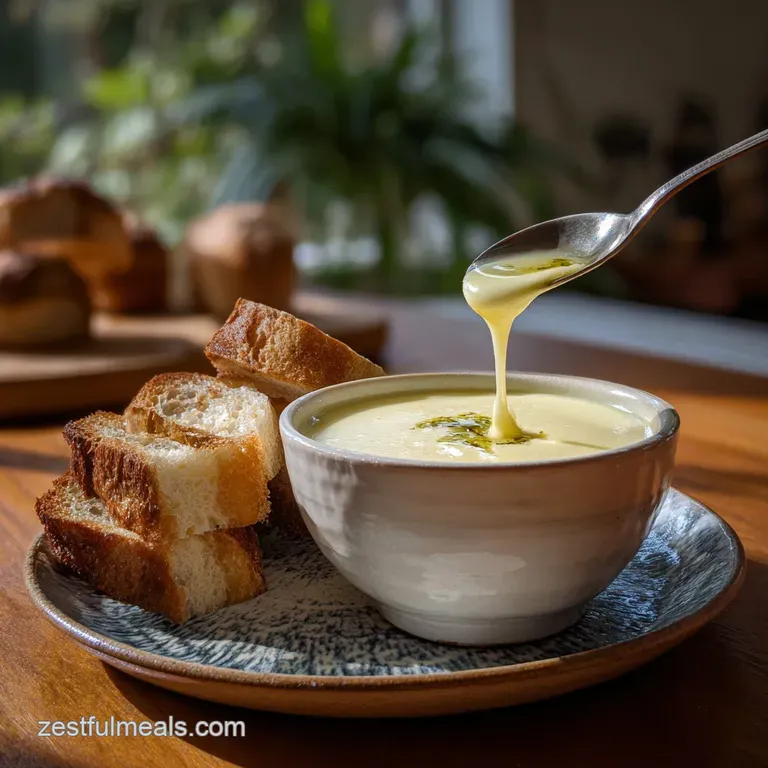
- Prep the vanilla. Split the vanilla bean lengthwise and scrape the seeds into 1 cup heavy cream and 1 cup whole milk. Note: This ensures the flavor is infused from the start.
- Heat the dairy. Warm the cream, milk, and the empty vanilla pod in a saucepan over medium heat until tiny bubbles form around the edges and steam rises.
- Whisk the eggs. While the milk heats, combine 6 large egg yolks, 1/3 cup granulated sugar, and 1 pinch fine sea salt in a bowl.
- Beat until pale. Whisk the egg mixture vigorously for 2 minutes until the color turns a pale lemon yellow.
- Temper the eggs. Slowly ladle about 1/2 cup of the hot milk into the egg yolks while whisking constantly. Note: This gently raises the egg temperature so they don't scramble.
- Combine everything. Pour the warmed egg mixture back into the saucepan with the remaining milk.
- Thicken the sauce. Cook over low medium heat, stirring constantly with a spatula, until the sauce thickens and coats the back of a spoon.
- Check for "Nappe". Run your finger through the sauce on the back of the spoon; the path should remain clear and the sauce shouldn't run.
- Strain immediately. Pour the sauce through a fine mesh sieve into a clean bowl. Note: This removes the vanilla pod and any tiny bits of overcooked egg.
- Cool and store. Cover the surface directly with plastic wrap to prevent a skin from forming and refrigerate.
Expert Troubleshooting for When Your Sauce Breaks or Curdles
Even with the best intentions, things can go wrong. If you see tiny white clumps forming, don't panic! It usually just means the heat was a fraction too high. You can often save the sauce by quickly pouring it into a blender and pulsing it for a few seconds.
This mechanical action breaks up the overcooked protein bonds and can restore that velvety texture.
Why Your En Glaze Is Grainy
If the texture feels gritty on your tongue, it’s usually because the eggs were cooked too fast or the sugar wasn't fully dissolved before heating. Straining is your best friend here, but prevention is better.
Make sure you are whisking that sugar and egg mixture until it is completely smooth before you ever introduce the heat.
| Problem | Root Cause | Solution |
|---|---|---|
| Curdling/Lumps | Heat too high or not enough stirring | Pulse in a blender and strain through a fine mesh sieve immediately. |
| Sauce is too thin | Underdone or temp below 77°C | Return to low heat and stir constantly until it reaches 82°C. |
| Scorched taste | Milk burned on the bottom of the pan | Transfer to a clean pot without scraping the burnt bottom; add a pinch of salt. |
Common Mistakes Checklist
- ✓ Never let the sauce reach a full boil; keep it at a gentle simmer.
- ✓ Always use a heavy bottomed pan to ensure even heat distribution.
- ✓ Whisk the egg yolks and sugar immediately after combining to prevent "burning" the yolks with sugar.
- ✓ Use a thermometer if you’re unsure; 82°C is the "sweet spot" for perfect thickness.
- ✓ Always have your ice bath ready for an emergency cool down.
Adjusting for Crowds or Quiet Nights
When I'm making this for just the kids and me, I often scale the recipe down. If you are doing a half batch, remember that it will cook much faster because there is less volume to heat. You will want to use a smaller saucepan so the liquid doesn't evaporate too quickly.
Scaling up for a big holiday party is a bit different. If you double the recipe, keep the salt and vanilla to about 1.5 times the original amount so they don't become overwhelming. The most important thing when doubling is to be patient; it will take significantly longer to reach that magic thickening temperature.
Don't be tempted to turn up the heat to compensate!
Simple Variations to Transform Your Basic Vanilla Cream Sauce
Once you have mastered the best en glaze recipe, you can start playing with flavors. It is such a versatile canvas. If you want something a bit more sophisticated, try infusing the milk with different aromatics.
- Espresso Infusion: Add 1 tablespoon of instant espresso powder or whole coffee beans to the milk while heating.
- Citrus Zest: Add long strips of orange or lemon zest to the dairy and strain them out at the end.
- Spiced Cream: Add a cinnamon stick and two cloves to the milk for a warm, autumnal flavor.
- Chocolate Twist: Whisk in 50g of finely chopped dark chocolate into the finished, hot sauce until melted.
If you enjoy experimenting with different flavor profiles, you might find the floral notes of a Lavender Cold Foam recipe inspiring for a future batch of custard. Lavender and vanilla are a match made in heaven.
Keeping Your Sauce Fresh and Minimizing Kitchen Waste
Storing your en glaze recipe properly is key to keeping that silkiness. You must press a piece of plastic wrap or wax paper directly onto the surface of the sauce while it is still warm. This prevents a "skin" from forming, which is basically just dried out proteins that create an unpleasant texture later.
Storage: Keep the sauce in an airtight container in the fridge for up to 3 days. I don't recommend freezing it, as the emulsion tends to break when it thaws, leaving you with a watery, grainy mess.
Zero Waste Tip: You will have six egg whites left over from this recipe. Don't throw them away! You can store them in a jar in the fridge for 2 days or freeze them for up to 3 months.
They are perfect for making a batch of meringue, a healthy egg white omelet, or adding fluffiness to your weekend pancakes.
Myths About Making Custard Sauce
There are so many "rules" about custard that just aren't true. One common myth is that you must use a double boiler. While a double boiler provides a safety net, you can absolutely make this directly on the stove if you keep the heat low and stay focused.
Another myth is that boiling the sauce will make it thicker. In reality, boiling usually causes the eggs to separate from the milk, leaving you with a broken sauce rather than a thick one.
Dessert Pairings to Make Every Family Meal Feel Special
This sauce is the ultimate "utility player" in the kitchen. My kids love it poured over a simple bowl of sliced strawberries or bananas. It turns a basic fruit snack into a "fancy dessert." It is also the traditional accompaniment to Christmas pudding or a rich chocolate fondant.
If you have a dry sponge cake or even some leftover muffins, a generous drizzle of this en glaze recipe brings them back to life by adding moisture and fat. We also love it over warm apple crumble; the contrast between the cold, silky sauce and the hot, crunchy oats is something my family asks for every single autumn.
No matter how you serve it, this sauce has a way of making everyone feel a little more pampered at the dinner table.
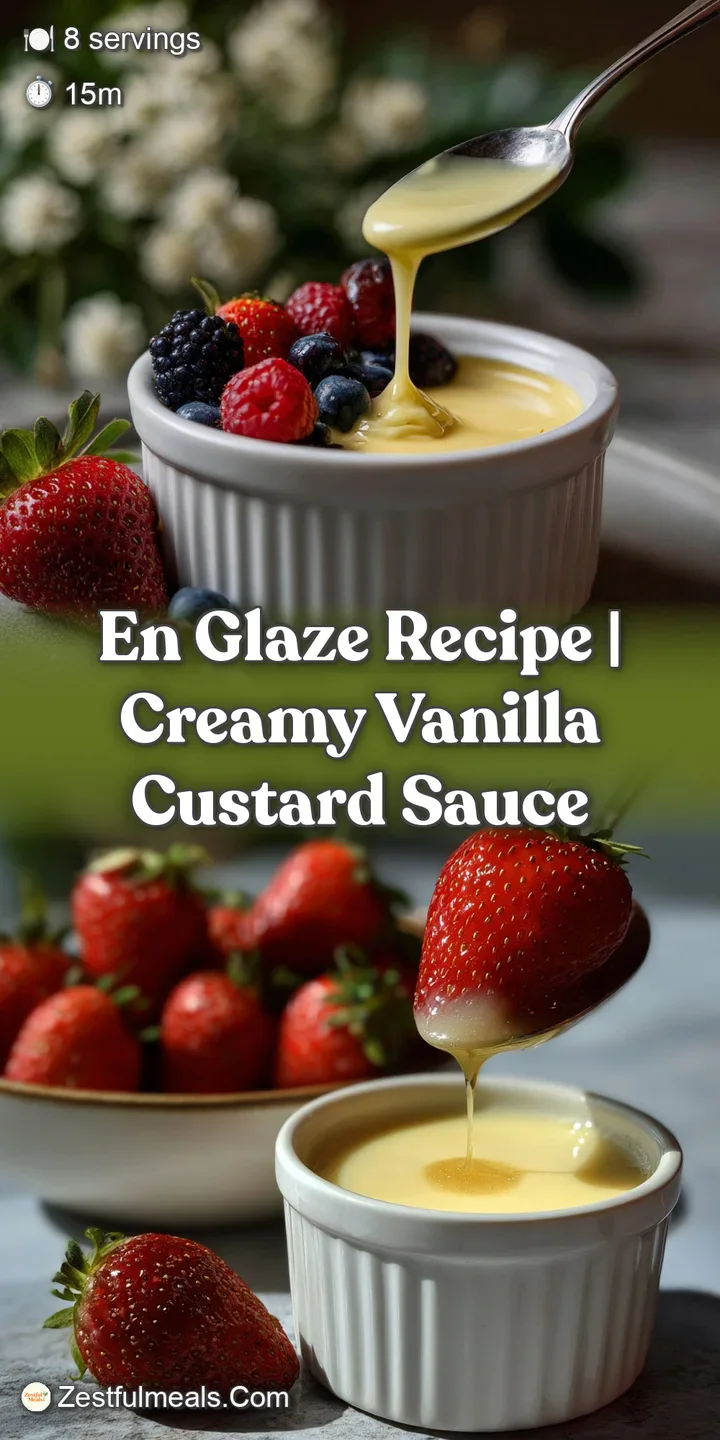
Recipe FAQs
What is crème anglaise made of?
Primarily milk, egg yolks, sugar, and vanilla. These ingredients are gently heated and stirred until they form a light, pourable custard sauce.
What is the difference between custard and crème anglaise?
Crème anglaise is a thin, pourable custard sauce. Traditional custard often contains cornstarch or flour and is baked or cooked to a thicker, spoonable consistency, like a dessert pudding.
Is crème anglaise just melted ice cream?
No, it's quite the opposite. Crème anglaise is the base custard mixture used to make ice cream, rather than melted ice cream itself. If you master the silkiness of a classic en glaze recipe, you'll see how it forms the foundation for many frozen desserts.
How to make crème anglaise?
Warm milk and cream with vanilla, then temper egg yolks and sugar. Slowly combine the egg mixture back into the dairy and cook gently, stirring constantly, until it thickens enough to coat the back of a spoon.
Can I use a blender to fix curdled crème anglaise?
Yes, a blender can often save it. Pulse the curdled sauce in a blender for a few seconds; this mechanical action can break up overcooked egg proteins and restore a smoother texture. If you enjoyed controlling the texture here, see how the same whisking principle helps achieve a stable emulsion in our Fried Pickle Dipping Sauce Recipe: Creamy Zing.
What's the best way to store leftover crème anglaise?
Press plastic wrap directly onto the surface and refrigerate. This prevents a skin from forming and keeps it fresh in an airtight container for up to 3 days. Do not freeze, as it can break the emulsion.
Can I add flavorings to crème anglaise?
Absolutely! You can infuse the milk with ingredients like citrus zest, coffee beans, or spices before heating, or whisk in melted chocolate or fruit purees once it's cooked. If you enjoy the versatility of sauces, you might also like exploring how to create a rich Chicken and Shrimp Alfredo Sauce: Velvety Cream.
En Glaze Recipe
Ingredients:
Instructions:
Nutrition Facts:
| Calories | 196 kcal |
|---|---|
| Protein | 4.0 g |
| Fat | 15.6 g |
| Carbs | 11.1 g |
| Fiber | 0 g |
| Sugar | 10.8 g |
| Sodium | 51 mg |
