Single Serving French Toast Ready in 10 Minutes
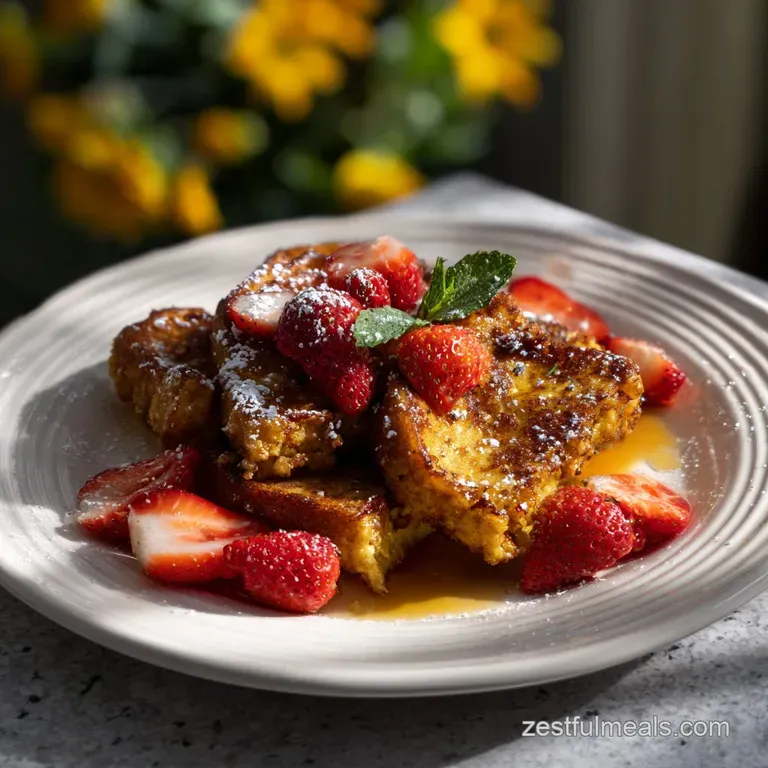
- Time: Active 5 minutes, Passive 5 minutes, Total 10 minutes
- Flavor/Texture Hook: Shatter crisp buttery edges with a velvety, cinnamon spiced core
- Perfect for: Solo breakfast treats, lazy weekend mornings, or a quick pre work luxury
- Achieving Morning Bliss With French Toast For One
- Essential Recipe Specifications
- Required Ingredients and Substitutions
- Best Tools for Success
- Step-by-Step Cooking Guide
- Troubleshooting Common Kitchen Issues
- Creative Flavor Variations
- Storing and Reheating Leftovers
- Perfect Side Dish Pairings
- Solving Your Breakfast Queries
- Recipe FAQs
- 📝 Recipe Card
Ever woken up with a specific craving that just won't quit? I’m talking about that golden, syrup drenched desire for something warm and comforting, but you really don't want to wash five different bowls or deal with a whole loaf of soggy bread.
Cooking for yourself shouldn't mean settling for a cold cereal bar, and honestly, a single serving of something truly decadent is the ultimate form of self care.
That’s where this french toast for one comes into play. It solves the biggest problem with solo cooking: the awkward leftover egg wash. Instead of trying to scale down a massive family recipe and ending up with a mess, we’re using exactly what’s needed for two thick, luxurious slices.
It’s about that immediate gratification of hearing the butter sizzle in the pan and knowing that within minutes, you'll be sitting down to a cafe quality meal.
I remember the first time I tried to make a "small batch" and ended up with a scrambled egg disaster because my pan was too hot and my bread was too thin. This version is different. We’re using thick cut brioche that can actually handle the custard without disintegrating.
It’s a game changer for anyone who loves a good brunch but hates the crowd. Let's get the coffee brewing and jump into the science of why this works so well.
Achieving Morning Bliss With French Toast For One
The magic of this dish lies in the balance of moisture and heat. Most people think you just dip bread in eggs and fry it, but there is a lot of chemistry happening in that short ten minute window.
We are essentially creating a custard inside the bread fibers, then using thermal energy to set those proteins while caramelizing the sugars on the surface.
The Science of Why it Works
- Protein Denaturation: The egg proteins uncoil and bond with the milk fats when heated, creating a semi solid structure that gives the toast its "lift" and velvety mouthfeel.
- Starch Gelatinization: The starch molecules in the brioche absorb the liquid custard and swell, which prevents the bread from feeling dry or chewy after it hits the pan.
- Capillary Action: Stale or thick cut bread acts like a sponge, pulling the vanilla scented liquid into the center of the slice rather than just coating the outside.
- Maillard Reaction: The combination of the sugar in the batter and the natural sugars in the brioche reacts with the amino acids in the egg at high heat, creating that deep brown color and complex flavor.
Component Analysis
| Ingredient | Science Role | Pro Secret |
|---|---|---|
| 1 Large Egg | Emulsifier & Binder | Whisk until no streaks of white remain for a smooth coating. |
| 2 slices Brioche | Structural Base | Use bread that is slightly dry to maximize liquid absorption. |
| 1 tbsp Unsalted Butter | Heat Transfer | Watch for the foam to subside; that's the signal to start frying. |
Essential Recipe Specifications
When you're making toast for one, the margins for error are slim. You want a recipe that is efficient but doesn't skip on the technical details that separate "good" from "unforgettable."
This recipe is designed for a single person using standard kitchen tools. We aren't looking for a massive production here. We want a fast, reliable method that delivers a high impact flavor profile. By focusing on thick slices, we ensure that the center stays soft while the outside gets that beautiful crust.
If you usually struggle with your breakfast being too soggy, the trick is often in the bread choice and the temperature of your skillet.
Quick Fix Guide
| Problem | Root Cause | Fix |
|---|---|---|
| Soggy Center | Heat was too high | Cook on medium low to allow heat to penetrate the middle. |
| Burned Edges | Butter smoked too much | Use a mix of butter and a drop of oil, or lower the flame. |
| Bland Flavor | Lack of seasoning | Don't skip the sea salt; it makes the vanilla and cinnamon pop. |
Required Ingredients and Substitutions
To get that bistro style finish, I highly recommend using a high-quality loaf. For this recipe, I’m partial to St. Pierre Brioche Loaf because it has that rich, buttery crumb that holds up to a long soak.
For the spices, McCormick Ground Cinnamon provides a consistent, warm bite that pairs perfectly with a splash of Nielsen Massey Vanilla Extract.
- 1 Large Egg: The glue of the recipe. Why this? Provides structure and richness to the custard base.
- 3 tbsp Whole Milk: The hydrating agent. Why this? Thins the egg for better bread penetration.
- 1/2 tsp Vanilla Extract: The aromatic backbone. Why this? Adds depth and a "bakery" scent to the dish.
- 1/4 tsp Ground Cinnamon: The primary spice. Why this? Cuts through the richness of the egg and butter.
- 1 tsp Granulated Sugar: For caramelization. Why this? Encourages the Maillard reaction for a crisp crust.
- 1 pinch Sea Salt: The flavor enhancer. Why this? Balances the sweetness and amplifies the spice notes.
- 2 slices Brioche bread, 1 inch thick: The foundation. Why this? High fat content ensures a tender, cake like texture.
- 1 tbsp Unsalted Butter: The cooking medium. Why this? Adds flavor and creates a golden brown exterior.
Smart Ingredient Swaps
| Original Ingredient | Substitute | Why It Works |
|---|---|---|
| Whole Milk (3 tbsp) | Heavy Cream (3 tbsp) | Adds more fat for an even richer, more decadent custard. |
| Granulated Sugar | Brown Sugar | Adds molasses notes and a deeper, darker caramelization. |
| Brioche Bread | Challah Bread | Similar egg heavy dough that absorbs liquid well without falling apart. |
Best Tools for Success
You don't need a professional kitchen for this, but the right pan makes a world of difference. I almost always reach for my Lodge 10 inch Cast Iron Skillet. It holds heat beautifully and creates a crust that non stick pans just can't match.
If you're worried about sticking, a high-quality All Clad Non Stick Fry Pan is a great alternative.
You'll also need a shallow bowl or a pie plate. A standard cereal bowl is often too narrow, forcing you to squish the bread. A flat bottomed vessel allows the bread to sit level, ensuring it absorbs the custard evenly across the entire surface.
Finally, a sturdy silicone spatula from OXO will help you flip those thick slices without tearing the delicate, soaked bread.
Precision Checkpoints
- The Soak: Exactly 30 seconds per side. Any longer and the brioche might collapse; any shorter and the center stays dry.
- The Sizzle: Wait until the butter stops bubbling. This indicates the water has evaporated and the fat is at the optimal 350°F (175°C) for searing.
- Internal Set: The toast is done when the center feels springy to the touch, roughly 3 minutes per side.
step-by-step Cooking Guide
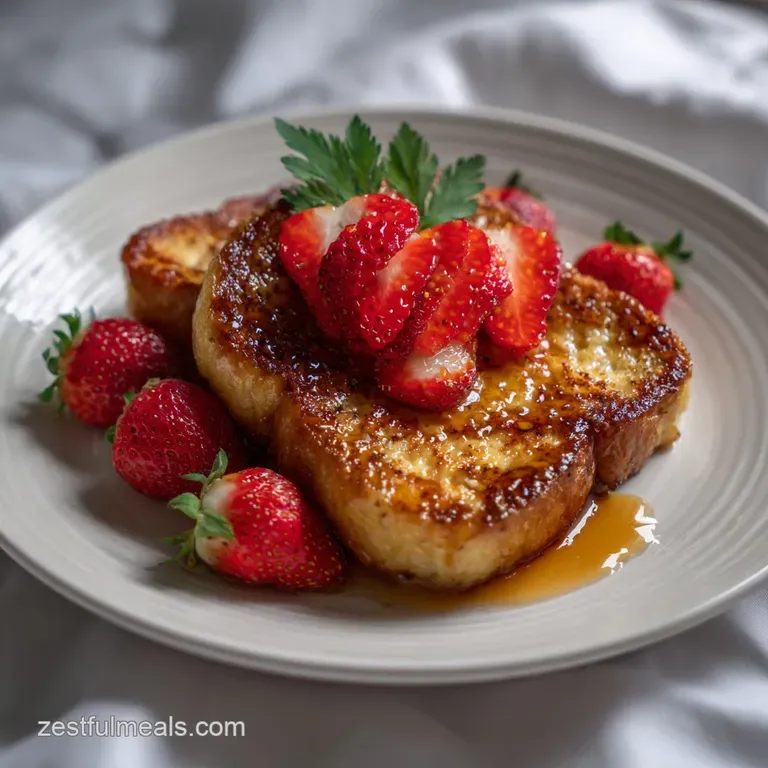
Ready to get started? This is a fast paced process, so make sure your coffee is already poured.
Whisking the Silky Custard
- Crack the egg. Into a shallow dish, drop your large egg and whisk it vigorously. Note: You want a uniform yellow color with no visible whites.
- Combine the liquids. Pour in the 3 tbsp of whole milk and the 1/2 tsp of vanilla extract.
- Season the mix. Sprinkle in the 1/4 tsp of cinnamon, 1 tsp of sugar, and that vital pinch of sea salt.
- Whisk again. Make sure the cinnamon is distributed. It tends to clump, so keep whisking until it’s mostly integrated.
Saturating the Slices
- Place the bread. Lay your two thick slices of brioche into the custard.
- Time the flip. Let them sit for 30 seconds, then flip. Note: The bread should feel heavy but not like it's falling apart.
- Prep the pan. While the second side soaks, melt the 1 tbsp of unsalted butter in your skillet over medium low heat.
Searing for a Shattering Crust
- Add to skillet. Once the butter is foaming and quiet, gently lay the slices in.
- Fry the first side. Cook for 3 to 4 minutes. Listen for a gentle sizzle and look for the edges to turn opaque.
- Final flip. Turn the slices over and cook for another 3 minutes until golden and crackling.
Chef's Tip: If you want an extra crunchy crust, sprinkle a tiny bit of extra sugar directly onto the uncooked side of the bread right before you flip it into the butter. It creates a brûlée effect that is absolutely stunning.
Troubleshooting Common Kitchen Issues
Even the simplest meals can hit a snag. If you find your toast isn't coming out quite right, don't sweat it. Most issues come down to heat management or bread prep.
Why Your Toast Is Soggy
This is the number one complaint I hear. If the outside is dark but the inside is still liquid, your heat is way too high. The outside sears before the heat has a chance to cook the egg proteins in the middle. Think of it like a steak; you need time for the heat to travel. Lower your flame next time. If you’re already in the middle of cooking and notice this, just pop the whole pan into a 350°F oven for five minutes to finish the center. This is a technique often used in our Simple French Toast Recipe for larger batches.
Rescuing Burnt Butter
Butter has a low smoke point. If your pan starts smoking and the butter turns black, wipe it out immediately with a paper towel and start over. Burnt butter tastes bitter and will ruin the delicate vanilla notes. To prevent this, you can add a teaspoon of neutral oil (like canola) to the butter.
The oil raises the overall smoke point, giving you a bit more wiggle room.
Small Batch Scaling
| Quantity | Adjustment | Pro Tip |
|---|---|---|
| Half Batch | Use 1 egg yolk + 1 tbsp milk | Hard to do with a whole egg; use just the yolk for richness. |
| Double Batch | 2 eggs, 5 tbsp milk, 2x spices | Don't double the salt; 1.5x is usually enough. |
| Triple Batch | 3 eggs, 1/2 cup milk | Use a larger griddle to avoid crowding the pan. |
Creative Flavor Variations
Once you’ve mastered the base recipe, you can start playing with the profile. Since you’re only making toast for one, it’s the perfect time to experiment with weird and wonderful flavors without risking a whole family's breakfast.
Infusing Orange Zest & Nutmeg
Try adding the zest of half an orange and a grating of fresh nutmeg to the custard. The citrus oils cut through the fat of the brioche beautifully. It creates a bright, morning appropriate flavor that reminds me of high end hotel brunches. If you enjoy these bright flavors, you might also like the citrusy notes often found in our Overnight Oats for recipe variations.
Stuffed Almond Butter Center
For a more filling version, cut a slit into the top of your thick brioche slice to create a pocket. Smear a tablespoon of almond butter inside before soaking. The heat from the pan will melt the nut butter into a warm, gooey center.
It’s a bit more effort, but the contrast between the salty nut butter and the sweet syrup is incredible.
Going dairy-free
You can easily swap the whole milk for full fat coconut milk. It gives the custard a slightly tropical, nutty undertone and maintains that creamy mouthfeel. Just make sure the coconut milk is well shaken before measuring.
I’ve found that almond milk works too, but it’s thinner, so you might want to add an extra teaspoon of flour to the custard to help it thicken up during cooking.
Storing and Reheating Leftovers
While this recipe is designed to be eaten immediately, life happens. If you find yourself unable to finish both slices, you can store the cooked toast in the fridge for up to two days. Wrap it tightly in foil or place it in an airtight container to prevent it from absorbing fridge odors.
To reheat, avoid the microwave at all costs it will turn your beautiful crust into a rubbery mess. Instead, use a toaster oven or a dry skillet over medium heat. This will crisp up the exterior again while warming the center. If you want to prep ahead, you can actually freeze cooked slices.
Let them cool completely, wrap them in parchment paper, and store in a freezer bag for up to a month. Pop them straight into the toaster from the freezer for a five minute breakfast.
Zero Waste Tip: If you have leftover custard, don't pour it down the drain. You can whisk in a little more milk and a pinch of flour to make a tiny batch of pancake batter, or even scramble it in a separate pan for a "sweet" scrambled egg treat.
Perfect Side Dish Pairings
To round out your solo brunch, think about contrasting textures and flavors. A few strips of crispy bacon or a side of salty breakfast sausage provides a savory counterpoint to the sweet, syrupy toast.
I also love a small bowl of fresh berries the acidity of raspberries or blueberries cuts through the richness of the egg and butter perfectly.
Decision Shortcut: If you want X, do Y - Extra Crisp? Coat the soaked bread in crushed cornflakes before frying. - Lighter Feel? Use sourdough instead of brioche for a tangy, less dense bite.
- More Decadent? Top with a dollop of mascarpone cheese and a drizzle of honey.
If you’re looking for a more savory start to your day, you could even pair a single slice with something from our Breakfast Burritos recipe collection for a full "sweet and salty" spread.
Solving Your Breakfast Queries
There's a lot of folklore surrounding the "perfect" french toast. Let's clear the air on a few things.
Brioche vs. Sourdough Excellence
I’m often asked which bread is truly better. Brioche is the gold standard because of its high egg and butter content, which mimics the custard itself. However, sourdough is a fantastic runner up. The natural acidity of sourdough balances the sugar in the recipe, and the sturdy crust provides a great chew.
If you use sourdough, increase the soak time to 45 seconds per side, as the tighter crumb takes longer to hydrate.
The Myth of Fresh Bread
One of the biggest misconceptions is that you should use the freshest bread possible. In reality, "stale" bread (bread that has been left out for 24 hours) is actually superior. As bread stales, it loses moisture, which leaves the internal structure open and ready to absorb the custard.
Fresh bread is already full of moisture, meaning the custard just sits on the surface, often leading to that dreaded soggy middle. If your bread is too fresh, pop the slices in a low oven (300°F) for 5 minutes to dry them out before soaking.
Butter vs. Oil Results
Some people swear by oil because it doesn't burn as easily, but you lose out on so much flavor. Butter contains milk solids that caramelize and create that classic "toasty" aroma. The compromise? Use unsalted butter so you can control the salt level yourself, and keep the heat at a steady medium low.
If you see the butter browning too quickly, just lift the pan off the heat for a few seconds to let the temperature drop.
This french toast for one is more than just a meal; it's a way to make any morning feel a little bit more special. It's fast, it's efficient, and it delivers every single time. So, the next time you're on your own for breakfast, don't reach for the cereal reach for the brioche. You deserve it.

Recipe FAQs
What is the ideal type of bread for this single serving recipe?
Brioche is highly recommended. Its high fat and egg content provides the structure needed to absorb the custard without disintegrating during cooking.
Should I use fresh or slightly stale bread for the best soak?
Slightly stale bread is superior. Bread that is about 24 hours old has lost moisture, allowing the internal fibers to fully absorb the liquid custard mixture.
How long should each side of the bread soak in the egg wash?
Aim for exactly 30 seconds per side. This brief soak time ensures the liquid penetrates the center without making the brioche too saturated and prone to falling apart.
What heat level should I use to prevent a soggy center?
Cook on medium low heat. High heat sets the exterior too fast, leaving the center undercooked; lower heat allows thermal energy to penetrate and set the egg proteins throughout the slice.
Can I substitute the butter for oil in the skillet?
Yes, but you sacrifice flavor. Butter provides necessary milk solids that caramelize and create the classic toasted aroma and flavor profile.
How can I ensure a shatter crisp exterior crust?
Wait until the butter foam subsides before frying. This indicates the butter has reached the optimal temperature for searing and achieving that deep, caramelized Maillard reaction.
What is the best way to reheat leftover French toast?
Use a toaster oven or a dry skillet. Avoid the microwave entirely, as it turns the crisp exterior into a rubbery texture; dry heat restores the necessary crust.
French Toast For One
Ingredients:
Instructions:
Nutrition Facts:
| Calories | 487 calories |
|---|---|
| Protein | 15.8g |
| Fat | 26.8g |
| Carbs | 46.7g |
| Fiber | 1.8g |
| Sugar | 6.5g |
| Sodium | 520mg |
