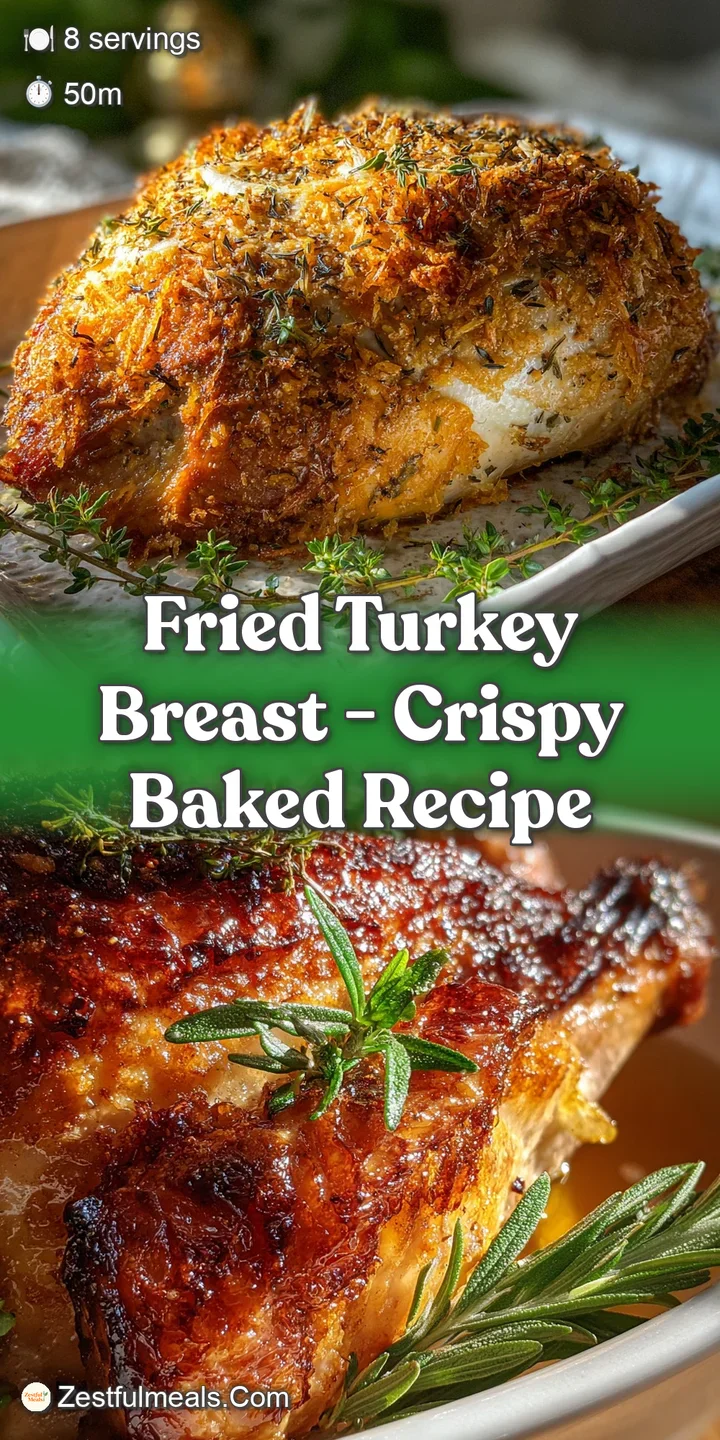
Fried Turkey Breast
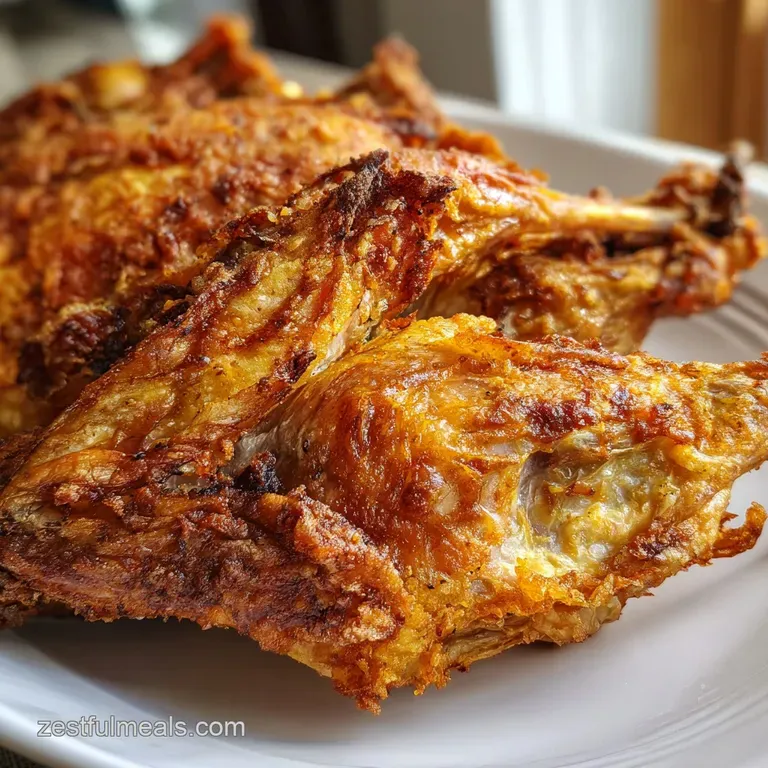
- Time: Active 20 mins, Passive 30 mins, Total 50 mins
- Flavor/Texture Hook: Shatter crisp skin with buttery, citrus infused meat
- Perfect for: Thanksgiving alternatives, Sunday family dinners, or holiday meal prep
- Mastering the Best Fried Turkey Breast
- Essential Time and Temperature Specs
- Analyzing Our Flavorful Ingredients
- Essential Gear for Safe Frying
- Step-by-Step Golden Frying Method
- Avoiding Common Cooking Pitfalls
- Budget Friendly Substitutions and Swaps
- Storing and Using Every Scrap
- Presentation and Carving Techniques
- High in Sodium
- Fried Turkey Breast FAQs
- 📝 Recipe Card
Mastering the Best Fried Turkey Breast
Imagine the sound of a knife hitting a crust so brittle it shatters like glass, followed by the sight of steam rising from meat that is actually glistening with juice. That is the magic of a Fried Turkey Breast.
For years, I struggled with dry, sawdust like turkey at family gatherings until I finally decided to skip the oven entirely. This method is the ultimate solution for anyone who loves the flavor of a deep fried bird but doesn't want to commit to a 20 pound monster.
The beauty of focusing on just the breast is the control you gain. We’re dealing with a manageable 2.95 kg piece of protein, which means the oil temperature stays stable and the cook time is short enough that the meat doesn't stand a chance of drying out.
It is a total lifesaver for busy weeknights or smaller holiday groups where you want the "wow" factor without the three day prep period.
I remember the first time I tried this; I was terrified of the oil. But once I realized that a smaller breast is much safer to handle than a whole turkey, it became my go to. We are going to use a simple butter injection and a dry rub that creates a crust so flavorful you won't even need gravy.
Trust me, once your family hears that first crunch, there is no going back to the roasting pan.
The Science of Why it Works
Maillard Reaction: The high, even heat of the peanut oil triggers a rapid chemical reaction between amino acids and reducing sugars, creating hundreds of different flavor compounds and that characteristic golden brown crust.
Protein Denaturation: The fast cook time and fat based injection prevent the muscle fibers from tightening too aggressively, which is what usually squeezes out all the moisture in slow roast methods.
Essential Time and Temperature Specs
When you are working with hot oil and a 2.95 kg bird, precision is your best friend. This is not the time to "eyeball it" or guess when the meat is done. Because we are using a smaller cut, the carryover cooking is significant. Just like the technique used in my Broiled Chicken Thighs recipe, monitoring the internal temperature is the difference between a succulent dinner and a literal hot mess.
The following table breaks down exactly what you should look for. Keep in mind that oil temperature will drop the second you submerge the turkey, so we preheat slightly higher than our target cooking temp to compensate for that initial thermal shock.
| Turkey Thickness | Internal Temp | Rest Time | Visual Cue |
|---|---|---|---|
| 10 cm (Thickest) | 68°C (155°F) | 15 minutes | Juices run clear, skin is mahogany |
| 7.5 cm (Medium) | 68°C (155°F) | 12 minutes | Crust is rigid and golden |
| 5 cm (Thin/Cutlets) | 71°C (160°F) | 5 minutes | Even browning across surface |
Giving the meat a proper rest is non negotiable. During those 15 minutes on the cutting board, the internal temperature will climb to the safe 74°C (165°F) while the juices redistribute into the fibers.
If you slice it too early, all that hard earned moisture will just end up on your counter.
Analyzing Our Flavorful Ingredients
Let's talk about the components that make this Fried Turkey Breast stand out. We aren't just tossing a piece of meat into oil; we are building layers of flavor. Using high-quality fats and specific seasonings ensures that every bite is seasoned from the inside out.
I’ve found that using unsalted butter allows me to control the sodium levels perfectly, which is essential when you're also using a generous amount of Kosher salt for the rub.
| Ingredient | Science Role | Pro Secret |
|---|---|---|
| Peanut Oil | High smoke point (232°C) | Offers a neutral base that won't burn or add bitter notes |
| Kosher Salt | Moisture retention | Large grains draw out surface moisture for a crispier skin |
| Lemon Juice | Acidic tenderizer | Breaks down tough proteins in the breast for a softer texture |
For the Turkey
The core of this recipe is a 2.95 kg turkey breast. You can use bone in or boneless, though bone in tends to be a bit more forgiving if you accidentally overcook it by a minute or two. We then create a flavorful injection using 115 g of melted unsalted butter mixed with 15 ml of lemon juice.
This adds fat and brightness directly into the muscle.
The Flavor Injection
The dry rub is where the "pop" comes from. We use 45 ml of Kosher salt, 15 ml of smoked paprika for that deep color and hint of wood fire flavor, and 5 ml each of garlic and onion powder. This mixture creates a savory "bark" on the skin. If you’re looking for a tangy side to serve alongside this, the flavors pair beautifully with my Fried Pickle Dipping recipe.
Ingredients and Substitutes
- 2.95 kg Turkey Breast: Bone in preferred. Why this? The bone acts as an insulator, ensuring the meat cooks more evenly throughout.
- Substitute: Large Roasting Chicken (will cook faster, reduce time by 10 mins).
- 11.4 Liters Peanut Oil: Crucial for over high heat safety. Why this? It has a high smoke point and doesn't transfer flavors between batches.
- Substitute: Vegetable oil or Canola oil (similar smoke point, less nutty aroma).
- 115 g Unsalted Butter: Melted for the injection. Why this? Provides internal fat that keeps the lean breast meat from becoming stringy.
- Substitute: Ghee (richer flavor) or Olive oil (use for dairy-free needs).
- 45 ml Kosher Salt: For the dry brine. Why this? The coarse texture is easier to distribute evenly than fine table salt.
- Substitute: 30 ml Sea salt (finer grains, use less volume).
- 15 ml Smoked Paprika: Adds color and depth. Why this? It gives the turkey a "roasted" look even though it's fried.
- Substitute: Sweet paprika with a drop of liquid smoke.
Essential Gear for Safe Frying
Before you even touch the turkey, you need to have your station set up. Deep frying is a "mise en place" sport once that oil is hot, there is no time to go hunting for a thermometer in the junk drawer.
I always tell my friends to treat the frying station like a restricted zone; keep kids and pets far away and ensure your pot is on a stable, level surface.
You will need a large stockpot or a dedicated turkey fryer. Since we are only doing a breast, a 10-12 liter pot usually suffices, but you must ensure there are at least 10-15 cm of "headspace" above the oil level to account for bubbling.
You also need a meat injector the plastic ones are fine, but a stainless steel one is a great budget investment that lasts forever.
Finally,, get a reliable digital probe thermometer. An instant read thermometer is great for checking the meat, but a clip on candy or oil thermometer is essential for monitoring the oil itself. If the oil gets too cool, the turkey will be greasy; too hot, and the skin will burn before the middle is safe to eat.
step-by-step Golden Frying Method
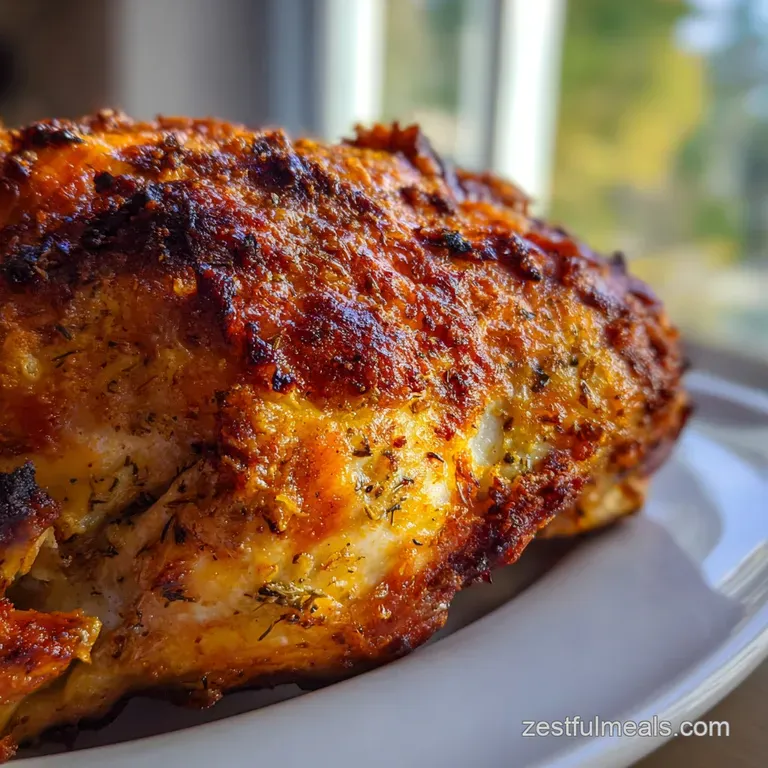
- Prep the bird. Pat the 2.95 kg turkey breast completely dry with paper towels. Note: Surface moisture causes the oil to splatter dangerously.
- Inject the flavor. Combine the 115 g melted butter and 15 ml lemon juice. Inject 15 ml of the mixture into several spots across the thickest parts of the breast.
- Apply the rub. Mix the 45 ml salt, 15 ml smoked paprika, and 5 ml each of garlic and onion powder. Rub it all over the skin and under the skin where possible.
- Heat the oil. Pour 11.4 liters of peanut oil into your pot and heat to 175°C (350°F) until the oil begins to shimmer and a pinch of flour sizzles instantly.
- Submerge slowly. Using a turkey hook or a sturdy basket, lower the breast into the oil very slowly. until the bubbling stabilizes and the bird is fully covered.
- Maintain temperature. Adjust your heat source to keep the oil between 160°C and 170°C. Note: The temp will drop initially; don't panic, just nudge the heat up slightly.
- Fry the breast. Cook for about 30 minutes (roughly 10 minutes per kg). until the skin is a deep mahogany brown.
- Check doneness. Lift the breast out and insert a thermometer into the thickest part. until it reads 68°C (155°F).
- Rest the meat. Place the turkey on a wire rack over a baking sheet for 15 minutes. Note: This allows the juices to settle and the internal temp to reach 74°C.
- Carve and serve. Slice against the grain for the most tender bites. until you see the glistening, moist interior.
Avoiding Common Cooking Pitfalls
The biggest mistake I ever made was trying to fry a turkey breast that was still slightly "icy" in the center. Water and hot oil are mortal enemies. When ice hits 175°C oil, it expands into steam instantly, causing the oil to boil over.
Always ensure your turkey is fully thawed and has sat at room temperature for about 30 minutes before it hits the pot.
Another issue is the "soggy skin" syndrome. This usually happens when people rest the turkey directly on a flat plate or cutting board. The steam from the bottom of the bird gets trapped, turning that crispy skin into a rubbery mess. Always use a wire cooling rack so air can circulate all the way around the breast.
Why Your Turkey is Dry
If your meat feels like cardboard, it’s almost always a timing issue. Because the heat is so intense, even three minutes of overcooking can ruin the texture. Always pull the meat at 68°C.
If you wait until it hits 74°C in the oil, it will climb to nearly 80°C while resting, which is way too high for lean white meat.
| Problem | Root Cause | Solution |
|---|---|---|
| Skin is black but raw inside | Oil temperature too high | Lower heat; keep oil at 165°C max |
| Greasy, oily meat | Oil temperature too low | Ensure oil returns to 175°C before adding bird |
| Injection leaked out | Pierced too many holes | Use fewer, deeper injection sites; angle the needle |
Common Mistakes Checklist
- ✓ Never fill the pot more than halfway with oil to prevent overflow.
- ✓ Always turn off the burner flame before lowering the turkey into the pot.
- ✓ Verify the turkey is 100% dry; even a few drops of water cause pops.
- ✓ Let the bird sit at room temperature for 30 mins to ensure even cooking.
- ✓ Use a dedicated carving knife to avoid tearing the delicate crispy skin.
Budget Friendly Substitutions and Swaps
Fried turkey doesn't have to be an expensive endeavor. While peanut oil is the gold standard for its high smoke point, it can be pricey. If you're on a budget, a blend of canola and vegetable oil works nearly as well for a fraction of the cost.
Just make sure the oil is fresh; old oil has a lower smoke point and can impart "off" flavors to your beautiful bird.
If you don't have a meat injector, don't worry. You can create a "compound butter" with the same ingredients and slide it under the skin of the breast. It won't penetrate quite as deeply as an injection, but it will still provide that essential moisture barrier and flavor boost.
| Original Ingredient | Substitute | Why It Works |
|---|---|---|
| Peanut Oil (11.4 L) | Canola Oil (11.4 L) | High smoke point (204°C). Note: Slightly less nutty flavor but very budget friendly |
| Kosher Salt (45 ml) | Fine Table Salt (30 ml) | Same salinity. Note: Harder to measure by volume; use 1/3 less than called for |
| Unsalted Butter (115 g) | Margarine or Oil (115 g) | Adds necessary fat. Note: Margarine adds more salt; reduce the rub salt slightly |
When it comes to scaling this recipe, keep it simple. If you are cooking for a larger crowd and need to do two breasts, do not try to fry them at the same time unless you have a commercial sized vat.
Frying two 2.95 kg breasts in a standard home pot will drop the oil temperature so low that the meat will boil in oil rather than fry, resulting in a greasy mess. Instead, fry them in batches. The first breast will stay plenty warm in a low oven (around 90°C) while the second one cooks.
For smaller families, you can easily use half a breast (about 1.5 kg). Simply reduce the fry time by about 35%, but keep the oil temperature exactly the same. The science of the crust remains identical regardless of the size of the meat.
Storing and Using Every Scrap
Leftover Fried Turkey Breast is a gift that keeps on giving. I actually think the flavor deepens after a night in the fridge. You can store the meat in an airtight container for up to 4 days. If you want to keep it longer, it freezes beautifully for up to 3 months.
Just make sure to wrap it tightly in plastic wrap and then foil to prevent freezer burn.
Don't you dare throw away those bones! A fried turkey carcass makes the most incredible, smoky stock you’ve ever tasted. Simmer the bones with some onions, carrots, and celery for a few hours, and you'll have a base for a soup that rivals any restaurant. It’s also a great way to use up leftovers for a quick meal, similar to how I use pantry staples in my Sardines In Tomato Sauce recipe.
Debunking Kitchen Myths
- Myth: You must use a whole turkey for flavor. Truth: The breast contains the most meat and, when fried correctly, carries the flavor of the rub and injection just as well as a whole bird without the waste.
- Myth: Deep frying "locks in" juices. Truth: Frying creates a dry surface (the crust), but the juiciness comes from not overcooking the internal proteins and using a fat based injection.
Presentation and Carving Techniques
When you're ready to serve, the "shatter reveal" is the best part. I like to bring the whole breast to the table on a large wooden board decorated with fresh herbs like rosemary or sage. It looks much more impressive than pre sliced meat.
Use a long, serrated bread knife or a very sharp carving knife to slice the breast.
The trick to a professional look is slicing across the grain. If you look closely at the meat, you'll see the muscle fibers running in one direction. Cut perpendicular to those lines. This shortens the fibers, making every bite feel much more tender.
If you've done it right, the skin should stay attached to each slice, providing that perfect contrast of crunch and velvet soft meat.
For a family style vibe, I often serve the slices on a platter with a small bowl of the remaining butter lemon mixture for dipping. If you're feeling adventurous, try serving this alongside a bowl of Hawaiian Fried Rice recipe — the sweetness of the pineapple is a wild but delicious counterpoint to the smoky, salty turkey. It might not be traditional, but in my house, it's the meal everyone asks for.
High in Sodium
855 mg mg of sodium per serving (37% % of daily value)
The American Heart Association recommends limiting sodium intake to no more than 2,300mg per day for most adults. Ideally, most adults should aim for no more than 1,500mg per day.
Tips to Reduce Sodium in Your Turkey Recipe
-
Reduce Salt-25%
Kosher salt is a major source of sodium in this recipe. Try reducing the amount of Kosher salt by 25%, from 45 ml to 33.75 ml. You can always add more to taste after cooking, but it's easier to control the sodium levels this way.
-
Boost Lemon Juice-5%
Increase the amount of lemon juice. Adding more lemon juice can enhance the flavor profile and provide a tangy zest, potentially allowing you to use even less salt without sacrificing taste. Consider doubling the lemon juice from 15 ml to 30 ml.
-
Omit Garlic & Onion Powder-5%
Consider omitting garlic and onion powder to further reduce sodium content. Fresh garlic and onion can provide a richer flavor without any added sodium.
-
Spice it Up!
Experiment with other herbs and spices to enhance flavor without adding sodium. Consider using fresh herbs like rosemary, thyme, or sage to complement the turkey and smoked paprika.
Fried Turkey Breast FAQs
How long does it take to fry a turkey breast?
Approximately 30 minutes for a 2.95 kg breast. This time is a general guideline, with about 10 minutes per kilogram, but always rely on an internal temperature check.
Is fried turkey breast good?
Yes, it can be exceptionally good. When fried correctly, it offers incredibly moist meat and a shatteringly crisp skin, far superior to dry roasted turkey for many.
How long to pan fry turkey breast?
Pan-frying is not recommended for turkey breast. Deep frying or oven roasting are far more effective methods for cooking a turkey breast thoroughly and safely. Pan-frying would likely result in uneven cooking and a dry interior.
What is the best method of cooking a turkey breast?
Deep frying or oven roasting are generally considered the best methods. Deep frying yields an exceptionally crisp skin and moist meat quickly, while oven roasting, especially with brining or butter injection, can also produce excellent results.
Can I use frozen turkey breast for frying?
No, never fry a frozen or partially frozen turkey breast. The ice will cause dangerous splattering and can lead to uneven cooking and a greasy texture. Ensure the breast is fully thawed and ideally has rested at room temperature for about 30 minutes before frying.
How do I prevent fried turkey breast from being dry?
Don't overcook it and use an internal thermometer. Pull the turkey breast when it reaches 68°C (155°F) in the thickest part, as it will continue to cook while resting. Injecting it with butter and lemon juice also adds crucial internal moisture.
What temperature should the oil be for frying turkey breast?
Start with oil heated to 175°C (350°F). The temperature will drop when you add the turkey, so maintain it between 160°C and 170°C (320°F - 340°F) throughout the cooking process.
Fried Turkey Breast
Ingredients:
Instructions:
Nutrition Facts:
| Calories | 552 calories |
|---|---|
| Protein | 57 grams |
| Fat | 35 grams |
| Carbs | 1 grams |
| Fiber | 0 grams |
| Sugar | 0 grams |
| Sodium | 855 milligrams |
