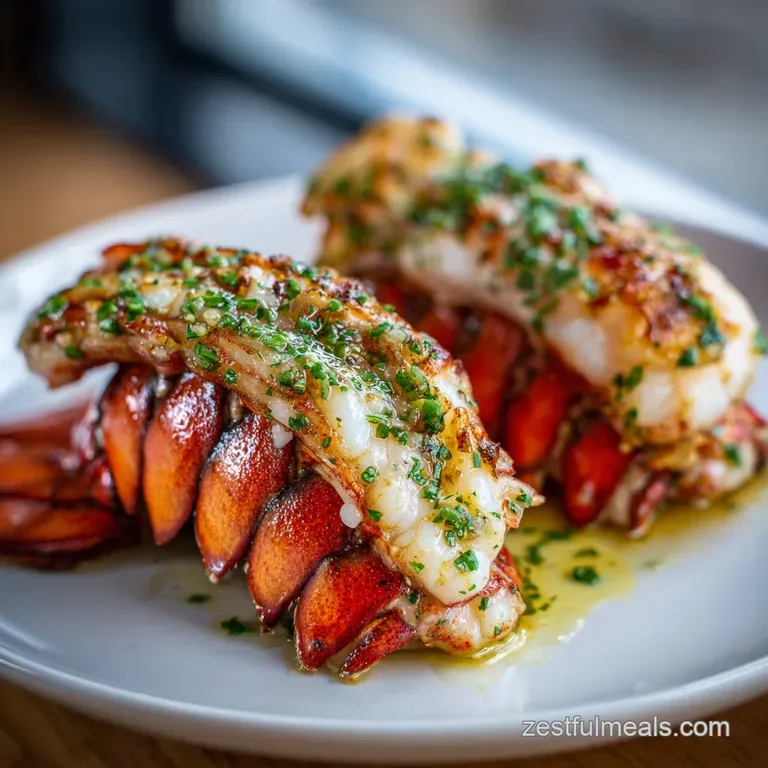
Lobster Idea Food with Garlic Butter
- Time: Active 15 minutes, Passive 12 minutes, Total 27 minutes
- Flavor/Texture Hook: Velvety garlic butter over succulent, flaky lobster meat
- Perfect for: Special weeknight celebrations or a budget-friendly date night
- Why You'll Love This Lobster Idea Food with Garlic Butter
- Essential Statistics for This Lobster Idea Food with Garlic Butter
- Ingredient Science and Component Analysis for This Specific Dish
- Simple Kitchen Tools for Making Your Own Lobster Idea Food
- Bringing It All Together for the Perfect Lobster Finish
- Troubleshooting Problems with Your Lobster Idea Food with Garlic Butter
- Creative Variations and Healthy Substitutes for Your Lobster Dish
- Scaling This Recipe for Larger Crowds
- Preservation Secrets and Zero Waste Tips for Seafood Leftovers
- The Best Sides for This Lobster Idea Food Feast
- Debunking Common Kitchen Myths
- Recipe FAQs
- 📝 Recipe Card
Why You'll Love This Lobster Idea Food with Garlic Butter
The first time I tried to make lobster at home, I was terrified I’d ruin a $40 grocery haul. I remember standing in my kitchen, kitchen shears in hand, sweating over whether I’d overcook it into rubber.
But then the butter started to sizzle in the bowl with the garlic and paprika, and that smoky, savory aroma filled the room. This recipe delivers a decadent Lobster Idea Food with Garlic Butter that's sure to impress.
It’s the kind of meal that makes everyone at the table go silent after the first bite because the texture is just so velvety.
We’ve all seen those fancy seafood towers that cost a week’s worth of groceries, but honestly, doing this at home is so much more rewarding. My kids actually prefer this to the "fancy" restaurant version because we get the garlic levels exactly where we want them strong and punchy.
You don't need a culinary degree or a mountain of equipment, just a little bit of confidence and some good grass fed butter.
I've made the mistakes so you don't have to, like using warm water tails that turned mushy or forgetting to devein. We're going for that classic "butterfly" look where the meat sits right on top of the shell, acting as its own little serving pedestal.
It’s easier than it looks, and I’m going to walk you through every single snip of the shears. Trust me, once you see that white meat puff up and turn golden under the broiler, you’ll never go back to ordering this out.
The Thermodynamics of the Butterfly Shell
Thermal Shielding: The lobster shell acts as a natural heat insulator, protecting the delicate proteins from direct heat while the meat on top roasts. This dual zone cooking ensures the bottom stays tender while the top develops a slight, savory sear.
| Thickness (Tail) | Internal Temp | Rest Time | Visual Cue |
|---|---|---|---|
| 1.5 inches | 140°F (60°C) | 3 minutes | Opaque white, no translucency |
| 2.0 inches | 142°F (61°C) | 4 minutes | Firm to touch, slight curl |
| 2.5 inches | 145°F (63°C) | 5 minutes | Meat pulls away from shell |
Essential Statistics for This Lobster Idea Food with Garlic Butter
When we talk about great seafood, the difference between "okay" and "spectacular" often comes down to the source. I always tell my friends to look for cold water tails, usually from Maine or Canada. They grow slower in the chilly Atlantic, which makes the meat much denser and sweeter than their warm water cousins.
It’s a small price jump that pays off the moment you take that first bite and it doesn't taste like mush.
For a family focused meal, I usually plan on one 6-8 oz tail per adult. If you're stretching the budget, you can serve these alongside a big bowl of my Homemade Alfredo Sauce recipe and some linguine. It turns two tails into a feast for four people without anyone feeling shortchanged.
| Feature | Fresh Lobster | Frozen Lobster | Impact |
|---|---|---|---|
| Texture | Snappy and firm | Can be slightly softer | Fresh has more "pop" |
| Availability | Seasonally limited | Year round | Frozen is more budget friendly |
| Prep Time | Requires cleaning | Often pre cleaned | Frozen saves 5 mins |
The beauty of this Lobster Idea Food with Garlic Butter is how it handles the heat. Because we're using a mix of roasting and a quick broil at the end, the grass fed butter doesn't just sit on top it emulsifies with the lobster’s natural juices.
This creates a built in sauce that coats every fiber of the meat.
Ingredient Science and Component Analysis for This Specific Dish
| Ingredient | Science Role | Pro Secret |
|---|---|---|
| Grass fed Butter | Fat Emulsifier | High beta carotene content gives a deeper golden hue to the meat |
| Smoked Paprika | Maillard Reaction | The tiny sugar content aids browning while adding a "grilled" aroma |
| Lemon Zest | Acid Balance | Essential oils in the skin cut through fat better than just juice alone |
| Cold water Lobster | Protein Structure | Higher collagen levels prevent the meat from becoming stringy during roasting |
The choice of grass fed butter isn't just a health thing; it's a flavor thing. Since lobster is so lean, it needs that high-quality fat to carry the flavors of the garlic and parsley. When the butter melts into the crevices of the meat, it creates a velvety mouthfeel that lower quality butters just can't match.
The Seafood Foundation
- 2 cold water lobster tails (6-8 oz each): The star of the show. Why this? Cold water meat is firmer and sweeter than warm water varieties.
- Sub: Jumbo shrimp (butterfly them similarly).
- 4 tbsp unsalted grass fed butter: Softened to room temperature. Why this? Provides the rich fat needed to keep the meat moist.
- Sub: Ghee or clarified butter for a higher smoke point.
- 3 cloves garlic, minced: Fresh is non negotiable here. Why this? Releases aromatic sulfur compounds that pair perfectly with seafood.
- Sub: 1 tsp garlic confit for a milder, sweeter taste.
The Aromatic Compound Butter
- 1 tsp fresh lemon zest: Just the yellow part, avoid the white pith. Why this? Adds a bright, citrusy high note to balance the heavy butter.
- Sub: 0.5 tsp dried lemon peel if fresh isn't available.
- 0.5 tsp smoked paprika: For color and a hint of depth. Why this? Mimics the flavor of a charcoal grill without the actual smoke.
- Sub: Cayenne pepper if you want a spicy kick.
- 1 tbsp fresh parsley: Finely chopped. Why this? Provides a fresh, earthy contrast to the rich garlic.
- Sub: Fresh chives for a mild onion y finish.
- 0.25 tsp flaky sea salt: Like Maldon or similar. Why this? Adds a crunch and pops of salinity that regular salt lacks.
- Sub: Kosher salt (use half the amount).
- 0.25 tsp cracked black pepper: Freshly ground. Why this? Adds a subtle heat and floral aroma.
- Sub: White pepper for a cleaner look.
The Finishing Touches
- 2 lemon wedges: For serving. Why this? A final squeeze of juice brightens the entire dish right before eating.
- Sub: Lime wedges for a tropical twist.
Simple Kitchen Tools for Making Your Own Lobster Idea Food
You don't need a whole shed of tools for this. A good pair of heavy duty kitchen shears is your best friend. I've tried using a chef's knife to split the shells, and honestly, it's a recipe for a slipped blade and a trip to the ER. The shears let you zip right down the center of the shell with total control.
I also highly recommend using a small offset spatula or even just the back of a spoon to spread that compound butter. You want to get it deep into the cracks of the meat. If you just glob it on top, it'll slide right off into the pan the second it hits the oven heat.
A rimmed baking sheet (like a half sheet pan) is also essential to catch any of that precious butter gold that drips off during the roast.
Chef's Tip: Freeze your butter for exactly 10 minutes before mixing if your kitchen is warm. It helps the garlic and herbs stay suspended in the butter rather than sinking to the bottom of the bowl.
Bringing It All Together for the Perfect Lobster Finish
- Preheat your oven. Set it to 400°F (200°C) and ensure the rack is in the middle position. Note: This temperature allows the lobster to cook through without drying out the exterior.
- Cut the top shell. Using kitchen shears, snip down the center of the top shell toward the tail. Stop exactly before you reach the tail fin.
- Release the meat. Gently pry the shell open with your thumbs and run your finger between the meat and the bottom shell to loosen it. Note: Keep the meat attached at the very end of the tail so it doesn't fall off.
- Butterfly the tail. Lift the meat up and through the slit in the shell, resting it right on top of the closed shell. It should look like the meat is sitting on a throne.
- Remove the vein. Look for the dark digestive tract running down the center and pull it out with a paper towel. Note: This ensures a clean, sweet flavor without any grit.
- Mix the compound butter. In a small bowl, combine the softened grass fed butter, minced garlic, lemon zest, smoked paprika, parsley, sea salt, and pepper.
- Apply the butter. Slather the garlic butter generously over the exposed lobster meat. Make sure to get some under the meat against the shell.
- Roast the tails. Place on a baking sheet and bake for 10-12 minutes until the meat is opaque and the butter is frantically bubbling.
- Flash broil (optional). Turn the broiler to high for the last 60 seconds until the garlic bits turn golden brown.
- Rest and serve. Let the tails sit for 3 minutes before serving with fresh lemon wedges. Note: This allows the juices to redistribute so the meat stays succulent.
Troubleshooting Problems with Your Lobster Idea Food with Garlic Butter
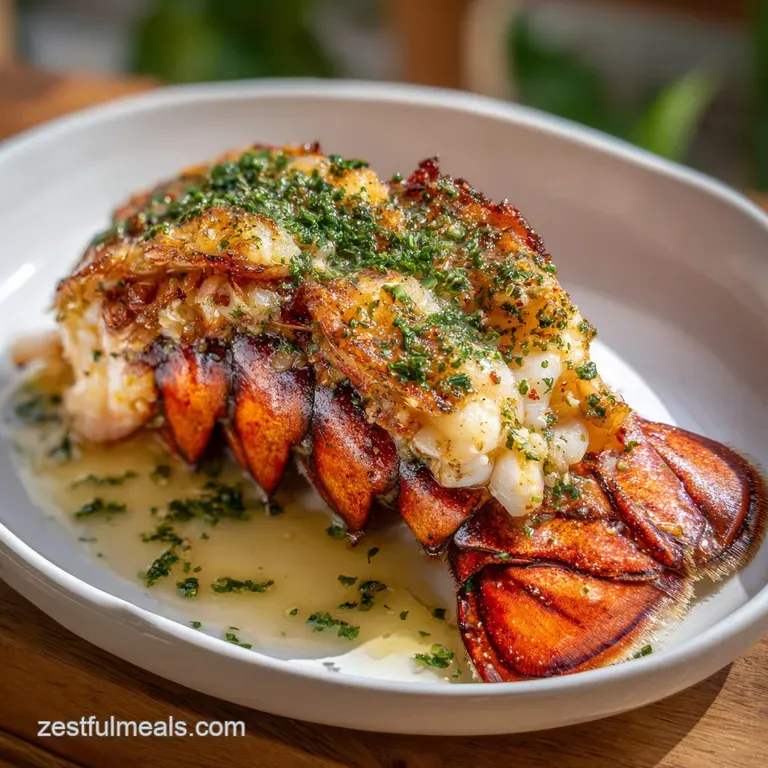
The biggest heartbreak in seafood is the "rubbery tail." It happens to the best of us when we get distracted by a side dish or a ringing phone. If you feel the meat and it's bouncing back like a tennis ball, it's overcooked. The sweet spot is when the meat is just firm but still has a slight "give" to it.
If you're worried about timing, it’s better to pull them out a minute early carryover heat is real!
The Rubbery Texture Trap
If your lobster comes out tough, it's almost always a temperature issue. Lobster meat is incredibly lean and the proteins contract tightly when exposed to high heat for too long. Always use a digital meat thermometer; you're looking for 140°F (60°C).
If you hit 150°F, you're entering the rubber zone.
The Gray Vein Mystery
Sometimes you'll see a dark line after you've already cooked the lobster. While it's technically edible, it can be bitter. If you missed it during prep, you can gently scrape it away with the tip of a knife after roasting.
Next time, make sure to rinse the meat under cold water right after butterflying to clear out any hidden debris.
| Problem | Root Cause | Solution |
|---|---|---|
| Meat is Mushy | Warm water lobster or slow thawing | Switch to cold water tails and thaw in the fridge for 24 hours |
| Butter Burnt | Broiler was too close to the meat | Keep the rack at least 6 inches from the heat source |
| Bland Flavor | Garlic wasn't minced fine enough | Use a microplane for the garlic to release more oils |
Common Mistakes Checklist:
- ✓ Pat the lobster meat completely dry with a paper towel before adding butter (helps the butter stick).
- ✓ Don't cut all the way through the bottom shell; you only want to split the top.
- ✓ Ensure the butter is truly softened, not melted, so it forms a thick crust.
- ✓ Use a thermometer to check the thickest part of the meat, not the shell.
- ✓ Let the lobster rest for 3 minutes to allow the "butter bath" to soak in.
Creative Variations and Healthy Substitutes for Your Lobster Dish
If you're looking to change things up, this recipe is surprisingly flexible. For a "Surf and Turf" night, I love serving this alongside my Creamy Herb Chicken recipe. The herbs in both dishes play off each other beautifully.
Seafood Pasta Lobster (The Luxury Twist)
Take the meat out of the shells after roasting and toss it with fettuccine and a splash of heavy cream. The residual garlic butter from the pan becomes the base of your sauce. It’s an easy way to make a small amount of lobster go a long way for a larger family dinner.
Healthy Lobster Tail Recipe (dairy-free)
You can swap the grass fed butter for high-quality extra virgin olive oil or even coconut oil. If using coconut oil, add a pinch more salt to mimic the savoriness of butter. The texture will be slightly different less "velvety" and more "silky" but it remains a fantastic low carb, high protein option.
Spicy Garlic Butter
If your family likes a bit of heat, add 0.5 tsp of red pepper flakes or a dash of hot sauce to the butter mixture. The capsaicin in the peppers reacts with the fat in the butter to create a slow, warming heat that doesn't overwhelm the sweetness of the lobster.
| Feature | Butter (Original) | Olive Oil (Healthy) | Ghee (Shortcut) |
|---|---|---|---|
| Flavor | Rich, milky | Fruity, light | Nutty, intense |
| Smoke Point | 350°F (175°C) | 410°F (210°C) | 485°F (250°C) |
| Texture | Velvety coating | Clean, light | Very crisp edges |
Scaling This Recipe for Larger Crowds
When you're doubling or tripling this for a dinner party, the main thing to watch is pan crowding. If you cram six tails onto one small baking sheet, they’ll steam instead of roast, and you’ll lose that beautiful golden color.
Use two separate sheets and swap their positions halfway through the cooking time to ensure even heat distribution.
For scaling down to a single serving, the math is easy, but you'll want to reduce the cook time by about 2 minutes since a single tail in a hot oven tends to cook faster than a full tray.
For the butter, you can still make the full 4 tbsp batch trust me, you'll find a use for that leftover garlic butter on a piece of toast the next morning.
Preservation Secrets and Zero Waste Tips for Seafood Leftovers
Lobster is best eaten immediately, but if you have leftovers, the fridge is your friend for up to 2 days. Keep it in an airtight glass container to prevent the "seafood smell" from taking over your refrigerator.
When reheating, avoid the microwave at all costs it'll turn your expensive lobster into a pencil eraser in seconds.
Reheating Pro Tip: Place the leftover tail in a small oven safe dish with a tablespoon of water or extra butter. Cover tightly with foil and heat at 300°F (150°C) for 10 minutes.
This creates a steam chamber that gently warms the meat without drying it out.
Zero Waste Idea: Do not throw away those shells! Put them in a pot with some celery, onion, and water. Simmer for 30 minutes, and you have a world class lobster stock.
I freeze this in ice cube trays and drop a couple of cubes into my risotto or seafood soups whenever I need a boost of umami. It’s basically free flavor that most people just toss in the bin.
The Best Sides for This Lobster Idea Food Feast
Since this is such a rich, buttery main, I usually go for sides that provide a bit of contrast. A crisp green salad with a sharp vinaigrette or some steamed asparagus with a squeeze of lemon works wonders.
If you're going for the full "steakhouse at home" vibe, a baked potato or some garlic mashed potatoes are the classic choice.
If you're feeling adventurous, try serving this with a side of One Pan Steak Bite recipe components minus the pasta. The beefy richness against the sweet lobster is the ultimate pairing. And honestly, don't forget some crusty bread. You're going to want something to mop up all that garlic butter left on the plate it's arguably the best part of the meal!
Debunking Common Kitchen Myths
One of the biggest myths I hear is that you must boil lobster before roasting it to "lock in the flavor." That’s actually backwards. Boiling can dilute the natural sweetness of the meat.
Roasting from raw allows the lobster to cook in its own juices and the butter you've added, leading to a much more concentrated flavor profile.
Another myth is that frozen lobster is always inferior. If the lobster was "flash frozen" at sea, it can actually be fresher than "fresh" lobster that’s been sitting in a tank for a week. The key is how you thaw it. Never use warm water; always let it sit in the fridge overnight.
This keeps the cellular structure intact so the meat stays snappy rather than grainy.
Chef's Note: If you see "Tomalley" (the green stuff inside), don't panic! It’s the lobster's liver and is considered a delicacy by many. However, for this clean butterflied presentation, I usually rinse it away for a more "approachable" look for the family.

Recipe FAQs
How to cook lobster with garlic butter?
Butterfly the tail, coat with compound butter, and roast. Using kitchen shears, split the top shell lengthwise, gently lift the meat out, and rest it on top of the shell. Slather generously with the mixed garlic butter and roast at 400°F (200°C) for 10 12 minutes until opaque.
What to serve with garlic butter lobster tail?
Asparagus or a crisp green salad make excellent counterpoints. Since the lobster is rich, a side that offers acid or brightness is ideal. This pairs beautifully with roasted starches like my Baked Mashed Potatoes recipe for a full steakhouse experience.
What can we make with garlic butter?
Use leftover garlic butter on bread, pasta, or vegetables. This compound butter is versatile; spread it thick on bread before baking or use it as a base for a quick pasta sauce. If you enjoyed mastering the emulsification of the butter here, see how the same principle works when building the base for a Ravioli with Alfredo recipe.
What is known as the poor man's lobster?
That nickname is usually given to cooked scungilli or Whelk. These sea snails have a chewy texture similar to lobster meat when prepared correctly. However, for a delicious, budget friendly substitute, butterfly jumbo shrimp using this same technique.
Is it true I must use cold water lobster tails for the best texture?
Yes, cold water lobster yields superior texture and sweetness. These tails come from colder environments, resulting in denser, firmer meat that holds up better during the roasting process. Warm water lobsters tend to be mushier and less flavorful when cooked this way.
How long should the lobster rest after cooking?
Rest the lobster tails for exactly 3 minutes before serving. This short rest allows the internal juices, which were agitated by the heat, to redistribute back into the meat fibers. Skipping this step often results in drier meat when you cut into it.
Can I substitute regular butter for grass fed butter in this recipe?
Yes, you can substitute regular butter, but the flavor and color will change. Grass fed butter contains higher levels of beta carotene, which gives the final dish a deeper golden hue and richer taste.
If you are out of butter entirely, clarified butter or ghee can be used for a slightly higher smoke point.
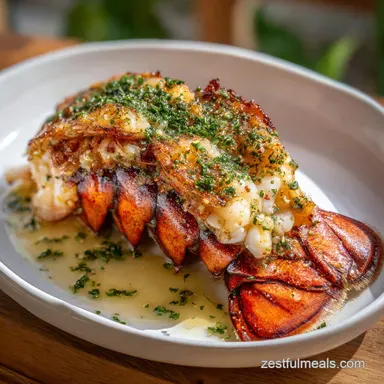
Garlic Butter Lobster Idea
Ingredients:
Instructions:
Nutrition Facts:
| Calories | 318 kcal |
|---|---|
| Protein | 23.2 g |
| Fat | 23.5 g |
| Carbs | 1.9 g |
| Fiber | 0.3 g |
| Sugar | 0.2 g |
| Sodium | 595 mg |
