Garlic Parmesan Crusted Halibut Recipe
- Time: Active 10 minutes, Passive 12 minutes, Total 22 minutes
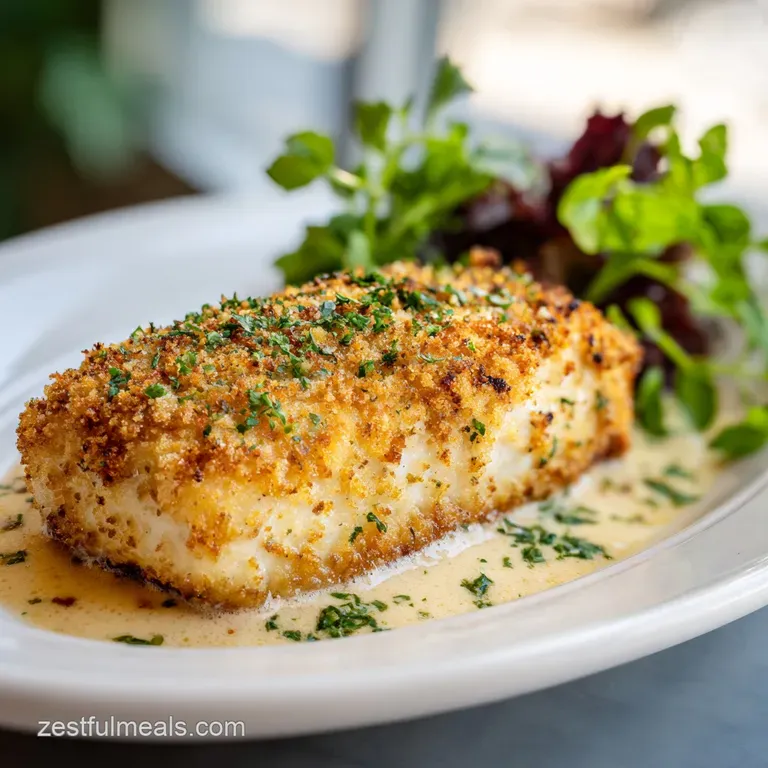
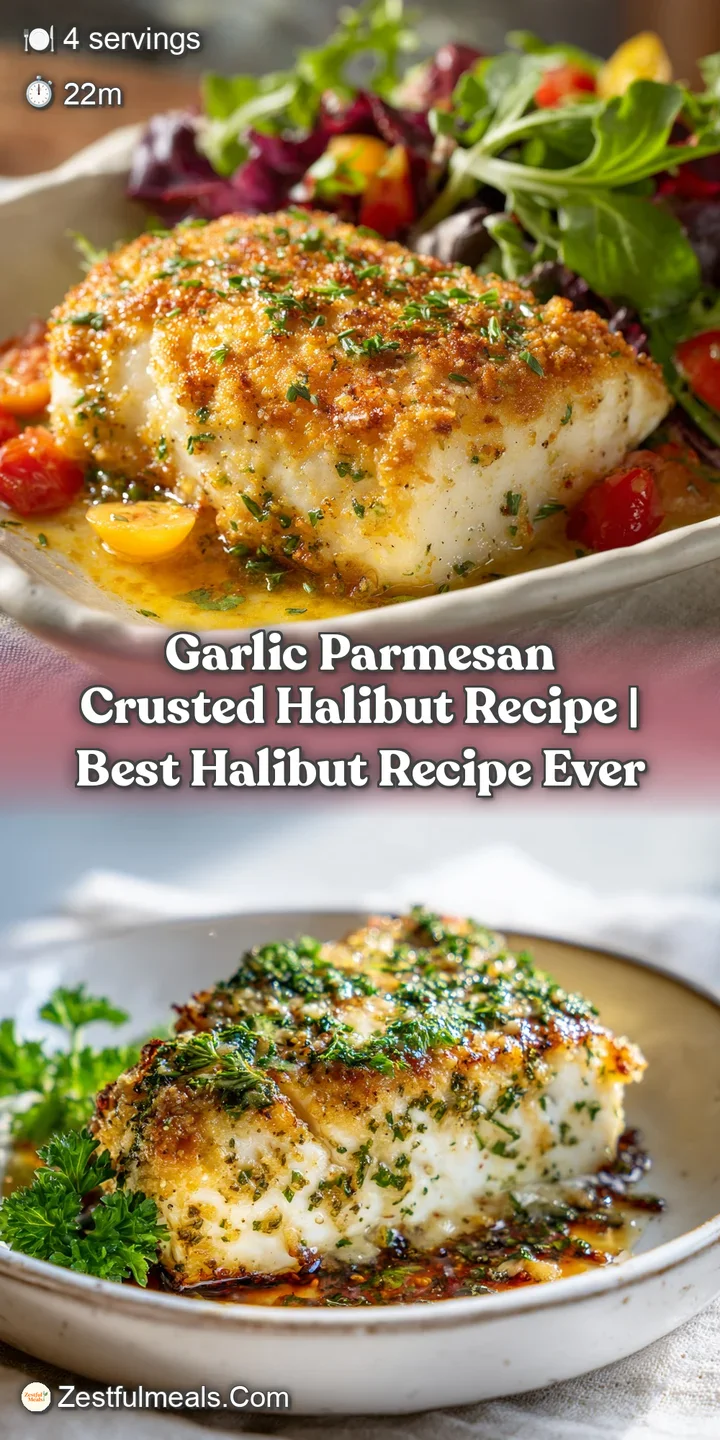
- Flavor/Texture Hook: A buttery, shatter crisp topping against velvety, flaky white fish.
- Perfect for: Busy weeknight dinners or a quick Friday night date meal.
- The Best Garlic Parmesan Crusted Halibut Recipe
- Why This Flavorful Crust Always Stays Crispy
- The Chemistry of Flavor and Texture
- Simple Ingredients for an Incredible Seafood Dinner
- Basic Kitchen Tools for Easy Fish Prep
- Step-by-Step Guide to the Golden Crust
- Fixing Common Crust and Texture Issues
- Batch Size and Serving Adjustments
- Creative Swaps for Your Halibut Topping
- Avoiding Common Kitchen Myths
- Keeping Leftovers Fresh and Using Every Bit
- Perfect Side Dishes for a Family Meal
- Recipe FAQs
- 📝 Recipe Card
The Best Garlic Parmesan Crusted Halibut Recipe
The sound of a fork hitting this crust is everything. It makes that distinct "shatter" sound, followed by the sight of steam rising from a perfectly white, flaky center. Honestly, I used to be terrified of cooking halibut because it’s a bit of an investment at the fish counter, and I was so worried about turning it into expensive rubber.
My first attempt was a soggy mess because I didn't realize the fish releases moisture as it cooks, which basically steams the breadcrumbs from the bottom up.
Since then, I’ve experimented with every binder from mayo to plain oil, and I finally landed on this specific method. It uses a Dijon butter mixture that acts like a flavor packed glue. It’s the kind of meal that makes everyone at the table go quiet for a second after the first bite.
We make this on those weeknights when we need something that feels special but doesn't require me to stand over a stove for an hour after a long day.
You don't need a culinary degree to nail this garlic parmesan crusted halibut recipe, just a few specific tricks regarding moisture control and heat. If you’ve ever had the topping fall off your fish or ended up with a bland crust, we're going to fix that today.
Trust me, once you see how that parmesan toasts up against the garlic, you'll never go back to plain seared fillets. It's brilliant for getting the kids to eat more seafood too.
Why This Flavorful Crust Always Stays Crispy
Moisture Barrier: The Dijon mustard creates a thin hydrophobic layer that prevents the fish juices from soaking the breadcrumbs.
Maillard Reaction: Freshly grated parmesan contains proteins and fats that brown faster than the breadcrumbs, creating a deeper flavor profile.
Convection Synergy: Using a high heat oven setting circulates dry air, which is essential to dehydrate the panko for that signature shatter.
Fat Saturation: Melting the butter before mixing ensures every single crumb is coated, preventing dry, floury patches in the finished topping.
Thickness and Doneness Decision Guide
| Fillet Thickness | Internal Temp | Rest Time | Visual Cue |
|---|---|---|---|
| 0.5 inch | 145°F (63°C) | 2 mins | Opaque and firm to touch |
| 1.0 inch | 145°F (63°C) | 3 mins | Flakes easily with fork |
| 1.5 inch | 145°F (63°C) | 5 mins | Centers are purely white |
Finding the right thickness is the most important part of the process because it dictates whether your topping burns before the fish is done. If you have very thin fillets, you'll want to move the rack higher in the oven to brown the crust faster.
For thicker cuts, a middle rack placement ensures the heat penetrates the center without scorching the garlic.
The Chemistry of Flavor and Texture
Selecting the right components is about more than just taste; it's about how they behave under the heat of a 400°F (200°C) oven. While it's tempting to grab whatever is in the fridge, the physics of this dish rely on specific textures.
For example, pre shaken parmesan in a green can has cellulose (anti clumping agents) that prevents it from melting and browning properly. You want the real stuff for this garlic parmesan halibut recipe.
| Ingredient | Science Role | Pro Secret |
|---|---|---|
| Halibut Fillets | Lean protein base | Pat completely dry with paper towels to ensure the binder sticks. |
| Panko Breadcrumbs | Structural crunch | Use Japanese style panko; the larger surface area creates more air pockets. |
| Fresh Parmesan | Binding fat | Grate it finely so it integrates into the crumbs for a uniform "shield." |
| Dijon Mustard | Emulsification | The vinegar in the mustard cuts through the fat and tenderizes the fish surface. |
Using fresh garlic is another non negotiable for me. Garlic powder just doesn't have the same aromatic punch when it hits the hot butter. If you're a garlic lover like we are, you might even want to double the cloves, but be careful as tiny minced bits can burn if they aren't fully tucked into the buttery breadcrumb mixture.
Simple Ingredients for an Incredible Seafood Dinner
- 4 (6 oz) Halibut fillets: The star of the show. Why this? Halibut is firm and mild, making it the best canvas for crusts.
- Substitute: Cod or Mahi Mahi (Cod is much more budget friendly).
- 1/2 cup Panko breadcrumbs: For that essential crunch. Why this? Panko stays crispier than traditional fine breadcrumbs.
- Substitute: Crushed butter crackers (like Ritz) for a richer, saltier finish.
- 1/2 cup Freshly grated Parmesan: For the salty, umami kick. Why this? It melts and crisps better than pre shredded varieties.
- Substitute: Pecorino Romano for a sharper, saltier flavor.
- 2 cloves Garlic: Finely minced. Why this? Real garlic provides the aromatic base for the entire crust.
- Substitute: 1/2 tsp garlic powder if you're in a total pinch.
- 1 tbsp Fresh parsley: Finely chopped. Why this? Adds a necessary pop of color and freshness.
- Substitute: Dried parsley (use 1 tsp) or fresh chives.
- 1/2 tsp Lemon zest: For brightness. Why this? The oils in the zest carry more flavor than the juice alone.
- Substitute: Lime zest for a slightly more tropical vibe.
- 3 tbsp Unsalted butter: Melted. Why this? Acts as the liquid gold that browns the crumbs.
- Substitute: Olive oil (but you'll lose that rich, nutty butter flavor).
- 1 tbsp Fresh lemon juice: To balance the fat. Why this? Acid is crucial for cutting through the buttery parmesan.
- Substitute: White wine or apple cider vinegar.
- 1/2 tsp Dijon mustard: The ultimate binder. Why this? It holds the topping to the fish without adding a "mayo" taste.
- Substitute: Yellow mustard or a tiny bit of mayonnaise.
- 1/2 tsp Kosher salt & 1/4 tsp Black pepper: Basic seasoning. Why this? Enhances every other flavor in the dish.
Smart Ingredient Alternatives
| Original Ingredient | Substitute | Why It Works |
|---|---|---|
| Halibut Fillets | Tilapia | Note: Much thinner; reduce cook time by 4-5 minutes. |
| Panko Breadcrumbs | Almond Flour | Note: Great for keto; browns faster so watch the oven closely. |
| Fresh Parsley | Fresh Dill | Note: Classic pairing with fish; adds a brighter, grassy note. |
If you are looking for a side that matches the energy of this meal, these Garlic Herb Roasted recipe potatoes are a family favorite that can cook at the same temperature. It makes the whole "what's for dinner" decision so much easier when the oven handles everything at once.
Basic Kitchen Tools for Easy Fish Prep
You don't need fancy gadgets, but a good rimmed baking sheet is a must. If you use a flat cookie sheet, the juices might run off and smoke up your oven. I also highly recommend using parchment paper.
Not only does it make cleanup a dream, but it prevents the delicate fish skin (or the bottom of the fillet) from sticking and tearing when you try to serve it.
A small glass bowl for melting the butter and mixing the crust is also handy. When you're mincing the garlic, try to get it as fine as possible a microplane works wonders for both the garlic and the lemon zest. If your fillets are of varying thicknesses, you might want a digital meat thermometer.
It’s the only way to be 100% sure the fish is flaky and moist without cutting into it and letting all those lovely juices escape.
step-by-step Guide to the Golden Crust
- Preheat the oven. Set your oven to 400°F (200°C). Note: A hot oven is vital for starting the browning process immediately.
- Dry the fish. Pat the 4 (6 oz) halibut fillets with paper towels until the surface is completely matte.
- Season the base. Sprinkle 1/2 tsp kosher salt and 1/4 tsp black pepper over both sides of the fillets.
- Prepare the binder. In a small bowl, whisk 3 tbsp melted butter, 1 tbsp lemon juice, and 1/2 tsp Dijon mustard.
- Create the crust mix. Combine 1/2 cup panko, 1/2 cup parmesan, 2 minced garlic cloves, 1 tbsp parsley, and 1/2 tsp lemon zest in another bowl.
- Apply the liquid. Brush the top of each fillet generously with the butter mustard mixture. Note: This acts as the glue for your parmesan crusted halibut recipe.
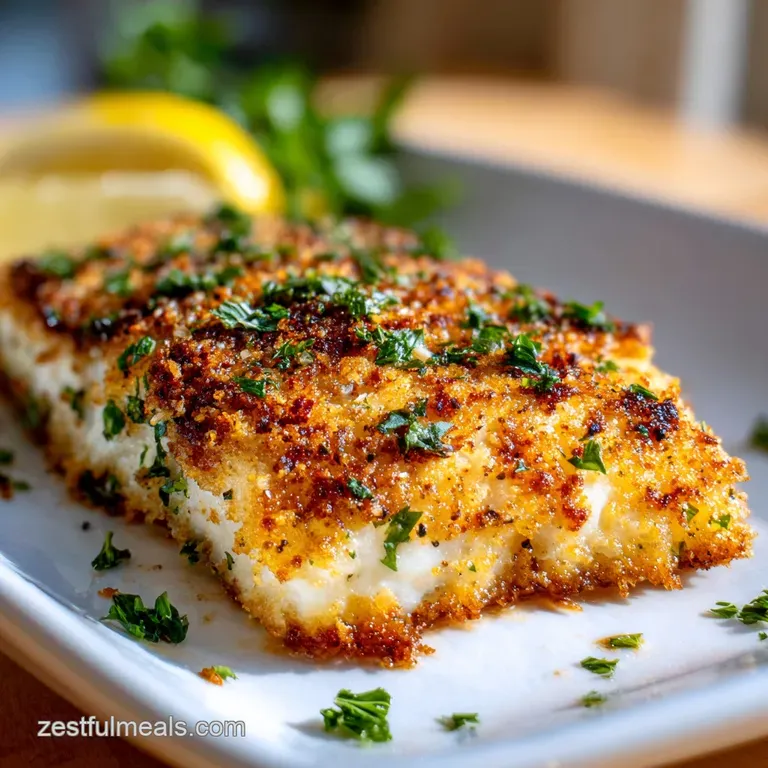
- Pack the topping. Press the panko mixture firmly onto the top of each fillet until a thick, even layer forms.
- Bake the fish. Place on a parchment lined tray and bake for 12 minutes until the topping is golden and the fish flakes.
- Check for doneness. Use a fork to gently peek at the center; it should be opaque and snowy white.
- Rest and serve. Let the fish sit for 2 minutes until the juices redistribute throughout the fillet.
Fixing Common Crust and Texture Issues
One of the biggest heartbreaks is when that beautiful crust just slides right off the fish the moment you move it to a plate. Usually, this happens because the fish was too wet before the binder was applied. The steam created during cooking pushes the crust away.
Always, always pat that fish dry like your dinner depends on it because it does!
Why Your Topping Is Soggy
If the panko looks pale and feels soft, the oven temperature might have been too low or the rack was too far from the heating element. You want the moisture to evaporate quickly from the crumbs so they can toast in the butter.
If the fish is done but the crust isn't golden, you can turn on the broiler for 60 seconds, but watch it like a hawk because parmesan burns in a heartbeat.
| Problem | Root Cause | Solution |
|---|---|---|
| Crust slides off | Surface moisture on fish | Pat fillets extremely dry; don't skip the Dijon binder. |
| Fish is dry | Overcooking | Pull fish at 140°F; carryover heat hits 145°F while resting. |
| Topping is burnt | Garlic bits too large | Mince garlic finer or tuck it deeper into the panko mix. |
Common Mistakes Checklist
- ✓ Forgetting to pat the fish dry (this is the #1 cause of soggy crusts).
- ✓ Using "shaky" can parmesan instead of freshly grated cheese.
- ✓ Crowding the baking sheet, which creates steam instead of dry heat.
- ✓ Skipping the resting period; the fish needs time to firm up before moving.
- ✓ Over mincing the parsley until it's wet (pat it dry before chopping).
Batch Size and Serving Adjustments
When I'm cooking for just the two of us, I usually cut the recipe in half, but I still make the full amount of the garlic parmesan topping. It’s so good that I like a thicker layer on the fish! If you are scaling down, you can use a smaller toaster oven sized tray to keep things efficient.
For the butter, 1.5 tbsp is enough for two fillets, but I'd keep the full 1/2 tsp of Dijon just for the binding strength.
If you're hosting a big family dinner and need to double the recipe, avoid the temptation to just throw 8 fillets on one pan. Unless you have a professional sized sheet, use two separate pans on different racks.
You might need to rotate them halfway through to ensure the garlic parmesan crusted halibut oven heat is hitting both trays evenly. Keep the salt and spices at 1.5x the original amount for the topping to avoid it becoming overly salty.
Creative Swaps for Your Halibut Topping
We love the classic version, but sometimes the budget or the pantry dictates a change. If you're looking for a low carb or keto option, you can swap the panko for crushed pork rinds or more almond flour. The pork rinds actually add a massive amount of flavor and stay incredibly crispy.
It's a different vibe, but honestly, it's just as satisfying.
For a bit of a kick, I sometimes add 1/4 tsp of red pepper flakes or a dash of cayenne to the breadcrumb mixture. It contrasts beautifully with the lemon and garlic. If you’re a fan of the flavors in this dish but want a pasta night instead, you’ll find similar notes in my One Pan Garlic recipe. It's a great way to use up extra parmesan and garlic if you bought them in bulk.
If you want X, do Y
- If you want a deeper flavor, brown the butter in a pan before mixing it with the crumbs.
- If you want a budget friendly version, use frozen tilapia or cod fillets thawed overnight.
- If you want a citrus punch, add a few drops of lemon juice directly onto the fish before the binder.
Avoiding Common Kitchen Myths
One myth I hear all the time is that you should "seal" the fish by searing it in a pan before baking. For a crusted recipe like this, that's actually counterproductive. Searing the fish first often overcooks the delicate halibut before the topping even has a chance to get golden.
The oven provides plenty of heat to cook the fish through while the topping transforms into that beautiful golden shield.
Another misconception is that you need to flip the fish. Please, don't flip the fish! Once that crust is on, it stays on top. Flipping it would just result in a soggy, ruined mess at the bottom of the pan.
The heat will reach the bottom of the fillet through the baking sheet, so there’s no need to disturb the "armor" you've built on top.
Keeping Leftovers Fresh and Using Every Bit
Storage: Keep any leftover garlic parmesan halibut recipe in an airtight container in the fridge for up to 2 days. I don't recommend freezing it after it's been cooked, as the texture of both the fish and the crust will suffer significantly upon thawing.
Reheating: Avoid the microwave! It will turn the fish into rubber and the crust into mush. Instead, put the fish back into a 350°F (180°C) oven or an air fryer for 5-6 minutes. This will help re crisp the panko while gently warming the center.
Zero Waste: If you have leftover crust mixture that didn't make it onto the fish, don't toss it! You can sauté it in a little pan until golden and sprinkle it over roasted vegetables or even a bowl of pasta.
If you have small scraps of cooked fish left, they make for an incredible "luxury" fish taco the next day with a bit of slaw and lime.
Perfect Side Dishes for a Family Meal
Because the halibut is so rich and buttery, I usually lean toward sides that have a bit of snap or acidity. A simple steamed broccoli with a squeeze of lemon is our weeknight go to.
If we're feeling a bit more "fancy casual," a light arugula salad with a balsamic vinaigrette provides a peppery bite that cuts right through the parmesan.
If you want a heartier meal, rice pilaf or even a simple buttered pasta works wonders. The crumbs that inevitably fall off the fish while you're eating it become like little flavor nuggets that mix into the rice or noodles. It’s the kind of meal where the kids actually ask for seconds of the "crunchy fish," which is a huge win in our house. For another hearty option, this One Pan Steak Bite recipe is great if you have someone at the table who isn't a fan of seafood.
Recipe FAQs
How to make baked halibut with garlic Parmesan?
Pat the fillets completely dry first. Brush the tops with a Dijon mustard butter mixture, then firmly press the dry mixture of panko, parmesan, and garlic onto the surface.
How to get a good crust on halibut?
Use Japanese Panko breadcrumbs combined with freshly grated parmesan. The high heat of the 400°F (200°C) oven rapidly dehydrates the crumbs while the cheese fats melt and brown.
What are the common mistakes when baking halibut?
Yes, there are two major errors: not drying the fish, and flipping it during baking. Moisture steams the crust from underneath, and flipping ruins the carefully constructed topping.
What seasoning is good on halibut?
A bright, acidic rub prevents the rich crust from tasting too heavy. Use lemon zest and fresh parsley mixed with the parmesan, which complements the fish beautifully. This is similar to the flavor balancing we use in the Garlic Mushroom with recipe.
Can I skip the Dijon mustard in the binder mixture?
No, do not skip the Dijon mustard. It acts as a crucial emulsifier and binder; without it, the dry crust mixture will often slide off the fish during baking.
How long should I bake the halibut for a 1 inch thick fillet?
Bake for approximately 12 to 14 minutes until the internal temperature hits 145°F (63°C). For thicker cuts, you are relying on visual cues that it flakes easily after a short 3-minute rest.
Is it true that I should never sear the fish before baking the crust?
Yes, this is a common misconception for crusted preparations. Searing adds unnecessary moisture and cooks the exterior too fast, meaning the crust won't brown by the time the center is done; stick to direct high heat baking.
Garlic Parmesan Halibut Recipe
Ingredients:
Instructions:
Nutrition Facts:
| Calories | 377 kcal |
|---|---|
| Protein | 44.1 g |
| Fat | 16.5 g |
| Carbs | 11.5 g |
| Fiber | 0.6 g |
| Sugar | 0.4 g |
| Sodium | 648 mg |
