Garlic Rosemary Grilled Steak Recipe
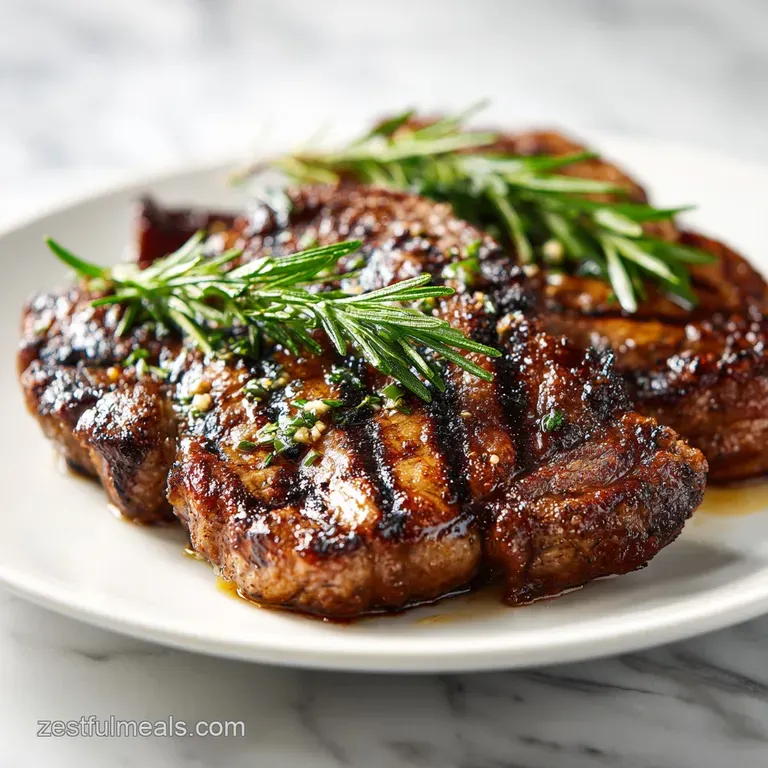
- Time: Active 15 minutes, Passive 40 minutes, Total 55 minutes
- Flavor/Texture Hook: Sizzling, herb crusted exterior with a buttery, tender center.
- Perfect for: Busy weeknights, family backyard cookouts, or budget-friendly date nights.
- Mastering My Favorite Garlic Rosemary Grilled Steak Recipe
- Why This Simple Beef Dinner Always Wins
- Real Science Behind That Perfectly Seared Crust
- Fresh Herbs Versus Dried Pantry Shortcut Comparison
- Essential Pantry Staples for the Best Marinade
- Only Basic Tools Needed for Grilling Success
- Simple Steps for a Juicy Finished Steak
- Avoiding Common Grilling Blunders and Tough Meat
- Easy Ways to Change Your Flavor Profile
- Debunking Grilling Legends
- How to Keep Your Leftovers Fresh Tonight
- What to Serve with Your Grilled Beef
- Very High in Sodium
- Recipe FAQs
- 📝 Recipe Card
Mastering My Favorite Garlic Rosemary Grilled Steak Recipe
The first time I tried to make a "fancy" steak for the family, I completely ruined it. I bought the most expensive ribeyes I could find, threw them on a lukewarm grill, and ended up with something that looked like a gray sponge. It was heartbreaking and, frankly, a total waste of money.
But that failure taught me that the secret isn't in the price of the meat, it's in the preparation. Now, when I throw these sirloins on the grates, the sizzle is immediate and the aroma of toasted garlic and piney rosemary fills the whole neighborhood.
We use sirloin for this because it's budget friendly and feeds the whole family without breaking the bank. My kids actually call this the "smelly steak" because the garlic is so intense, but they polish off every single bite.
The magic happens when that fresh rosemary hits the heat; it doesn't just sit on the meat, it infuses the fat as it renders. It's the kind of meal that makes a regular Tuesday feel like a celebration, and you don't need a single specialized tool to make it happen.
In this guide, I'm going to show you exactly how to handle these 1.5 inch thick cuts so they stay tender. We've all had those chewy, "shoe leather" steaks, but we're moving past that today.
We'll talk about why the paste matters, how to handle the heat, and why resting the meat is the most important step you'll probably want to skip (but shouldn't!). Let's get that grill preheated.
Why This Simple Beef Dinner Always Wins
The Osmosis Effect: Salting the beef 45 minutes early draws out moisture, dissolves into a brine, and then is reabsorbed to season the interior deeply.
Thermal Mass: Using 1.5 inch thick cuts provides enough "buffer" to get a dark sear without overcooking the center to a gray, dry mess.
Aromatic Infusion: The fats in the olive oil and the steak itself act as solvents, pulling the essential oils out of the rosemary and garlic and distributing them across every fiber of the meat.
Maillard Reaction: The small amount of smoked paprika and garlic sugars caramelize rapidly under high heat, creating a complex, savory crust that tastes far more expensive than it is.
| Thickness | Internal Temp (Target) | Rest Time | Visual Cue |
|---|---|---|---|
| 1 inch | 130°F (Medium Rare) | 5 minutes | Soft, slight spring when pressed |
| 1.5 inches | 135°F (Medium) | 10 minutes | Firm but gives slightly under tongs |
| 2 inches | 140°F (Medium Well) | 12 minutes | Very firm with beads of clear juice |
The thickness of your cut is the biggest variable in this steak recipe, which is why I always suggest sticking to the 1.5 inch standard. It gives you the best control over the heat and ensures that the rosemary garlic steak marinade doesn't burn before the middle is ready. If you're looking for a different vibe, you could try the marinade on a Chili Lime Flank recipe which uses a similar over high heat technique but requires much thinner slicing.
Real Science Behind That Perfectly Seared Crust
| Ingredient | Science Role | Pro Secret |
|---|---|---|
| Coarse Sea Salt | Protein Denaturation | Use coarse grains to create tiny "pockets" of seasoning that don't over salt the surface. |
| Fresh Garlic | Sugars and Sulfur | Mincing into a paste releases allicin, which reacts with heat to create that signature "roasted" depth. |
| Extra Virgin Olive Oil | Heat Transfer | Oil fills the microscopic gaps between the meat and the grill grates, ensuring even browning. |
| Smoked Paprika | Color Catalyst | The fine particles provide more surface area for the Maillard reaction, giving you a darker crust faster. |
The key to this whole operation is managing surface moisture. If the steak is wet when it hits the grill, the heat is spent evaporating water instead of browning the meat. This is why we pat the beef bone dry before applying our garlic rosemary grilled mixture.
Fresh Herbs Versus Dried Pantry Shortcut Comparison
| Fresh Ingredient | Pantry Shortcut | Resulting Difference |
|---|---|---|
| 3 tbsp Fresh Rosemary | 1 tbsp Dried Rosemary | Dried is much more concentrated and earthy; fresh provides a brighter, pine like aroma. |
| 6 Cloves Fresh Garlic | 2 tsp Garlic Powder | Powder seasons the meat but won't create the thick, charred crust that fresh paste provides. |
| Coarse Sea Salt | Table Salt | Table salt is much "saltier" by volume; use half the amount if you must swap. |
Essential Pantry Staples for the Best Marinade
- 4 (8 ounce) beef sirloin steaks: Look for "top sirloin" and ensure they are exactly 1.5 inch thick for even cooking. Why this? Sirloin is lean but beefy and holds up well to intense garlic and rosemary flavors.
- Substitute: Ribeye (same thickness) for a richer, fattier experience.
- 2 tsp coarse sea salt: The large crystals are vital for that "crunch" on the exterior. Why this? It draws out moisture to create a natural brine that tenderizes the muscle fibers.
- Substitute: Kosher salt (use 2.5 tsp as it is less dense).
- 1 tsp cracked black pepper: Use a coarse grind so you actually get little bursts of heat. Why this? Adds a sharp contrast to the earthy rosemary.
- Substitute: White pepper for a more subtle, fermented heat.
- 3 tbsp extra virgin olive oil: This carries the flavors of the herbs into the meat. Why this? It has a high enough smoke point for grilling while adding a fruity depth.
- Substitute: Avocado oil or melted ghee if you want a higher smoke point.
- 6 cloves garlic: We aren't just slicing this; we want it minced into a near paste. Why this? A paste sticks to the meat better and creates a uniform crust.
- Substitute: Jarred minced garlic (drain the liquid first, use 2 tablespoons).
- 3 tbsp fresh rosemary: Finely chopped so it doesn't feel like pine needles in your mouth. Why this? The oils in fresh rosemary are heat stable and stand up to the grill's intensity.
- Substitute: Fresh thyme or a mix of both.
- 1 tsp smoked paprika: This is my "cheater" ingredient for a better color. Why this? It mimics a wood fired flavor even on a basic gas grill.
- Substitute: Regular paprika or a pinch of cayenne for heat.
Only Basic Tools Needed for Grilling Success
You don't need a thousand dollar setup to make this work. I usually just use my old reliable tongs and a simple meat thermometer. If you have a cast iron skillet, you can even do this on the stovetop if it's raining outside. The main thing is having a surface that can get screaming hot.
Chef's Tip: Freeze your garlic for 10 minutes before grating it on a microplane. It makes it much easier to turn those 6 cloves into a fine paste without cutting your fingers or leaving chunky bits that will burn and turn bitter.
Simple Steps for a Juicy Finished Steak
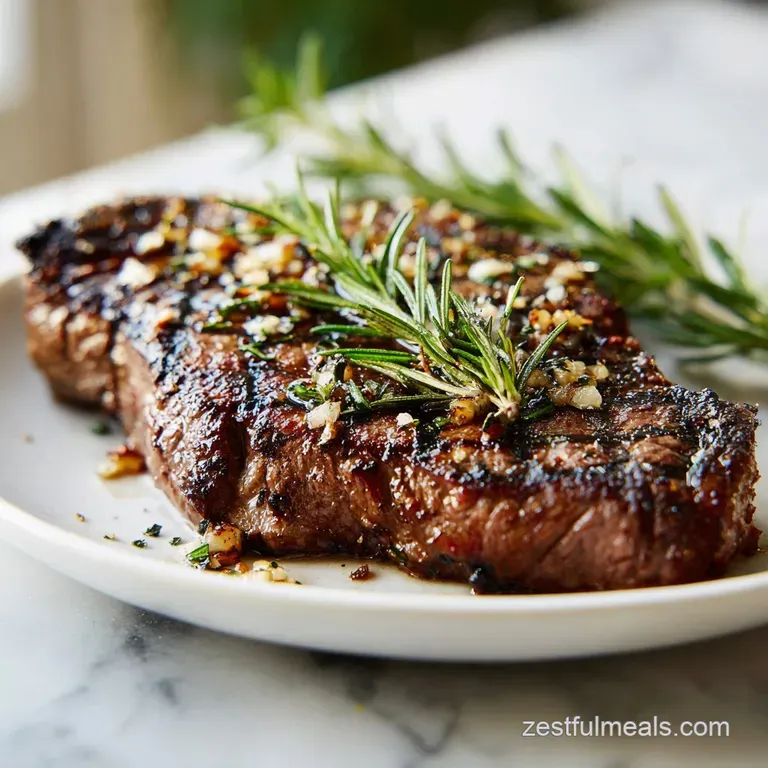
- Prep the meat. Remove the 4 sirloin steaks from the fridge 45 minutes before cooking. Note: Cold meat won't cook evenly and often turns out gray in the middle.
- Dry thoroughly. Pat each steak with paper towels until the surface is completely dry. Do not skip this step or your steak will steam rather than sear.
- Season early. Sprinkle the 2 tsp coarse sea salt and 1 tsp pepper over both sides. Wait 30 minutes until the salt has dissolved and been reabsorbed.
- Make the paste. In a small bowl, combine the 3 tbsp olive oil, 6 cloves minced garlic, 3 tbsp chopped rosemary, and 1 tsp smoked paprika. Note: It should be thick and pungent.
- Apply the crust. Rub the garlic rosemary grilled paste onto every surface of the steaks, including the sides.
- Preheat the grill. Get your grates hot until you can only hold your hand near them for 2 seconds.
- Sear the first side. Place steaks on the grill and close the lid. Cook for 4 to 5 minutes without moving them.
- Flip and finish. Turn the steaks over. Cook another 4 to 5 minutes until a meat thermometer reads 135°F for medium.
- Rest the beef. Transfer to a cutting board and wait 10 full minutes. Watch the juices settle back into the meat.
- Slice and serve. Cut against the grain to ensure every bite is as tender as possible.
Avoiding Common Grilling Blunders and Tough Meat
Why Your Steak Is Gray Instead of Brown
If you find your meat looks dull and boiled rather than charred, the culprit is almost always moisture. If you didn't pat it dry, or if you crowded the grill with too many steaks at once, the temperature dropped too low.
The moisture turns to steam, which "cooks" the outside at 212°F rather than searing it at 400°F+.
| Problem | Root Cause | Solution |
|---|---|---|
| Bitter aftertaste | Burnt garlic | Move steaks to a cooler part of the grill if the garlic darkens too fast. |
| Tough/Chewy | No resting period | Let the meat rest for 10 minutes to allow fibers to relax. |
| Uneven cooking | Steak was too cold | Bring the meat to room temperature for 45 minutes before grilling. |
Common Mistakes Checklist
- ✓ Pat the steaks completely dry (use more paper towels than you think you need).
- ✓ Preheat the grill for at least 15 minutes before the meat touches the grates.
- ✓ Don't move the steaks once they hit the grill - let that crust form!
- ✓ Use a thermometer rather than "poking" the meat to check for doneness.
- ✓ Always slice against the grain (perpendicular to the muscle fibers) for maximum tenderness.
Easy Ways to Change Your Flavor Profile
If you're making this for a crowd and need to scale up, don't just double everything. When doubling to 8 steaks, I usually only use 1.5x the salt and spices. Large amounts of salt can become overwhelming when concentrated in a marinade.
For those who want a different flavor profile, you can easily swap out the rosemary for fresh thyme or even sage.
If you want a spicy kick, add a teaspoon of crushed red pepper flakes to the paste. The oil will draw out the heat and distribute it beautifully. If you want a zesty citrus version, grate the zest of one lemon into the oil before adding the garlic.
It brightens the whole dish and cuts through the richness of the beef.
- For a Crowd: Increase the recipe to 8 servings but keep the salt at 3 tsp total to avoid over seasoning.
- Budget Hack: Use this same marinade on "London Broil" (top round), but slice it paper thin after cooking.
- Time Saver: Make the garlic rosemary oil 2 days in advance and keep it in the fridge.
Debunking Grilling Legends
One of the biggest myths in the kitchen is that searing "seals in the juices." Science shows that moisture loss happens regardless of the sear. The real reason we sear is for the Maillard reaction that chemical dance between amino acids and sugars that creates the flavors we love.
Another myth is that you should only flip a steak once. Actually, flipping more often can lead to more even cooking, though you might lose those perfect "crosshatch" grill marks.
How to Keep Your Leftovers Fresh Tonight
- Storage
- Keep leftover steak in an airtight container in the fridge for up to 3 days. I love slicing cold leftovers thin for a salad the next day.
- Freezing
- You can freeze the cooked steak for up to 2 months. Thaw it slowly in the fridge overnight before reheating.
- Zero Waste
- Don't toss those rosemary stems! Toss them onto the hot coals or into the bottom of the grill while cooking to create a "herb smoke" that lightly perfumes the meat. If you have extra garlic paste, toss it with some Garlic Parmesan Fries recipe for a side dish that ties the whole meal together.
What to Serve with Your Grilled Beef
This steak is pretty intense, so I like to keep the sides simple. A crisp green salad or some roasted potatoes are classic. But if you really want to lean into the garlic theme, serving this with some garlic bread or even a simple pasta tossed in olive oil works wonders.
Because we’re using sirloin, it feels like a hearty, everyday meal, so don't feel like you need to get too fancy. Just open a bottle of something cold, get the family around the table, and enjoy the fact that you just made a restaurant quality steak for a fraction of the price.

Very High in Sodium
1185 mg of sodium per serving (52% of daily value)
The American Heart Association recommends limiting sodium intake to about 2,300mg per day for overall cardiovascular health.
Sodium Reduction Tips for Sirloin Steak Recipe
-
Reduce Sea Salt-25%
The most significant source of sodium in this recipe is the coarse sea salt. Reduce the amount of sea salt used from 2 tsp to 1 tsp to significantly lower the sodium content. You can also replace half of the sea salt with potassium chloride salt.
-
Skip Brining-15%
Avoid brining the steaks in a salty solution before cooking. This adds a significant amount of sodium. Rely on the natural flavors and the rosemary garlic paste instead.
-
Garlic Enhancement-5%
Enhance the garlic flavor. Use 8-9 cloves instead of 6 to compensate for less salt. Roasting garlic before mincing adds a mellow sweetness.
-
Herb Power
Rosemary is great, explore other salt free dried herbs and spices like thyme, oregano, or red pepper flakes to add complexity and reduce the need for salt.
Recipe FAQs
What is the essential step for achieving a deep sear on this steak?
Pat the steaks completely dry before applying any paste. If the surface moisture remains, the grill's heat will evaporate the water instead of causing the Maillard reaction, resulting in steaming rather than searing.
Should I use dried rosemary if I don't have fresh on hand?
No, adjust the quantity significantly if substituting. Dried rosemary is much more concentrated; use only one-third the amount of fresh, or the flavor will overpower the beef, which is something you want to avoid if aiming for balance like in our Shrimp and Mussels recipe which balances rich cream with herbs.
How far in advance should I salt the steaks for the best flavor penetration?
Salt the steaks at least 30 minutes before cooking, but no more than 2 hours. This gives the salt time to draw out moisture, dissolve into a brine, and then be fully reabsorbed to season the interior deeply.
How to ensure the garlic paste doesn't burn before the steak is cooked through?
Use a two-zone fire or move the steaks away from direct high heat post sear. If you see the garlic darkening too rapidly, transfer the steaks to a lower temperature zone on the grill to allow the internal temperature to rise without scorching the surface sugars.
Is it true that searing the steak immediately seals in all the juices?
No, this is a common misconception. Searing does not seal in moisture; it creates the flavorful Maillard reaction crust. Moisture loss happens throughout the cooking process, making the subsequent resting period far more crucial for juiciness.
How long must the steak rest after being removed from the grill?
Rest for a minimum of 10 minutes for a 1.5 inch thick cut. This allows the muscle fibers, which contract under heat, to relax and redistribute the internal juices evenly throughout the meat, ensuring a tender bite.
What internal temperature should I target for a perfect medium sirloin?
Pull the steak off the grill when it reaches 135°F. Remember that the temperature will continue to rise by 5 to 8 degrees while resting, which is why 135°F finishes perfectly at a medium state.
Garlic Rosemary Grilled Steak
Ingredients:
Instructions:
Nutrition Facts:
| Calories | 438 calories |
|---|---|
| Protein | 52.4 g |
| Fat | 23.4 g |
| Carbs | 2.1 g |
| Fiber | 0.6 g |
| Sugar | 0.2 g |
| Sodium | 1185 mg |
