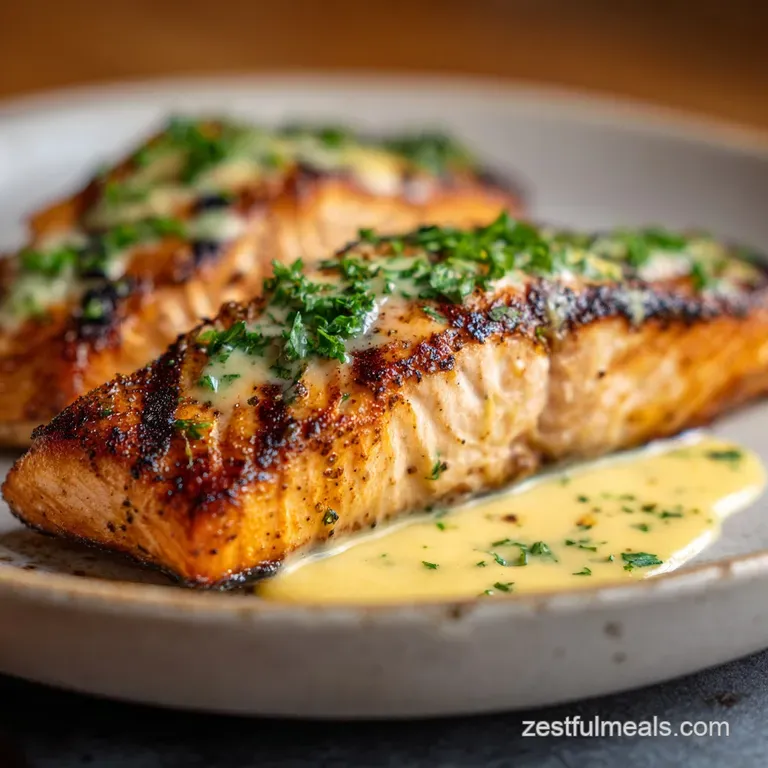
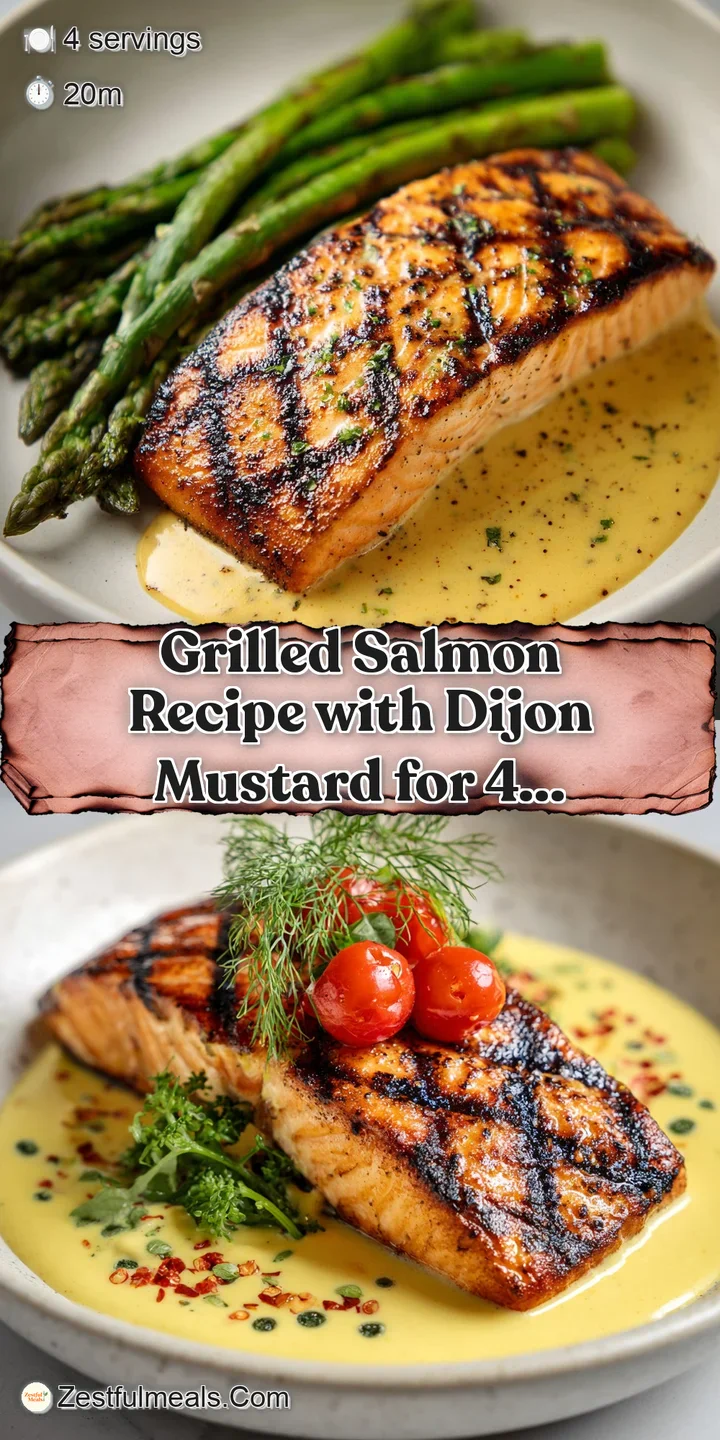
Grilled Salmon Recipe with Dijon Mustard
- Time: Active 10 minutes, Passive 10 minutes, Total 20 minutes
- Flavor/Texture Hook: Tangy, honey glazed crust with flaky, buttery centers
- Perfect for: Busy weeknights, budget-friendly date nights, or beginner meal prep
- The Quick Grilled Salmon Recipe with Dijon Mustard
- Why This Balanced Mustard Glaze Strategy Works So Well
- Essential Precision Benchmarks for a Flawless Salmon Dinner
- Selecting the Right Components for Maximum Flavor Impact
- The Basic Tools Required for a Professional Sear
- Step by Step Guide to a Successful Stovetop Sear
- Avoiding Common Pitfalls for a Better Family Meal
- Simple Ways to Customize Your Salmon for Different Tastes
- Preserving Your Leftovers and Reducing Kitchen Food Waste
- What to Serve Alongside Your New Favorite Seafood Dish
- Recipe FAQs
- 📝 Recipe Card
The Quick Grilled Salmon Recipe with Dijon Mustard
The kitchen air fills with a sharp, tangy aroma the second that Dijon hits the hot pan. You know that specific sound? The rhythmic sizzle when the cold fish meets the shimmering oil, promising a crust that'll shatter under your fork. It's the sound of a Tuesday night being saved from another boring cereal dinner.
This grilled salmon recipe with Dijon mustard sauce will become your new go to for a quick and flavorful dinner.
I used to be terrified of cooking fish at home. I'd either undercook it and stare at a raw middle or, more likely, turn it into a dry, chalky brick that required a gallon of water to swallow. Then I realized that salmon doesn't need a complicated marinade.
It needs a over high heat sear and a thick, velvety glaze that actually stays on the fillet instead of running all over the pan.
This recipe uses basic pantry staples that most of us already have in the cupboard. We're talking about a dinner that tastes expensive but costs less than a takeout burger. The secret isn't in fancy equipment, it's in how we layer the flavors to make the most of those 10 minutes on the heat.
Why This Balanced Mustard Glaze Strategy Works So Well
- The Glue of the Mustard Emulsion: Mustard contains mucilage, a natural thickener that helps the honey and oil bind into a velvety coating that doesn't slide off the fish. This creates a protective shield that keeps the salmon from drying out under high heat.
- Sugar Acid Balance: The lemon juice and vinegar in the Dijon cut through the fatty richness of the salmon, while the honey encourages the Maillard reaction for a darker, tastier crust.
- Texture Contrast: Combining smooth Dijon with whole grain mustard provides tiny pops of texture that make the sauce feel more sophisticated than it actually is.
| Thickness | Internal Temp | Rest Time | Visual Cue |
|---|---|---|---|
| 1 inch (2.5 cm) | 145°F (63°C) | 3 minutes | Centers turn opaque and flake easily |
| 1.5 inches (3.8 cm) | 145°F (63°C) | 5 minutes | Side walls lose their translucent pink |
| 0.5 inch (1.2 cm) | 140°F (60°C) | 2 minutes | Edges start to crisp and curl |
Finding the right balance between convenience and flavor is what keeps our family budget on track without sacrificing the meals we love. While fresh ingredients are usually king, sometimes a shortcut is exactly what a tired parent needs.
| Ingredient | Fresh Version | Shortcut Version | Impact on Dish |
|---|---|---|---|
| Garlic | Freshly minced clove | Jarred minced garlic | Jarred is milder and slightly sweeter |
| Lemon | Freshly squeezed juice | Bottled lemon juice | Bottled lacks the bright citrus oils |
| Dill | Freshly chopped sprigs | Dried dill weed | Dried is more concentrated; use 1/3 the amount |
Essential Precision Benchmarks for a Flawless Salmon Dinner
Component Analysis
| Ingredient | Science Role | Pro Secret |
|---|---|---|
| Dijon Mustard | Emulsifier | Use a French style Dijon for a smoother, more pungent bite |
| Honey | Browning agent | Microwave it for 5 seconds to make whisking easier |
| Salmon Fillets | Protein structure | Let them sit at room temp for 15 minutes before cooking |
| Kosher Salt | Moisture draw | Season from high above for even distribution |
Chef's Tip: Before you even think about the pan, take a hair dryer to the salmon skin for 30 seconds. It sounds crazy, but removing every molecule of surface moisture is the only way to get a skin that truly shatters when you bite it.
Selecting the Right Components for Maximum Flavor Impact
- 4 (170g / 6 oz) Salmon fillets, center cut, skin on Why this? Skin protects the flesh from overcooking on the pan.
- 1 tbsp (15ml) Extra virgin olive oil
- 1/2 tsp (3g) Kosher salt
- 1/4 tsp (1g) Cracked black pepper
- 3 tbsp (45g) Dijon mustard Why this? Provides the acidic backbone and thick base for the glaze.
- 1 tbsp (15g) Whole grain mustard
- 1 tbsp (15ml) Honey
- 1 clove Garlic, minced into a paste
- 1 tbsp (15ml) Freshly squeezed lemon juice
- 1 tbsp (4g) Fresh dill, finely chopped
| Original Ingredient | Substitute | Why It Works |
|---|---|---|
| Honey | Maple Syrup | Provides a similar sugar content with a woodier flavor profile. |
| Fresh Dill | Fresh Parsley | Offers a bright, grassy finish without the anise notes. |
| Extra Virgin Olive Oil | Avocado Oil | Has a higher smoke point, which is safer for over high heat searing. |
The Basic Tools Required for a Professional Sear
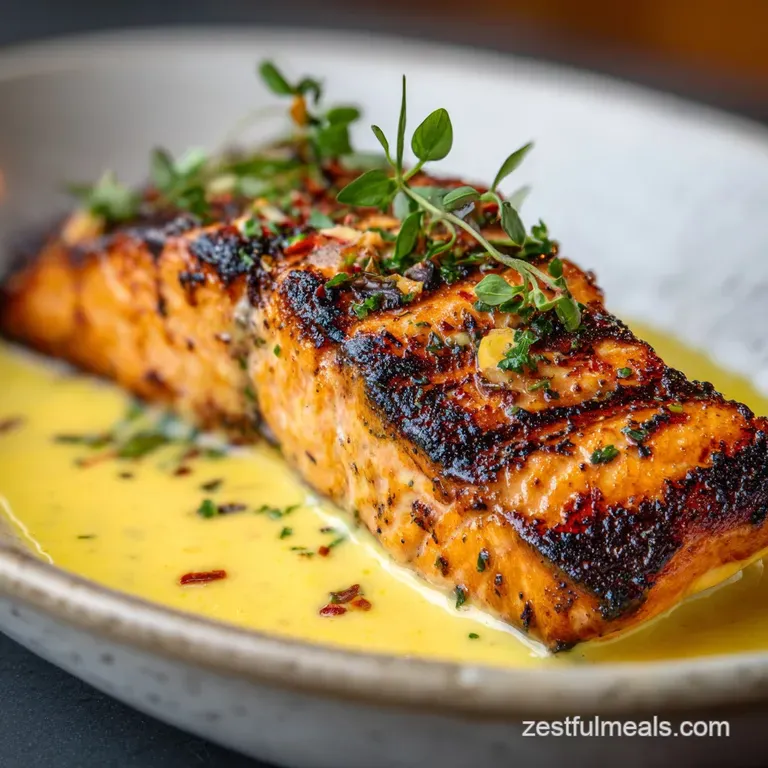
You don't need a kitchen full of gadgets for this recipe with Dijon mustard sauce. A heavy bottomed skillet is your best friend here. I prefer cast iron because it holds heat like a champ, but a good stainless steel pan works too. Just stay away from thin, cheap non stick pans if you want a real crust.
You'll also need a small glass bowl for whisking your sauce and a flexible spatula. A fish spatula is ideal because it's thin enough to slide under the delicate skin without tearing it. If you don't have one, just use the thinnest turner you own.
step-by-step Guide to a Successful Stovetop Sear
- Pat the salmon fillets completely dry using paper towels. Note: Moisture is the enemy of a good sear.
- Season the flesh side of the fish with salt and pepper.
- Whisk the Dijon, whole grain mustard, honey, garlic, and lemon juice in a small bowl until smooth and velvety.
- Heat the olive oil in your skillet over medium high heat until it shimmers and wisps of smoke appear.
- Place the salmon skin side down in the pan. Note: Press down lightly with a spatula for 10 seconds to prevent curling.
- Cook for 4 to 5 minutes without moving the fillets until the skin is browned and crispy.
- Flip the fillets carefully using a thin spatula.
- Brush the thick mustard glaze generously over the crispy skin side.
- Cook for another 3 to 4 minutes until the sides are opaque and the fish feels firm.
- Remove from heat and garnish with the fresh dill immediately.
Avoiding Common Pitfalls for a Better Family Meal
Why Your Salmon Sticks to the Pan
This usually happens because the pan wasn't hot enough or you tried to flip the fish too early. When the skin is properly seared, it will naturally release from the metal. If you feel resistance, give it another 30 seconds.
Dealing with the White Stuff (Albumin)
That white gunk that sometimes seeps out of salmon is just protein. It's totally safe to eat, but it usually means the fish was cooked too fast or at too high a temperature. To minimize this, don't skip the step of letting the fish come to room temperature before cooking.
| Problem | Root Cause | Solution |
|---|---|---|
| Burnt Glaze | Sugar in honey burning | Apply glaze only after flipping the fish to the second side. |
| Soggy Skin | Excess moisture | Pat dry and sear skin side down first on high heat. |
| Dry Center | Overcooking | Pull the fish at 140°F (60°C); carryover heat will finish it. |
Common Mistakes Checklist
- ✓ Skipping the paper towel pat down (leads to steamed, gray fish).
- ✓ Crowding the pan with too many fillets (drops the temperature too fast).
- ✓ Using "salad" mustard instead of Dijon (too much vinegar, not enough body).
- ✓ Fiddling with the fish before the crust has formed.
- ✓ Forgetting to let the meat rest for 3 minutes before serving.
Simple Ways to Customize Your Salmon for Different Tastes
If you want something with more citrus, try my Lemon Grilled Salmon recipe. It uses a similar technique but focuses on a lighter, more herbaceous profile. For those who need a bit of a kick, you can add a half teaspoon of red pepper flakes to the mustard mixture.
For a keto friendly version, simply swap the honey for a brown sugar alternative or leave it out entirely. The mustard itself has enough body to create a decent crust. If you're cooking for kids who are wary of "green stuff," keep the dill on the side so they can choose their own adventure.
| Method | Time | Texture | Best For |
|---|---|---|---|
| Stovetop Skillet | 10 minutes | Maximum crispiness | Quick weeknight dinners |
| Outdoor Grill | 8 minutes | Smoky and charred | Summer gatherings |
| Air Fryer | 12 minutes | Evenly browned | Hands off cooking |
Preserving Your Leftovers and Reducing Kitchen Food Waste
- Storage: Keep leftover salmon in an airtight container in the fridge for up to 3 days.
- Freezing: You can freeze cooked salmon for up to 2 months, though the texture will be slightly softer upon thawing.
- Reheating: Avoid the microwave! Reheat in a 300°F (150°C) oven for 10 minutes with a splash of water to keep it moist.
- Zero Waste Tip: Don't throw away the salmon skin if it falls off. Fry it in a little oil until it's like a potato chip, then crumble it over a salad for a salty, omega-3 rich crunch.
What to Serve Alongside Your New Favorite Seafood Dish
This recipe with Dijon mustard sauce is quite bold, so it needs sides that can hold their own without clashing. I love serving this over a bed of garlicky sautéed spinach or alongside some roasted asparagus. The acidity in the mustard really makes green vegetables pop.
This pairs beautifully with a German Potato Salad recipe. The vinegar in the salad mirrors the tang in the mustard glaze, creating a cohesive meal that feels like it came from a high end bistro. If you have extra sauce, it's brilliant drizzled over roasted baby potatoes or even used as a dip for crusty sourdough bread.
Searing meat or fish does not "seal in juices." This is a total myth. The moisture loss happens regardless of the sear. What the sear actually does is create flavor through the Maillard reaction, giving you those complex, savory notes we all crave.
Another common misconception is that you must remove the skin before cooking. In reality, the skin acts as a thermal barrier, protecting the delicate flesh from the direct heat of the pan. Even if you don't plan on eating it, leave it on during the cooking process for a much juicier result.
Recipe FAQs
What is the critical step before placing the salmon in the hot pan?
Pat the salmon fillets completely dry. Moisture on the surface steams the fish instead of searing it, preventing the crust from forming properly.
How do I prevent the mustard glaze from burning on the grill?
Apply the glaze only after flipping the salmon. The honey component burns quickly under direct heat; applying it to the second side allows it to caramelize gently while the fish finishes cooking.
Is it true that leaving the salmon skin on causes it to stick to the pan?
No, this is a common misconception. Leaving the skin on protects the flesh; sticking only happens if the pan isn't hot enough or if you try to move the fish before the crust has fully formed.
How do I tell if the salmon is perfectly cooked without cutting into it?
Look for an internal temperature of 145°F (63°C) and opaque sides. When the fish is done, it should feel firm to the touch, but pull it off the heat slightly before this temperature as it will continue cooking during the rest period.
What can I substitute for honey if I am making this recipe keto friendly?
Swap honey for a brown sugar alternative or omit it entirely. The mustard base still provides enough body to create a crust, though omitting it will result in less intense browning.
How long should I let the cooked salmon rest before serving?
Rest the salmon for a minimum of 3 minutes. This short rest allows the muscle fibers to relax and reabsorb the internal moisture, resulting in a much juicier final texture.
What kind of pan works best for achieving maximum crispiness on the skin?
Use a heavy, preheated cast iron skillet. Cast iron retains heat consistently, which is crucial for that initial high heat sear. If you enjoyed mastering the high heat searing technique here, apply the same principle to our Lobster Idea Food recipe for perfect crust formation.
Grilled Salmon Dijon Recipe
Ingredients:
Instructions:
Nutrition Facts:
| Calories | 412 kcal |
|---|---|
| Protein | 34.8 g |
| Fat | 26.2 g |
| Carbs | 5.4 g |
| Fiber | 0.6 g |
| Sugar | 4.2 g |
| Sodium | 585 mg |
