Hawaiian Fried Rice with Pineapple and Ham
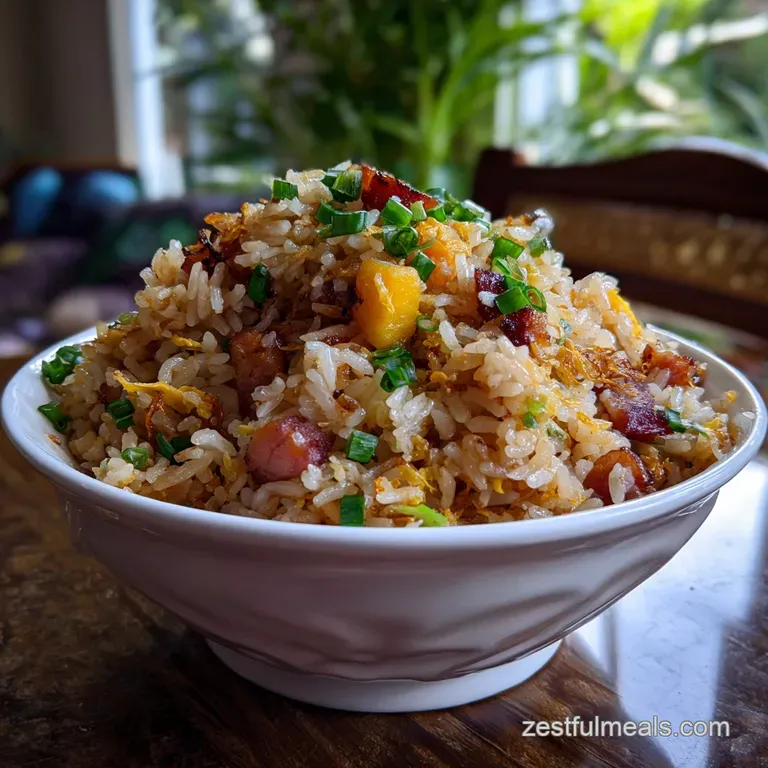
- Create the Best Hawaiian Fried Rice Today
- The Logic Behind Every Bite
- Analyzing the Key Flavor Components
- What You Need for Dinner
- Only Simple Tools Required
- Simple Steps to Island Flavors
- Solving Common Cooking Problems
- Easy Ways to Swap Flavors
- Myths About Fried Rice
- Saving Every Tasty Leftover Bite
- What to Serve Alongside Rice
- Answering Your Rice Cooking Questions
- Recipe FAQs
- 📝 Recipe Card
The kitchen is quiet until that first cube of Spam hits the Grapeseed Oil in my Lodge Cast Iron Skillet. Then, it happens: a sharp, rhythmic sizzle that tells you dinner is finally under control.
If you have ever stared at a container of leftover rice and wondered how to turn it into something your kids will actually cheer for, you are in the right place. This isn't just a side dish; it is a full meal that balances salty, sweet, and savory in a way that feels like a tiny vacation on a Tuesday night.
We have all been there, trying to scrape together a meal with what is in the pantry, and honestly, this budget friendly win is the answer to the "what's for dinner" fatigue.
Create the Best Hawaiian Fried Rice Today
There is a specific joy in watching a pile of cold, clumped rice transform into individual, glistening grains. This recipe leans into the salty punch of Spam and the bright acidity of pineapple to create a profile that is impossible to stop eating.
We are focusing on high heat and quick movements to ensure nothing gets soggy. But what about that dreaded mushy texture? We will get to that in a moment. Trust me, once you see how the oyster sauce glazes those pineapple chunks, you will never look at a takeout menu the same way again.
Right then, let's talk about why we are doing this. It is fast, it is cheap, and it uses up those random vegetables at the back of the drawer. My family calls this "fridge clearing magic," and they aren't wrong.
By the time you finish reading this, you will have the confidence to toss that skillet like a pro, even if you are just using a basic spatula. Let's crack on with the details.
The Logic Behind Every Bite
Success in the kitchen usually comes down to chemistry, not just luck. Here is why this specific method works so well:
- Starch Retrogradation: Cooling the rice overnight allows the starch molecules to realign and harden, which prevents the grains from blowing out and becoming mushy when they hit the hot fat.
- Maillard Reaction: Searing the Spam cubes creates a browned crust full of new flavor compounds that raw ham simply cannot provide.
- Enzymatic Balance: The bromelain in the fresh pineapple cuts through the heavy fat of the pork, providing a necessary acidic "lift" to the palate.
- Emulsification: The beaten eggs act as a binder, coating the rice grains and helping the soy sauce based glaze stick without pooling at the bottom of the pan.
Analyzing the Key Flavor Components
| Component | Science Role | Pro Secret |
|---|---|---|
| Day old Jasmine Rice | Structural integrity | Rub the cold rice with wet hands to separate grains before frying. |
| Low sodium Spam | Lipid and salt delivery | Dice into uniform 1/2 inch cubes to maximize crispy surface area. |
| Fresh Pineapple | Acidity and moisture | Sear them separately first to caramelize the natural sugars quickly. |
| Oyster Sauce | Glutamate rich thickener | Add it to the pan walls, not the rice, to slightly "burn" it for depth. |
What You Need for Dinner
Everything here is likely already in your pantry or a quick run to the store away. I always keep a tin of Spam in the back specifically for these nights.
- 4 cups Day old Jasmine rice: Cold and dry is the goal. Why this? It fries instead of steams, keeping the texture chewy.
- Substitute: Brown rice (must be very dry)
- 2 tbsp Neutral oil: Use Grapeseed or Avocado oil. Why this? High smoke points prevent the oil from burning at high heat.
- Substitute: Vegetable oil
- 1 can (12 oz) Spam: Low sodium is my go to. Why this? It provides the essential "island" saltiness and fat.
- Substitute: Thick cut bacon
- 1/2 cup Smoked ham: Diced small. Why this? Adds a secondary layer of meaty texture.
- Substitute: Leftover roasted pork
- 1.5 cups Fresh pineapple chunks: Cut into 1/2 inch pieces. Why this? Fresh fruit holds its shape better than canned.
- Substitute: Canned tidbits (drained very well)
- 3 cloves Garlic: Minced finely.
- Substitute: 1 tsp garlic powder
- 1 tsp Fresh ginger: Grated.
- Substitute: 1/4 tsp ground ginger
- 1/2 cup Red bell pepper: Diced.
- Substitute: Carrots (finely diced)
- 1/2 cup Frozen peas: Thawed.
- Substitute: Edamame
- 3 Green onions: Sliced, keep whites and greens separate.
- 2 Large eggs: Lightly beaten.
- 2 tbsp Soy sauce: I prefer Kikkoman for its consistent salt level.
- 1 tbsp Oyster sauce: For that thick, savory glaze.
- 1 tsp Toasted sesame oil: Added at the very end.
- 1/2 tsp Ground white pepper: More subtle than black pepper.
Only Simple Tools Required
You don't need a professional kitchen to make amazing hawaiian fried rice. I usually reach for my Lodge 12 inch Cast Iron Skillet because it retains heat like a beast, which is exactly what we want for that "wok hei" charred flavor.
If you have a wok, use it, but a heavy bottomed stainless steel pan works just as well. You will also want a sturdy wooden spatula or a metal turner to really get under the rice and flip it.
Honestly, avoid thin non stick pans if you can; they often can't handle the high heat needed to truly sear the pineapple and meat without ruining the coating.
Simple Steps to Island Flavors
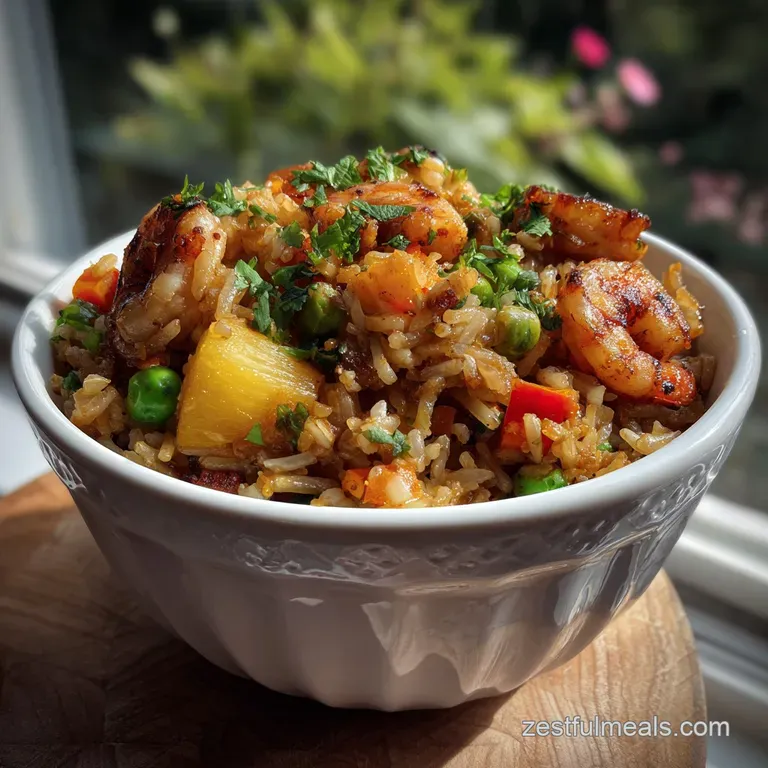
1. The Searing Phase
Heat 1 tbsp of neutral oil in your pan over medium high heat. Add the 12 oz of cubed Spam and 1/2 cup of smoked ham. Cook 4 minutes until the edges are crispy and golden. Note: This renders the fat we will use for the rice.
2. The Pineapple Flash Char
Remove the meat but leave the fat. Toss in the 1.5 cups of pineapple chunks. Sauté 2 minutes until you see brown caramelized spots. Remove the pineapple and set it aside with the meat.
3. Aromatics and Egg Ribbon
Add the remaining oil if the pan looks dry. Throw in the whites of the 3 green onions, the minced garlic, and the grated ginger. Cook 30 seconds until the aroma fills the room. Push the aromatics to the side and pour in the 2 beaten eggs. Scramble them quickly into soft ribbons.
4. The Rice Integration
Dump the 4 cups of cold Jasmine rice into the pan. Press down with your spatula for 1 minute until you hear a crackling sound. This is the rice actually frying.
5. The Umami Glaze
Drizzle the 2 tbsp of soy sauce and 1 tbsp of oyster sauce around the edges of the pan so it sizzles before hitting the rice. Add the 1/2 tsp of white pepper. Toss vigorously for 2 minutes until every grain is tinted brown.
6. The Final Assembly
Fold the Spam, ham, and pineapple back into the pan. Add the 1/2 cup of red bell pepper and 1/2 cup of thawed peas. Cook 1 minute until the vegetables are heated through.
7. Finishing Touches
Turn off the heat. Drizzle the 1 tsp of toasted sesame oil over the top and scatter the green onion tops. Stir once to combine the scents.
8. Serving
Scoop the rice into bowls while it is steaming hot. The contrast of the hot, salty Spam and the sweet, juicy pineapple is at its peak right now.
Chef's Tip: To get that restaurant style "shatter" on the rice, freeze your cooked rice for 20 minutes on a baking sheet before frying. This dehydrates the surface of the grains perfectly.
Solving Common Cooking Problems
Why Your Rice Is Soggy
This is the most common heartbreak. Usually, it happens because the rice was too fresh or the pan wasn't hot enough. When rice is warm, it releases steam, which turns your stir fry into a porridge.
| Problem | Cause | Fix | Pro Tip |
|---|---|---|---|
| Grains clumping | High moisture content | Use cold, day old rice | Spread rice on a tray in the fridge for 2 hours if making same day. |
| Bland flavor | Not enough seasoning | Add a splash of fish sauce | A tiny bit of fish sauce adds deep saltiness without smelling "fishy." |
| Burnt garlic | Added too early | Add aromatics after the meat | Garlic burns in seconds at high heat; always add it last in the aromatic phase. |
To Prevent Sticking
If you are using a stainless steel pan, make sure it is "Leidenfrost" hot. This means a drop of water should dance on the surface like a bead of mercury. If the water just sizzles and evaporates, the pan is too cold, and your rice will glue itself to the bottom.
Easy Ways to Swap Flavors
This hawaiian fried rice is incredibly flexible. If your family isn't into Spam (though I suggest trying it fried once before deciding!), you can easily pivot.
For a Spicy Island Twist
Add a tablespoon of Gochujang or a drizzle of Sriracha during the sauce phase. The heat plays incredibly well with the pineapple.
For a Vegan Friendly Swap
Replace the Spam and ham with smoked extra firm tofu cubes. Use a "no fish" vegetarian oyster sauce (made from mushrooms) and swap the soy sauce for tamari to keep it gluten-free.
To Save 15 Minutes
Use those pre cooked pouches of jasmine rice found in the grocery aisle. They are already perfectly dehydrated and work surprisingly well for frying.
Comparison: Stovetop vs. Oven
| Method | Texture Result | Time Investment |
|---|---|---|
| Stovetop (Wok/Skillet) | Crispy, charred, individual grains | 10 minutes (Active) |
| Oven (Sheet Pan) | Uniformly heated, slightly softer | 20 minutes (Passive) |
Myths About Fried Rice
Myth 1: You must use a wok for authentic results. Truth: While a wok is great for "wok hei," a heavy cast iron skillet actually provides better heat retention for home stoves, which often lack the BTU power of commercial burners.
You can get a fantastic sear on your hawaiian fried rice using a standard flat skillet.
Myth 2: Fresh rice is better for frying. Truth: Fresh rice is a disaster for this dish. The high moisture content leads to a gummy, mashed up texture. The "dry" nature of older rice is a feature, not a bug.
Saving Every Tasty Leftover Bite
Storage: Keep leftovers in an airtight container in the fridge for up to 3 days. The flavors actually meld and improve by the second day.
Freezing: This dish freezes remarkably well. Let it cool completely, then flat pack it into freezer bags. It stays good for up to 2 months. To reheat, don't thaw it; just toss it straight into a hot pan with a teaspoon of water and a lid to steam thaw it quickly.
Zero Waste: Don't toss the pineapple core! If you bought a whole pineapple, chop the core very finely and simmer it with a bit of soy sauce and sugar to make a homemade glaze for grilled chicken later in the week.
Also, those green onion roots can be stuck in a jar of water on your windowsill to regrow indefinitely.
What to Serve Alongside Rice
While this is a meal on its own, I love serving it with a side of quick pickled cucumbers or a simple slaw with a ginger miso dressing. The crunch of fresh vegetables balances the soft, savory rice perfectly. If you want to go full "plate lunch" style, add a scoop of creamy macaroni salad on the side.
Decision Shortcut
- If you want a deeper color, add 1/2 tsp of dark soy sauce.
- If you want a tropical vibe, serve the rice inside a hollowed out pineapple half.
- If you want it leaner, swap the Spam for grilled chicken breast but add an extra tsp of oil.
Answering Your Rice Cooking Questions
Fresh vs. Canned Pineapple: Which is better?
Fresh is always the winner because it has a firmer structure. Canned pineapple is sitting in liquid and tends to break down and become mushy when fried. If you must use canned, buy the "chunks" and pat them bone dry with paper towels before they hit the pan.
Butter vs. Oil: Best fat for frying?
I use neutral oil for the over high heat phase to prevent burning. However, tossing a small pat of butter in at the very end (with the sesame oil) adds a velvety richness that makes the dish feel much more "gourmet" without the complex steps.
White vs. Brown Rice: Worth the swap?
Brown rice works, but it takes longer to fry because the bran layer doesn't crisp up as fast as the starchy exterior of white jasmine rice. If you use brown, ensure it is extremely dry, or it will feel heavy.
How do I fix clumpy rice?
If you pull your rice out of the fridge and it is a solid brick, do not put it in the pan that way. Put it in a bowl and use your fingers to gently break it apart into individual grains.
If it is really stubborn, a tiny splash of water or oil on your hands will help lubricate the grains so they separate without breaking.
This hawaiian fried rice is more than just a quick dinner; it's a testament to how humble ingredients like a tin of meat and some leftover grains can become something truly special. It is forgiving, fast, and remarkably satisfying. So, next time you see that leftover rice in the fridge, don't ignore it.
Grab the Spam, find the pineapple, and let the sizzle begin. Happy cooking!
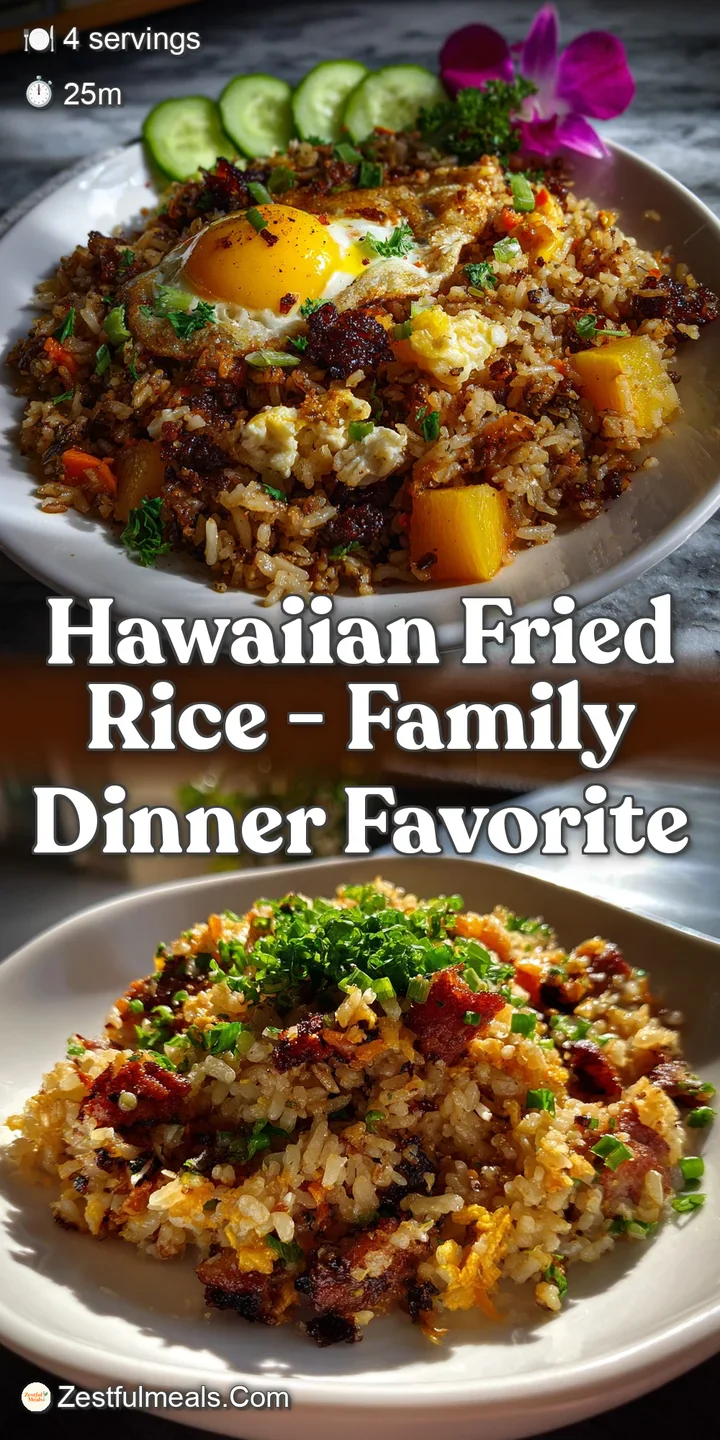
Recipe FAQs
How to make hawaiian fried rice?
Yes, with high heat and day-old rice. Start by searing Spam and ham to render fat, then briefly sear fresh pineapple chunks separately for caramelization. Mix in cold rice, aromatics, eggs, and sauces like soy and oyster sauce, tossing vigorously until grains separate.
How to make pineapple fried rice?
Yes, fresh pineapple is highly recommended. Cut the fruit into 1/2 inch chunks and sear them quickly on high heat until caramelized spots appear. This concentrates the sweetness and prevents the bromelain enzyme from making the dish watery.
How to make pineapple fried rice with chicken?
Yes, substitute the pork products with chicken. If you are skipping Spam, use diced, fully cooked chicken breast or thighs instead, searing it first to develop flavor before adding the aromatics.
How to make pineapple fried rice with shrimp?
Yes, add shrimp during the final assembly stage. Shrimp cooks very quickly, so toss raw shrimp in during the last minute of cooking with the peas and bell pepper, ensuring they are cooked through but not tough.
How to make pineapple fried rice thai?
No, this is classically Hawaiian, not Thai style. For a Thai influence, omit the Spam and substitute the oyster sauce with a mix of fish sauce and brown sugar, adding Thai chilies if you desire heat.
What rice should I use for the best texture?
Use cold, day-old Jasmine rice. Cooling the rice overnight allows starch retrogradation to occur, which hardens the grains so they fry instead of steaming when they hit the hot oil.
How do I prevent the rice from getting mushy?
Ensure your pan is very hot before adding the rice. The high heat promotes searing, keeping the grains separate and slightly chewy; if the pan is cold, the moisture trapped inside the rice will steam it instead.
Hawaiian Fried Rice Dinner
Ingredients:
Instructions:
Nutrition Facts:
| Calories | 612 kcal |
|---|---|
| Protein | 24.5 g |
| Fat | 31.4 g |
| Carbs | 56.8 g |
| Fiber | 3.2 g |
| Sugar | 9.1 g |
| Sodium | 1480 mg |
