Homemade Alfredo Sauce Recipe
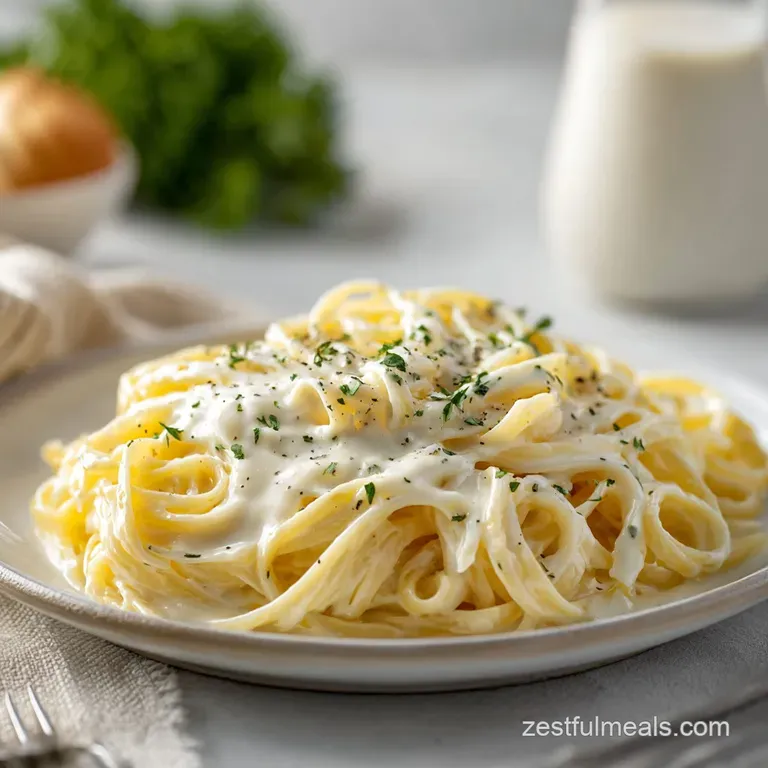
- Time: Active 5 mins, Passive 10 mins, Total 15 mins
- Flavor/Texture Hook: Velvety, buttery, and deeply savory
- Perfect for: Weeknight dinners, kid approved meals, and beginner cooks
- A Better Way to Make This Homemade Alfredo Sauce Recipe
- Time and Temp Guidelines for This Quick Weeknight Sauce
- High Quality Ingredients That Won't Break the Family Bank
- The Best Basic Gear for a Smooth Velvety Finish
- Mastering the Simmer for a Flawless Creamy Result
- How to Fix a Grainy or Broken White Sauce
- Flavor Hacks Your Family Wants
- Storing and Reheating Your Leftovers
- Best Ways to Serve Sauce
- Scaling Guidelines for Large Groups
- Truths About Classic Cream Sauce
- Homemade Alfredo Sauce Recipe FAQs
- 📝 Recipe Card
A Better Way to Make This Homemade Alfredo Sauce Recipe
The first time I tried to make a homemade alfredo sauce recipe, it was a literal disaster. I thought I could just toss everything into a pan on high heat and hope for the best, but I ended up with a clumpy, oily mess that looked more like cottage cheese than a silky sauce.
The butter had separated, the cheese had seized into a giant rubbery ball, and my kids just stared at their plates with total confusion. I almost gave up and went back to the jarred stuff, but I knew there had to be a way to get that restaurant style shimmer at home on a budget.
After dozens of batches and plenty of "learning moments," I realized that the secret isn't about fancy techniques or expensive equipment. It is all about the order of operations and respecting the heat.
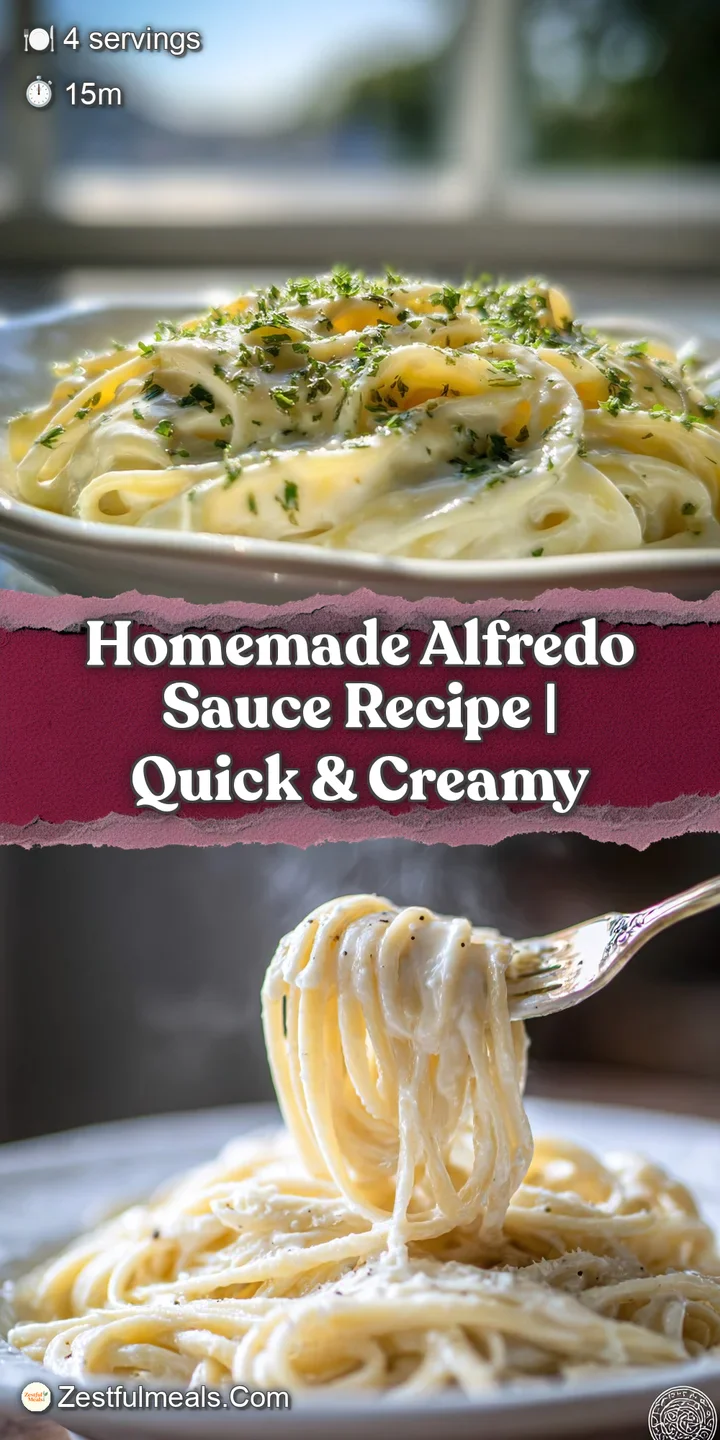
This recipe is the result of those kitchen battles a foolproof, 15 minute method that delivers a velvety, rich coating for your pasta every single time. We are talking about that glossy, ivory sauce that clings to every strand of fettuccine without feeling heavy or greasy.
You don't need a culinary degree to pull this off, just a little patience and the right ingredients. We are going to skip the flour thickeners and the weird additives found in store-bought versions.
Instead, we are leaning into the magic of heavy cream and real Parmesan Reggiano to create something that tastes like a luxury but fits perfectly into a hectic Tuesday night schedule. Trust me, once you see how easy it is to whisk this together, you'll never look at a jar of sauce the same way again.
Time and Temp Guidelines for This Quick Weeknight Sauce
The Casein Bond: Casein proteins in the cheese wrap around fat droplets from the butter and cream, creating a stable, suspended mixture that won't separate.
Evaporation Control: Simmering the cream reduces its water content, which naturally thickens the sauce without the need for a flour based roux.
Lipid Synergy: The high fat content of the heavy whipping cream acts as a buffer, preventing the cheese from overcooking and becoming stringy.
The Emulsion Bridge: Fat soluble compounds in the garlic and nutmeg dissolve into the butter, distributing flavor evenly throughout the entire water based cream mixture.
| Method | Total Time | Texture | Best For |
|---|---|---|---|
| Traditional Stovetop | 15 minutes | Silky and glossy | Most home cooks and families |
| Slow Cooker | 2 hours 15 mins | Very thick and rich | Large parties or potlucks |
| Double Boiler | 20 minutes | Ultra smooth and delicate | Preventing any risk of burning |
The stovetop method is my go to because it gives you total control over the simmer. If you see the cream bubbling too vigorously, you can just slide the pan off the heat for a second. That visual feedback is vital for making sure the proteins don't break. For another fast dinner that feels special, you might love my Ravioli with Alfredo recipe, which uses a similar technique to save time on busy nights.
high-quality Ingredients That Won't Break the Family Bank
| Ingredient | Science Role | Pro Secret |
|---|---|---|
| Heavy Whipping Cream | Provides the fat base for emulsification | Use room temp cream to prevent thermal shock |
| Unsalted Butter | Adds silkiness and rich mouthfeel | Whisk in cold cubes at the end for extra shine |
| Parmesan Reggiano | Primary thickener and flavor source | Grate it yourself to avoid anti clumping starches |
- 2 cups heavy whipping cream: Why this? Essential for the high fat content that creates a stable, thick, and velvety sauce.
- Substitute: Half and half mixed with 1 tablespoon of cornstarch (will be less rich).
- 1/2 cup unsalted butter: Why this? Adds a deep buttery flavor and helps the cheese incorporate smoothly.
- Substitute: Salted butter (just reduce the added kosher salt later).
- 1.5 cups freshly grated Parmesan Reggiano cheese: Why this? Provides the "umami" punch and naturally thickens the sauce as it melts.
- Substitute: high-quality Pecorino Romano for a saltier, sharper kick.
- 3 cloves fresh garlic, minced: Why this? Infuses the fat with a savory base layer of flavor.
- Substitute: 1 teaspoon garlic powder if you are in a massive rush.
- 1/2 teaspoon kosher salt: Why this? Enhances all the other flavors without making it overly salty.
- Substitute: Sea salt (use slightly less as it is finer).
- 1/4 teaspoon white pepper: Why this? Provides a mild heat without leaving black specks in your white sauce.
- Substitute: Finely ground black pepper.
- 1 pinch ground nutmeg: Why this? A classic Italian trick that makes the dairy taste "creamier" and more complex.
- Substitute: A tiny pinch of mace or just omit it.
The Best Basic Gear for a Smooth Velvety Finish
You don't need a kitchen full of gadgets, but a heavy bottomed saucepan is a lifesaver here. Thin pans have "hot spots" that can scorch the dairy before the cheese even has a chance to melt. I usually reach for my 3 quart stainless steel pot.
A silicone whisk is also better than a spoon because it reaches into the corners of the pan, ensuring no cheese gets stuck and burns.
Chef's Tip: Freeze your block of Parmesan for 10 minutes before grating. It makes the cheese firmer and much easier to grate into those tiny, wispy shards that melt instantly.
Also, have a microplane or a fine grater ready. The smaller the cheese particles, the faster they incorporate. If you use the large holes on a box grater, the cheese takes longer to melt, increasing the risk of the sauce breaking. If you're looking to add some protein to this, the same gear works perfectly for my Chicken and Shrimp recipe, which is a huge hit with my hungry kids.
Mastering the Simmer for a Flawless Creamy Result
1. The Aromatic Infusion
Melt the 1/2 cup unsalted butter in a large saucepan over medium low heat until it starts to foam slightly. Add the 3 cloves minced garlic and sauté for about 1 minute until fragrant but not browned.
Note: If the garlic turns brown, it becomes bitter and ruins the delicate cream flavor.
2. Tempering the Cream
Pour the 2 cups heavy whipping cream into the pan with the butter and garlic. Increase the heat slightly to medium and bring the mixture to a gentle simmer. Note: Look for small bubbles around the edges; avoid a rolling boil.
3. Reducing the Liquid
Whisk the cream and butter constantly for about 3-5 minutes until the volume reduces slightly and the mixture thickens enough to coat a spoon. This step is crucial for achieving that "homemade" body without flour.
4. Seasoning the Base
Whisk in the 1/2 teaspoon kosher salt, 1/4 teaspoon white pepper, and the pinch of ground nutmeg. Give it a taste now, as the flavor will intensify once the cheese is added.
5. The Gradual Melt
Turn the heat down to the lowest setting. Add the 1.5 cups freshly grated Parmesan Reggiano in small handfuls, whisking vigorously after each addition until completely melted and smooth. Note: Adding it all at once causes clumping.
6. The Final Texture Check
Continue whisking for 1-2 minutes on low heat until the sauce is glossy and ripples when you move the whisk. If it looks too thin, keep it on low for another minute; it will thicken significantly as it cools.
7. The Finishing Touch
Remove the pan from the heat immediately once the desired consistency is reached. Serve over hot pasta right away for the best texture.
How to Fix a Grainy or Broken White Sauce
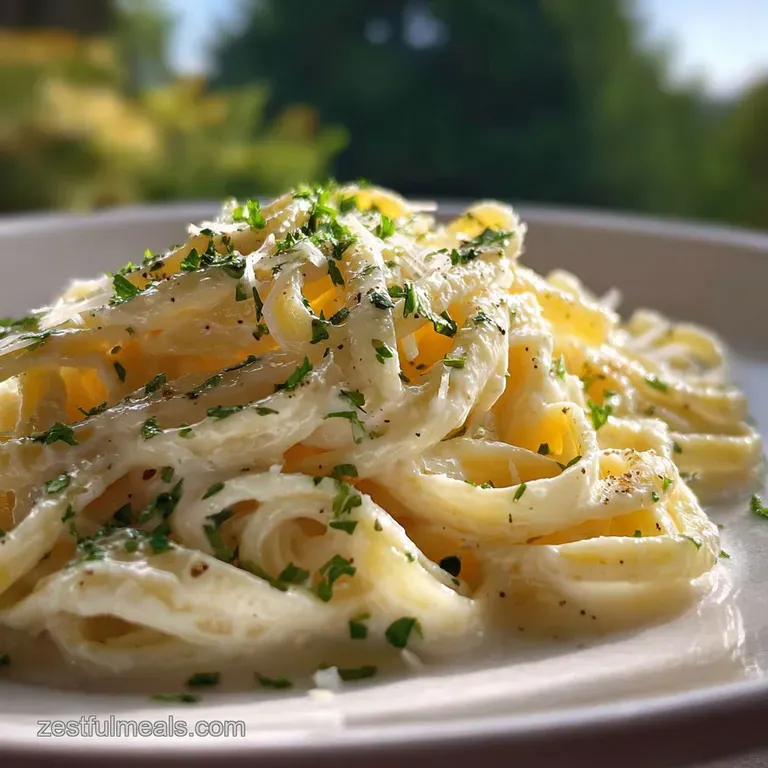
Fixing Grainy Gritty Sauce
A grainy texture usually happens because the heat was too high when the cheese was added, causing the proteins to tighten up and "bead." It can also happen if you use pre shredded cheese from a bag, which is coated in potato starch or cellulose to prevent sticking.
That coating doesn't always dissolve properly in the cream.
| Problem | Root Cause | Solution |
|---|---|---|
| Grainy Texture | Heat too high or bagged cheese | Whisk in 1 tbsp of warm heavy cream off the heat |
| Oil Separation | Sauce boiled after cheese was added | Add a splash of hot pasta water and whisk fast |
| Too Thick | Over reduction of cream | Whisk in more cream or pasta water 1 tbsp at a time |
Fixing Sauce Thickness
If your sauce looks more like a paste than a pourable liquid, don't panic. This often happens if the pasta sits in the sauce too long and absorbs the moisture. The easiest fix is to save a cup of your salty pasta cooking water before draining.
The starches in that water are magic they help "re emulsify" the sauce and bring back that silky shimmer without diluting the flavor.
Common Mistakes Checklist - ✓ Never use pre shredded cheese; the starches prevent a smooth melt. - ✓ Avoid boiling the sauce after the cheese has been added. - ✓ Don't skip the nutmeg it’s the secret to that "restaurant" depth.
- ✓ Use a heavy bottomed pan to prevent the bottom from scorching. - ✓ Add cheese in small batches, never all at once.
Flavor Hacks Your Family Wants
Ultra Rich Cream Cheese Version
If you want a sauce that is practically indestructible and extra tangy, whisk in 2 ounces of softened cream cheese before adding the Parmesan. This is a great "budget smart" trick because the stabilizers in the cream cheese help the sauce stay creamy even if you accidentally overheat it.
It’s a lifesaver for beginners.
The Authentic Roman Way
For a more traditional feel, omit the garlic and nutmeg entirely. Use only butter, cream, and a mix of Parmesan and Pecorino Romano. This version is sharper and relies entirely on the quality of the cheese for its flavor profile. It is less "American style" but very sophisticated.
| Feature | Fresh Dairy Method | Shortcut (Cream Cheese) |
|---|---|---|
| Complexity | High (Authentic flavor) | Low (Easy for beginners) |
| Stability | Moderate | Very High (Hard to break) |
| Kid Appeal | 8/10 | 10/10 (Milder flavor) |
If you are looking for other ways to use this base, it works remarkably well as a foundation for more complex sauces. For instance, the technique of balancing fats is very similar to what I use in my Simple Spaghetti Bolognese Recipe, though the ingredients differ.
Storing and Reheating Your Leftovers
Storage: This sauce will keep in an airtight container in the fridge for up to 4 days. Because of the high fat content, it will solidify into a thick block don't worry, that is normal!
I don't recommend freezing this sauce because the emulsion often breaks upon thawing, resulting in a grainy, watery mess that is hard to save.
Reheating: Never, ever use the microwave on high power. It will cause the butter to separate and leave you with a puddle of oil. Instead, put the sauce in a small saucepan over low heat. Add a splash of milk or heavy cream and whisk constantly as it warms up.
The extra moisture helps bring the emulsion back together.
Zero Waste: If you have just a little bit of sauce left, don't toss it. It makes an incredible base for a white pizza or a decadent dip for breadsticks. You can also stir a spoonful into mashed potatoes the next night to make them extra rich.
Even the rind of the Parmesan cheese shouldn't be wasted throw it into your next batch of vegetable soup for a massive hit of savory flavor.
Best Ways to Serve Sauce
While fettuccine is the classic choice, don't feel limited. Short pasta shapes like penne or rigatoni are actually better for kids because the ridges catch all that velvety sauce. If you want to keep things lighter, this sauce is heavenly over roasted broccoli or zoodles.
My family loves it when I toss in some grilled chicken or sautéed shrimp to make it a full meal.
Classic Better Than Dining Fettuccine
To get that true restaurant look, toss the cooked pasta directly into the saucepan with the sauce. Use tongs to swirl the noodles around until every inch is coated. If it looks a little tight, add that splash of pasta water we talked about.
Top with a bit of fresh parsley and an extra dusting of cheese right before serving.
The Protein Upgrade
If you want to turn this into a "wow" meal, top the pasta with sliced blackened chicken or pan seared scallops. The spiciness of the blackened seasoning cuts through the richness of the dairy perfectly. It's a professional level pairing that only takes a few extra minutes of work. For more inspiration on these combos, definitely check out my Chicken and Shrimp recipe for a full guide on the best protein prep.
Scaling Guidelines for Large Groups
When you need to feed a crowd, scaling this recipe is pretty straightforward, but there are a few rules to follow to keep it from becoming a greasy mess.
- Scaling DOWN (1/2 batch): Use a smaller saucepan so the cream doesn't evaporate too quickly. Keep the garlic at 2 cloves; you still want that aromatic punch.
- Scaling UP (2x-4x): When doubling, only increase the salt and spices to 1.5x at first. You can always add more, but with that much cheese, it can get salty fast.
- Batch Cooking: If making a 4x batch, work in two separate pans. It is much easier to maintain a stable emulsion in smaller quantities than in one giant vat where the temperature can vary wildly from the bottom to the top.
Truths About Classic Cream Sauce
One of the biggest misconceptions is that you need a roux (flour and butter) to make a "real" alfredo. That is actually closer to a Béchamel or a Mornay sauce. A true homemade alfredo sauce recipe relies on the reduction of cream and the melting of cheese for its thickness.
Adding flour often results in a "pasty" mouthfeel that masks the delicate nutty notes of the Parmesan.
Another myth is that you can use low-fat milk or half and half without any changes. Without the high fat content of heavy cream, the sauce won't emulsify properly with the cheese, and it will likely stay thin and watery.
If you must use a lower fat dairy, you'll have to add a stabilizer like cornstarch or cream cheese to help it hold together, but the flavor won't be as rich or authentic. Trust the fat it's what makes the sauce work!
Homemade Alfredo Sauce Recipe FAQs
What are the ingredients for homemade Alfredo sauce?
Heavy cream, butter, and Parmesan Reggiano cheese are the core ingredients. You'll also need minced garlic, salt, white pepper, and a pinch of nutmeg for that classic flavor profile.
What is the secret to a good Alfredo sauce?
Control the heat and add cheese gradually. The secret lies in gently simmering the cream to reduce it slightly, then whisking in freshly grated Parmesan in small amounts off the heat to create a smooth, stable emulsion without breaking.
How to make white sauce with 3 ingredients?
Melt butter, whisk in heavy cream, and then slowly melt in Parmesan cheese. This technique leverages the fat from butter and cream to emulsify the cheese, creating a creamy white sauce without needing flour.
What to make with homemade Alfredo sauce?
Toss it with pasta, especially fettuccine, for a classic dish. It also works wonderfully over roasted vegetables like broccoli, or as a base for pizzas and creamy soups. For another creamy pasta option, try this sauce on Ravioli with Alfredo.
Can I use pre-shredded Parmesan cheese for Alfredo?
No, it's best to use freshly grated Parmesan. Pre-shredded cheeses contain anti caking agents that prevent them from melting smoothly, leading to a grainy or broken sauce.
My Alfredo sauce looks oily, how do I fix it?
Add a splash of hot pasta water and whisk vigorously. The starches in the pasta water help re-emulsify the sauce, bringing the oil and dairy back together. This technique is key for mastering texture control, a skill also vital in recipes like Venison Summer Sausage: Smoked & Tangy.
Is nutmeg really necessary in Alfredo sauce?
No, it's not strictly necessary but highly recommended for depth. A tiny pinch of nutmeg enhances the creamy, dairy flavors and adds a subtle complexity that makes the sauce taste more sophisticated, similar to how a touch of acid brightens flavors in dishes like Blackberry Compote Recipe in 15 Minutes.
Homemade Alfredo Sauce
Ingredients:
Instructions:
Nutrition Facts:
| Calories | 761 calories |
|---|---|
| Protein | 16 g |
| Fat | 76 g |
| Carbs | 5 g |
| Fiber | 0 g |
| Sugar | 3 g |
| Sodium | 740 mg |
