Homemade English Muffins: Fluffy and Buttermilk-Enriched
- Time:30 minutes active + 1 hour 45 mins rising/resting = 2 hours 15 mins total
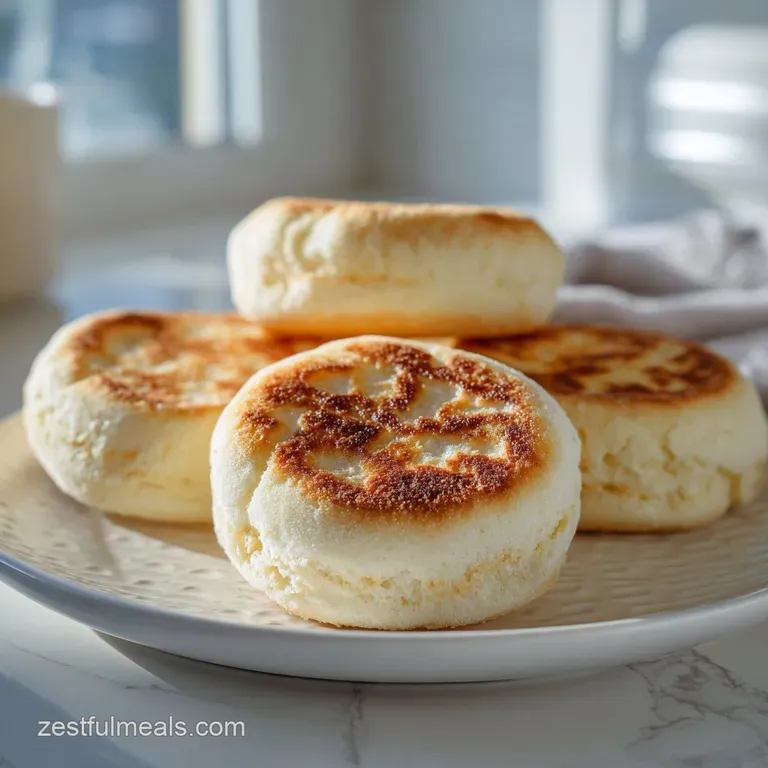
- Flavor/Texture Hook: Tangy, velvety crumb with a golden, griddled crust
- Perfect for: Weekend brunch, meal prep, or impressing house guests
- Master This Homemade English Muffin Recipe
- Why This Works
- Essential Specs for Your Breakfast
- The Ingredients for Better Muffins
- Tools for a Perfect Sear
- Step by Step Griddle Success
- Solve Your Common Dough Issues
- Easy Swaps for Every Diet
- Storage and Freshness Tips
- Myths About Stovetop Bread
- Best Toppings and Pairings
- Recipe FAQs
- 📝 Recipe Card
Master This Homemade English Muffin Recipe
Have you ever stopped to wonder why we call them "English" muffins when they are actually a brilliant American invention meant to mimic a British crumpet? It is one of those kitchen mysteries, like why we keep buying the plastic wrapped ones at the grocery store when the real thing is so much better.
I remember the first time I saw them puffing up in a cast iron skillet instead of an oven it felt like a total revelation. The air in the kitchen smells like toasted cornmeal and warm yeast, and honestly, there is no better way to start your morning.
I used to think those "nooks and crannies" were some kind of corporate secret, but they are actually just the result of a high moisture dough and a bit of patience. This homemade english muffin recipe isn't about fancy equipment; it is about the contrast between that velvety, soft interior and the satisfying crunch of the griddled surface.
It is a brunch staple that makes you feel like a professional baker without ever having to turn on the oven broiler.
Trust me, once you split one of these open with a fork never a knife, we will get to that and watch the butter pool into those deep pockets, you will never go back to the pre packaged stuff.
It is deliciously simple, and I am going to walk you through exactly how to get that mahogany brown crust every single time.
Why This Works
- Hydration Levels: A wetter dough creates steam during the skillet sear, which forces the dough to expand and form those iconic internal air pockets.
- Acidic Reactivity: The buttermilk provides a subtle tang while tenderizing the gluten, ensuring the crumb stays soft rather than bread like.
- Stovetop Insulation: Cooking on a griddle instead of in an oven allows for immediate, direct heat transfer that sets the crust before the middle over expands.
| Servings | Ingredient Adjustments | Skillet Size | Cook Time |
|---|---|---|---|
| 6 Muffins | Halve all ingredients; use 1/2 beaten egg | 25 cm | 15 mins |
| 12 Muffins | Use standard recipe quantities | 30 cm (work in batches) | 15 mins |
| 24 Muffins | Double ingredients; use 2 large eggs | Two 30 cm skillets | 30 mins |
The beauty of this stovetopvsoven approach is the texture. While an oven baked muffin can become dry and airy like a dinner roll, the skillet method traps moisture, giving you that chewy, dense but-light feel that defines a true breakfast muffin.
Component Analysis
| Ingredient | Science Role | Pro Secret |
|---|---|---|
| low-fat Buttermilk | Tenderizer | Warm it to exactly 40°C to wake up the yeast without killing it. |
| All Purpose Flour | Structure | Don't over measure; 500g provides the right tackiness for a soft crumb. |
| Yellow Cornmeal | Barrier | It prevents sticking and adds that classic "sandpaper" crunch to the base. |
| Active Dry Yeast | Leavening | Ensure it is foamy before mixing; this is your only source of lift. |
Essential Specs for Your Breakfast
Before we dive into the flour and buttermilk, let's look at the numbers that make this homemade english muffin recipe a success. You are looking for a dough that feels slightly tacky to the touch not so sticky that it clings to your fingers like glue, but not as dry as a standard pizza dough.
- Dough Thickness: 1.25 cm (0.5 inch)
- Muffin Diameter: 7.5 cm (3 inches)
- Internal Temperature:93°C (200°F)
If you find yourself enjoying the process of making dough from scratch, you might also enjoy the simplicity of this Bread in a Bag recipe, which is a great way to get kids involved in the kitchen.
The Ingredients for Better Muffins
For the Liquid Base
- 1.5 cups low-fat buttermilk:Why this? The acidity breaks down gluten for a more tender, melt in-mouth texture. (Substitute: 355ml whole milk + 1 tbsp lemon juice)
- 1 tbsp honey:Why this? Provides food for the yeast and helps achieve a mahogany brown crust. (Substitute: 1 tbsp maple syrup)
- 2.25 tsp active dry yeast:Why this? The engine of the recipe; creates the carbon dioxide for the crannies. (Substitute: 2 tsp instant yeast, skip blooming)
For the Dough
- 4 cups all purpose flour:Why this? Provides enough protein for structure without making the muffins tough. (Substitute: Bread flour for a much chewier, New York style result)
- 4 tbsp unsalted butter, softened:Why this? Adds richness and a velvety mouthfeel to the finished crumb. (Substitute: 4 tbsp vegan butter or coconut oil)
- 1 tsp fine sea salt:Why this? Regulates yeast growth and brings out the sweetness of the honey. (Substitute: 1.25 tsp Kosher salt)
- 1 large egg, room temperature:Why this? Adds structure and a beautiful golden hue to the interior. (Substitute: 1/4 cup unsweetened applesauce)
For the Coating
- 0.5 cup yellow cornmeal:Why this? Provides the iconic texture and prevents the dough from burning on the pan. (Substitute: Semolina flour)
Tools for a Perfect Sear
You don't need a professional bakery to pull this off, but a few specific tools make a world of difference. A heavy bottomed skillet is your best friend here.
- Cast Iron Skillet: This holds heat better than stainless steel, ensuring a consistent mahogany brown color without hot spots.
- 3 inch Circular Cutter: This gives you those uniform, professional looking edges. If you don't have one, a wide mouthed glass jar works in a pinch.
- Kitchen Scale: While I've given volume measurements, weighing your 500g of flour is the most reliable way to avoid a dry muffin.
- Instant Read Thermometer: The only way to know for sure the center is cooked through without cutting it open prematurely.
step-by-step Griddle Success

- Activate the yeast. Whisk the warm buttermilk (40°C) and honey in a large mixing bowl. Sprinkle the 2.25 tsp of yeast over the top and let it sit for 5–8 minutes until a thick foam forms on the surface.
- Form the paste. Add the room temperature egg, softened butter, and 2 cups of the flour. Mix until a shaggy, thick paste forms. Note: This hydrates the flour early for a smoother dough.
- Knead the dough. Gradually add the remaining flour and salt. Knead for 5 minutes in a stand mixer or 8-10 minutes by hand until the dough is smooth, elastic, and slightly tacky.
- First rise. Place the dough in an oiled bowl and cover with a damp cloth. Let it rise in a warm, draft free spot for 60 minutes until it has doubled in size.
- Roll and cut. Punch down the dough to release large air bubbles. Roll it out on a lightly floured surface to 1.25 cm thickness and cut rounds using a 3 inch cutter.
- Second rest. Place the rounds on a baking sheet heavily dusted with cornmeal. Sprinkle more cornmeal on top and let them rest for 30 minutes until they look puffy and soft.
- Heat the griddle. Heat your cast iron skillet over medium low heat. Do not add oil; the cornmeal acts as your non stick agent.
- The griddle sear. Cook the muffins for 7-8 minutes per side. Watch for a mahogany brown exterior and an internal temperature of 93°C.
- The cooling rule. Move the muffins to a wire rack. Let them cool for at least 20 minutes before splitting. Note: This prevents the interior from becoming gummy.
Solve Your Common Dough Issues
One of the most frequent hurdles when making an english muffin recipe is the moisture content. If the dough is too dry, you'll end up with a hockey puck. If it's too wet, they'll flatten out like pancakes on the griddle.
Why Is the Center Raw?
This usually happens because the heat is too high. The outside looks mahogany brown and perfect, but the inside hasn't reached that crucial 93°C. Lower your heat and cook them longer.
If you've already browned the outside, you can finish them in a 175°C oven for 5 minutes.
| Problem | Root Cause | Solution |
|---|---|---|
| Muffins are flat | Over proofed dough | Reduce second rest to 20 minutes next time. |
| No nooks and crannies | Using a knife to cut | Always use a fork to "dock" and pry them open. |
| Burnt cornmeal | Heat is too high | Wipe the pan between batches to remove charred meal. |
Common Mistakes Checklist
- ✓ Never use a knife to slice your muffins; the blade flattens the air pockets you worked so hard to create.
- ✓ Don't skip the second rest; this "proof" is what gives the muffins their height.
- ✓ Ensure your buttermilk isn't too hot (over 45°C) or it will deactivate the yeast entirely.
- ✓ Resist the urge to press down on the muffins with a spatula while they are on the griddle.
- ✓ Always use a dry skillet; adding oil or butter to the pan will fry the dough rather than griddling it.
Easy Swaps for Every Diet
If you're looking to change things up, this dough is surprisingly resilient. You can swap out the honey for agave if you prefer a different sweetness profile, or even use a gluten-free all purpose blend (though you may need to add a bit more liquid).
For those who love a bit of a seasonal twist, these muffins go incredibly well with the same flavors found in Mini Pumpkin Pies — think cinnamon, nutmeg, and a dollop of pumpkin butter.
- Whole Wheat Version: Replace 2 cups of AP flour with whole wheat flour. You may need to add 1-2 tbsp extra buttermilk as whole wheat is more absorbent.
- Vegan Option: Use almond milk with a teaspoon of apple cider vinegar as a buttermilk sub, and use a flax egg (1 tbsp ground flax + 3 tbsp water).
- Small Batch: This recipe scales down perfectly. Just remember that 1/2 of a large egg is about 1.5 tablespoons of whisked egg.
| Feature | Stovetop Method | Oven Method |
|---|---|---|
| Texture | Chewy and moist | Airy and bread like |
| Crust | Distinctly griddled/flat | Rounded and soft |
| Flavor | Toasted cornmeal forward | Traditional baked bread |
Storage and Freshness Tips
English muffins are the kings of meal prep. Because they have a relatively low-fat content compared to brioche or rolls, they toast up beautifully even after a few days.
Storage: Keep your cooled muffins in an airtight container or a zip top bag at room temperature for up to 4 days. If your kitchen is particularly humid, move them to the fridge after 2 days to prevent mold.
Freezing: These freeze like a dream. I recommend fork splitting them before freezing. Place a small square of parchment paper between the halves so you can toast them straight from the freezer without needing a chainsaw to get them apart. They stay fresh in the freezer for up to 3 months.
Zero Waste Tip: If you have muffins that have gone a bit too stale even for the toaster, don't toss them! Tear them into chunks, toss with melted butter and garlic salt, and bake them at 150°C until crispy for the best croutons you've ever had.
Myths About Stovetop Bread
Many people believe that you need a sourdough starter to get that signature English muffin tang. While sourdough is lovely, the buttermilk in this recipe provides that exact same acidic hit without the week long commitment of maintaining a starter.
Another common myth is that you must use a "muffin ring" to keep the shape. While rings help with very wet batters (like crumpets), this dough is sturdy enough to hold its own. As long as you roll it to 1.25 cm and let it rest properly, your muffins will stay perfectly circular.
Finally, don't believe the lie that you can't make these "quick." While they do need time to rise, the active work time is only about 30 minutes. Most of the process is just letting the yeast do the heavy lifting while you enjoy your coffee.
Best Toppings and Pairings
Once you have mastered the homemade english muffin recipe, the world is your oyster. Of course, the classic move is a thick slab of salted butter and some blackberry jam, but don't stop there.
- The Savory Stack: A poached egg, a slice of Canadian bacon, and a drizzle of hollandaise.
- The Modern Brunch: Smashed avocado, a squeeze of lime, and a sprinkle of red pepper flakes.
- The Sweet Treat: Almond butter, sliced bananas, and a drizzle of the leftover honey used in the dough.
These muffins also make a surprising but welcome side for heavier dishes. If you're hosting a big family meal, try serving these alongside a Broccoli Casserole recipe to soak up all that creamy sauce. The texture of the griddled muffin provides a fantastic contrast to the soft, cheesy vegetables.
Recipe FAQs
What gives English muffins their distinctive taste?
The primary flavor profile comes from the combination of warm buttermilk and honey. This duo provides a subtle tang and natural sweetness that balances the yeast fermentation perfectly.
Is English muffin bread good for diabetics?
No, this is a common misconception. Since this recipe uses all-purpose flour, it remains a source of refined carbohydrates that will impact blood sugar levels similarly to other white breads.
What are the ingredients in English muffins?
You need low-fat buttermilk, honey, active dry yeast, all-purpose flour, unsalted butter, sea salt, a large egg, and cornmeal. These simple, pantry stable items create the ideal structure for those classic nooks and crannies.
Are homemade English muffins healthy?
Yes, they can be considered a controlled, wholesome alternative to store-bought versions. By making them yourself, you avoid the preservatives and excess additives often found in commercial packaged breads.
How to ensure those signature nooks and crannies?
Fork split the muffins rather than cutting them with a knife. If you enjoyed mastering this high hydration dough technique, you can apply similar handling principles to our hand folded pastry dough for consistent results.
How to troubleshoot muffins that come out flat?
Check your buttermilk temperature to ensure it stays between 100°F and 105°F. If the liquid is too cold, the yeast won't activate; if it exceeds 113°F, it will kill the yeast entirely and prevent the dough from rising.
How to achieve a perfect mahogany crust without burning?
Maintain the skillet heat on medium low and avoid adding fats to the pan. Cooking in a dry, preheated cast iron skillet allows the exterior to brown slowly while the interior reaches an internal temperature of 200°F.
Homemade English Muffin Recipe

Ingredients:
Instructions:
Nutrition Facts:
| Calories | 225 calories |
|---|---|
| Protein | 6g |
| Fat | 5g |
| Carbs | 38g |
| Fiber | 1.5g |
| Sugar | 3g |
| Sodium | 225mg |
