How to Make Homemade Red Pepper Paste
- Time: Active 20 minutes, Passive 2 hours, Total 2 hours 20 minutes
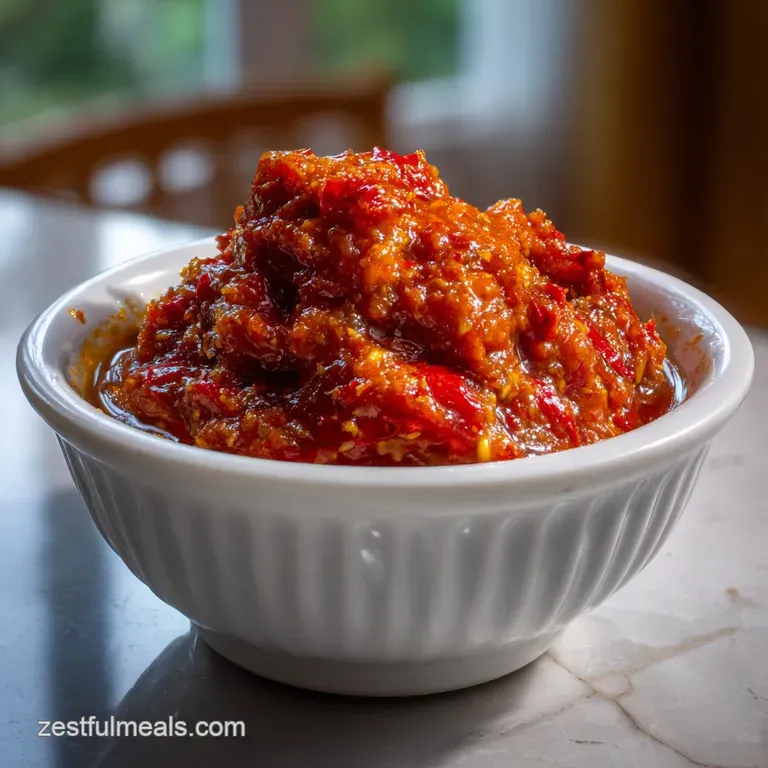
- Flavor/Texture Hook: Velvety smooth with a deep, smoky sweetness
- Perfect for: Budget conscious meal prepping and flavoring weeknight stews
Feeding a family on a budget usually means choosing between bland, cheap fillers or expensive gourmet jars that disappear in one meal. I used to stare at those tiny jars of imported paste in the international aisle, wondering why they cost nearly eight dollars.
Then, I realized that for the same price, I could buy a massive bag of peppers and make enough red pepper paste to last my family all season. It was a complete game changer for our Sunday night dinners.
The aroma that fills your kitchen while this simmers is incredible. It smells like a summer harvest being condensed into pure liquid gold. My kids used to be wary of anything with "pepper" in the name, thinking it would be too spicy, but this homemade red pepper paste is remarkably mild and sweet.
It adds a professional depth to soups and sauces that makes everyone ask for seconds, even the picky eaters.
We're going to skip the complicated sun drying methods used in traditional Turkish villages. Most of us don't have three days of desert heat or a flat roof to work with. Instead, we’ll use a simple stovetop reduction that gives you total control over the consistency.
Whether you want a thin sauce or a paste so thick it stands up on a spoon, this method delivers every single time.
Creating the Best Red Pepper Paste
The magic of this recipe lies in the slow removal of water. By simmering the puree, we concentrate the natural sugars and capsaicin, resulting in a flavor profile that is far more complex than raw peppers.
- Evaporative Concentration: Reducing the liquid volume by 75% intensifies the flavor molecules, specifically the esters that give peppers their fruity aroma.
- Caramelization: The natural sugars in the red bell peppers undergo a slow caramelization at low heat, creating a rich, jammy sweetness.
- Acid Stabilization: Adding fresh lemon juice lowers the pH level, which brightens the color and helps preserve the paste during storage.
- Emulsification: Stirring in extra virgin olive oil at the finish creates a protective barrier and a silky mouthfeel.
Essential Preparation Metrics
When you are managing a busy kitchen, timing is everything. This recipe is mostly passive, meaning you can get the laundry done or help with homework while the peppers do their thing on the stove.
| Metric | Measurement | Purpose |
|---|---|---|
| Active Prep | 20 minutes | Removing seeds and blending |
| Reduction Time | 2 hours | Removing moisture for thickness |
| Final Weight | ~1.5 lbs | Result after 4.5 lbs of raw veg |
| Simmer Temp | Low Medium | Prevents scorching the sugars |
Selecting the Fresh Produce
You don't need expensive organic peppers for this to work, but you do want them heavy for their size. In our house, I often grab the "seconds" or the slightly wrinkled peppers from the discount bin at the grocery store. Since we are blending them anyway, they don't need to be picture perfect.
| Ingredient | Science Role | Pro Secret |
|---|---|---|
| Red Bell Peppers | Provides the bulk and sweetness | Roast them first for a smokier profile |
| Diamond Crystal Sea Salt | Draws out moisture via osmosis | Use fine grain for faster dissolving |
| Bertolli Olive Oil | Acts as a natural preservative | Drizzle on top of the jar to prevent mold |
| Fresh Lemon Juice | Balances the heavy sweetness | Add at the very end to keep the zing |
Required Kitchen Tools
You don't need a high end kitchen, but a few specific tools make this much easier. I've made this with a basic hand me-down blender, and it works just fine, though it takes a minute longer to get that velvety texture.
- Vitamix E310 Blender: This is my workhorse. It pulverizes the pepper skins so you don't have to peel them.
- Lodge 6 Quart Enamel Dutch Oven: The heavy bottom is essential. Thin pots will scorch the paste as it thickens, and trust me, cleaning burnt pepper paste is a nightmare.
- Silicone Spatula: You'll want this to scrape every last bit of that concentrated goodness out of the pot.
- Fine Mesh Sieve: If you want a truly "gourmet" feel without the price tag, passing the puree through a sieve removes any stray seeds or bits of skin.
The step-by-step Reduction
Preparing the Raw Puree
Start by washing your 4 lbs red bell peppers and 0.5 lb red long chilies. Cut them open and remove the seeds and the white pith. Why this? The pith can be bitter and prevents that bright red color. Chop them into large chunks that your blender can handle easily.
Extracting Excess Moisture
Place the peppers in your Vitamix and blend until completely smooth. At this stage, it will look like a bright orange soup. Pour the mixture into your Lodge Dutch Oven. Add the 2 tbsp sea salt now. Note: The salt helps break down the cell walls of the peppers to release juice faster.
Achieving the Perfect Reduction
Turn the heat to medium high until it reaches a simmer. Once you see bubbles, drop the heat to low. You want a very gentle "burp" from the sauce, not a violent splash. Simmer for about 1 hour 30 mins until the liquid has reduced by half.
Stabilizing and Finishing
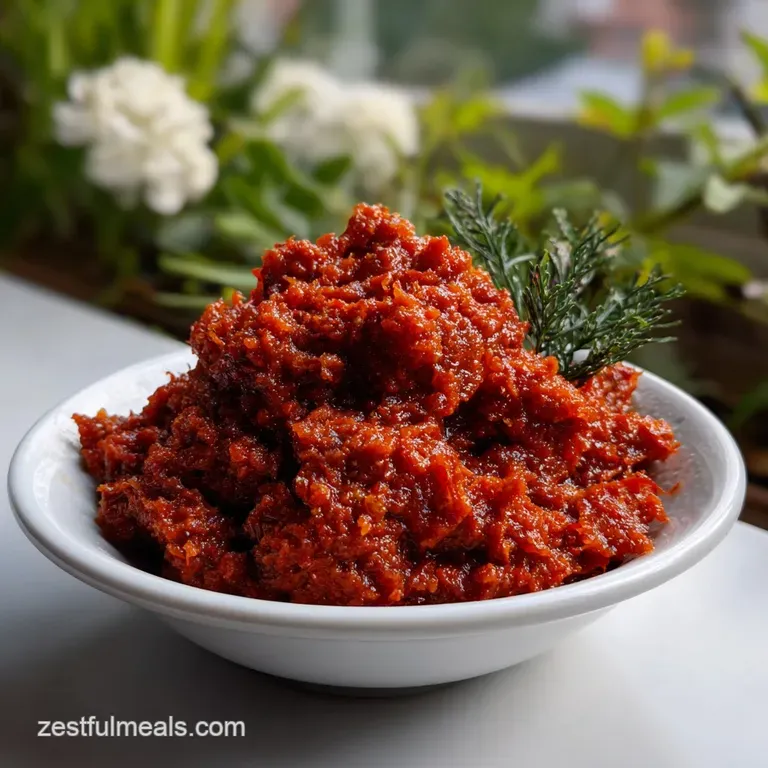
Stir in the 1 tsp smoked paprika. This adds a layer of depth that makes people think you roasted the peppers over charcoal. Continue simmering for another 30 minutes until the paste is thick enough to leave a trail when you run a spoon through it.
Final Touches
Turn off the heat. Stir in the 1 tbsp fresh lemon juice and 2 tbsp extra virgin olive oil. The oil will give the red pepper paste a beautiful glossy sheen. Let it cool completely in the pot before moving it to jars.
Fixing Common Texture Issues
Even with a simple recipe, things can go sideways if you get distracted by the kids or a phone call. Here is how to save your batch if it isn't looking quite right.
Why Your Paste Is Watery
If the paste looks more like a sauce than a spread, you simply haven't cooked it long enough. Every pepper has a different water content depending on the season.
| Problem | Cause | Fix | Pro Tip |
|---|---|---|---|
| Too Runny | High water content | Simmer 20 mins more | Use a wide pot for faster evaporation |
| Bitter Taste | Burnt bottom | Transfer to new pot | Do not scrape the bottom if it burns |
| Gritty Texture | Pepper skins | Blend longer | Use a high power blender for 2 full mins |
Balancing Overwhelming Saltiness
If you accidentally heavy handed the salt, don't panic. You can't take salt out, but you can "dilute" the perception of it. Add a teaspoon of honey or agave. The sweetness counteracts the salt on your taste buds without ruining the savory nature of the red pepper paste.
Regional Styles and Swaps
The beauty of making this at home is that you can adjust the heat levels. In my house, we keep it mild for the kids, but I know some of you love a good kick.
- Turkish Biber Salçası Style: Increase the long chilies to 1 lb and reduce the bell peppers. This creates a punchy, sharp paste common in Middle Eastern cooking.
- Korean Inspired Paste: Add a splash of soy sauce and a teaspoon of fermented bean paste at the end. It isn't a true Gochujang, but it hits those same savory notes.
- Roasted Garlic Variation: Toss a head of garlic in the oven while you prep and blend the roasted cloves right into the peppers.
| Original Ingredient | Substitute | Why It Works |
|---|---|---|
| Red Bell Peppers | Roasted Red Peppers (Jarred) | Faster prep, though much more expensive. |
| Fresno Peppers | Jalapeños (Red) | Similar heat level, though slightly more earthy. |
| Lemon Juice | Apple Cider Vinegar | Provides necessary acidity with a fruitier finish. |
Keeping the Paste Fresh
Because we've reduced the moisture and added salt and acid, this lasts quite a while. However, without commercial preservatives, you need to be careful.
Storage: Keep the paste in a glass jar in the fridge for up to 3 weeks. Always use a clean spoon to prevent cross contamination. Pro Tip: Pour a thin layer of olive oil over the top of the paste in the jar. This creates an airtight seal that prevents mold from forming.
Freezing: This is my favorite budget hack. Spoon the paste into ice cube trays. Once frozen, pop the cubes into a freezer bag. They stay fresh for 6 months. When you're making a soup, just drop one or two cubes directly into the pot.
Zero Waste: Don't toss the pepper scraps! The seeds and stems can be tossed into a bag in the freezer for your next batch of homemade vegetable stock. If you have leftover paste that's nearing its fridge life, mix it with some softened butter to make a compound butter for steaks or corn on the cob.
Easy Ways to Use It
This red pepper paste is incredibly versatile. I use it as a base for marinades by mixing it with yogurt and oregano for chicken skewers. It also works as a brilliant substitute for tomato paste when you want something with a bit more personality.
One of my favorite ways to use it is as a flavor booster for pasta. This pairs beautifully with seafood, much like the technique used in my Chicken and Shrimp recipe. Just a tablespoon stirred into the cream sauce adds a gorgeous pink hue and a sweet, peppery finish that cuts through the richness of the cheese.
Mastering the Scoville Bloom
If you want the heat to be more prominent, "bloom" the paste in hot oil for 30 seconds before adding your other ingredients. This releases the fat soluble capsaicin and spreads the heat evenly throughout your dish.
Concentrating Natural Sugars
Remember that the longer you cook it, the darker and sweeter it becomes. Some people prefer a "fresh" tasting paste (cook for 1 hour), while others want a "deep" paste (cook for 2.5 hours). Honestly, don't even bother with a lid; you want that steam to escape so the flavors can concentrate.
Flavor Myths Debunked
Many people think you must peel peppers to get a smooth paste. That is simply not true if you have a decent blender. The skins contain a lot of the nutrients and pigments that give the paste its vibrant color. Searing meat does not "seal in juices," and similarly, roasting peppers isn't the only way to get flavor.
The stovetop reduction does all the heavy lifting for you.
Another myth is that you need specialized "paste peppers." While some varieties like the Salçalık pepper are traditional in Turkey, standard grocery store bell peppers work perfectly well. The key is the reduction time, not the specific variety of sweet pepper.
Trust me on this, once you start making your own red pepper paste, you'll never go back to the store-bought stuff. It's cheaper, tastes cleaner, and gives you that "chef" feeling in your own kitchen without needing a culinary degree. Let's crack on and get a batch started!
Recipe FAQs
How to make red pepper paste?
Yes, using stovetop reduction. Wash and de-seed peppers, blend them into a puree with salt, and then simmer slowly until the liquid reduces by about 75% and the paste thickens.
How to make red pepper paste from scratch?
Yes, using fresh ingredients. Start with 4 lbs of red bell peppers and a small amount of hot chilies, focusing on a slow reduction over low heat to concentrate the natural sugars.
How to make red pepper paste at home?
Yes, using a Dutch oven and patience. The primary steps involve blending the raw peppers, adding salt to draw out moisture, and then gently simmering for about two hours to achieve a thick, spreadable texture.
How to make red pepper paste Korean?
No, this is not true Gochujang. To achieve Korean inspired notes, add a splash of soy sauce and a teaspoon of fermented bean paste at the very end of the reduction process.
How to make red pepper paste Turkish?
Yes, by changing the pepper ratio. For a paste resembling traditional Biber Salçası, increase the quantity of long chilies used relative to the sweet bell peppers for a sharper, more intense flavor profile.
How long does the red pepper paste need to cook?
About two hours total for full concentration. The initial phase requires cooking until the liquid is reduced by half (approx. 1.5 hours), followed by another 30 minutes until it is thick enough to hold a trail when stirred.
What is the purpose of adding oil and lemon juice?
They stabilize and finish the texture. Lemon juice lowers the pH to brighten the color and aid preservation, while olive oil is stirred in last for a glossy, silky mouthfeel.
Homemade Red Pepper Paste
Ingredients:
Instructions:
Nutrition Facts:
| Calories | 56 kcal |
|---|---|
| Protein | 1.4 g |
| Fat | 2.1 g |
| Carbs | 8.1 g |
| Fiber | 2.6 g |
| Sugar | 4.9 g |
| Sodium | 293 mg |
