How to Make Taco Meat: Savory Ground Beef
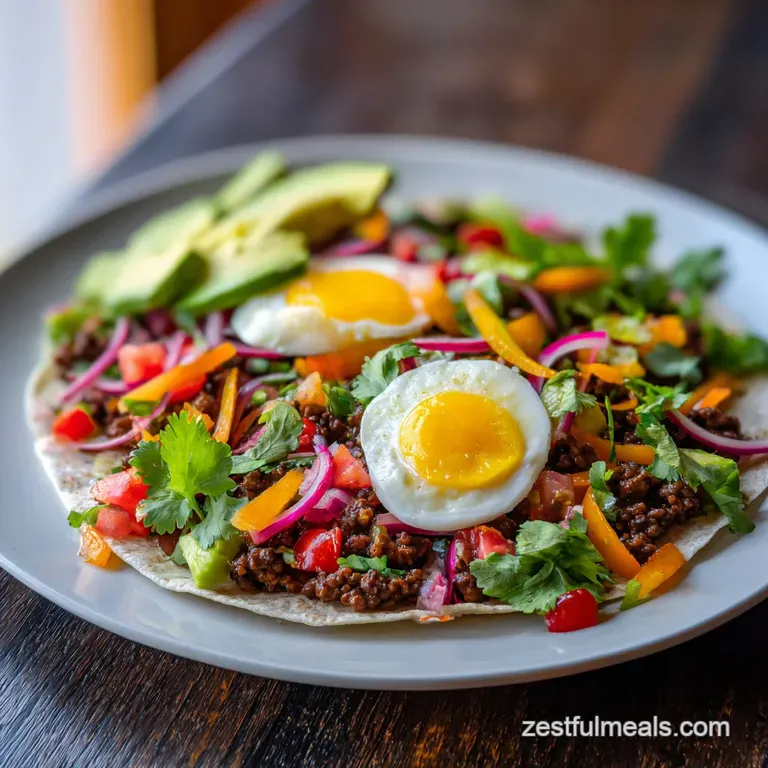
- Time: Active 5 minutes, Passive 10 minutes, Total 15 minutes
- Flavor/Texture Hook: Savory, crumbly, and moisture rich beef
- Perfect for: Chaotic weeknight dinners or batch prepping school lunches
- Smart Steps for How to Make Taco Meat
- Better Budget Taco Meat Secrets
- Component Analysis for Better Beef
- The Pantry Staples You'll Need
- Simple Tools for Perfect Browning
- Step-by-Step Stovetop Taco Method
- Avoid These Common Meat Mistakes
- Flavor Variations and Lean Swaps
- Batch Cooking and Storage Tips
- Searing and Seasoning Logic
- Storage and Zero Waste
- Best Sides for Taco Night
- Recipe FAQs
- 📝 Recipe Card
Smart Steps for How to Make Taco Meat
The moment that 454g of ground beef hits the hot pan, you should hear a sharp, rhythmic sizzle. If it sounds like a quiet hiss, your pan isn't hot enough, and we're steaming the meat instead of searing it. I learned this the hard way years ago when I ended up with a gray, rubbery mess that my kids wouldn't touch.
Now, I wait for that first puff of savory steam to signal that the Maillard reaction is working its magic.
Honestly, don't even bother with the expensive pre mixed packets. They're often loaded with cornstarch and way too much salt, which masks the actual flavor of the beef. By making this yourself, you control the salt and the heat, keeping it budget friendly while tasting like something from a real taqueria.
We've made this on countless Tuesday nights, and the secret is always in the moisture balance.
We're going for a texture that's crumbly but velvety, not dry and gritty. You want every tiny piece of beef to be coated in a light, glossy sauce that clings to the meat instead of pooling at the bottom of the taco shell.
It's a simple shift in technique, but it makes a world of difference when you're trying to stretch a single pound of meat to feed a family of four.
Better Budget Taco Meat Secrets
Most people just brown the meat and stir in spices, but that often leads to "hot spots" of flavor and dry patches. This method uses a liquid binder to ensure total coverage.
- Fat Emulsification: The 5g of tomato paste acts as a bridge between the beef fat and the 120ml of beef broth, creating a silky glaze.
- Spice Blooming: Adding the chili powder and cumin directly to the hot fat before the liquid wakes up the essential oils for a deeper aroma.
- Osmotic Balance: Using 6g of fine sea salt early in the process helps the meat retain its internal moisture during the hard sear.
- Starch Gelatinization: While we aren't using flour, the natural proteins in the beef broth thicken slightly as they reduce, coating the crumbles.
| Cooking Method | Total Time | Texture Result | Best For |
|---|---|---|---|
| Stovetop Skillet | 15 minutes | Crispy edges, juicy center | Quick weeknight meals |
| oven-roasted | 25 minutes | Uniformly browned, drier | Large batch meal prep |
| Slow Cooker | 4 hours | Soft, fall apart tender | Feeding a large crowd |
Choosing the right method depends on your schedule, but the stovetop is my go to for that classic "snap" in the texture. If you're looking for a different profile entirely, you might enjoy the fennel forward notes of a Beef Italian Sausage recipe for other pasta based family meals.
Component Analysis for Better Beef
Understanding what each item does in the pan helps you shop smarter and avoid wasting money on ingredients that don't serve a purpose.
| Ingredient | Science Role | Pro Secret |
|---|---|---|
| Ground Beef (454g) | Protein & Fat Base | Use 85% lean for the best flavor to value ratio. |
| Beef Broth (120ml) | Hydration Agent | Prevents the "gritty" mouthfeel common in dry seasoned meat. |
| Tomato Paste (5g) | Umami Booster | Provides the "red" color and binds the spices to the meat. |
| Chili Powder (8g) | Primary Aromatics | Contains mild heat and earthy tones that define the dish. |
Once you understand how these flavors work together, you'll realize you can apply similar logic to a Meat Sauce Recipe to get that same silky, professional finish at home.
The Pantry Staples You'll Need
Gathering everything before you turn on the flame is the best way to avoid burning your spices while you're hunting through the cupboard.
- Ground Beef (454g): 85% to 90% lean is the sweet spot for flavor without excessive grease. Why this? Fat carries flavor, but too much makes the taco shells soggy.
- Substitute: Ground turkey or chicken works, but add an extra 5ml of oil.
- Neutral Oil (5ml): Like canola or vegetable oil. Why this? High smoke point allows for a better initial sear.
- Substitute: Avocado oil or even a tiny bit of beef tallow.
- Chili Powder (8g): The backbone of the flavor. Why this? Provides the classic "taco" earthiness without overwhelming heat.
- Substitute: A mix of paprika and a pinch of cayenne.
- Ground Cumin (2g): For that smoky, savory punch. Why this? Cumin is what makes taco meat smell like a restaurant.
- Substitute: Ground coriander (though it will be more floral).
- Fine Sea Salt (6g): Essential for seasoning the protein. Why this? Fine grains dissolve faster into the meat juices.
- Substitute: Kosher salt (use about 9g as it's less dense).
- Smoked Paprika (1g): Adds a hint of "charred" flavor. Why this? Mimics the flavor of an outdoor grill.
- Substitute: Regular sweet paprika.
- Garlic Powder (1.5g): Even distribution of garlic flavor. Why this? Doesn't burn as easily as fresh minced garlic during searing.
- Substitute: 1 clove of fresh garlic, minced finely.
- Onion Powder (1.5g): Adds sweetness and depth. Why this? Provides onion flavor without the texture of chunks for picky eaters.
- Substitute: Very finely grated fresh yellow onion.
- Cracked Black Pepper (0.5g): For a sharp, biting finish. Why this? Balances the earthy cumin and sweet paprika.
- Substitute: White pepper for a more floral heat.
- Beef Broth (120ml): The liquid that creates the sauce. Why this? Adds more "meatiness" than just using plain water.
- Substitute: Water mixed with a half teaspoon of beef bouillon.
- Tomato Paste (5g): The thickener and color agent. Why this? Gives the meat a rich, deep mahogany hue.
- Substitute: 15ml of tomato sauce (reduce the broth by 10ml if using).
Simple Tools for Perfect Browning
You don't need a high end kitchen to do this right, but a few specific tools make the job significantly easier for a busy cook.
I always reach for my heavy cast iron skillet (like a 12 inch Lodge) because it holds heat better than thin aluminum pans. When you drop cold meat into a thin pan, the temperature plummets, and the meat begins to boil in its own juices rather than searing.
A sturdy spatula is also non negotiable for breaking up those clumps.
If you have kids who are sensitive to "chunks," try using a stiff potato masher right in the skillet. It’s a trick I picked up for making the most uniform, restaurant style crumbles.
You'll also need a set of measuring spoons to ensure your 8g of chili powder and 2g of cumin are accurate, as guessing can lead to a very salty or very bland dinner.
step-by-step Stovetop Taco Method
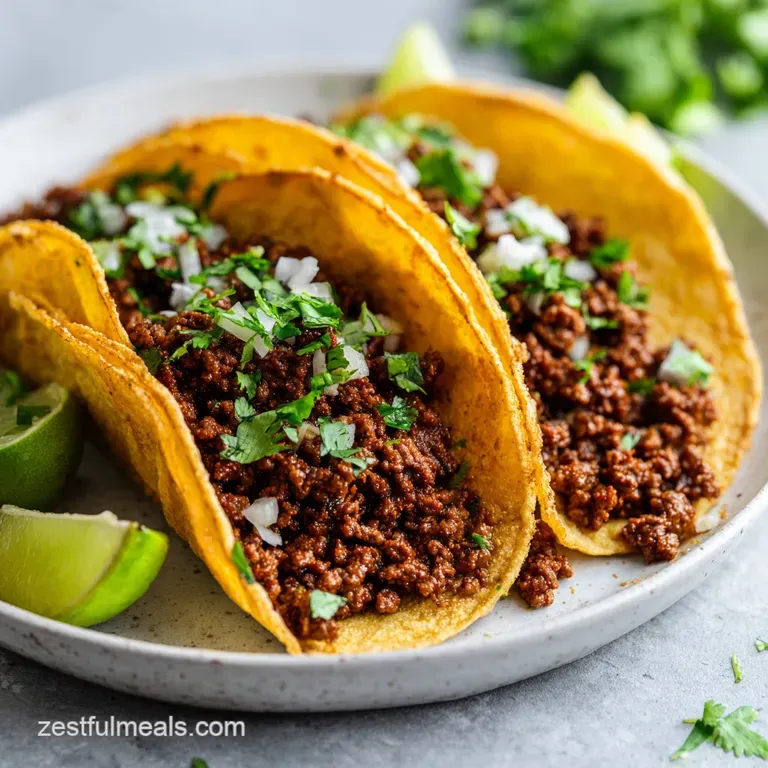
Follow these steps precisely to ensure the meat stays juicy while developing a deep, savory crust.
- Heat the pan. Set a large skillet over medium high heat and add 5ml of neutral oil. Note: Wait for the oil to shimmer before adding the meat.
- Sear the beef. Add the 454g of ground beef to the pan. Cook for 3 minutes without moving it to develop a dark brown crust on the bottom.
- Break it up. Use a spatula or potato masher to crumble the meat into small, even pieces. Cook until no pink remains, usually another 4 minutes.
- Drain the excess. Tilt the pan and spoon out the extra grease, leaving about 15ml of fat for flavor. Note: Don't drain it completely or the meat will be dry.
- Toast the spices. Stir in the 8g chili powder, 2g cumin, 6g salt, 1g smoked paprika, 1.5g garlic powder, 1.5g onion powder, and 0.5g black pepper. Cook for 1 minute until fragrant.
- Add the binder. Stir in the 5g of tomato paste, coating the meat thoroughly. Note: This creates a base for the sauce to cling to.
- Deglaze with broth. Pour in the 120ml of beef broth. Use your spatula to scrape up any brown bits stuck to the bottom of the pan.
- Simmer and reduce. Turn the heat down to medium low. Cook for 5 minutes until the liquid has thickened into a glossy glaze that coats the beef.
- Check the temp. Ensure the meat has reached an internal temperature of 71°C.
- Rest and serve. Remove from heat and let it sit for 2 minutes. The meat will absorb any remaining moisture as it cools slightly.
Avoid These Common Meat Mistakes
Even the simplest recipes can go sideways if you're rushing. The most common issue I see is people adding the liquid too early, which prevents the meat from ever getting that essential browned flavor.
The Fix for Rubbery Meat
If your meat feels bouncy or rubbery, it usually means it was steamed at a low temperature rather than seared. To avoid this, make sure your 454g of beef is at room temperature for 10 minutes before cooking, and never crowd a small pan.
If you're doubling the recipe, work in two batches to keep the pan temperature high.
To Avoid "Greasy" Tacos
Nothing ruins a taco night like orange oil dripping down your sleeve. If you find your meat is still too oily even after draining, it’s likely the 85% lean beef had more fat than expected.
You can stir in a teaspoon of cornstarch mixed with a teaspoon of cold water at the very end to help "grab" that fat and turn it into a thick sauce.
| Problem | Root Cause | Solution |
|---|---|---|
| Bland Flavor | Spices added to liquid, not fat | Toast spices in the fat for 60 seconds before adding broth. |
| Gritty Texture | No liquid binder used | Ensure you use the full 120ml of broth and simmer it down. |
| Excess Liquid | Didn't simmer long enough | Increase heat to medium and stir constantly for 2 minutes. |
Common Mistakes Checklist:
- ✓ Pat the meat dry with a paper towel if it looks wet before hitting the pan.
- ✓ Let the pan heat for at least 3 minutes before adding the oil and beef.
- ✓ Don't stir the meat immediately; let the bottom develop a dark brown sear first.
- ✓ Use a beef broth with low sodium so you can control the 6g of sea salt yourself.
- ✓ Always let the meat rest for 2 minutes after cooking to allow the juices to redistribute.
Flavor Variations and Lean Swaps
If you're watching your budget or your waistline, there are several ways to tweak this recipe without losing that satisfying savory "thump."
For a leaner twist, swap the beef for ground turkey or chicken. Since these meats are much lower in fat, you’ll need to increase the neutral oil to 10ml and be extra careful not to overcook them. Ground poultry can go from juicy to cardboard dry in about sixty seconds once the pink is gone.
If you’re craving a "fire roasted" variation, try adding a small 113g can of diced green chiles along with the tomato paste. It adds a beautiful acidity that cuts through the richness of the beef.
For those who want it spicy, don't just add more chili powder; try adding 1/2 teaspoon of crushed red pepper flakes during the spice toasting phase.
Chef's Tip: If you find yourself out of beef broth, you can use the liquid from a can of black beans. It’s thick, salty, and adds an incredible depth that makes the meat taste like it's been simmering for hours.
Batch Cooking and Storage Tips
I almost always double this recipe because taco meat is one of the most versatile leftovers in a home cook’s arsenal. It stores beautifully and actually tastes better the next day once the spices have had time to fully penetrate the protein fibers.
Scaling for a Crowd:To double (8 servings): Use 908g of beef. Keep the salt and spices at 1.5x the original amount first, then taste and adjust. Use 200ml of broth instead of 240ml, as large batches release more natural moisture.
To half (2 servings): Use 227g of beef. Reduce the simmer time by about 3 minutes as the liquid will evaporate much faster in a large pan.
| Servings | Beef Quantity | Broth Amount | Pan Size |
|---|---|---|---|
| 4 People | 454g | 120ml | 10-12 inch Skillet |
| 8 People | 908g | 200ml | 14 inch Skillet or Pot |
| 12 People | 1.36kg | 300ml | Large Dutch Oven |
Searing and Seasoning Logic
There are a few myths that tend to float around about cooking ground meat that can actually hinder your progress in the kitchen.
One common misconception is that you should wash your ground beef before cooking. Please, don't do this. It spreads bacteria around your sink and adds unnecessary moisture to the meat, making it impossible to get a good sear.
The heat of the pan (reaching well over 71°C) will take care of any safety concerns.
Another myth is that you need a Taco Seasoning Packet recipe to get the "authentic" flavor. While those packets are convenient, they rely heavily on thickeners. By using tomato paste and a slow reduction of broth, you're achieving a superior texture that isn't gummy or artificial.
Storage and Zero Waste
Store any leftover taco meat in an airtight container in the fridge for up to 4 days. If you want to freeze it, let it cool completely first, then press it flat in a freezer safe bag. It will stay fresh for up to 3 months.
To reheat, add a splash of water or broth to a pan and heat over low until the fat melts and the meat is steaming again.
Don't toss out the small bits of leftover meat that aren't enough for a full taco. I love stirring those "scraps" into a morning omelet or tossing them over a bowl of tortilla chips with some melted cheese for a quick nacho snack.
If you have extra tomato paste left in the can, freeze it in 5g dollops on a piece of parchment paper so you’re ready for the next taco night without wasting the rest of the jar.
Best Sides for Taco Night
While the meat is the star, the supporting cast makes the meal. I usually serve this with a side of cilantro lime rice and some quick pickled red onions to cut through the richness.
If you have a few extra minutes, charring your corn tortillas directly over a gas flame gives them a smoky aroma that perfectly complements the smoked paprika in the beef.
If you’re looking to round out a full Mexican inspired spread, consider serving this alongside a Mu Shu Chicken recipe if you're doing a fusion style dinner party. The contrast between the savory beef and the ginger soy notes of the chicken is always a hit with guests who like to pick and choose their flavors. For a simpler route, a big bowl of crispy slaw with a lime vinaigrette provides the "shatter" and crunch that soft taco meat occasionally needs.
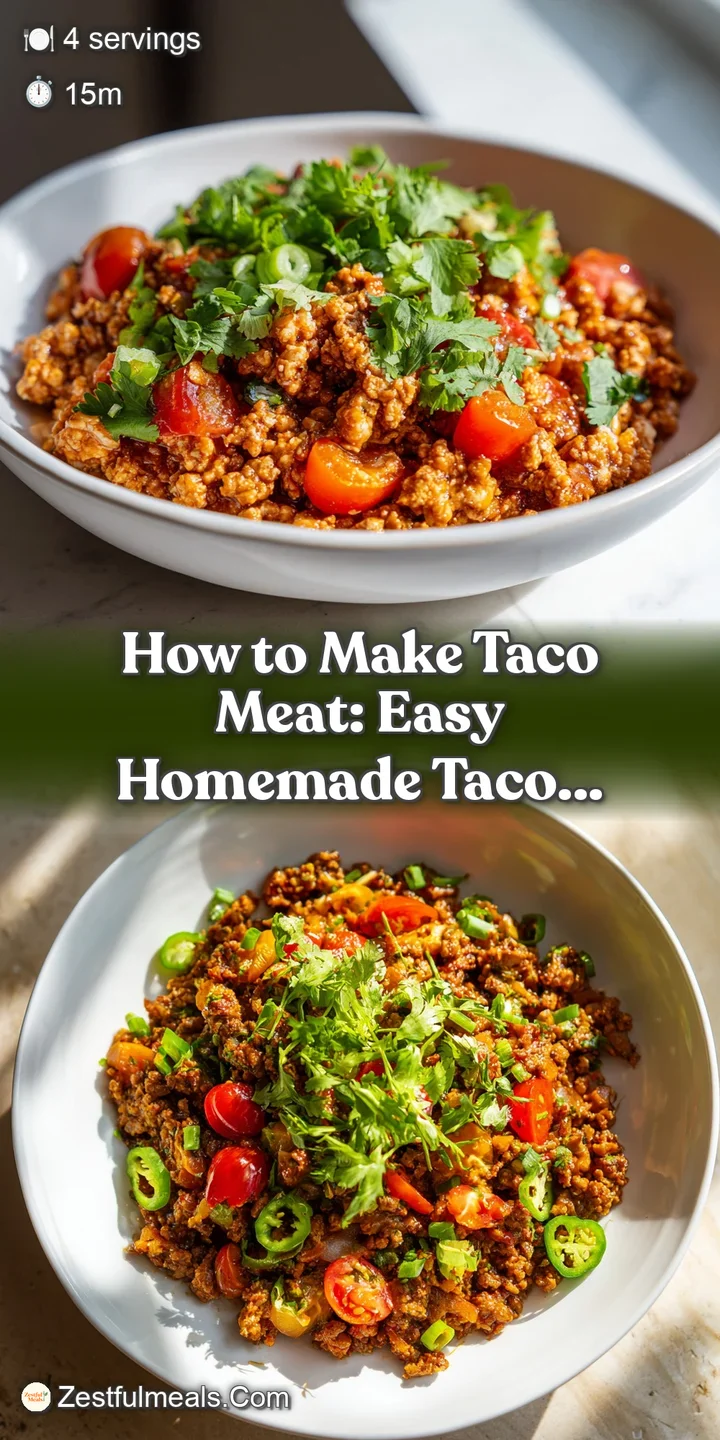
Recipe FAQs
How is taco meat made?
Brown the ground beef first, then add spices and liquid. Sear the beef over medium high heat without moving it for three minutes to develop a crust before crumbling.
After draining excess fat, toast the spices directly in the residual fat for one minute before adding beef broth and tomato paste to create a binding sauce.
Do you add water when making taco meat?
No, use broth instead of plain water. Water dilutes the savory flavor profile, resulting in a less rich final product. Beef broth provides necessary moisture while boosting the deep umami flavor that coats the meat crumbles beautifully.
What's the secret to flavorful taco meat?
Toast the spices and use a liquid binder like tomato paste. Adding spices directly to the hot fat blooms their essential oils, maximizing aroma and flavor absorption.
The tomato paste acts as a bridge between the fat and liquid, ensuring the seasoning clings to the meat instead of pooling at the bottom of the pan.
Do you put taco seasoning on meat before cooking?
Yes, but toast the spices before adding the primary liquid. Add your dry spices (chili powder, cumin, salt) directly to the hot fat coating the seared meat and cook for 60 seconds until fragrant. This step awakens the spices far more effectively than simply stirring them into raw or boiling meat.
How do you prevent taco meat from becoming dry and gritty?
Simmer the meat in beef broth until the liquid reduces to a glaze. The final simmer allows the meat fibers to reabsorb moisture, creating a velvety texture instead of a dry crumble. This technique of reduction is similar to what we do when building depth in our Meat Sauce Pasta recipe.
Should I use 90% lean beef or leaner ground meat for the best flavor?
No, 85% lean beef offers the best flavor to value ratio. Fat is a primary carrier of flavor, and using meat that is too lean (like 93% or higher) requires adding extra oil, which can feel artificial. If you must use ground turkey, substitute the drained fat with 10ml of neutral oil.
How long should the meat simmer after adding the liquid?
Simmer for about 5 minutes over medium low heat. You are looking for the beef broth and tomato paste mixture to reduce significantly, coating every piece of meat in a glossy sauce. Continue simmering until the liquid visibly thickens and clings to the crumbles.
How To Make Taco Meat
Ingredients:
Instructions:
Nutrition Facts:
| Calories | 218 kcal |
|---|---|
| Protein | 21.6 g |
| Fat | 13.2 g |
| Carbs | 1.9 g |
| Fiber | 0.8 g |
| Sugar | 0.5 g |
| Sodium | 692 mg |
