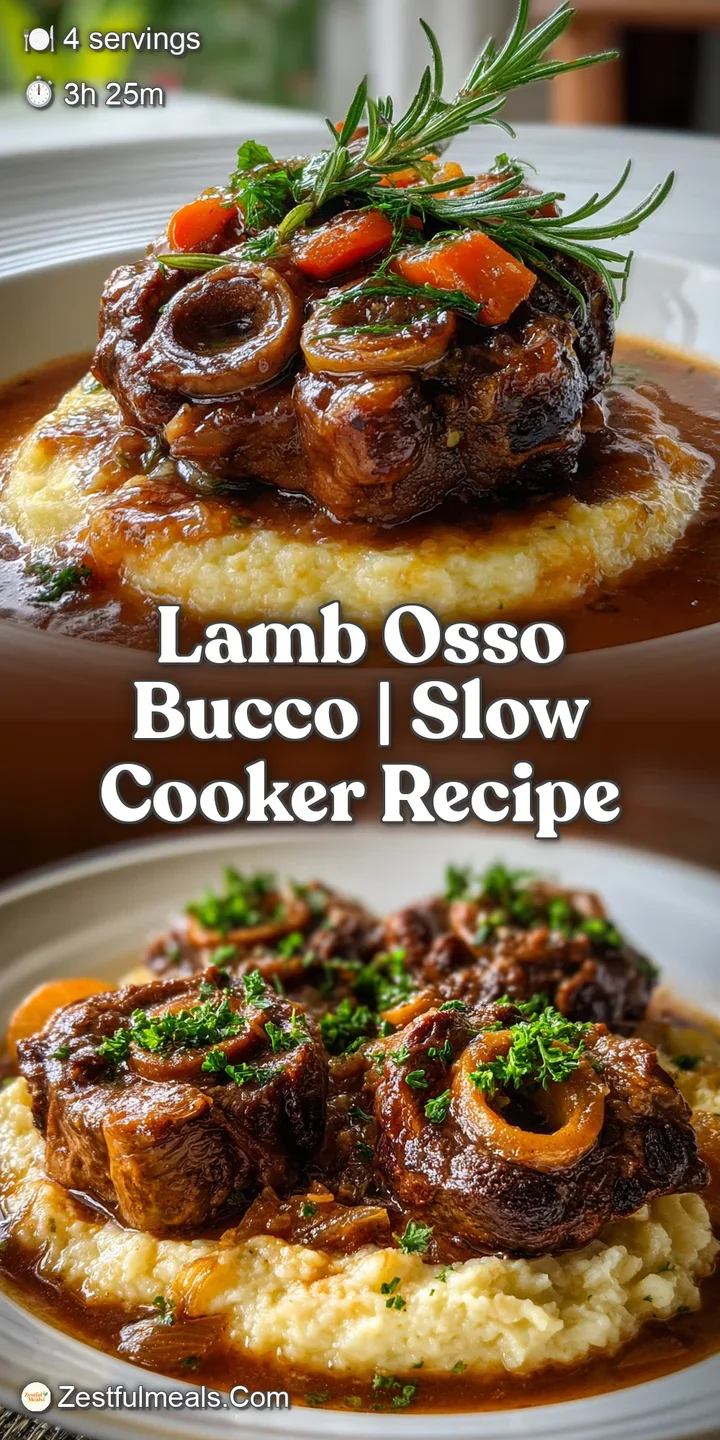
Lamb Osso Bucco: Fork Tender Masterpiece
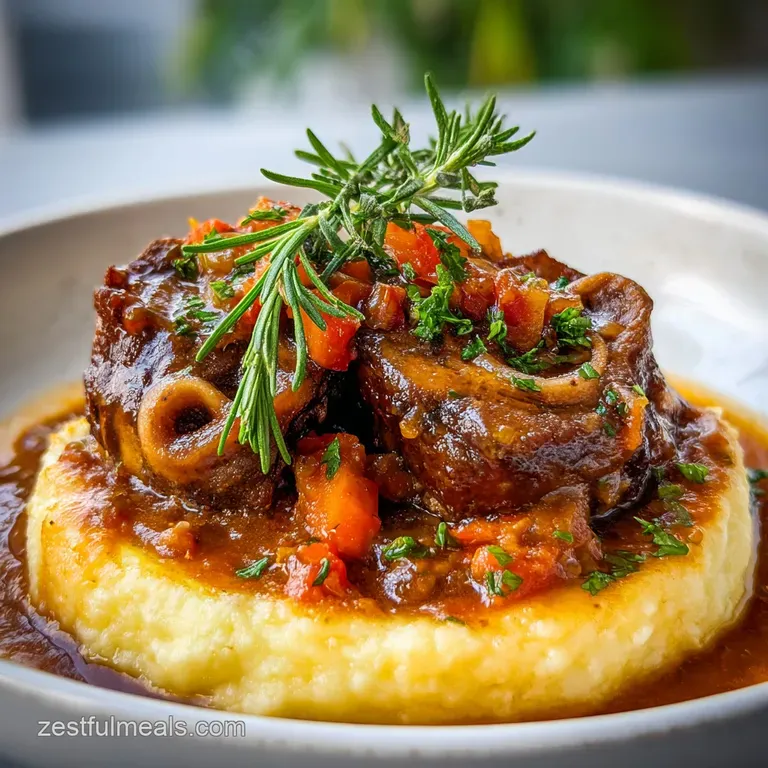
- Time: Active 25 minutes, Passive 3 hours, Total 3 hours 25 mins
- Flavor/Texture Hook: Shatter tender lamb in a bright, citrus kissed tomato sauce.
- Perfect for: Budget conscious Sunday dinners or warming up on a chilly weeknight.
- Master the Ultimate Family Sized Lamb Osso Bucco
- Essential Timing for Success
- Choosing Budget Friendly Elements
- Essential Tools for Braising
- Your Simple Cooking Steps
- Solving Common Braising Issues
- Creative Flavor Variations
- Smart Storage and Waste
- Family Style Presentation
- High in Sodium
- Recipe FAQs
- 📝 Recipe Card
Master the Ultimate Family Sized Lamb Osso Bucco
There is nothing quite like the sizzle of meat hitting a hot heavy pan to get the kids running into the kitchen asking when dinner will be ready. If you have been looking for a way to serve a fancy sounding meal without the eye watering price tag of veal, you have found it.
Lamb shanks are my absolute favorite "secret" budget cut because they are usually half the price of the beef or veal versions, but they carry way more flavor.
We have all been there trying to cook a Sunday roast only for it to come out dry and chewy. I spent years making that mistake until I realized that the secret isn't fancy equipment; it is just a bit of patience and the right liquid ratio.
This dish is basically a hug in a bowl, and honestly, the leftovers are even better the next day when the flavors have had time to really get to know each other.
Right then, let's crack on. We are going to take 1.2kg of cross cut lamb and turn it into something that looks like it came out of a professional kitchen but costs less than a takeout pizza. You'll get that incredible "shatter" texture where the meat just falls away from the bone at the mere suggestion of a fork.
Plus, we will use a few pantry staples to make sure that sauce is thick enough to coat a spoon perfectly.
Essential Timing for Success
When we talk about slow cooking, the magic happens in the silence of the oven or the quiet bubble on the stove. This isn't a dish you can rush, and your patience will be rewarded with a velvety sauce that tastes like it took all day.
The Science of Why it Works: Long duration braising triggers collagen hydrolysis, transforming tough connective fibers into silky gelatin. This process simultaneously breaks down protein structures while the Maillard reaction from the initial sear provides the deep savory base.
- Collagen Conversion: The low, steady heat ensures the meat doesn't seize up and become dry before the fats melt.
- Aromatic Infusion: Dicing your carrots, celery, and onions finely (the soffritto) allows them to melt into the liquid, providing a structural body to the sauce.
- Acid Balance: The dry white wine works to cut through the heavy fats of the lamb shanks, keeping the dish feeling light rather than greasy.
- Starch Gelatinization: Dredging the meat in flour before searing creates a micro layer that thickens the braising liquid as it simmers.
| Meat Thickness | Internal Temp | Rest Time | Visual Cue |
|---|---|---|---|
| 3cm (Standard) | 90°C+ | 10 mins | Meat pulls away from bone |
| 5cm (Thick) | 90°C+ | 15 mins | Bone is loose in the center |
| 2cm (Thin) | 88°C+ | 5 mins | Fibers separate with a spoon |
Getting the timing right is about more than just the clock; it is about watching the liquid levels. If you notice the sauce is reducing too fast, just splash in a bit more of that stock you made using the How to Cook recipe to keep everything moist and happy.
Choosing Budget Friendly Elements
I am a big believer that you don't need to spend a fortune to eat like royalty. For this component analysis, we are looking at how simple, cheap ingredients work together to create a high end result.
| Ingredient | Science Role | Pro Secret |
|---|---|---|
| Lamb Shanks (1.2kg) | Primary protein/gelatin source | Leave the bone in for marrow flavor |
| Dry White Wine (250ml) | Acidic deglazing agent | Use a cheap, crisp Pinot Grigio |
| San Marzano Tomatoes | Umami and acid base | Crush them by hand for better texture |
| Gremolata | Sensory contrast | Zest the lemon at the very last second |
To keep things within the family budget, I always look for the cross cut shanks. They are often tucked away in the back of the butcher's case. If you can't find the exact 1.2kg lamb shanks required, don't worry most butchers will cut them for you if you ask nicely.
For the Lamb & Sear
We start with 1.2kg of lamb shanks, which we will dredge in 30g of all purpose flour seasoned with 5g of sea salt and black pepper. The flour is essential for that golden crust. You will need 45ml of extra virgin olive oil to get the pan hot enough for a proper sear.
For the Braising Liquid
The base of our flavor comes from one large yellow onion, two medium carrots, and two celery stalks. We add four cloves of garlic for that punchy back note. Then we build the liquid with 250ml of dry white wine, 500ml of beef or lamb stock, and 400g of crushed San Marzano tomatoes.
For a Bright Balanced Finish
The secret weapon is the gremolata. You will need 0.5 cup of flat leaf parsley, one extra clove of grated garlic, and the zest of one lemon. This adds a "zing" that cuts through the richness of the slow cooked meat.
| Original Ingredient | Substitute | Why It Works |
|---|---|---|
| Lamb Shanks (1.2kg) | Beef Chuck (Large chunks) | High fat/connective tissue; same braise time. Note: Slightly less "sweet" flavor than lamb. |
| White Wine (250ml) | Apple Cider Vinegar (2 tbsp) + Water | Provides the necessary acid to break down fibers. |
| San Marzano Tomatoes | Standard Canned Tomatoes + pinch of sugar | Mimics the natural sweetness of the Italian variety. |
If you are looking to change up the flavor profile entirely, you could even try swapping the rosemary and thyme for a Lebanese 7 Spice recipe. It gives the whole dish a warm, Mediterranean vibe that my kids absolutely love.
Essential Tools for Braising
You don't need a kitchen full of gadgets, but a few specific items make this much easier. A heavy bottomed pot, like a Dutch oven (Lodge or Le Creuset work great), is the gold standard here because it distributes heat evenly and won't burn your soffritto.
- Heavy Dutch Oven: This is non negotiable for stovetop to oven cooking. It holds heat better than thin stainless steel.
- Kitchen Tongs: Essential for flipping the 1.2kg of meat without splashing hot oil everywhere.
- Fine Mesh Zester: For the gremolata. A microplane is my best friend for getting just the yellow zest without the bitter white pith.
- Sharp Chef's Knife: Since we are dicing onions, carrots, and celery finely, a sharp blade makes the work quick.
| Premium Tool | Budget Alternative | Flavor Impact | Savings |
|---|---|---|---|
| Enameled Cast Iron | Large Stainless Pot with Lid | Minimal; watch for hot spots | €80-150 |
| Microplane Zester | Fine side of Box Grater | Slightly coarser zest | €15 |
| San Marzano Canned | Store Brand Plum Tomatoes | Less sweetness; add sugar | €2-3 |
One trick I've learned over the years is that if you don't have a lid for your pot, you can use a double layer of heavy duty aluminum foil. Just make sure it is crimped tight around the edges so that precious steam doesn't escape that's where all the moisture lives!
Your Simple Cooking Steps
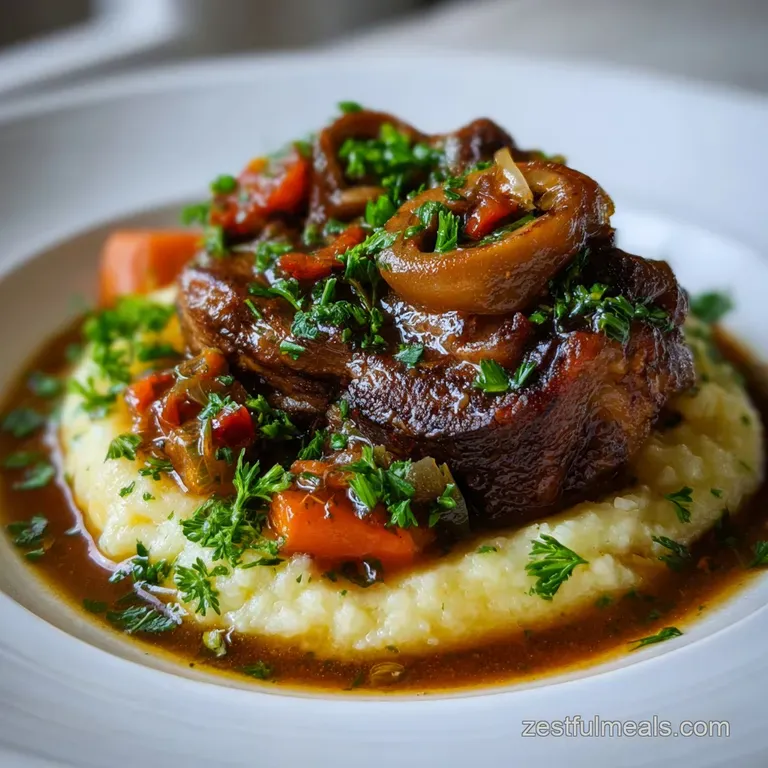
Following these steps in order ensures you build the flavor layers correctly. Don't rush the browning; it is the most important part of the whole process.
- Prep the meat. Pat the 1.2kg lamb shanks dry with paper towels. Note: Dry meat sears, wet meat steams.
- Dredge the shanks. Coat the lamb in the 30g of flour mixed with 5g salt and pepper.
- Sear the lamb. Heat 45ml oil in your pot and brown the meat on all sides until a deep golden crust forms.
- Sauté the vegetables. Remove the meat, then add the diced onion, carrots, and celery to the fat until the onions turn translucent and soft.
- Add the garlic. Stir in the 4 cloves of minced garlic for 60 seconds until the aroma fills the room.
- Deglaze the pan. Pour in 250ml of white wine, scraping the bottom with a wooden spoon until all the brown bits are dissolved.
- Combine liquids. Add the 500ml stock, 400g tomatoes, and the herbs (rosemary, thyme, bay leaves).
- The long braise. Return the lamb to the pot, cover, and simmer on low (or in a 160°C oven) for 3 hours until the meat is tender and pulling away.
- Make the gremolata. While the meat rests, mix the parsley, grated garlic, and lemon zest.
- Final thicken. If the sauce is too thin, simmer it uncovered for 10 minutes until it reaches a velvety consistency.
Chef's Tip: Freeze your lemon for 10 minutes before zesting. It makes the peel firmer and much easier to grate without getting the bitter white pith.
Solving Common Braising Issues
Even the best cooks run into trouble sometimes. The most common issue with Lamb Osso Bucco is the meat being tough after the timer goes off. Usually, this just means it needs more time!
Why Your Lamb is Tough
If you poke the meat and it feels "springy" or tight, the collagen hasn't fully melted yet. This usually happens if the temperature was too high (boiling instead of simmering) or if you didn't cook it long enough. Simply add another 30 minutes of cook time and check again.
Why Your Sauce is Greasy
Lamb shanks can be fatty. If you see a thick layer of yellow oil sitting on top of your sauce, don't panic. You can use a large spoon to skim it off, or my favorite trick: lightly touch a paper towel to the surface of the liquid to soak up the excess fat.
| Problem | Root Cause | Solution |
|---|---|---|
| Bitter Sauce | Burnt garlic or herbs | Add a teaspoon of sugar or honey to balance. |
| Meat is dry | Pot wasn't sealed properly | Add 100ml extra stock and cover tightly. |
| Bland flavor | Not enough salt/acid | Stir in a teaspoon of balsamic vinegar or more salt. |
Common Mistakes Checklist
- ✓ Didn't dry the meat: This prevents that beautiful golden crust from forming.
- ✓ Boiling too hard: This toughens the protein fibers; keep it at a gentle "smile" (tiny bubbles).
- ✓ Skipping the wine: The acid is necessary to cut through the heavy lamb fat.
- ✓ Forgetting the gremolata: Without this, the dish can feel "heavy" and one note.
- ✓ Crowding the pan: Sear the 1.2kg of lamb in batches so the temperature doesn't drop.
Creative Flavor Variations
While the classic version is hard to beat, sometimes you want to mix it up based on what is in your pantry. Since this is a budget friendly meal, feel free to use what you have on hand.
Richer Red Version
If you prefer a deeper, more robust sauce, swap the 250ml of white wine for a dry red like Cabernet Sauvignon. This will turn the sauce a deep burgundy and pair perfectly with buttery mashed potatoes.
Low Carb Alternative
For those watching their carbs, skip the flour dredge entirely. Just sear the meat in the oil with the salt and pepper. Instead of serving over risotto, try a cauliflower mash or simply extra roasted carrots.
- If you want a thicker sauce, mash one of the cooked carrots back into the liquid at the end.
- If you want it spicier, add a pinch of red chili flakes when you sauté the garlic.
- If you want it earthy, add 200g of sliced mushrooms along with the celery and carrots.
Smart Storage and Waste
One of the best things about this recipe is that it actually tastes better on day two. The fats and aromatics have time to emulsify further, creating a much more cohesive flavor.
Storage: Keep leftovers in an airtight container in the fridge for up to 4 days. If you want to freeze it, this dish handles the freezer brilliantly for up to 3 months. Just make sure the meat is completely covered in the sauce to prevent freezer burn.
Zero Waste Tips: Don't you dare throw away those bones! Once you have finished the meat, you can use the bones to start a new batch of stock. Any leftover sauce is essentially "liquid gold" toss it with some rigatoni pasta the next day for a quick "Lamb Ragu" lunch.
Even the parsley stems from the gremolata can be tossed into the pot during the braise for extra flavor.
Family Style Presentation
When it comes to serving, I like to bring the whole Dutch oven to the table. There is something so rustic and welcoming about everyone scooping out their own portion of meltingly tender lamb.
The Classic Milanese Pairing
Traditionally, this is served with Risotto alla Milanese (saffron risotto). The creamy, yellow rice is the perfect bed for the rich red sauce. If that feels too "gourmet" for a Tuesday, a simple bowl of polenta or even some thick crusty bread works just as well to soak up every drop of that velvety liquid.
The Rustic Approach
I usually serve this in wide, shallow bowls. Place a generous scoop of creamy mash in the center, top with a lamb shank, and ladle over plenty of the sauce. Sprinkle the fresh gremolata over the top right as you serve the heat from the lamb will release the lemon oils, and the aroma will be incredible.
- Myth
- You must use expensive veal for "real" Osso Bucco. Truth: Lamb is often more flavorful and significantly more affordable for families.
- Myth
- Searing "seals in the juices." Truth: Searing is purely for the Maillard reaction (flavor and color). The moisture stays in because of the low temperature braising liquid.
- Myth
- You can't overcook a braise. Truth: If you go too long (like 6+ hours), the meat can eventually become "mushy" rather than "tender." 3 to 3.5 hours is the sweet spot.
This recipe has become a staple in our house because it feels like a treat but respects our weekly grocery budget. I hope your family loves it as much as mine does!
High in Sodium
845 mg of sodium per serving (37% of daily value)
The American Heart Association recommends limiting sodium intake to no more than 2,300mg per day for most adults. Aim for even less, 1,500mg per day, for additional health benefits.
Tips to Reduce Sodium in Your Lamb Shanks
-
Low-Sodium Broth-30%
Replace the regular beef or lamb stock with a low-sodium or no-salt added version. This can significantly reduce the sodium content without sacrificing flavor.
-
No-Salt Added Tomatoes-20%
Use no-salt added crushed San Marzano tomatoes instead of the regular version. This swap makes a big difference, as canned tomatoes can be a hidden source of sodium.
-
Reduce Added Salt-25%
Cut back on the amount of sea salt added. Start by using half the amount (2.5g) and taste as you go, adding more only if needed. You can always add more, but you can't take it away!
-
Fresh Herbs Power
Maximize flavor with fresh herbs and spices! Increase the amount of rosemary, thyme, parsley, garlic, and lemon zest to enhance the dish’s taste and reduce the need for salt.
Recipe FAQs
What is Lamb Osso Bucco?
It's a slow braised lamb shank dish. Tough lamb shanks are cooked low and slow in liquid until incredibly tender, creating a rich, flavorful sauce.
What cut of lamb is Osso Bucco?
Lamb shanks are used. Specifically, cross cut lamb shanks are ideal, providing plenty of connective tissue that breaks down during braising to create a silky texture.
What cut of meat is Osso Bucco?
Osso Bucco traditionally refers to veal shanks. However, lamb shanks are a common and delicious alternative, offering a similar rich flavor and tender result when braised.
Is lamb osso buco difficult to cook?
No, it's quite straightforward. While it requires patience for the long braising time, the steps are simple: sear the meat, sauté aromatics, add liquid, and let it simmer until tender.
What makes lamb osso bucco so tender?
Slow, moist cooking breaks down connective tissues. The collagen in the lamb shanks melts into gelatin over several hours of low-temperature braising, resulting in incredibly tender meat and a rich sauce.
What is the best liquid for braising lamb osso bucco?
A combination of white wine, stock, and tomatoes is ideal. The wine deglazes the pan and adds acidity to cut through the richness, while stock and tomatoes provide depth of flavor and liquid for braising.
How do you thicken the sauce for lamb osso bucco?
Simmering uncovered or a light flour dredge helps. Dredging the shanks in flour before searing adds a bit of body, or you can reduce the sauce at the end by simmering it uncovered until it reaches your desired consistency.
Lamb Osso Bucco
Ingredients:
Instructions:
Nutrition Facts:
| Calories | 584 calories |
|---|---|
| Protein | 44.6g |
| Fat | 30.2g |
| Carbs | 21.8g |
| Fiber | 3.4g |
| Sugar | 6.2g |
| Sodium | 845mg |
