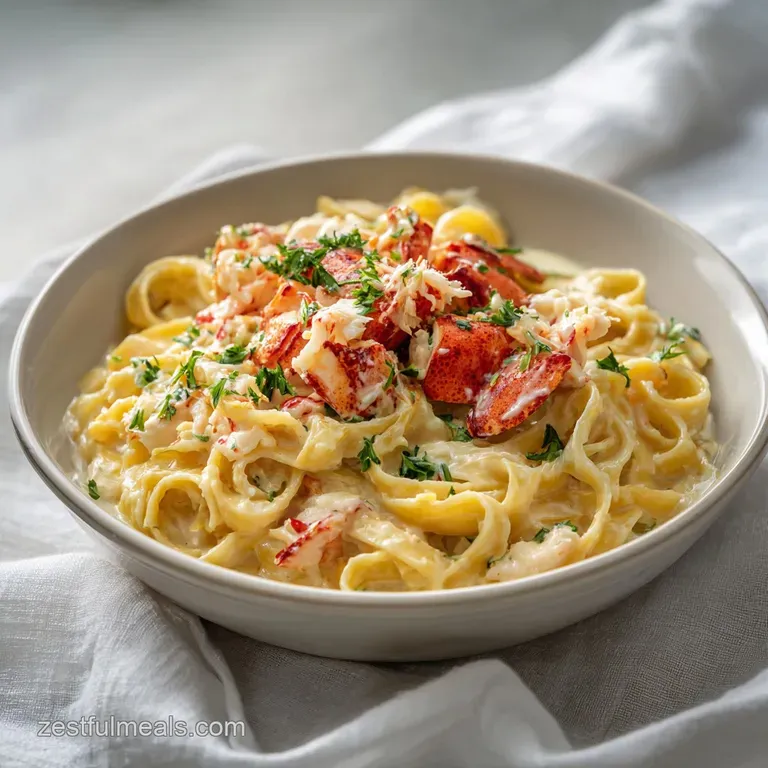
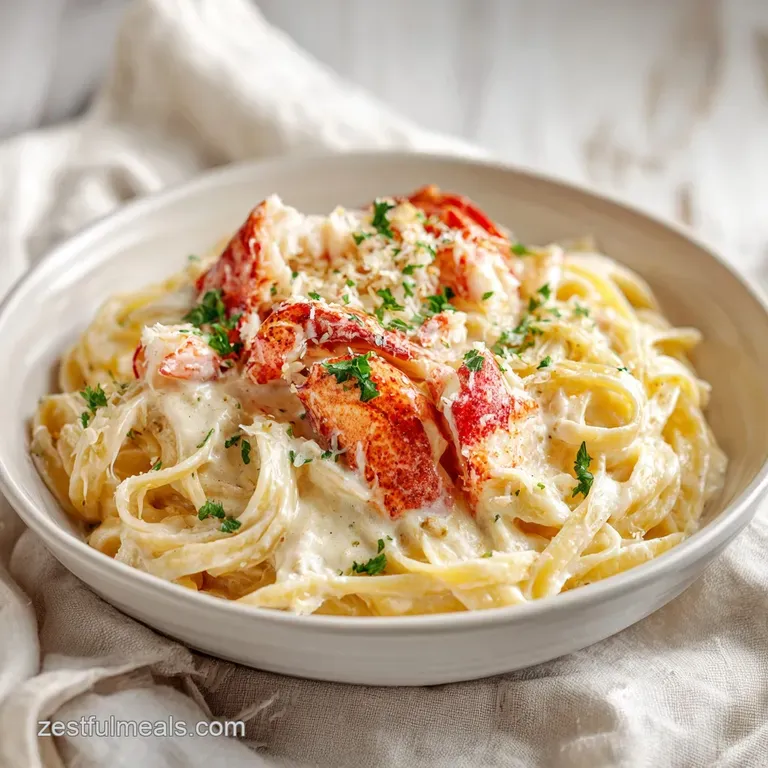
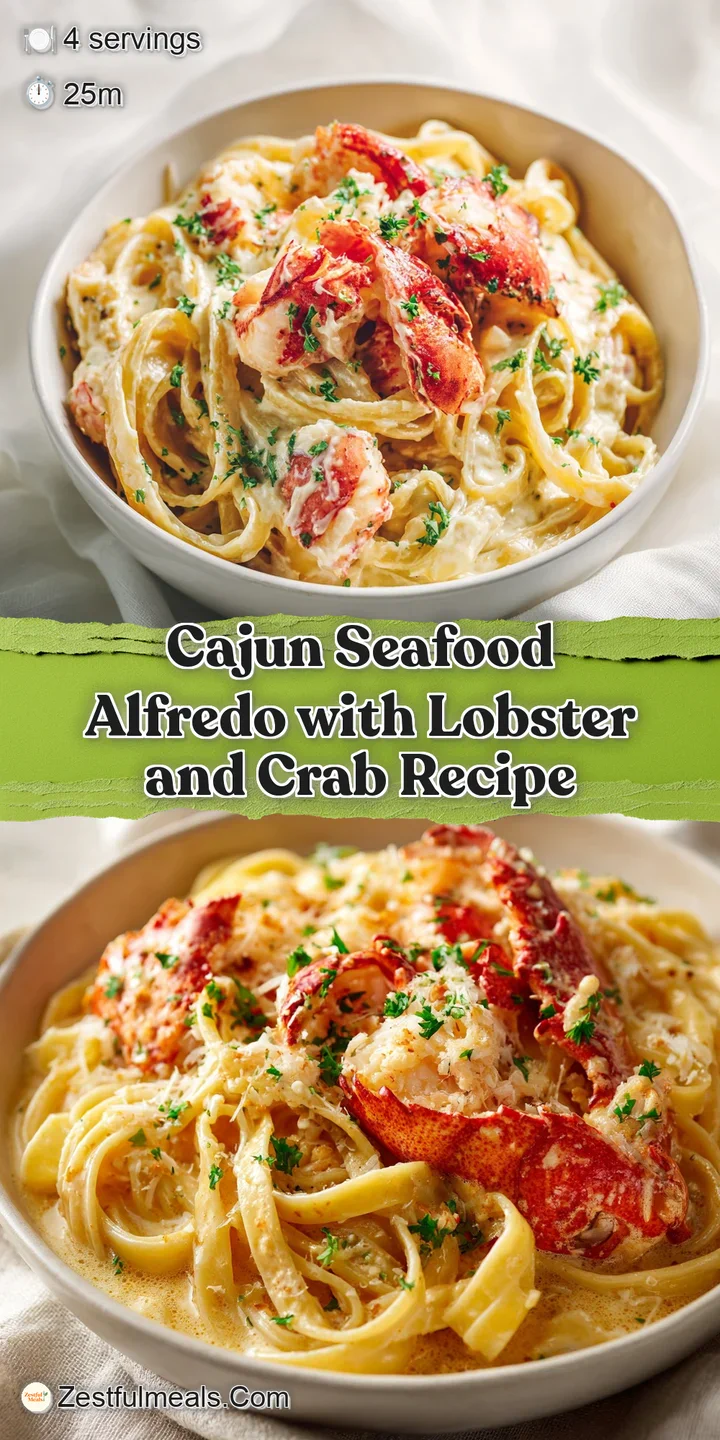
Cajun Seafood Alfredo with Lobster and Crab
- Time: Active 10 minutes, Passive 15 minutes, Total 25 minutes
- Flavor/Texture Hook: Velvety cream sauce with snappy lobster and tender crab
- Perfect for: Anniversary dinners, Budget-friendly celebrations, or impressing in laws
- Why This Creamy Seafood Recipe Works
- Essential Specs for Success Every Time
- Budget-friendly Shopping and Substitution List
- Kitchen Tools for a Velvety Finish
- Expert Tips to Avoid Rubbery Seafood
- Exciting Flavor Variations for Any Budget
- Proper Storage and Waste Reduction Tips
- Perfect Pairings for Decadent Pasta Dishes
- High in Sodium
- Recipe FAQs
- 📝 Recipe Card
The sizzle of cold butter hitting a hot pan always takes me back to the first time I tried to cook for my family on a tight budget. I wanted that "wow" factor without the triple digit steakhouse bill, and I remember the kitchen filling with the intoxicating aroma of garlic and smoked paprika.
Dive into a rich and flavorful Cajun Seafood Alfredo with Lobster and Crab, the ultimate decadent dish. It was a chaotic scene back then I had flour on my face and three timers going but the moment that velvety sauce coated the back of the spoon, I knew I’d cracked the code.
Honestly, I’ve made every mistake in the book so you don’t have to. I’ve turned expensive lobster into rubber erasers and ended up with a sauce that looked more like scrambled eggs than Alfredo. It’s all about the timing and the temp.
We’re going to walk through how to keep that seafood tender while ensuring the sauce stays silky enough to coat every single strand of pasta. Trust me, once you see how those 1 inch chunks of lobster turn opaque and snappy in the butter, you’ll never go back to the jarred stuff.
We’re keeping things practical here. We'll use frozen lobster tails to save some cash and focus on the technique that makes them taste like they just came off the boat. This isn't about being fancy for the sake of it; it's about getting that deep, spicy, soulful flavor onto your table in under half an hour.
Let’s get that water boiling and get to work.
Why This Creamy Seafood Recipe Works
Understanding the "how" behind the pan makes you a better cook instantly. When we toss spices into the butter before adding the cream, we're performing what I call a "flavor bloom." This allows the fat soluble compounds in the Cajun seasoning and smoked paprika to fully dissolve, spreading that warmth throughout the entire dish rather than leaving it in gritty clumps.
It’s the difference between a sauce that tastes spicy and one that tastes complex.
The Secret to the Cajun Bloom: Sautéing spices in butter first releases oil soluble aromatics that cream alone cannot extract. This ensures a deep, orange hued sauce with heat that lingers rather than bites.
- Fat Emulsification: Combining heavy cream with freshly grated Parmesan creates a stable emulsion that clings to the pasta.
- Starch Bonding: The rough surface of dried fettuccine, combined with a splash of pasta water, helps the sauce "grip" the noodles.
- Carryover Control: We pull the seafood just before it's fully done, letting the residual heat of the sauce finish the job so it stays tender.
- Acid Balance: A tiny drop of lemon juice at the end cuts through the heavy fats, brightening the entire flavor profile.
| Thickness | Internal Temp | Rest Time | Visual Cue |
|---|---|---|---|
| 1 inch chunks | 145°F (63°C) | 2 mins | Opaque and slightly firm |
| Lump Crab | N/A (Pre cooked) | 1 min | Warmed through, not broken |
| Sauce Base | N/A | N/A | Coats spoon back without dripping |
Choosing the right seafood doesn't have to break the bank. While fresh is great, high-quality frozen lobster tails often have a better texture than "fresh" ones that have been sitting in a display case for three days. Just make sure you thaw them slowly in the fridge.
For the crab, "lump" is the way to go because it holds its shape in the sauce, providing those big, satisfying bites of meat that feel like a luxury.
Essential Specs for Success Every Time
This recipe is designed to feed four people, but it scales beautifully if you're cooking for a crowd or just a cozy date night. I’ve found that using a wide, deep skillet is better than a saucepan because it gives the seafood enough room to sear rather than steam.
If you crowd the pan, you’ll lose that beautiful golden color on the lobster chunks.
1. Fat Soluble Flavor Bloom
As mentioned, the butter is your vehicle. We use 4 tablespoons (55g) of unsalted butter to control the salt levels, especially since Cajun seasonings can vary wildly in sodium content. This fat isn't just for flavor; it provides the base for our roux less sauce.
Unlike a traditional French sauce that uses flour, we’re relying on the reduction of 355ml of heavy cream to provide the body.
2. Emulsification via Pasta Gold
Don't you dare dump all that pasta water down the drain! That liquid is "liquid gold." The starch released by the fettuccine acts as a bridge between the watery cream and the oily fats.
If your sauce ever looks like it’s breaking or separating, a tablespoon of that starchy water and a vigorous whisk will usually bring it back to life.
3. Protein Precision Timing
Seafood is delicate. The lobster chunks only need about 2 to 3 minutes in the pan. If you're using pre cooked crab, you literally just want to fold it in at the very end to warm it through. My biggest tip? Use a thermometer if you’re nervous. 145°F (63°C) is your target for the lobster. Much like the technique in our Chicken and Shrimp recipe, timing the protein ensures nothing ends up dry or chewy.
Budget friendly Shopping and Substitution List
When I'm grocery shopping for the family, I'm always looking for where I can save without sacrificing the soul of the dish. You don't need the most expensive artisanal pasta here; a standard box of dried linguine or fettuccine works beautifully.
The real investment is the cheese and the seafood, but even there, we have options.
| Ingredient | Science Role | Pro Secret |
|---|---|---|
| Heavy Cream | Provides fat for a velvety mouthfeel | Room temp cream prevents sauce from "breaking" |
| Parmesan | Acts as a thickening agent and salt source | Grate it yourself; pre shredded has cellulose |
| Cajun Seasoning | Provides heat and aromatic depth | Toast it in butter for 30 seconds to "bloom" |
| Lobster Meat | Main protein and luxury element | Pat it bone dry before cooking for a better sear |
Let’s talk about the shopping list. You’ll need 225g of lobster tail meat and 225g of lump crab meat. If the price of lobster is eye watering this week, you can swap it for extra large shrimp the flavor profile remains very similar. For the cheese, 1 cup of freshly grated Parmesan is non negotiable.
If you buy the stuff in the green can, I promise your sauce will be grainy and sad.
- Fettuccine (225g): This wide noodle is built for heavy sauces. Why this? The surface area holds the cream better than thinner strands like spaghetti.
- Heavy Cream (355ml): Must be full fat for the sauce to thicken properly. Why this? Lower fat milks will curdle when hit with the acidic lemon and heat.
- Butter (55g): Unsalted gives you total control over the seasoning. Why this? Cajun spices are often heavy on salt already.
- Garlic (3 cloves): Minced fresh for that pungent, sweet kick.
- Cajun Seasoning (1.5 tbsp): Look for low sodium so you can layer the flavor.
- Smoked Paprika (0.5 tsp): Adds a subtle wood fired depth.
- Parsley and Green Onions: For that fresh, "just made" finish.
| Original Ingredient | Substitute | Why It Works |
|---|---|---|
| Lobster Tail | Large Shrimp | Similar texture and sweetness. Note: Cook until pink and curled |
| Lump Crab | Shredded Imitation Crab | Budget friendly. Note: Adds sweetness but lacks the briny depth |
| Heavy Cream | Half and Half + 1 tsp Starch | Lower fat. Note: Sauce will be thinner and requires a slurry |
Kitchen Tools for a Velvety Finish
You don't need a kitchen full of gadgets, but a few specific items make this Cajun Seafood Alfredo with Lobster and Crab much easier to manage. A large 12 inch stainless steel or cast iron skillet is my go to. You want something with high sides to contain the cream as it bubbles and reduces.
A silicone whisk is also a lifesaver it helps you scrape the bottom of the pan to incorporate those flavorful brown bits (the fond) without scratching your cookware.
1. The Starch Foundation
Start with a large pot of heavily salted water. It should taste like the ocean. Boil your 225g of pasta until it's "al dente" meaning it still has a bit of a bite. Remember, the pasta will finish cooking in the sauce, so if you overcook it now, it will turn into mush later.
Pull out a cup of that cloudy water before you drain the noodles. It’s your insurance policy for a smooth sauce.
2. The Aromatic Base
While the pasta boils, melt your 55g of butter in the skillet over medium heat. This is where the magic starts. Add your minced garlic and let it sizzle just until it’s fragrant about 30 seconds. Don’t let it turn brown or it will taste bitter. Toss in the Cajun seasoning and smoked paprika.
You’ll see the butter turn a beautiful, vibrant orange. This is the flavor blooming in real time.
3. Building Velvety Emulsion
Pour in the 355ml of heavy cream and the lemon juice. Bring it to a gentle simmer. You want to see small bubbles around the edges, not a violent boil. Let it reduce for about 5 to 7 minutes until it starts to thicken naturally. Once it can coat the back of a spoon, whisk in your Parmesan cheese in small handfuls. This gradual addition ensures the cheese melts into the cream rather than clumping into a ball. This is the same foundation I use for my Homemade Alfredo Sauce recipe, but with that spicy Louisiana twist.
4. The Grand Seafood Finale
Now for the stars of the show. Add the lobster chunks to the sauce. They’ll cook right in the hot cream, soaking up all that spice. After 2 minutes, fold in the lump crab meat. Be gentle! You want to keep those lumps intact. Once the lobster is opaque, toss in the cooked pasta.
Toss everything together for another minute, adding a splash of pasta water if it looks too thick. Garnish with parsley and green onions and serve immediately while the "shatter" of the Parmesan is still fresh.
Expert Tips to Avoid Rubbery Seafood
The biggest pitfall with this recipe is overcooking the proteins. Seafood goes from perfect to "pencil eraser" in about 30 seconds. I always recommend keeping your seafood cold until the very second it hits the pan.
If it’s already at room temperature, it will cook too fast on the outside before the center is ready.
1. Avoiding Grainy Sauce
If your sauce looks grainy, it’s usually because the heat was too high when you added the cheese. Cheese is a delicate balance of fat and protein. High heat causes the proteins to tighten up and squeeze out the fat, resulting in that dreaded oily, clumpy mess.
Turn the heat to low, or even off, before you whisk in your Parmesan.
2. The Rubbery Lobster Trap
Lobster is high in collagen, which turns tough if boiled aggressively. By poaching the lobster chunks directly in the simmering cream sauce, you’re using a much gentler heat than boiling water or a searing pan. This keeps the meat "velvety" and tender.
If you're nervous, pull a piece out at the 2 minute mark and cut it in half. If it's white all the way through, it's done.
| Problem | Root Cause | Solution |
|---|---|---|
| Broken Sauce | Heat too high/No starch | Whisk in 1 tbsp hot pasta water vigorously |
| Tough Lobster | Overcooked | Reduce simmer time; use a thermometer (145°F) |
| Bland Flavor | Not enough acid | Add an extra squeeze of lemon or a pinch of salt |
Chef's Tip: Freeze your block of Parmesan for 10 minutes before grating. It makes it much easier to get a fine, fluffy "snow" that melts instantly into the sauce without clumping.
Common Mistakes Checklist: ✓ Pat the lobster completely dry before adding to the pan (prevents steaming). ✓ Grate your own cheese pre shredded contains anti caking agents that ruin the texture. ✓ Don't let the cream reach a rolling boil; a gentle simmer is all you need.
✓ Reserve your pasta water before draining the noodles. ✓ Add the crab at the very last second just to warm it through.
Exciting Flavor Variations for Any Budget
One of the reasons I love this Cajun Seafood Alfredo with Lobster and Crab is how adaptable it is. If you're having a "lean" week, you don't have to skip the flavor. You can swap the high end seafood for something more accessible or even change the vegetable profile to bulk it up.
1. The Blackened Twist
If you want even more texture, sear the lobster separately in a cast iron skillet with extra Cajun seasoning until it's "blackened." This creates a spicy crust that contrasts beautifully with the creamy sauce. Just be careful not to overcook it during the second simmer in the sauce.
2. The Garden Variation
To make this a one pot meal that feels a bit lighter, I love adding 2 cups of fresh baby spinach or some steamed broccoli florets. The heat from the pasta and sauce will wilt the spinach in seconds, adding a pop of color and some much needed fiber to the dish.
3. Low Carb Alternative
If you’re watching your carbs, you can absolutely skip the fettuccine. This sauce is incredible over zoodles (zucchini noodles) or even roasted cauliflower. Just be aware that vegetables release water, so you’ll want to make your sauce a little thicker than usual to compensate for the extra moisture.
4. dairy-free Swap
For a dairy-free version, use full fat canned coconut milk instead of heavy cream. It adds a slight nutty sweetness that actually pairs really well with Cajun spices. Use a vegan Parmesan or nutritional yeast for that cheesy hit. It won't be exactly the same, but it's a solid 85% there in terms of comfort.
Proper Storage and Waste Reduction Tips
Look, leftovers happen, though usually not with this dish! If you do have some, store it in an airtight container in the fridge for up to 2 days. Because of the seafood, I wouldn't push it any further than that. When reheating, the sauce will likely have thickened into a solid mass. Don't panic!
Add a splash of milk or water before microwaving or heating on the stove to loosen it back up.
Zero Waste Tip: If you bought whole lobster tails, don't throw away those shells! Put them in a pot with some water, an onion, and a stalk of celery. Simmer for 30 minutes to create a quick seafood stock. You can freeze this and use it as the base for a risotto or a seafood stew later.
It's basically free flavor that most people just toss in the trash.
As for freezing, cream based sauces can be a bit finicky. They tend to separate when thawed. If you must freeze it, do so without the pasta. When you're ready to eat, thaw it in the fridge and reheat it slowly on the stove, whisking constantly to bring the emulsion back together.
It might not be as "velvety" as day one, but it’ll still taste great.
Perfect Pairings for Decadent Pasta Dishes
Since this dish is so rich and heavy, you really want something bright and acidic to balance the plate. A simple green salad with a sharp lemon vinaigrette is my go to. It cleanses the palate between those big, buttery bites of lobster and cream.
1. The Classic Pairing
You can't go wrong with garlic bread. I like to make mine with plenty of parsley and a little extra Parmesan. It’s the perfect tool for mopping up any leftover sauce at the bottom of the bowl.
If you're feeling fancy, a chilled glass of Chardonnay or a crisp Pinot Grigio works wonders here the acidity in the wine cuts right through the fat of the cream.
2. The Acid Balance
If you want a vegetable side that isn't a salad, try some quick pickled cucumbers or roasted asparagus with a heavy squeeze of lemon. The goal is to provide a "break" for your taste buds. This dish is intense, and having something snappy and fresh on the side makes the whole experience much more enjoyable.
| Feature | Fast Method | Classic Method |
|---|---|---|
| Cream Base | Heavy Cream reduction (15 mins) | Bechamel with roux (30 mins) |
| Seasoning | Pre mixed Cajun Blend | Individual toasted spices |
| Texture | Light and silky | Thick and coating |
Decision Shortcut: If you want more heat, double the Cajun seasoning and add a dash of cayenne. If you want maximum luxury, use only the lobster claws and tail meat. If you want extra crunch, top with toasted panko breadcrumbs before serving.
There you have it a meal that looks like a million bucks but is actually quite simple once you respect the ingredients. It’s all about that sizzle, that aroma, and the patience to let the sauce come together. Now, go get that water boiling and show your kitchen who's boss!
High in Sodium
865 mg of sodium per serving (38% of daily value)
The American Heart Association recommends limiting sodium intake to no more than 2,300mg per day for most adults.
Tips to Reduce Sodium in Your Lobster and Crab Fettuccine:
-
Reduce Parmesan Cheese-15%
Parmesan cheese is a significant source of sodium. Try using half the amount of Parmesan or substituting it with a lower sodium cheese like fresh mozzarella. This will significantly reduce the sodium content without sacrificing too much flavor.
-
Lower the Cajun Seasoning-10%
Cajun seasoning is often high in sodium. Reduce the amount used by half or create your own blend using herbs and spices. Control the amount of salt being added and enjoy the fresh taste of homemade spices.
-
Fresh or Frozen Lobster-10%
Ensure you are using fresh or frozen lobster and crab that has not been pre-treated with salt solutions. Read the packaging carefully to avoid added sodium.
-
Use Unsalted Butter
You are already using unsalted butter, which is great! Continue using unsalted butter and avoid adding any extra salt during cooking.
-
Enhance with Herbs & Spices
Boost the flavor of your dish with fresh herbs like basil, oregano, and thyme, or spices like garlic powder, onion powder, and black pepper. These can enhance the taste without adding sodium.
-
Boost Flavor with Lemon-5%
Enhance the flavor with more lemon juice or zest. Acidity can brighten the dish and allow you to use less sodium.
Recipe FAQs
Is Red Lobster cajun chicken Alfredo good?
This recipe focuses on seafood, not chicken. However, adding chicken is a simple substitution if you prefer poultry. Just be sure to cook the chicken fully before adding it to the simmering sauce.
Can I just add cajun seasoning to Alfredo sauce?
No, bloom the spices first for the best flavor. Simply stirring raw seasoning into the cream results in a gritty texture and underdeveloped flavor. Toast the Cajun spice blend in the butter for 30 seconds before adding cream.
Is Alfredo sauce good with lobster?
Yes, it is an exceptional pairing. The rich fat content of the Alfredo sauce perfectly complements the sweet, delicate texture of the lobster meat. The key is adding the lobster near the end so it doesn't overcook.
Does crab meat go well with Alfredo?
Yes, lump crab adds fantastic texture and brine. Treat the crab gently; fold it in right at the end just to warm it through. Excessive heat will cause it to break down into shreds.
How long should I cook lobster chunks in the sauce?
Cook for about 2 to 3 minutes. You are looking for the chunks to turn opaque and firm up to an internal temperature of 145°F (63°C). They finish cooking slightly as you toss the pasta in.
What is the safest way to prevent the Alfredo sauce from separating?
Use low heat and incorporate Parmesan gradually. High heat causes the cheese proteins to seize and release oil. Turn the heat off or very low, and whisk in the cheese in small additions.
Is it true I must use fresh seafood for this recipe to taste good?
No, high-quality frozen seafood is perfectly acceptable. Frozen lobster tails often retain better texture than "fresh" product sitting too long. Thaw them slowly in the refrigerator before use for best results.
Lobster Crab Seafood Alfredo
Ingredients:
Instructions:
Nutrition Facts:
| Calories | 799 calories |
|---|---|
| Protein | 37.2 g |
| Fat | 47.5 g |
| Carbs | 46.2 g |
| Fiber | 2.1 g |
| Sugar | 3.1 g |
| Sodium | 865 mg |
