Louisiana Seafood Gumbo: Rich and Authentic
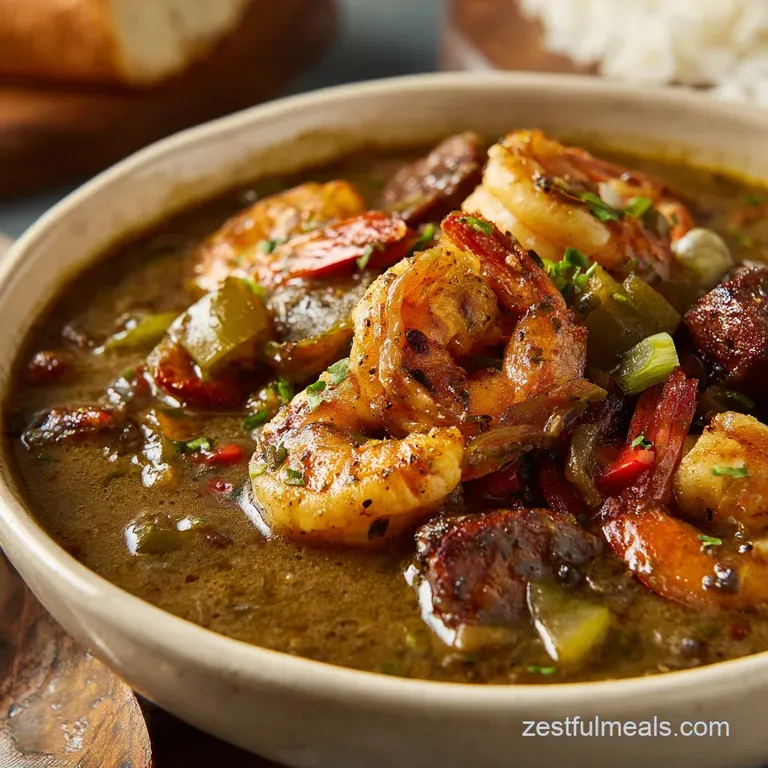
- Time: Active 30 minutes, Passive 75 minutes, Total 105 minutes
- Flavor/Texture Hook: Silky, savory broth with tender seafood and a earthy, toasted finish.
- Perfect for: Sunday family gatherings, chilly evenings, or showing off your kitchen patience.
- Mastering the Authentic Louisiana Seafood Gumbo
- Essential Specs for a Successful Family Feast
- Why This Pot of Gold Works
- Component Deep Dive and Ingredient Analysis
- The Alchemy of Selecting Your Elements
- The Minimal Tools Needed for Great Results
- Step by Step Guide to Coastal Comfort
- Fixing Common Issues in Your Gumbo Pot
- Troubleshooting Common Issues
- Creative Ways to Mix Up the Flavors
- Truths and Lies About the Gumbo Pot
- Smart Storage and Using Every Single Scrap
- Perfect Sides to Complete the Seafood Experience
- CRITICAL Sodium Alert!
- Recipe FAQs
- 📝 Recipe Card
Mastering the Authentic Louisiana Seafood Gumbo
The first time I stood over a pot of bubbling shrimp shells, I realized I’d been doing it wrong for years. I used to toss those heads and shells right into the bin, thinking they were just waste. Then, an old friend from the Gulf coast stopped me.
She pointed at the pile of pink, translucent shells and said, "That’s where the gold is." She was right. The moment those shells hit the water with a quartered onion and a few peppercorns, the kitchen transformed. The aroma wasn't just "fishy" - it was deep, sweet, and smelled exactly like a coastal breeze.
This Louisiana Seafood Gumbo is a labor of love that honors those often discarded pieces. We're talking about a dish that feeds the family and warms the house from the inside out. It’s not about expensive gadgets or fancy techniques, it’s about patience and respecting the ingredients.
When you take the time to simmer that stock and whisk that flour into a dark mahogany roux, you aren't just making dinner. You're building a foundation of flavor that no store-bought carton of broth could ever replicate.
We are going to focus on getting that texture just right. I'm talking about a broth that's velvety, not thin like water but not gloopy like gravy. It should coat the back of a spoon and make every grain of rice feel important.
Whether you’re a seasoned pro or this is your first time brave enough to attempt a dark roux, I’ve got your back. We’ll keep the tools simple - just one big pot and a sturdy spatula - because a busy family kitchen doesn't need more dishes to wash.
Essential Specs for a Successful Family Feast
Getting the timing right is the secret to a stress free gumbo day. This isn't a 20 minute meal, but it’s mostly hands off once the hard part is done. I usually start the stock while I'm chopping my vegetables, which keeps the flow moving in the kitchen.
- Yield: 9 generous servings (perfect for leftovers)
- Prep time:30 minutes
- Cook time:75 minutes
- Total time:105 minutes
- Precision Checkpoint 1: Simmer the seafood stock for exactly 20 minutes to extract flavor without making it bitter.
- Precision Checkpoint 2: A 7 quart Dutch oven is the ideal size to prevent boil overs when adding the seafood.
- Precision Checkpoint 3: Aim for a roux color that matches a dark chocolate bar, which usually takes 20-30 minutes of constant stirring.
Why This Pot of Gold Works
Understanding the "why" behind these steps makes you a more confident cook. Gumbo is a game of layers, and each choice we make here serves a specific purpose for the final texture and taste.
- The Roux Foundation: Flour and oil toasted together create a flavor profile ranging from nutty to smoky, while also acting as the primary thickening agent.
- Stock Extraction: Boiling the shrimp shells and heads releases astaxanthin and natural minerals, providing a sweetness that balances the bitter notes of a dark roux.
- The Trinity Reaction: Onions, celery, and bell peppers contain high water content that immediately stops the roux from cooking further when they hit the pan.
- Mucilage Magic: Okra contains a natural substance that acts as a secondary thickener, providing that characteristic silky mouthfeel that defines a true Louisiana Seafood Gumbo.
- File Finishing: Adding sassafras (file) powder at the very end, off the heat, provides an earthy aroma and a final hit of thickening without turning the dish stringy.
| Cooking Method | Total Time | Texture Outcome | Best For |
|---|---|---|---|
| Traditional Stovetop | 105 minutes | Deep, complex, velvety | Authenticity and flavor depth |
| Oven Roux Method | 2 hours | Evenly toasted, less stirring | Beginners afraid of burning roux |
| Fast Track (Store Stock) | 45 minutes | Lighter, less "seafood" punch | Very busy weeknights |
The stovetop method is our focus because it gives you total control over that mahogany color. If you've never made a dark roux before, don't worry. It's just a bit of a workout for your wrist, but the payoff is a flavor that's impossible to find in a jar. If you’re looking for something a bit quicker on a different night, my seafood alfredo is a great way to use up extra shrimp without the long simmer.
Component Deep Dive and Ingredient Analysis
Before we start throwing things in the pot, let’s look at the stars of the show. Using fresh seafood is great, but knowing how to treat the "humble" ingredients like flour and oil is what actually makes the dish work.
| Ingredient | Science Role | Pro Secret |
|---|---|---|
| All Purpose Flour | Starch thickener | Toasting it longer reduces its thickening power but triples the flavor complexity. |
| Neutral Oil | Heat conductor | Use a high smoke point oil like canola or vegetable to avoid a burnt, acrid taste. |
| Fresh Okra | Natural emulsifier | Sautéing it briefly before adding liquid helps control the "slime" factor. |
| Shrimp Shells | Flavor concentrate | Squeeze the heads before straining the stock to get every drop of that rich fat. |
A quick note on the onions: we are using two large yellow onions for the body of the gumbo, plus one quartered onion just for the stock. The yellow onions have a higher sugar content than white onions, which helps them caramelize beautifully against the dark roux.
The Alchemy of Selecting Your Elements
When you’re at the grocery store, focus on the seafood counter first. Everything else in this recipe is a pantry staple or a common veggie.
- 1 lb raw shrimp shells and heads: Why this? Essential for that deep, orange tinted "liquid gold" stock. (Substitute: 2 quarts high-quality seafood stock)
- 1 cup neutral oil: Why this? Provides the fat needed to toast the flour without burning. (Substitute: Lard for a richer, more traditional taste)
- 1 cup all purpose flour: Why this? The base of our mahogany roux. (Substitute: gluten-free all purpose blend, but it browns slower)
- 2 lbs large shrimp, peeled and deveined: Why this? The primary protein that provides a sweet, snappy bite. (Substitute: Scallops or crawfish tails)
- 1 lb lump crab meat: Why this? Adds a buttery, delicate texture to every spoonful. (Substitute: Claw meat for a more intense crab flavor)
- 3 cleaned blue crabs, halved: Why this? They season the broth while it simmers. (Substitute: Extra shrimp shells in a cheesecloth bag)
- 1 pint fresh shucked oysters with their liquor: Why this? Adds a briny, salty depth that screams Louisiana. (Substitute: Clam juice plus extra shrimp)
- 1 lb fresh okra, sliced: Why this? Traditional thickener and flavor stabilizer. (Substitute: Extra gumbo file powder if you truly hate okra)
- 2 tbsp gumbo file powder: Why this? Provides an earthy finish and thickens the final product. (Substitute: None - this is a signature flavor)
I'm a big believer in using what you have. If your budget is tight, skip the lump crab and double up on the shrimp. The stock made from the shells will still give you that premium taste.
The Minimal Tools Needed for Great Results
You don't need a kitchen full of gadgets for this. In fact, fewer tools often mean better results because you're more focused on the pot.
- 7 quart Enameled Cast Iron Dutch Oven: This is the heavy lifter. The thick bottom prevents the roux from scorching in hot spots. A brand like Lodge is perfect here.
- Flat bottomed Wooden Spatula: You need to scrape every millimeter of the bottom of the pot. A round spoon will miss the "corners" where the roux likes to burn.
- Fine mesh Sieve: This is for the stock. You want that liquid perfectly clear and free of peppercorns or shell fragments.
- Large Stockpot: Just for boiling the shells. If you only have one big pot, make the stock first, pour it into a bowl, then clean the pot to start the roux.
step-by-step Guide to Coastal Comfort
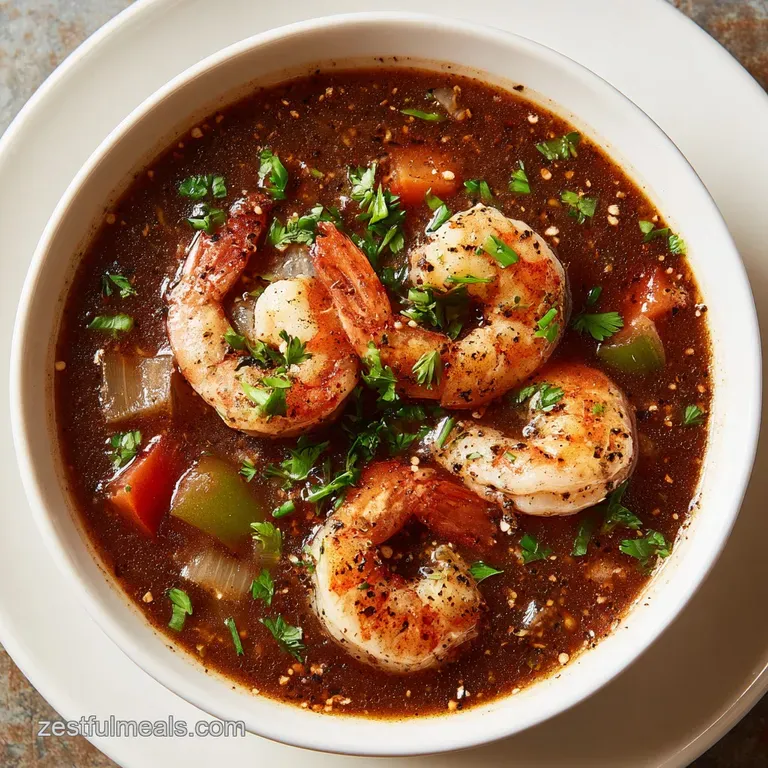
Right then, let's crack on. This is where the magic happens. Remember to stay at the stove once that roux starts darkening - it waits for no one!
- Build the stock. Combine 1 lb shrimp shells and heads, 2 quarts water, one quartered onion, 2 bay leaves, and 1 tsp peppercorns. Boil for 20 minutes. Note: This creates the flavor foundation.
- Strain the liquid. Pour the stock through a fine mesh sieve into a clean bowl. Discard the solids and set the liquid aside.
- Start the roux. In your Dutch oven, heat 1 cup neutral oil over medium heat until shimmering. Gradually whisk in 1 cup flour.
- Toast to mahogany. Stir the roux constantly with your flat bottomed spatula. Do not stop. Continue for 20-30 minutes until it reaches the color of dark chocolate.
- Drop the trinity. Immediately stir in 2 diced onions, 2 diced bell peppers, and 3 diced celery stalks. Listen for the sizzle and watch the steam as the veggies stop the roux from burning. Sauté for 5 minutes.
- Add aromatics. Stir in 4 minced garlic cloves and 1 lb sliced okra. Cook for 3-5 minutes until the okra brightens in color.
- Introduce the stock. Slowly ladle in the prepared seafood stock, whisking constantly. Add 2 tbsp Cajun seasoning, 1 tsp cayenne, and 1 tbsp Worcestershire sauce.
- Simmer the base. Bring to a gentle boil, then add the halved blue crabs. Cover and simmer for 30-40 minutes until the kitchen smells incredibly savory.
- Fold in the seafood. Gently stir in 2 lbs shrimp and 1 lb lump crab meat. Simmer for 5 minutes. Add 1 pint oysters with their liquor and cook for 2-3 minutes until oyster edges curl.
- The final touch. Remove from heat. Stir in 2 tbsp gumbo file powder. Garnish with parsley and green onions and serve over rice.
Chef's Tip: If you see black specks in your roux before you add the vegetables, it’s burnt. Don't try to save it - it will make the whole pot bitter. Wash the pot and start over. It happens to the best of us!
Fixing Common Issues in Your Gumbo Pot
Even the most experienced cooks can run into a snag when the humidity is high or the stove is acting up. Gumbo is forgiving if you know how to pivot.
Troubleshooting Common Issues
| Issue | Solution |
|---|---|
| Why Your Gumbo is Thin | If your broth looks more like soup than a silky gumbo, your roux might have been too light or you added a bit too much liquid. Don't panic. The file powder at the end will help, but you can also simme |
| Why Your Gumbo is Oily | A layer of oil on top is common, especially if the roux didn't fully emulsify with the stock. You can easily fix this by using a large spoon to skim the oil off the surface. Another trick is to lay a |
| How to Fix Slimy Okra | If the texture of the okra is bothering you, it usually means it wasn't sautéed long enough before the liquid was added. Next time, try roasting the okra in a 400°F (200°C) oven for 10 minutes before |
Creative Ways to Mix Up the Flavors
While the traditional Louisiana Seafood Gumbo is hard to beat, every family has their own little twist. My kids actually like it when I add a bit of smoked sausage, even though that moves it closer to a Creole style.
If you’re looking to scale this down for a smaller group, you can easily halve the recipe. Use a smaller pot, but keep the cook times for the roux and stock the same. When scaling up for a big party, only increase the spices by about 1.5 times the original amount, then taste and adjust.
Too much cayenne in a massive pot can become overwhelming very quickly!
| Ingredient Style | Budget Choice | Flavor Impact | Savings |
|---|---|---|---|
| Fresh Blue Crab | Frozen Crab Legs | Slightly less sweet | $10 - $15 |
| Lump Crab Meat | Claw Meat | Bolder, "fishier" taste | $12 - $18 |
| Fresh Oysters | Canned Oysters | Softer texture | $5 - $8 |
If you have people in the family who aren't big on seafood, you can check out my smoked buffalo wings as a secondary protein option for the table. It provides a nice spicy contrast to the deep, earthy gumbo.
Truths and Lies About the Gumbo Pot
There are so many "rules" floating around about gumbo that it can get intimidating. Let's clear some of that up so you can cook with confidence.
The "Sealing" Myth: People say you need to sear the shrimp to seal in the juices. That’s not true. In gumbo, we want the shrimp to gently poach in the liquid so they stay tender and the broth takes on their flavor. Searing them first often leads to rubbery seafood.
The "Metal Spoon" Myth: I've heard people say using a metal spoon to stir your roux will ruin the flavor. While it won't ruin the flavor, it will scrape your pot and might not get as much surface area as a flat wooden spatula.
The flat edge is purely about mechanical efficiency, not a magical flavor chemical reaction.
The "Flour Type" Myth: Some claim you can only use specific "gumbo flour." Honestly, standard all purpose flour is exactly what you need. It has the right protein content to brown effectively without clumping up.
Smart Storage and Using Every Single Scrap
Gumbo is famous for being better on the second day. The flavors have time to mingle, and the roux thickened broth develops a much deeper character.
- Storage: Keep it in the fridge in an airtight container for up to 3 days. When reheating, do it over low heat on the stove. Don't let it reach a rolling boil or the shrimp will turn into little erasers.
- Freezing: You can freeze the gumbo base (roux, veggies, and stock) for up to 3 months. I recommend freezing it before you add the delicate seafood like shrimp and crab. When you're ready to eat, thaw the base, bring it to a simmer, and drop in fresh seafood.
- Zero Waste: Don't throw away those parsley stems! Chop them finely and add them in with the "holy trinity." They have more flavor than the leaves. If you have leftover rice, fry it up the next morning with a little of the gumbo broth for a breakfast "risotto" that will change your life.
Perfect Sides to Complete the Seafood Experience
You’ve put in the work, now you need the right supporting cast. Traditionally, this is served over a scoop of fluffy white rice. Don't use jasmine or basmati if you can help it; a standard long grain white rice is best for soaking up that rich broth without adding its own perfume.
A big hunk of toasted French bread is also non negotiable in our house. You need something to swipe across the bottom of the bowl to get every last drop of that mahogany liquid. For a little extra crunch, these char grilled oysters make an incredible side dish or appetizer while people are waiting for the main pot to finish simmering.
Finally,, keep a bottle of your favorite Louisiana style hot sauce on the table. Everyone has a different heat tolerance, and a few extra dashes of vinegar heavy sauce can brighten up the deep, smoky notes of the dark roux perfectly.
Enjoy the process, keep stirring that pot, and your family will be talking about this meal for weeks!

CRITICAL Sodium Alert!
1145 mg 1145 mg (50% 50%)
The American Heart Association recommends limiting sodium intake to less than 2,300 mg per day, with an ideal limit of less than 1,500 mg per day for most adults.
Tips to Reduce Sodium in Your Gumbo:
-
Choose Low-Sodium Shellfish-20%
The natural sodium in shellfish can add up. Opt for freshly shucked oysters without added salt or preservatives. If using canned crab, look for 'no salt added' varieties.
-
Control Your Cajun Seasoning-15%
Many pre-made Cajun seasonings are high in sodium. Try making your own blend with herbs like paprika, garlic powder, onion powder, oregano, and thyme, and use a reduced sodium salt substitute or omit salt entirely.
-
Rethink Worcestershire Sauce-10%
Standard Worcestershire sauce is a significant source of sodium. Seek out low-sodium Worcestershire sauce options or, for a bolder flavor without the salt, consider adding a splash of balsamic vinegar or a dash of liquid smoke.
-
Watch Added Salt and Spices-5%
Avoid adding any extra salt during cooking. Rely on the natural flavors of the seafood and vegetables. The recipe already includes flavorful spices like peppercorns and cayenne.
-
Boost Flavor with Fresh Herbs
While not a direct sodium reduction, using generous amounts of fresh parsley and green onions at the end adds brightness and depth of flavor, potentially reducing your reliance on salt.
Recipe FAQs
What is the best seafood for gumbo?
Use a combination of blue crabs, shrimp, lump crab meat, and oysters. This mix provides depth through the crab shell infusion, sweetness from the shrimp and lump crab, and a briny finish from the oysters.
Is gumbo good for a diabetic?
No, it is generally high in carbohydrates. The flour based roux and the required serving of white rice can cause significant spikes in blood glucose levels.
What is in a traditional Louisiana gumbo?
The foundation is a dark mahogany roux combined with the holy trinity of onion, celery, and bell pepper. It relies on a homemade seafood stock, okra for texture, and a specific blend of Cajun seasoning, cayenne, Worcestershire sauce, and gumbo file powder.
What is the secret to a good gumbo?
Patience with the roux is the most critical element. You must whisk the oil and flour over medium heat for 20-30 minutes until it reaches a deep chocolate color, which builds the entire flavor profile of the dish.
How to achieve the correct roux color?
Whisk constantly over medium heat until the mixture is the color of dark mahogany. Do not leave the stove, as the flour can burn quickly once it reaches this stage.
Is it true you must use a commercial fish stock?
No, this is a common misconception. You should boil the raw shrimp shells and heads with onion, bay leaves, and peppercorns for 20 minutes to create a superior, homemade stock.
How to fix an oily gumbo?
Skim the excess oil off the surface using a large spoon. If a sheen remains, you can also gently lay a piece of paper towel on the surface to absorb the fat.
Louisiana Seafood Gumbo
Ingredients:
Instructions:
Nutrition Facts:
| Calories | 506 calories |
|---|---|
| Protein | 38.5 g |
| Fat | 26.4 g |
| Carbs | 21.2 g |
| Fiber | 3.2 g |
| Sugar | 4.1 g |
| Sodium | 1145 mg |
