Low Salt Salad Dressing
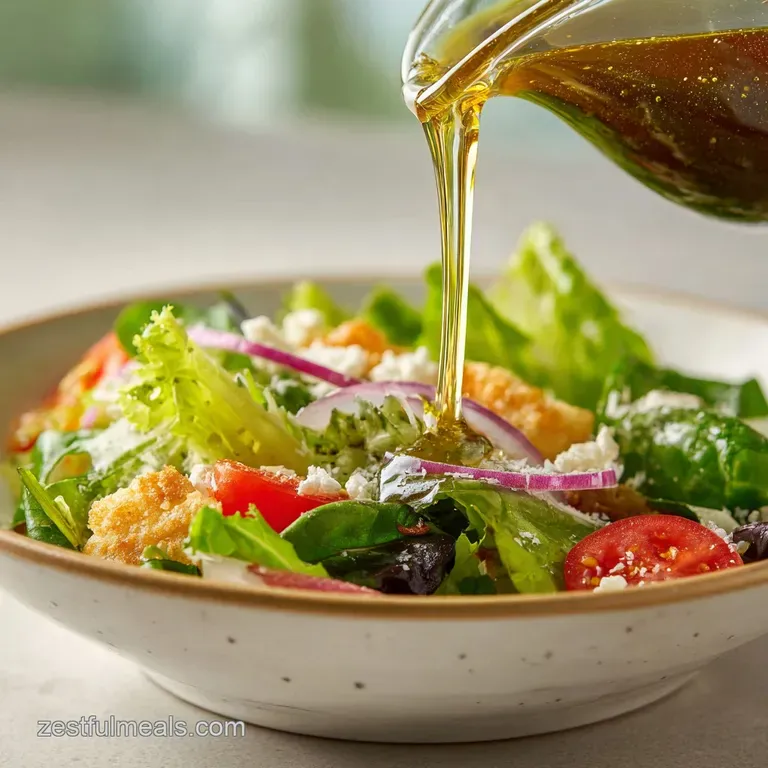
- Time: Active 5 minutes, Passive 0 minutes, Total 5 minutes
- Flavor/Texture Hook: Zesty, herbaceous, and velvety
- Perfect for: Hearty weeknight greens or family meal prep
- Create a Low Salt Salad Dressing
- Science Behind Bright Flavor Without Sodium
- Understanding the Ratios and Recipe Specifications
- Shopping List for Healthy Pantry Staples
- Essential Tools for Minimal Kitchen Cleanup
- Mastering the Simple Shaking Technique Steps
- Fixing Balance Issues and Troubleshooting Tips
- Easy Flavor Variations for Different Meals
- Storage Guidelines and Smart Zero Waste Tips
- Fresh Pairing Ideas for Every Salad
- Low Salt Salad Dressing FAQs
- 📝 Recipe Card
Ever opened a bottle of store-bought balsamic and felt that immediate, scratchy thirst? That's the salt talking. Most commercial dressings are absolute sodium bombs, hiding behind "healthy" labels while packing enough salt to make your ankles swell by dinner.
I learned this the hard way after a doctor's visit for a family member meant our pantry needed a massive overhaul on a tight budget.
We don't need fancy, expensive specialty products to make a salad taste vibrant. Honestly, once you start making your own, the bottled stuff starts to taste like plastic. This recipe is my go to because it uses basic pantry staples that most of us already have in the cupboard.
It’s the kind of thing you can whip up while the kids are setting the table.
What I love most about this specific blend is how it actually tastes like the herbs. When you strip away the excess salt, you suddenly realize that oregano and black pepper have a lot more to say. It's bright, it's sharp, and it clings to lettuce leaves like a dream.
Let’s get into how we make this work without the salt shaker.
Create a Low Salt Salad Dressing
The secret to a satisfying vinaigrette without salt lies in a concept called acid mimicry. When we use high-quality acids like apple cider vinegar and lemon juice, they stimulate the same areas of the tongue that respond to salt, tricking your brain into feeling like the dish is fully seasoned.
The Science of Why it Works
Acid Mimicry: Concentrated acidity increases saliva production and sharpens other flavors, making the absence of sodium less noticeable. Emulsification Strategy: The mustard acts as a bridge between oil and vinegar, creating a stable, velvety texture that coats the palate evenly.
Chef's Tip: Freeze your lemon for 10 minutes before juicing. It breaks down the internal membranes, allowing you to squeeze out every single drop of juice with half the effort.
To really get that deep, savory "umami" sensation without the salt, I often reach for spices that provide a natural warmth. If you're looking to expand your spice cabinet further, my Lebanese 7 Spice recipe is a fantastic way to add complexity to roasted vegetables that you might serve alongside this salad.
Science Behind Bright Flavor Without Sodium
When we remove salt, we have to look at how different ingredients interact on a molecular level. It isn't just about "missing" an ingredient; it's about rebalancing the fat and acid so the dressing doesn't feel thin or hollow.
A good dressing needs a certain viscosity to stay on the leaves rather than puddling at the bottom of the bowl.
| Ingredient | Science Role | Pro Secret |
|---|---|---|
| Extra Virgin Olive Oil | Lipid Base | Use "Early Harvest" for a peppery kick that replaces salt heat. |
| Apple Cider Vinegar | Acidic Profile | Raw versions contain "the mother" which adds a subtle fermented depth. |
| Dijon Mustard | Emulsifier | Contains mucilage that prevents the oil and vinegar from splitting apart. |
The interaction between the pungent onion powder and the floral oregano creates a sensory "distraction" from the lack of salt. Because the onion powder provides a base savory note, the oregano can provide the high notes, resulting in a full spectrum flavor profile that satisfies the tongue.
Understanding the Ratios and Recipe Specifications
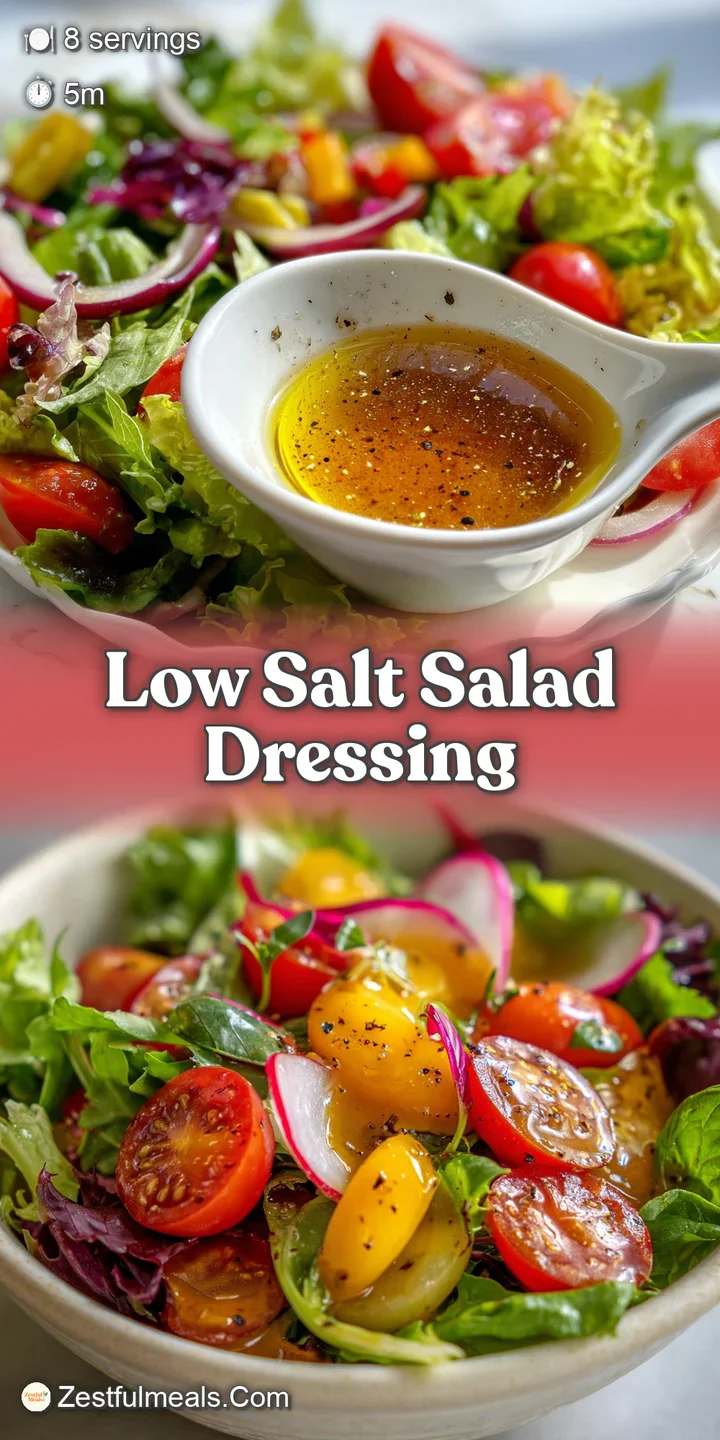
This recipe yields 8 servings, making it a champion for budget aware meal prepping. Each serving is roughly two tablespoons, which is the "sweet spot" for coating a medium bowl of greens without drowning them.
The total time is just 5 minutes, which is faster than a trip to the corner store for a bottle of the processed stuff.
We are sticking to a classic 2:1 ratio of oil to vinegar here. While many traditional recipes call for 3:1, the extra hit of vinegar in a low salt version is vital. That extra acidity is what provides the "bite" you’d usually get from sodium. It's a small shift that makes a massive difference in the final taste.
Shopping List for Healthy Pantry Staples
Everything on this list is a workhorse in my kitchen. I buy the olive oil in the large tins to save money, and the dried herbs are always cheaper in the bulk section of the grocery store.
- 120 ml extra virgin olive oil: This is your heart healthy fat source. Why this? Provides the silky mouthfeel and carries the fat soluble herb flavors.
- 60 ml raw apple cider vinegar: A tangy, fruity acid. Why this? It has a softer edge than white vinegar, perfect for raw greens.
- 15 ml fresh lemon juice: For a bright, citrusy top note.
- 10 ml low sodium Dijon mustard: Our primary binder. Why this? Keeps the oil and vinegar combined for a consistent texture.
- 5 g garlic powder: For an instant savory punch.
- 5 g onion powder: Adds sweetness and "allium" depth.
- 2 g dried oregano: The classic earthy, Mediterranean aroma.
- 1 g freshly cracked black pepper: Essential for a little back of-the throat heat.
- 5 ml raw honey: To balance the sharp acidity.
If you find yourself with extra herbs or want a creamy companion for raw veggies, you should definitely check out my Vegetable Dip with recipe. It uses a similar herb forward profile but in a velvety, dipable format that everyone in the family will love.
Essential Tools for Minimal Kitchen Cleanup
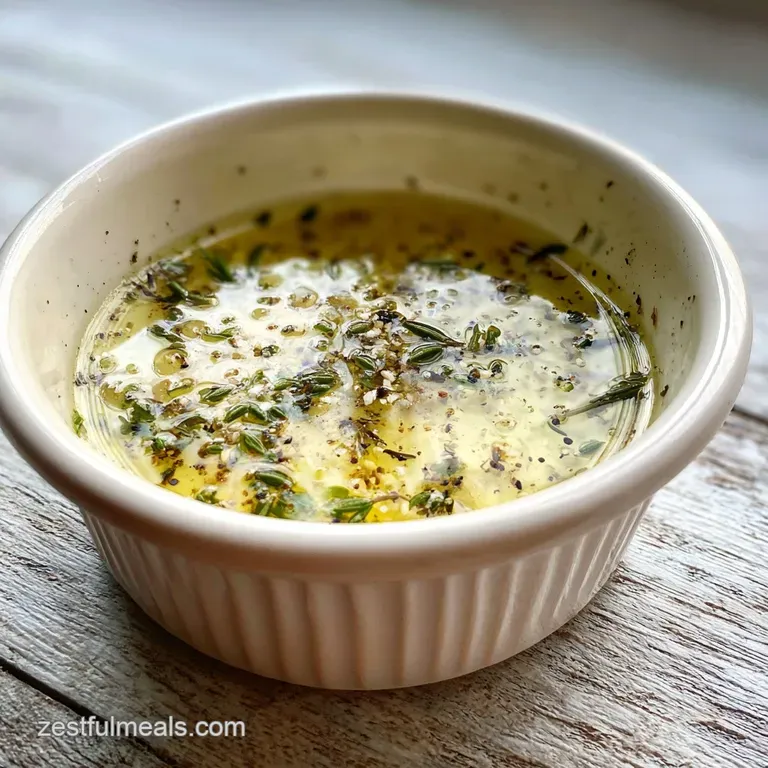
You don't need a blender or a fancy whisking bowl for this. In fact, I prefer using a simple glass jar with a tight sealing lid. It serves as both the mixing vessel and the storage container, which means one less dish for me to wash on a busy Tuesday night.
| Tool Type | Recommendation | Why It Works |
|---|---|---|
| Mixing Vessel | 8 oz Mason Jar | Allows for vigorous shaking, which creates the best emulsion. |
| Measuring | Tablespoon/ML Cup | Precision is key when balancing acid and oil without salt. |
Using a jar also allows you to see if the dressing has separated. If you see the oil floating on top after it sits in the fridge, you just give it a quick five second shake, and it's back to being perfectly combined. It's the ultimate low tech solution for a busy kitchen.
Mastering the Simple Shaking Technique Steps
- Prep the jar. Ensure your glass jar is bone dry. Note: Water can prevent the oil from properly emulsifying with the mustard.
- Add the aromatics. Place the 5g garlic powder, 5g onion powder, 2g oregano, and 1g black pepper into the bottom.
- Pour the liquids. Add 120ml olive oil, 60ml apple cider vinegar, and 15ml lemon juice.
- Incorporate the binder. Spoon in 10ml of low sodium Dijon mustard.
- Sweeten the deal. Drizzle in 5ml of raw honey.
- Seal and shake. Close the lid tightly and shake until the liquid turns opaque and slightly thickened.
- Check the consistency. Open the lid and dip a leaf in. The dressing should coat the leaf smoothly without sliding off instantly.
- Rest the flavors. Let it sit for 2 minutes until the dried herbs have slightly softened and hydrated.
Chef's Tip: Add a single clean marble or a small whisk ball (like the ones in protein shakers) to your jar. It acts as an agitator, breaking the oil droplets into even smaller particles for an incredibly thick, velvety texture.
Fixing Balance Issues and Troubleshooting Tips
Sometimes things don't go perfectly, especially if your lemons are extra tart or your olive oil is particularly bitter. The goal is balance. If one flavor is shouting over the others, we need to quiet it down.
Why Your Dressing Tastes Thin
If the dressing looks watery and won't stick to your salad, it hasn't emulsified properly. This usually happens if you didn't shake it hard enough or if the mustard was omitted. The mustard is the "glue" here; without it, the oil and vinegar will simply repel each other like magnets.
Why Your Dressing Is Too Sharp
If the vinegar hit is making you wince, your acid to fat ratio might be off, or your lemon was particularly potent. You can mellow this out with a tiny bit more oil or a half teaspoon more honey. Sweetness is the natural enemy of harsh acidity, and it will round out those sharp corners.
| Problem | Root Cause | Solution |
|---|---|---|
| Separates quickly | Lack of mustard or weak shaking | Add 5ml more mustard and shake for 30 seconds. |
| Tastes bitter | Low quality olive oil | Add a tiny pinch of sugar or more honey to mask the bitterness. |
| Herbs taste "dusty" | Old dried spices | Let the dressing sit for 10 minutes to hydrate the herbs. |
Don't be afraid to taste as you go. Dipping a piece of the actual lettuce you'll be using is the best way to judge the final result, as the flavor changes once it hits the greens.
Easy Flavor Variations for Different Meals
Once you have the base down, you can pivot this recipe to match whatever you're cooking. It’s like a little black dress for your vegetables it goes with everything if you change the accessories.
- Creamy Avocado: Blitz half an avocado into the finished dressing. It adds a luxurious thickness without any dairy or extra sodium.
- Toasted Nut: Swap half the olive oil for toasted sesame oil for a nutty, earthy vibe that pairs perfectly with cabbage slaws.
- Fresh Herb Explosion: Fold in 15g of chopped fresh parsley or cilantro right before serving.
How Do I Make an Asian Style Low Salt Dressing?
To take this in an Eastern direction, replace the apple cider vinegar with rice vinegar (unseasoned, as seasoned has salt!) and add a teaspoon of grated fresh ginger. The ginger provides a "zing" that mimics the sharpness of salt brilliantly.
Can I Make This Creamy?
Absolutely. Whisking in two tablespoons of Greek yogurt or a tablespoon of tahini will transform this from a clear vinaigrette into a "Low Sodium Creamy Salad Dressing" that feels much more indulgent. Just be sure to adjust the honey if the yogurt is particularly tart.
Storage Guidelines and Smart Zero Waste Tips
This dressing keeps beautifully in the fridge for up to 7 days. Because we are using dried herbs and acidic vinegar, it's quite stable. However, the olive oil will likely solidify or get "cloudy" when it gets cold. Don't panic this is totally normal and a sign you're using real, high-quality oil!
Storage: Keep in an airtight jar in the fridge. Before using, let it sit on the counter for 5 minutes to liquefy the oil, then give it a vigorous shake.
- Zero Waste Tips
- The Jar Trick
- When you get to the very bottom of a mustard or honey jar, don't rinse it! Build your next batch of dressing right inside that nearly empty jar to catch every last bit of flavor.
- Herb Stems
- If you have leftover stems from fresh herbs, toss them into the dressing jar to infuse for a day before straining them out.
Fresh Pairing Ideas for Every Salad
This dressing is robust enough to stand up to kale but delicate enough for spring mix. My favorite way to serve it is over a "Kitchen Sink" salad whatever vegetables are looking a bit lonely in the crisper drawer.
- The Power Bowl: Quinoa, roasted sweet potatoes, and black beans. The acidity of the dressing cuts right through the starchiness of the grains.
- Fruit and Nut: Spinach, sliced strawberries, and toasted walnuts. The honey in the dressing pulls the sweetness of the fruit forward.
- Classic Cucumber: Thinly sliced cucumbers and red onions. Let them marinate in the dressing for 10 minutes before serving for a quick "pickle" effect.
If you're doing weekly prep, this dressing is a lifesaver. I often make a double batch on Sunday and use it not just for salads, but as a quick marinade for chicken or fish. It adds so much flavor without the bloat of traditional marinades.
It's affordable, fast, and honestly, it makes eating your veggies feel like a treat rather than a chore. Give it a shake and see what you think!
Low Salt Salad Dressing FAQs
What salad dressing has the least amount of sodium?
Homemade vinaigrettes made with oil, vinegar, and herbs. store-bought dressings, especially creamy ones, are typically very high in sodium for preservation and flavor. Opting for simple, fresh ingredients allows you to control the sodium content entirely.
What kind of salad dressing can I eat with high blood pressure?
Homemade, low-sodium vinaigrettes are best. Focus on dressings made with olive oil, apple cider vinegar, lemon juice, and plenty of herbs and spices. This approach helps avoid the high sodium levels found in most commercial dressings, which can negatively impact blood pressure.
What is the healthiest dressing to put on your salad?
Homemade dressings with healthy fats and minimal sodium. A simple olive oil and vinegar base, enhanced with lemon juice, garlic, herbs, and spices, provides beneficial fats and vibrant flavor without excessive sodium or unhealthy additives. If you enjoyed mastering the stable emulsion in this dressing, see how the same whisking method works in our Quick Lunch Wraps: Sizzled Chicken & Crisp Veggies recipe.
What ranch dressing is low in sodium?
Very few store-bought ranch dressings are genuinely low in sodium. Your best bet is to make your own ranch using plain Greek yogurt or buttermilk, fresh herbs like dill and chives, and a minimal amount of salt, or none at all.
Many recipes rely on acidity from lemon juice and the pungency of garlic and onion powder to compensate for reduced salt.
How do I make a salad dressing taste good without salt?
Boost acidity, umami, and aromatics. Use plenty of ingredients like lemon juice, vinegar, Dijon mustard, garlic, onion, and a variety of fresh or dried herbs and spices. These elements stimulate different taste receptors, creating a complex flavor profile that can make you forget about the salt.
Can I make a creamy low-sodium dressing?
Yes, by using emulsifiers and creamy bases. Ingredients like Greek yogurt, tahini, avocado, or even a bit of pureed white bean can add creaminess and body without relying on sodium.
The technique of emulsification, essential for smooth dressings, is key here, similar to how we achieve smooth textures in other recipes.
What are the best herbs and spices for low-salt dressings?
Focus on pungent and aromatic options. Garlic powder, onion powder, black pepper, dill, parsley, basil, oregano, thyme, and a touch of chili flakes are excellent choices. They provide depth, warmth, and brightness that can more than make up for the absence of salt, similar to the complex flavors you'd find in Quick Shrimp Stir Fry: Shatter Crisp Veggies.
Low Salt Salad Dressing
Ingredients:
Instructions:
Nutrition Facts:
| Calories | 132 kcal |
|---|---|
| Protein | 0.2 g |
| Fat | 13.8 g |
| Carbs | 2.1 g |
| Fiber | 0.2 g |
| Sugar | 1.2 g |
| Sodium | 3 mg |
