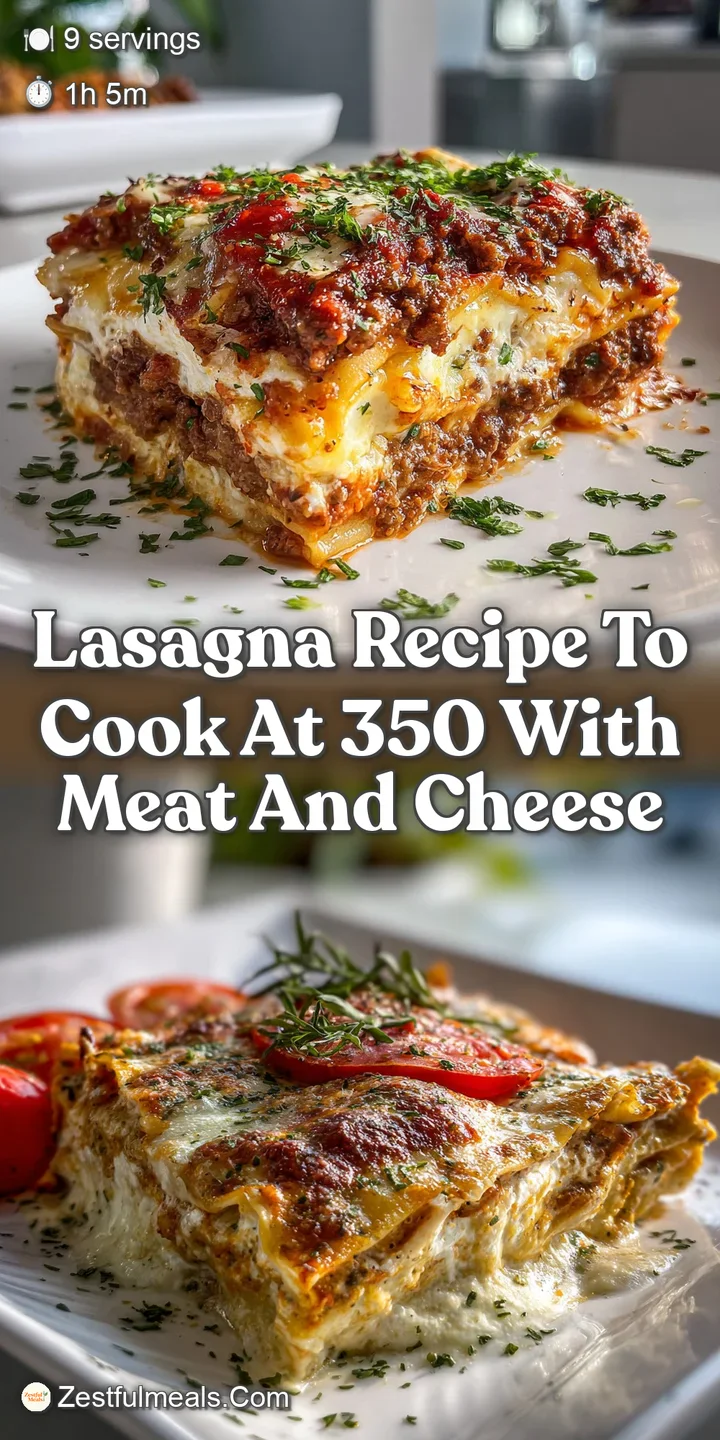
Lasagna Recipe to Cook at 350 with Meat and Cheese
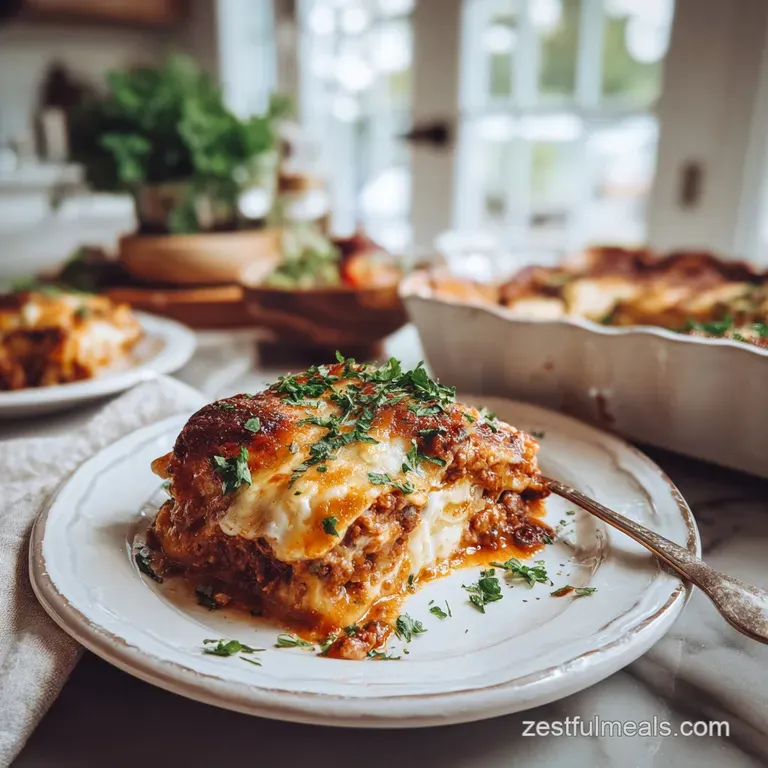
- Time: Active 20 minutes, Passive 45 minutes, Total 1 hour 5 minutes
- Flavor/Texture Hook: Bubbling molten mozzarella and velvety ricotta
- Perfect for: Sunday family dinners and freezer friendly meal prep
- Lasagna Recipe to Cook at 350 with Meat and Cheese
- Fast vs Classic Lasagna Specs
- Essential Pantry and Fridge Ingredients
- Necessary Tools for Baking Success
- Step by Step Assembly Guide
- Troubleshooting and Quick Fixes
- Flavor Variations and Simple Swaps
- Storing and Reusing Your Leftovers
- Best Sides and Serving Tips
- Recipe FAQs
- 📝 Recipe Card
Can you hear that? The gentle sizzle of the cheese meeting the edge of the ceramic dish, turning into those little crispy, lace like bits we all fight over? That’s the sound of a house that’s about to be very happy. Here's the best lasagna recipe to make at 350, packed with meat and cheese.
It’s the kind of meal that makes the kitchen smell like a proper Italian trattoria, even if you’ve spent the afternoon just trying to keep up with the laundry.
I’ve made my fair share of "lasagna soup" in the past, where you cut into it and the whole thing just sloshes around like a messy puddle. It’s frustrating, right? You spend all that money on ingredients just for it to look like a disaster on the plate.
But through trial and error and a few burnt edges I found that the 350 degree mark is the sweet spot for getting everything to play nice together.
This isn't about fancy, expensive imports. We're using budget friendly staples like low-fat ricotta and frozen spinach to keep things smart. It's a reliable, sturdy recipe that my kids actually ask for, and it won't break the bank.
We’re going to walk through how to layer this so it actually stays standing when you serve it.
Lasagna Recipe to Cook at 350 with Meat and Cheese
The Science of Why it Works: This temperature triggers starch gelatinization in the noodles by using the moisture from the sauce without evaporating it too quickly.
At the same time, protein denaturation in the egg and cheese creates a solid structural matrix that prevents the layers from sliding apart.
- Amino Acid Breakdown: Sautéing the ground beef until it hits a deep brown creates a complex savory profile through the Maillard reaction.
- Emulsion Stability: The addition of a large egg to the ricotta acts as a binder, ensuring the cheese layer stays fluffy rather than weeping liquid.
- Capillary Action: No boil noodles absorb the water from the crushed tomatoes, which softens the pasta while thickening the surrounding sauce.
- Carryover Cooking: Resting the dish for 15 minutes allows the melted mozzarella to partially re solidify, locking the layers into a cohesive unit.
Chef's Tip: Grate your mozzarella from a cold block rather than buying pre shredded bags; the lack of potato starch coating means the cheese melts into a much more velvety, stretchy blanket.
| Ingredient | Science Role | Pro Secret |
|---|---|---|
| Ground Beef (1 lb) | Provides fat and umami | Drain the fat after browning to prevent a greasy top layer. |
| No Boil Noodles (15) | Absorbs excess moisture | Ensure every inch is covered in sauce or they will stay brittle. |
| Ricotta Cheese (15 oz) | Adds creamy moisture | Stir in the nutmeg to trick the brain into thinking the cheese is richer. |
| Tomato Paste (6 oz) | Thickens and sweetens | Sauté the paste with the garlic for 2 mins to remove the metallic "tin" taste. |
Fast vs Classic Lasagna Specs
| Feature | No Boil Method (This Recipe) | Traditional Boiled Method |
|---|---|---|
| Prep Labor | Minimal; no hot water handling | High; sticky noodles are hard to manage |
| Structural Integrity | Excellent; noodles absorb liquid | Variable; often leads to "soupy" results |
| Total Bake Time | 45 minutes at 350°F | 45-60 minutes at 375°F |
Essential Pantry and Fridge Ingredients
To get this right, you need the balance of acidity from the tomatoes and the richness of the dairy. It’s similar to the base we use for a Simple Spaghetti Bolognese Recipe, just tucked between sheets of pasta.
- 1 lb lean ground beef (90/10): Why this? Lean meat prevents the lasagna from becoming an oily mess during the long bake.
- Substitute: Ground turkey or chicken (add 1 tsp extra oil for fat).
- 1 tbsp Bertolli Extra Virgin Olive Oil: Why this? A high-quality oil starts the aromatics with a peppery, fruity base.
- Substitute: Avocado oil or any neutral vegetable oil.
- 1 medium yellow onion, finely diced: Why this? Provides a foundational sweetness that balances the acidic crushed tomatoes.
- Substitute: 1 tbsp onion powder (though you'll lose the texture).
- 3 cloves garlic, minced: Why this? Fresh garlic offers a pungent punch that dried versions simply can't match.
- Substitute: 1 tsp jarred minced garlic.
- 28 oz Hunt's Crushed Tomatoes: Why this? Provides the perfect "saucy" consistency without being too chunky or too thin.
- Substitute: Tomato sauce mixed with finely chopped canned whole tomatoes.
- 6 oz tomato paste: Why this? Concentrates the tomato flavor and acts as a natural thickener for the meat.
- Substitute: Double the crushed tomatoes and simmer 20 mins longer to reduce.
- 1 tbsp dried Italian seasoning: Why this? A budget friendly way to get oregano, basil, and rosemary in one go.
- Substitute: 1 tsp each of dried basil and dried oregano.
- 1 tsp sea salt & 0.5 tsp black pepper: Why this? Essential for waking up all the other flavors in the sauce.
- Substitute: Standard table salt (use slightly less).
- 15 oz Galbani low-fat Ricotta: Why this? Keeps the dish lighter while still providing that classic creamy texture.
- Substitute: Cottage cheese (blitzed in a blender for a smooth texture).
- 1 large egg: Why this? The "glue" that keeps your ricotta layer from running all over the plate.
- Substitute: 1/4 cup heavy cream (will be less stable/sturdy).
- 2 cups fresh baby spinach, chopped: Why this? Adds color, nutrients, and a fresh earthy contrast to the heavy cheese.
- Substitute: 10 oz frozen spinach (thawed and squeezed very dry).
- 0.5 cup grated Parmesan cheese: Why this? Adds a salty, nutty bite that mozzarella lacks.
- Substitute: Pecorino Romano for a sharper, saltier kick.
- 0.25 tsp ground nutmeg: Why this? A tiny amount makes the dairy taste incredibly savory and complex.
- Substitute: A pinch of mace or just omit if needed.
- 15 Barilla No Boil Lasagna Noodles: Why this? These "oven ready" sheets save time and absorb sauce perfectly at 350°F.
- Substitute: Traditional noodles (must be boiled for 6 mins first).
- 4 cups low moisture part skim mozzarella: Why this? Low moisture is key; fresh mozzarella releases too much water, ruining the structure.
- Substitute: Provolone or Monterey Jack for a different melt profile.
Necessary Tools for Baking Success
You don't need a professional kitchen, but a few specific items make the assembly much cleaner. I usually reach for my Lodge Enameled Cast Iron Casserole Dish because it holds heat so evenly.
- 9x13 Inch Baking Dish: Use ceramic or glass to ensure the bottom doesn't scorch.
- Large Skillet: A 12 inch pan gives the meat enough room to brown rather than steam.
- Mixing Bowl: For whipping the ricotta and egg mixture together.
- Aluminum Foil: Essential for the first half of the bake to trap steam for the noodles.
step-by-step Assembly Guide
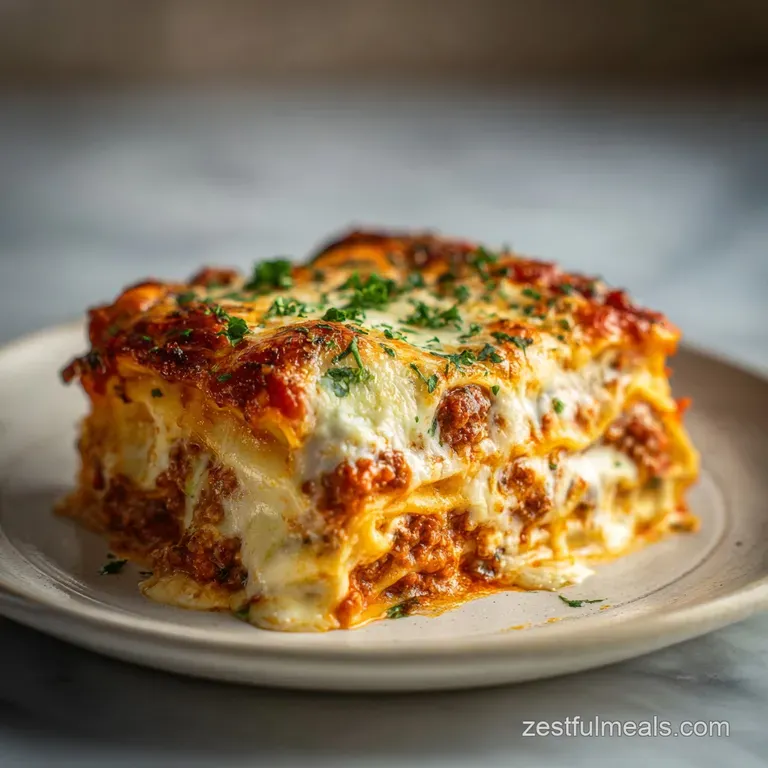
Maillard Browning for Flavor
In a large skillet, heat the olive oil over medium heat. Add the ground beef and cook for 8 minutes until no pink remains and bits are browned. Small bits of caramelized meat provide way more flavor than gray, boiled looking beef.
Mixing the Cheese Binder
In a medium bowl, combine the 15 oz ricotta, egg, chopped spinach, Parmesan, and nutmeg. Stir until the green flecks are evenly distributed. Note: This creates a thick paste that will set firmly once baked.
Rich Tomato Meat Sauce
Add the onions to the beef and sauté for 5 minutes until translucent and soft. Stir in the garlic and tomato paste, cooking for 2 minutes to toast the spices. Pour in the 28 oz crushed tomatoes and Italian seasoning.
Simmer for 10 minutes until the sauce thickens slightly.
The Pattern of Layers
Spread 1 cup of meat sauce on the bottom of your baking dish. Note: This prevents the bottom noodles from sticking and ensures they cook through. Place 3 to 4 noodles on top, overlapping them slightly to create a solid floor.
Building a Solid Slice
Spread 1/3 of the ricotta mixture over the noodles. Sprinkle with 1 cup of mozzarella. Repeat this layering sauce, noodles, ricotta, mozzarella until you have four layers of noodles.
Final Layering and Preparation
For the final top layer, place the remaining noodles, cover generously with the rest of the meat sauce, and top with the remaining mozzarella. Note: Covering the top noodles completely in sauce is vital so they don't turn into crackers.
The Final Oven Bake
Cover the dish tightly with foil. Bake at 350°F for 30 minutes. The foil traps the steam which is what actually "boils" the no boil noodles.
Achieving Perfect Doneness
Remove the foil and bake for another 15 minutes until the cheese is bubbling and golden. If you like it extra crispy, you can broil it for the last 2 minutes, but watch it like a hawk so it doesn't burn.
Troubleshooting and Quick Fixes
Fixing Soupy Sauce Issues
If you cut into the lasagna and a pool of red liquid fills the gap, it usually means the sauce had too much water or the vegetables weren't drained.
| Problem | Cause | Fix | Pro Tip |
|---|---|---|---|
| Watery base | Excess moisture in spinach | Squeeze spinach in a kitchen towel | Use 90/10 beef to limit grease |
| Crunchy noodles | Not enough sauce coverage | Tuck noodles deeper into sauce | Add 1/4 cup water to the sauce |
| Layers sliding | Cut too soon while hot | Rest for 15 minutes minimum | The egg binder is non negotiable |
Rescuing Hard Noodle Edges
This happens when the corners of the pasta aren't tucked under the sauce. To fix it mid bake, spoon a little extra sauce over the dry spots and recover with foil for 10 minutes. Next time, try snapping the noodles to fit the dish perfectly so they don't ride up the sides.
Stopping the Layer Slide
If your lasagna looks like a leaning tower of Pisa, you likely used too much sauce between the layers. The "Decision Shortcut" is simple: If you want a tall, sturdy slice, use less sauce inside and save the extra for serving on the side.
Flavor Variations and Simple Swaps
Vegetarian Spinach Mushroom Twist
Swap the ground beef for 1 lb of finely chopped cremini mushrooms. Sauté them until they've released all their water and turned dark brown to mimic that meaty umami. It’s a great budget friendly swap that still feels incredibly hearty.
Adding Heat With Spices
If your family likes a bit of a kick, add 1 tsp of red pepper flakes to the oil when you sauté the onions. This infuses the entire sauce with a warmth that pairs beautifully with the creamy ricotta. You might also enjoy the flavor profile of a Manicotti With Meat recipe if you like more distinct cheese to pasta ratios.
gluten-free Noodle Swaps
You can use gluten-free lasagna sheets, but they often require a bit more moisture. Add an extra 1/2 cup of water to your tomato sauce to ensure they hydrate fully without becoming gummy or gritty.
- If you want it extra creamy: Swap half the ricotta for mascarpone cheese.
- If you want it lighter: Use ground turkey and double the amount of spinach.
- If you want a crunch: Mix 1/4 cup of breadcrumbs with the top layer of Parmesan.
Storing and Reusing Your Leftovers
Lasagna is one of those rare dishes that actually tastes better the next day. The flavors have time to marry, and the structure becomes even more solid.
Storage: Store in an airtight container in the fridge for up to 4 days. When reheating, add a teaspoon of water to the plate and cover it to keep the pasta from drying out.
Freezing: This is a freezer superstar. You can freeze the entire baked lasagna (once cooled) for up to 3 months. I find it’s better to cut it into individual squares first. Wrap each square in parchment paper, then foil, and stick them in a freezer bag.
It makes for the easiest "pull and heat" lunch ever.
Zero Waste Tip: Don't throw away those little broken shards of lasagna noodles at the bottom of the box! Toss them into a minestrone soup or a simple pot of beans. They act as a great thickener and add a nice bite to the broth.
Best Sides and Serving Tips
Fresh Italian Side Salad
Since lasagna is quite heavy and rich, I always serve it with something bright. A simple arugula salad with lemon vinaigrette cuts through the cheese perfectly. It cleans the palate between those big, savory bites.
Warm Cheesy Garlic Bread
If you’re feeding a crowd or have very hungry kids, garlic bread is the classic companion. You can use the same mozzarella and Parmesan from the lasagna recipe to top some crusty French bread.
My Personal Mistake: I once tried to save time by not covering the dish with foil. The top layer of noodles turned into literal shards of glass. Always, always cover for the first 30 minutes to let the steam do the hard work!
The Italian Steakhouse Approach
For a special occasion, serve each slice with a small dollop of cold ricotta on top and a drizzle of balsamic glaze. It looks fancy, but it only costs pennies and adds a lovely temperature contrast to the hot pasta.
Scaling for a Crowd: To double (2x): Use two separate 9x13 dishes rather than one deep one. This ensures the middle cooks through. Reduce the salt in the sauce to 1.5 tsp total to avoid over seasoning. To halve (1/2): Use an 8x8 square pan.
Reduce the bake time by about 10 minutes, as the smaller volume heats up faster. Use a small egg or half a beaten large egg.
Myths to Forget: "You must boil the noodles first." Not true! As long as your sauce has enough moisture and you cover the dish with foil, the noodles will cook perfectly in the oven. It saves a pot and a lot of frustration.
"Fresh mozzarella is better." For pizza, maybe. For lasagna, it’s a disaster. The high water content will leave you with a lake at the bottom of your pan. Stick to the low moisture block for that perfect cheese pull.
This lasagna recipe to cook at 350 with meat and cheese is a staple in our house because it's forgiving. If you add a little more meat or an extra handful of spinach, it still comes out great. Just keep that oven at 350, keep it covered for the first half, and let it rest before you dive in!
Recipe FAQs
How long do you bake lasagna at 350?
45 minutes total. Bake it covered with foil for the first 30 minutes to allow the no-boil noodles to absorb moisture, then remove the foil and bake uncovered for the final 15 minutes until the cheese is golden brown and bubbly.
How long to heat lasagna at 350 degrees?
45 minutes if raw, 25 35 minutes if refrigerated. If you are reheating already cooked lasagna, you are mainly warming it through and melting the cheese; this requires less time than cooking the raw pasta.
Should I bake lasagna covered or uncovered?
Yes, cover it first. Covering the dish tightly with foil traps the steam released from the sauce, which is essential for properly hydrating and softening the no-boil noodles.
What's the best oven setting for lasagna?
350°F (175°C) is the ideal setting. This lower temperature allows the internal structure to set properly without burning the edges of the cheese or causing the sauce to evaporate too quickly.
Do I need to rest lasagna after baking?
Yes, rest it for 15 minutes minimum. This crucial resting time allows the melted cheese and egg binder to firm up, ensuring your slices hold their shape instead of turning into a loose pile.
Can I substitute no-boil noodles with regular noodles?
Yes, but you must pre-cook them. If using traditional lasagna sheets, boil them until al dente (about 6-8 minutes) before layering; otherwise, they will remain brittle after baking.
What is a good side dish for a rich meat lasagna?
Something light and acidic works best. A simple green salad with a sharp vinaigrette cuts through the richness of the meat and cheese beautifully, much like the bright citrus we use to balance heavy flavors in our French Toast for One: Crispy Edges recipe.
Meat Cheese Lasagna 350
Ingredients:
Instructions:
Nutrition Facts:
| Calories | 496 calories |
|---|---|
| Protein | 35.7 grams |
| Fat | 19.8 grams |
| Carbs | 35.9 grams |
| Fiber | 3.2 grams |
| Sugar | 7.8 grams |
| Sodium | 512 milligrams |
