Mini Lemon Cakes with Lavender Glaze
- Time: Active 30 minutes, Passive 15 minutes, Total 45 minutes
- Flavor/Texture Hook: Zesty, velvety crumb with a shatter thin floral glaze
- Perfect for: Spring garden parties, bridal showers, or elegant tea times
- The Secrets Behind mini lemon cakes with lavender glaze
- Essential Planning for Your Recipe Specs
- Detailed Shopping List and Fresh Ingredients
- Choosing the Right Equipment for Baking
- Step by Step Baking Process Guide
- Professional Tips to Avoid Common Pitfalls
- Troubleshooting Common Issues
- Simple Methods for Dietary Adaptations
- Clever Ways for Make Ahead Storage
- Creative Plating and Elegant Presentation Tips
- Recipe FAQs
- 📝 Recipe Card
The Secrets Behind mini lemon cakes with lavender glaze
The first time I tried to make a floral dessert, it was a disaster. I thought I could just toss dried lavender into the batter like chocolate chips. Big mistake. My kitchen ended up smelling like a laundry room, and the cakes had the texture of eating actual potpourri.
It was a learning curve, but it led me to the realization that the secret isn't more lavender, it's how you treat the lavender you have. This specific recipe for mini lemon cakes with lavender glaze uses a steeping method that transforms the flower from a harsh scent into a soft, romantic flavor that actually complements the lemon.
Picture this: it's a Saturday morning, the sun is streaming through the window, and you're hosting a small brunch for your closest friends. You pull these golden, bite sized treats out of the oven, and the aroma of warm citrus fills the air.
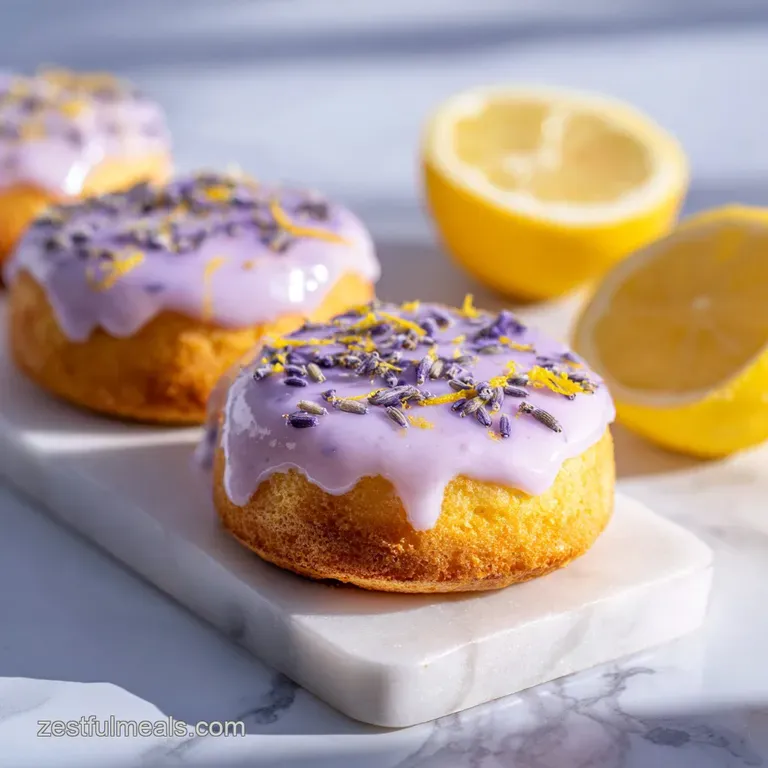
It isn't just about the taste; it's about that specific moment when you drizzle the pale purple glaze over the warm sponge. The glaze sinks in just enough to create a velvety layer, while the top sets into a beautiful, thin crust.
It's the kind of dessert that makes everyone stop talking for a second just to appreciate the fragrance.
We're going to use a simple muffin tin method here because, let's be honest, who has time for individual cake molds every weekend? This recipe is designed to be approachable but looks like it came straight from a high end bakery case.
I've stripped away the complicated steps and focused on the ones that actually matter, like the sugar rubbing technique that most people skip. If you've ever felt intimidated by baking with flowers, don't worry. I've made the mistakes so you don't have to, and I'll guide you through every single "why" behind the "how."
Essential Planning for Your Recipe Specs
When we talk about small scale baking, precision is your best friend. Because these cakes are tiny, the ratio of liquid to flour is much more sensitive than in a giant sheet cake. If you're off by even a tablespoon of oil, the cakes might sink or become greasy.
We're aiming for a 45 minutes total turnaround, which means you need to have your oven preheated and your ingredients measured before you even start the milk infusion. It's all about the flow of the kitchen.
- Oil Based Moisture
- Using neutral oil instead of butter keeps the cakes soft even when they are cold, as oil remains liquid at room temperature.
- Floral Extraction
- Steeping lavender in milk for 10 minutes pulls out the essential oils without the bitter tannins found in the flower buds.
- The Zest Rub
- Massaging lemon zest into granulated cane sugar releases the limonene oils, scenting the entire cake from the inside out.
- Yogurt Tenderizing
- The lactic acid in Greek yogurt breaks down gluten strands, ensuring the crumb is soft rather than chewy or bread like.
| Cook Method | Time | Texture | Best For |
|---|---|---|---|
| Standard Oven | 12-15 minutes | Soft and golden | Traditional tea parties |
| Air Fryer (320°F) | 8-10 minutes | Crispier exterior | Quick small batches |
| Convection Oven | 10-12 minutes | Very even rise | Bulk baking for events |
Choosing your cooking method depends on your equipment, but I find the standard oven gives the most reliable "velvety" finish. If you use an air fryer, make sure your liners are weighed down by the batter so they don't fly into the heating element!
It's a faster way to get that "shatter" texture on the edges, but the traditional oven is still the gold standard for getting that even, dome shaped top we all love.
Detailed Shopping List and Fresh Ingredients
The magic of these cakes lies in the quality of your citrus and your flowers. When shopping for this recipe, look for lemons that feel heavy for their size; this usually means they have thinner skins and more juice.
For the lavender, you must ensure it's "culinary grade." The stuff sold in craft stores for sachets is often treated with perfumes or pesticides that you definitely don't want in your body.
- All purpose flour (1.5 cups): Provides the structure. Why this? It has the right protein balance for a sturdy but soft mini cake.
- Granulated cane sugar (0.75 cup): Sweetens and helps with browning. Why this? Cane sugar has a slightly deeper flavor than highly processed white sugar.
- Baking powder (1.5 tsp): Our primary leavening agent. Why this? It reacts twice once when wet and once when heated for maximum lift.
- Fine sea salt (0.25 tsp): Enhances all the other flavors.
- Large egg (1 unit): Binds the ingredients together. Why this? Room temperature eggs emulsify better with the oil and yogurt.
- Plain Greek yogurt (0.5 cup): Adds moisture and tang. Why this? The high fat and acid content create a much more tender crumb than milk alone.
- Neutral oil (0.5 cup): Provides a moist, long lasting texture.
- Fresh lemon juice (2 tbsp): Adds the necessary acidity and bright flavor.
- Fresh lemon zest (1 tbsp): Where the real "punch" of lemon comes from.
- Vanilla extract (1 tsp): Rounds out the floral and citrus notes.
- Powdered sugar (1 cup): The base for our smooth glaze.
- Milk (2 tbsp): Used to carry the lavender flavor into the glaze.
- Dried culinary lavender (1 tsp): Provides the sophisticated floral aroma.
- Natural purple food coloring (1 drop): Entirely optional, but makes the glaze look stunning.
| Ingredient | Science Role | Pro Secret |
|---|---|---|
| Greek Yogurt | Protein & Acid | Use full fat for the most velvety mouthfeel |
| Lemon Zest | Essential Oils | Zest directly over the sugar to catch every drop of oil |
| Neutral Oil | Fat Barrier | Oil coats flour proteins, preventing tough gluten from forming |
If you're out of Greek yogurt, you can use sour cream as a 1:1 swap. It has a similar fat and acid profile. If you love small batch baking, these are just as fun as making Mini Pumpkin Pies for your next gathering. Both recipes rely on getting that perfect balance of spice or flower against a creamy or soft base.
Choosing the Right Equipment for Baking
You don't need a professional kitchen to make these, but two tools will make your life significantly easier: a microplane and a mini muffin tin. A microplane allows you to get just the yellow part of the lemon peel without hitting the bitter white pith.
If you only have a box grater, use the smallest holes and a very light touch.
For the lavender infusion, any small saucepan will do, but a stainless steel one helps you see the color of the milk as it changes. You'll also need a fine mesh sieve. Trying to pick individual lavender buds out of milk is a nightmare you don't want to experience.
Trust me, I've tried to "shortcut" it by leaving the buds in, and everyone thought there were ants in the glaze. Use the sieve!
| Component | Fresh Method | Shortcut Method | Result |
|---|---|---|---|
| Lemon | Zest & Juice | Bottled Juice | Fresh is much more aromatic |
| Lavender | Steeping Buds | Lavender Extract | Steeping is subtle; extract can be soapy |
| Yogurt | Full Fat Greek | Fat Free Yogurt | Full fat is significantly more tender |
Another thing to consider is the liners. Paper liners are great for easy cleanup, but if you want that classic "cake" look, greasing the tin directly with a bit of oil or baking spray creates a beautiful golden crust on the sides of the mini cakes.
If you go the no liner route, just make sure to let them cool for at least 5 minutes before trying to pop them out, or they might leave their bottoms behind.
step-by-step Baking Process Guide
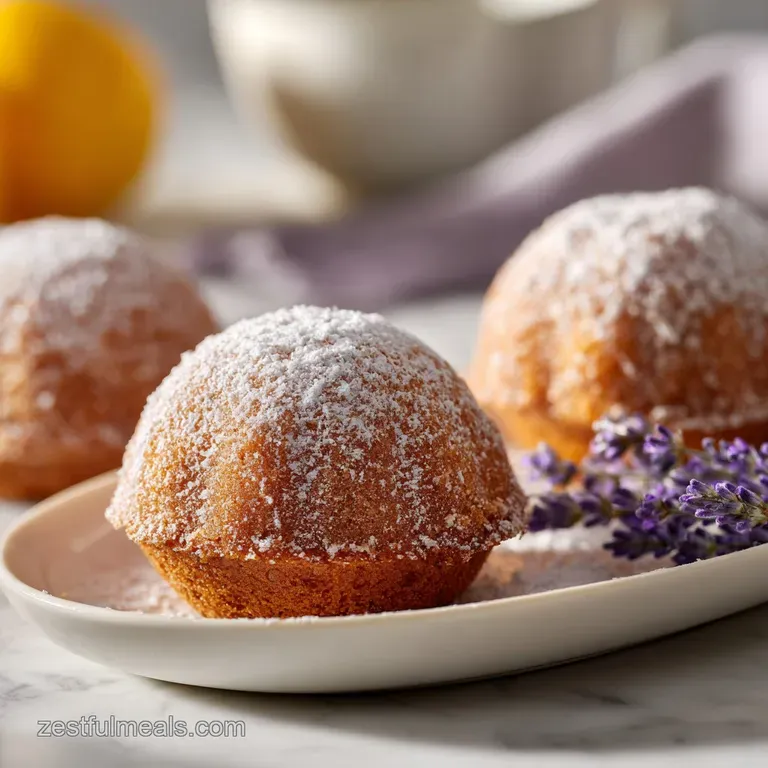
- Infuse the milk. Combine 2 tablespoons of milk and 1 teaspoon of dried lavender in a small saucepan over low heat. Bring it to a bare simmer look for tiny bubbles at the edges then immediately remove from heat. Note: Boiling too hard can make the milk taste scorched and the lavender bitter. Let it sit for 10 minutes, then strain.
- Heat the oven. Preheat your oven to 350°F (175°C). While it warms up, lightly grease your 24 cup mini muffin tin or drop in your paper liners.
- Massage the sugar. Put your granulated sugar and lemon zest in a large bowl. Use your clean fingertips to rub them together for about 30 seconds until the sugar looks like damp sand and smells intensely of lemon.
- Mix the wet ingredients. Add the egg, yogurt, oil, lemon juice, and vanilla to the lemon sugar. Whisk vigorously until the mixture is completely smooth and you can't see any streaks of oil.
- Incorporate the dry. Sift the flour, baking powder, and salt directly into the wet mixture. Use a spatula to gently fold it all together. Note: Stop as soon as the last streak of flour disappears; overmixing leads to tough, rubbery cakes.
- Portion the batter. Fill each mini muffin cup about 3/4 full. I find a small cookie scoop or two spoons works best for this.
- Bake to perfection. Slide the tin into the center of the oven and bake for 12-15 minutes until the tops spring back when lightly touched. A toothpick should come out clean or with just a few moist crumbs.
- Cool completely. Let the cakes rest in the pan for 5 minutes, then move them to a wire rack. They must be cold before you glaze them, or the glaze will just melt and run off.
- Whisk the glaze. In a small bowl, mix the sifted powdered sugar with your cooled lavender milk and the purple food coloring. It should be thick but pourable, like heavy cream.
- Final drizzle. Use a spoon to drizzle the glaze over each cake. If you're feeling fancy, top with a tiny pinch of extra lavender buds or a bit of fresh zest.
For those who prefer a fruitier, creamier vibe for their next project, you might enjoy these Banana Pudding Cheesecake Bars. They use a similar logic of balancing bright flavors with a rich, soft base.
Professional Tips to Avoid Common Pitfalls
The biggest mistake people make with mini lemon cakes with lavender glaze is the "soapy" factor. This happens when you use too much lavender or leave the buds in the glaze. Lavender is a very potent herb; a little goes a long way.
Always use culinary grade lavender, which is harvested specifically for eating and has a much sweeter, cleaner profile than the stuff meant for fragrance.
Troubleshooting Common Issues
| Issue | Solution |
|---|---|
| Why do my cakes sink in the middle | Usually, this is a result of one of two things: opening the oven door too early or over active leavening. If you peek at the cakes before the 10 minute mark, the sudden drop in temperature can cause t |
| Lavender glaze gray | Lavender milk naturally has a slightly beige or greyish tint. If you want that beautiful, "Insta worthy" pastel purple, you really do need that single drop of natural purple food coloring. Without it, |
| Why did my cakes stick to the pan | Mini muffin tins have a lot of surface area relative to the amount of batter. If you aren't using liners, you need to be very thorough with your greasing. Use a pastry brush to get into the bottom cor |
Simple Methods for Dietary Adaptations
If you need to tweak this recipe for friends with dietary restrictions, it's actually quite flexible. Because it's an oil based cake, we don't have to worry about the science of creaming butter, which makes substitutions a lot easier.
To make these gluten-free, use a high-quality 1:1 gluten-free flour blend that contains xanthan gum (like King Arthur or Cup4Cup). The Greek yogurt actually helps a lot here, as gluten-free bakes tend to dry out quickly, and the yogurt provides a safety net of moisture.
For a vegan version, you can swap the egg for a "flax egg" (1 tbsp ground flax mixed with 3 tbsp water) and use a dairy-free soy or coconut yogurt. Just keep in mind that coconut yogurt will add a slight tropical note to the finish.
If you want to reduce the sugar, you can use a monk fruit sweetener for the cake batter, but I don't recommend it for the glaze. The structural integrity and "shatter" of a powdered sugar glaze are hard to replicate with sugar-free alternatives, which can often feel gritty or have a cooling aftertaste.
Clever Ways for make-ahead Storage
These mini cakes are surprisingly hardy. Thanks to the yogurt and oil, they stay moist much longer than a traditional butter sponge. You can easily bake these a day before your event. Just keep them in an airtight container at room temperature.
Don't glaze them until the day you plan to serve them, as the moisture from the cake can eventually soften the glaze and make it lose its "snap."
For long term storage, these cakes freeze beautifully. I often make a double batch and freeze half of them (unglazed). Wrap them tightly in plastic wrap and then place them in a freezer bag. They’ll stay fresh for up to 3 months.
When you're ready for a treat, just let them thaw on the counter for about an hour, then whip up a fresh batch of glaze.
Zero Waste Tip: Don't toss those "naked" lemons after you've zested and juiced them! Cut the spent peels into chunks and put them in a jar with white vinegar. Let it sit for two weeks, and you’ll have a powerful, fresh smelling citrus cleaner for your kitchen counters.
It's a great way to use every single part of the fruit.
Creative Plating and Elegant Presentation Tips
When it comes to serving mini lemon cakes with lavender glaze, less is usually more. Since they are so small and delicate, they look best when grouped together on a simple white pedestal or a vintage wooden board.
If you're hosting a tea party, try placing each mini cake in a fresh, brightly colored paper liner just before serving; it makes them look like little jewels.
For a more "pro" look, don't just drizzle the glaze randomly. Use a piping bag or a small zip top bag with the corner snipped off to create clean, concentric circles on top of each cake. While the glaze is still wet, drop one or two tiny lavender buds right in the center.
If you have access to edible pansies or violas, a single petal pressed into the glaze looks absolutely stunning and reinforces that floral theme.
If you want a "Bee's Knees" twist: Swap the granulated sugar for 1/2 cup honey (and reduce the yogurt by 2 tbsp). Add a tiny pinch of thyme to the lavender milk. This creates a deeper, earthier flavor that feels very sophisticated for an evening garden party.
Whether you serve these with a hot cup of Earl Grey or a chilled glass of Prosecco, they are guaranteed to be the star of the show. There's something about the combination of bright yellow lemon and soft purple lavender that just screams "celebration." Now, go get that microplane and start zesting!

Recipe FAQs
How to ensure the lavender flavor is floral and not soapy?
Simmer the milk gently and steep for exactly 10 minutes. Boiling the milk will turn the lavender bitter, while a short steep won't extract enough floral essential oils.
Is it true that I should use a high speed mixer for the batter?
No, this is a common misconception. You must fold the dry ingredients into the wet ones by hand with a spatula, as overmixing will lead to tough, dense cakes rather than a light, tender crumb.
Why did my mini cakes sink in the middle after baking?
Avoid opening the oven door before the 10-minute mark. The sudden temperature drop can cause the center to collapse before the structure is fully set.
How to achieve a bright purple glaze without artificial coloring?
Use a single drop of natural food coloring to counteract the grey tint of the lavender infusion. If you enjoyed mastering the creamy vanilla custard technique for achieving perfect color and consistency, you will find this simple whisking method equally reliable for achieving a smooth finish.
How to tell when the mini lemon cakes are fully baked?
Insert a toothpick into the center of a cake to check for doneness. The cakes are ready to come out of the 350°F oven as soon as the toothpick comes out clean, typically between 12 and 15 minutes.
How to prevent the cakes from sticking to the muffin tin?
Grease every cup thoroughly or use paper liners before adding the batter. Ensuring even coverage along the sides of the pan is essential for a clean release after the 15-minute bake time.
Can I prepare the lavender infused milk ahead of time?
Yes, store the strained milk in the refrigerator for up to 24 hours. Allow it to return to room temperature before whisking it into the sifted powdered sugar to ensure the glaze achieves a smooth consistency.
Mini Lemon Lavender Cakes
Ingredients:
Instructions:
Nutrition Facts:
| Calories | 120 kcal |
|---|---|
| Protein | 1.6 g |
| Fat | 5.0 g |
| Carbs | 17.6 g |
| Fiber | 0.2 g |
| Sugar | 11.3 g |
| Sodium | 51 mg |
