Banana Bread: Velvety and Moist
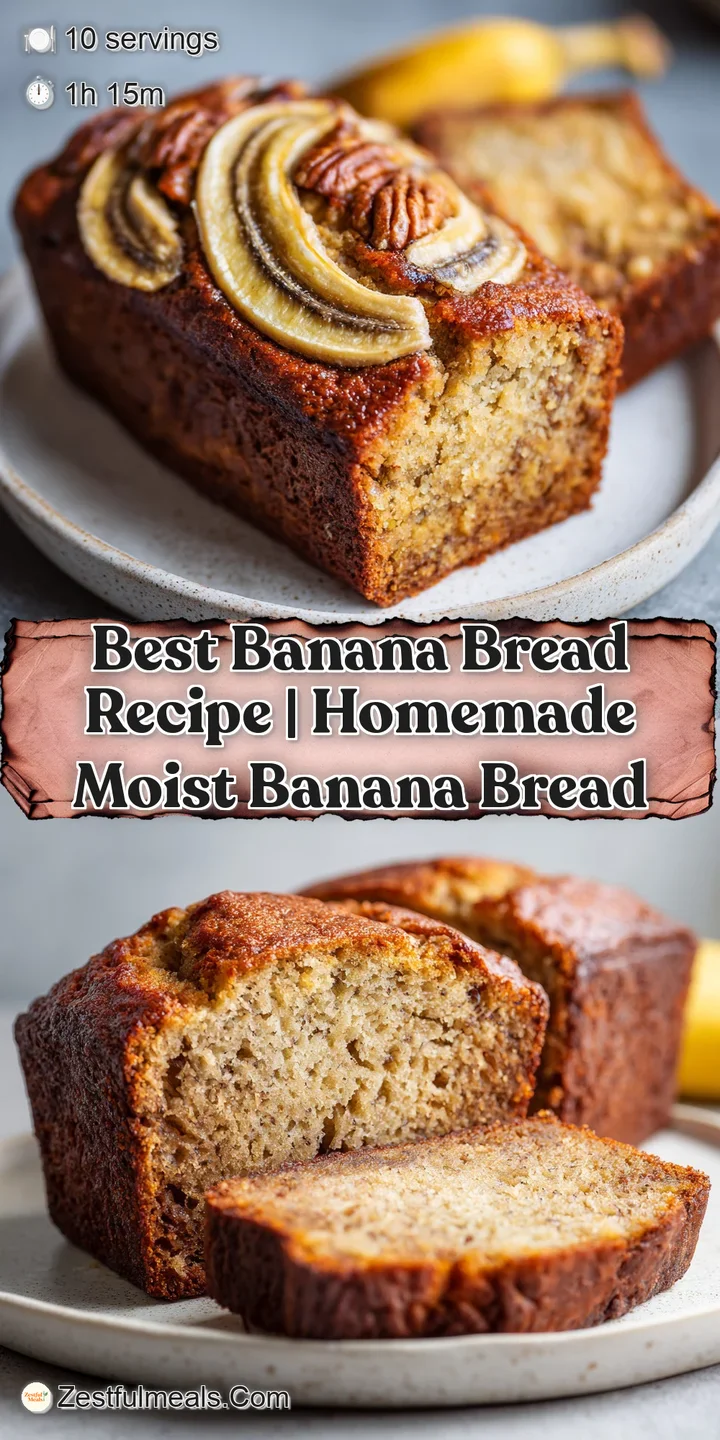
- Time: Active 15 minutes, Passive 60 minutes, Total 75 minutes
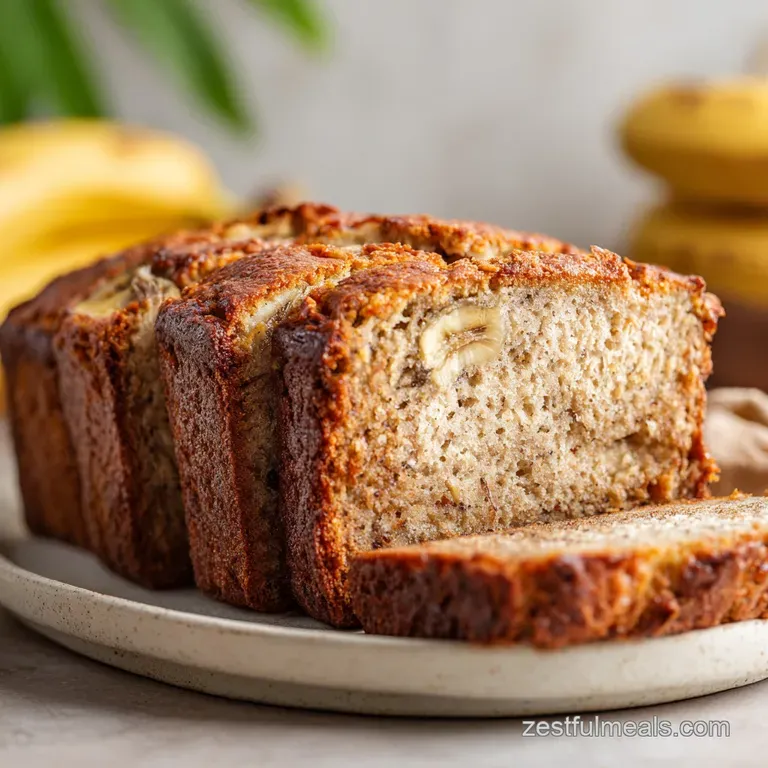
- Flavor/Texture Hook: Deeply caramelized sweetness with a velvety, moist interior
- Perfect for: Weekend baking, budget-friendly gifting, or beginner bakers
- Creating a Velvety Crumb with My Favorite Banana Bread Recipe
- Why Sour Cream and Brown Sugar Create Magic
- Understanding the Metrics for a Flawless Bake
- Gathering Essentials for a Budget Friendly Loaf
- Essential Equipment for a Perfectly Tall Rise
- From Prep to Plate: Mastering the Method
- Avoiding Kitchen Disasters and Common Failures
- Troubleshooting Common Issues
- Mix It Up with Delicious Flavor Variations
- Freezing and Reheating Your Homemade Loaf
- What to Serve with Your Warm Slices
- Recipe FAQs
- 📝 Recipe Card
Creating a Velvety Crumb with My Favorite Banana Bread Recipe
Have you ever wondered why some bananas sit on the counter for a week, turning spotted and soft, while others seem to rot overnight? There is a very specific moment in a banana's life, usually about three days past when you’d want to eat it as a snack, where it becomes liquid gold for baking.
I used to think a few brown spots were enough, but honestly, you want those skins to be almost entirely dark. That is when the starches have fully converted to sugar, and the aroma becomes so intense it practically perfumes the whole kitchen before you even peel them.
This specific banana bread recipe is the result of years of me being a self taught baker who was tired of making "banana bricks." I used to follow old recipes that resulted in a loaf that was dry by the second day. Then I realized that the secret wasn't just in the fruit, but in the fat and the acid.
By adding a little sour cream and using melted butter instead of creaming cold butter, we create a texture that is closer to a dense pound cake than a dry bread. It is the kind of recipe that makes you feel like a pro even if you have never turned on your oven before.
The first time I got this right, the smell of toasted cinnamon and caramelized sugar was so strong that my neighbors actually knocked on the door to ask what was happening. We are going for a deep, golden brown crust that has a slight crunch, protecting a center that is so soft it almost melts.
If you have been struggling with loaves that sink in the middle or feel like lead in your stomach, we are going to fix that today. Let's look at how these simple, budget friendly ingredients actually work together.
Why Sour Cream and Brown Sugar Create Magic
Understanding the "why" behind your bake is the best way to stop failing in the kitchen. When I started out, I just threw things in a bowl and hoped for the best. But baking is actually just a series of little reactions that we can control.
This recipe relies on a few specific mechanical steps to ensure that the bread stays moist without becoming heavy.
- Acidic Activation: The sour cream provides lactic acid, which reacts immediately with the baking soda to create tiny carbon dioxide bubbles. This gives us a gentle lift without needing a ton of mechanical whisking.
- Fat Barrier: Using melted butter instead of softened butter coats the flour proteins more effectively. This limits gluten development, which is why this loaf feels velvety rather than chewy like a sandwich bread.
- Sugar Hydration: Brown sugar contains molasses, which is a liquid at room temperature. This draws moisture from the air into the bread, keeping it soft for days longer than white sugar alone would.
- Starch Gelatinization: The high moisture content from the mashed fruit allows the flour starches to swell and set perfectly during that 60 minutes in the oven, creating a stable structure that won't collapse.
Before we get into the deep science of the ingredients, it is helpful to decide which method fits your current kitchen vibe. I almost always use the oven because I love the crust, but there are other ways to get this done if you are in a pinch or trying to save on your energy bill.
| Method | Time | Texture | Best For |
|---|---|---|---|
| Standard Oven | 60 minutes | Crispy edges, soft center | The classic bakery experience |
| Air Fryer | 45 minutes | Very dark crust, dense crumb | Small batches or hot summer days |
| Slow Cooker | 3 hours | Steamed, pudding like | Maximum moisture, no crust |
It is amazing how a simple change in heat source can completely alter the personality of your loaf. If you want that iconic crack down the middle and a mahogany colored exterior, stick with the 350°F oven.
The air fryer is great, but because the heat is so close to the top, you often end up with a burnt roof and a raw floor if you aren't careful with the foil.
Understanding the Metrics for a Flawless Bake
Precision is your best friend when you are a self taught cook. I used to eyeball my ingredients, but I quickly learned that a "large" banana for me might be a "medium" for you. In this banana bread recipe, we are looking for specific checkpoints to ensure the structural integrity of the loaf.
If you have too much fruit, the bread will be gummy; too little, and it will be dry.
| Component | Science Role | Pro Secret |
|---|---|---|
| Overripe Bananas | Primary hydration and natural fructose | Mash them until liquid with just a few tiny lumps for the best distribution. |
| Sour Cream | Tenderizer and acid for leavening | Use full fat for a richer mouthfeel; the fat prevents "tough" bread. |
| Baking Soda | Chemical leavener (base) | Always sift it with the flour to avoid "soapy" tasting pockets in the loaf. |
| Brown Sugar | Flavor and moisture retention | Pack it tightly in the cup to ensure you get the full 0.75 cup measurement. |
One mistake I made early on was using bananas that were just yellow. They have too much starch and not enough sugar. If your bananas aren't dark enough, you can actually bake them in their skins at 300°F for about 15 minutes until they turn black.
This forces the sugars to release, though nothing beats the natural process.
Another thing to watch is your oven temperature. Most home ovens are off by at least 10 to 15 degrees. I highly recommend getting a cheap oven thermometer. If your oven is too hot, the outside will burn before the inside is set.
If it is too cold, the bread will rise and then sink because the structure didn't "lock" in time.
Gathering Essentials for a Budget Friendly Loaf
This is a budget smart recipe, meaning we aren't using expensive extracts or imported fats. We are using pantry staples that, when combined correctly, taste like a million bucks. One of the best things about this banana bread recipe is that it is forgiving with substitutions.
I’ve included some smart swaps below that I’ve tested myself when I realized I was out of an ingredient mid bake.
- 3 medium overripe bananas: You need about 1.5 cups once they are mashed. Why this? Provides the core flavor and natural moisture for the entire loaf.
- 0.5 cup unsalted butter: Melted and cooled slightly. Why this? Melted butter creates a denser, more velvety crumb than creamed butter.
- 0.25 cup sour cream: Full fat is best. Why this? The acid reacts with the soda for a light, tender texture.
- 2 large eggs: Room temperature. Why this? Room temp eggs emulsify better into the fats for a smooth batter.
- 1.5 tsp vanilla extract: Pure or imitation. Why this? Acts like salt for sweets, enhancing the banana and cinnamon notes.
- 0.75 cup brown sugar: Packed. Why this? Adds deep caramel notes and keeps the bread moist.
- 0.25 cup granulated white sugar: Regular sugar. Why this? Helps create that slightly crisp, sparkly top crust.
- 1.5 cups all purpose flour: Spooned and leveled. Why this? The structural base; AP flour has the right protein balance.
- 1 tsp baking soda: Fresh is key. Why this? The primary rising agent that works with the sour cream.
- 0.5 tsp fine sea salt: Don't skip it! Why this? Balances the sugar and makes the banana flavor "pop."
- 0.5 tsp ground cinnamon: For warmth. Why this? Complements the floral notes of the overripe fruit.
| Original Ingredient | Substitute | Why It Works |
|---|---|---|
| Sour Cream | Greek Yogurt (Plain) | Similar acidity and fat content. Note: Result is slightly tangier. |
| Unsalted Butter | Neutral Oil (Canola/Veg) | 100% fat content. Note: Bread will be moister but lose the buttery flavor. |
| Brown Sugar | White Sugar + 1 tsp Molasses | Recreates the moisture and color of brown sugar perfectly. |
| All Purpose Flour | Whole Wheat Flour | Higher fiber. Note: Use only 50/50 mix or the loaf will be very dense. |
Using what you have on hand is the ultimate way to stay on budget. If you find yourself wanting to make this but realize you are short on fruit, you can actually use a Banana Brown Sugar Muffins approach and adjust the cook time for a smaller yield. The key is keeping that ratio of wet to dry ingredients consistent so the bake remains predictable.
Essential Equipment for a Perfectly Tall Rise
You don't need a fancy stand mixer for this. In fact, I prefer making this by hand. Over mixing is the number one enemy of a good banana bread recipe, and a stand mixer makes it way too easy to over develop the gluten. A simple bowl and a sturdy whisk are all you really need to get the job done.
I do insist on a 9x5 inch loaf pan. If you use a smaller pan, the batter might overflow or the center will never cook through. If you use a larger pan, your loaf will be flat and sad. I also swear by parchment paper.
Making a "sling" by letting the paper hang over the long sides of the pan allows you to lift the loaf out effortlessly. No more praying that the bottom doesn't stick!
When it comes to mashing the bananas, a simple dinner fork works, but a potato masher is even faster. I like to leave a few small lumps of banana in the batter because they turn into little pockets of jam like sweetness during the bake. It adds a lovely texture that you just don't get with a completely smooth puree.
From Prep to Plate: Mastering the Method
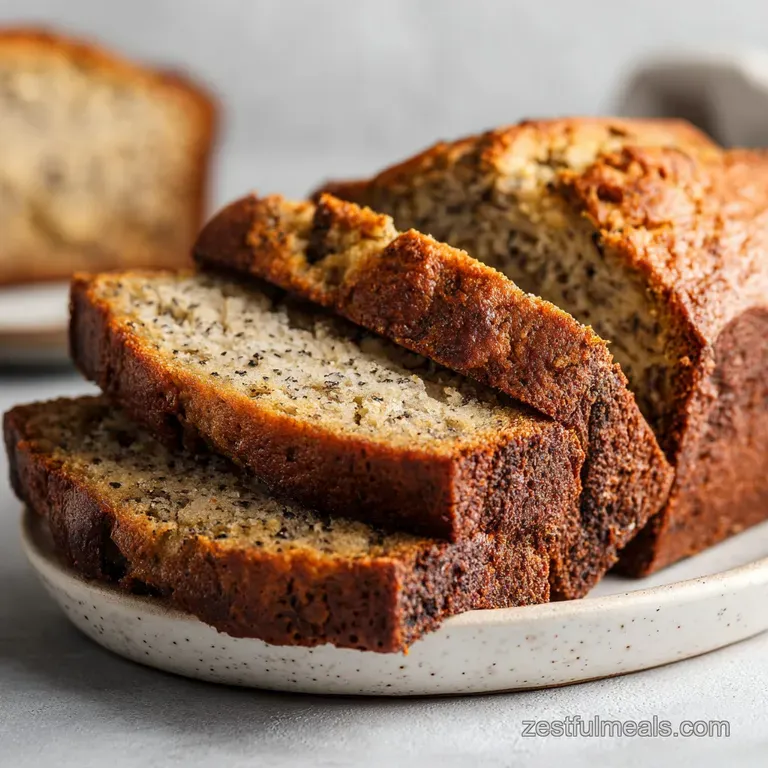
Now, let's get into the actual cooking. Follow these steps closely, especially the parts about not over mixing. We want to treat the batter gently once the flour hits the wet ingredients.
- Preheat and prep: Set your oven to 350°F (175°C). Grease your 9x5 inch loaf pan and line it with a parchment paper sling. Note: The sling prevents the edges from tearing when you remove the hot loaf.
- Mash the fruit: In a large mixing bowl, mash the 3 medium overripe bananas until they are mostly liquid with just a few small lumps.
- Combine fats and sugars: Whisk the 0.5 cup melted (and cooled) butter into the bananas. Add the 0.75 cup brown sugar and 0.25 cup white sugar, whisking until the mixture looks glossy.
- Build the emulsion: Whisk in the 2 eggs one at a time. Then, stir in the 0.25 cup sour cream and 1.5 tsp vanilla extract until the color is uniform.
- Sift the dry: In a separate smaller bowl, whisk together the 1.5 cups flour, 1 tsp baking soda, 0.5 tsp salt, and 0.5 tsp cinnamon.
- The gentle fold: Add the dry ingredients to the wet. Use a spatula to fold until you see no more streaks of white flour. Do not use a whisk here!
- Add ins (optional): If you are using 0.5 cup chocolate chips or walnuts, fold them in now with just two or three strokes.
- Transfer the batter: Pour everything into your prepared pan. Smooth the top with your spatula until it is level.
- The long bake: Place in the center of the oven for 60 minutes. Bake until a toothpick comes out with only a few moist crumbs attached.
- Cooling phase: Let the bread sit in the pan for 10 minutes until the structure firms up, then lift it out using the parchment sling to cool on a wire rack.
One of the most important things is that 10 minute rest in the pan. If you try to take it out immediately, the steam inside hasn't finished setting the starches, and the loaf might collapse or break in half. Patience is a key ingredient here!
Avoiding Kitchen Disasters and Common Failures
Even the most seasoned bakers have days where things go wrong. I once forgot the baking soda entirely and ended up with a banana flavored tile. It happens! The good news is that most issues with a banana bread recipe are caused by one of three things: temperature, mixing technique, or fruit moisture.
Troubleshooting Common Issues
| Issue | Solution |
|---|---|
| Why Your Bread Sinks in the Middle | This is usually a case of the "oven door peeker." If you open the oven too early, the sudden drop in temperature causes the air bubbles to cool and shrink before the flour structure is strong enough t |
| Why Your Bread is Tough or Rubbery | If your loaf feels more like a bagel than a cake, you likely over mixed the batter. When you stir flour into wet ingredients, you start developing gluten. A little gluten is good for structure, but to |
| Why the Center is Still Raw | Banana bread is very dense, so it takes a long time for heat to reach the middle. If the top is getting too dark but the center is still liquid, tent the pan loosely with aluminum foil for the last 15 |
Mix It Up with Delicious Flavor Variations
Once you have mastered the base banana bread recipe, you can start getting creative. I usually stick to the classic version, but sometimes the pantry offers up some fun additions. The trick is to not add too much "extra" moisture, or you will throw off the chemistry we worked so hard to balance.
For a Healthy Banana Bread Recipe
You can swap half of the all purpose flour for oat flour or whole wheat pastry flour. This adds a nutty depth and more fiber. If you want to reduce the sugar, you can cut the granulated sugar out entirely and just use the 0.75 cup brown sugar, though the crust won't be as crisp.
For an Easy Banana Bread Recipe with a Crunch
Add 0.5 cup of toasted walnuts or pecans. Toasting them in a dry pan for 3 minutes before adding them to the batter makes a massive difference in flavor. You can also sprinkle a tablespoon of coarse "turbinado" sugar on top before baking for a bakery style crunch.
The "Better Than Cafe" Chocolate Version
If you have a chocolate craving, fold in 0.5 cup of semi sweet chocolate chips. I also like to add 1 tablespoon of dark cocoa powder to the dry ingredients. If you do this, add an extra tablespoon of sour cream to account for the drying effect of the cocoa.
If you find yourself with extra bananas but don't want a full loaf, I highly recommend trying an Apple Banana Smoothie for a quick breakfast. It uses the same overripe fruit principle but in a completely different format.
Freezing and Reheating Your Homemade Loaf
One of the best things about this recipe is how well it stores. In fact, many people (including me!) think it tastes better on the second day because the moisture from the bananas distributes more evenly through the crumb.
- Countertop
- Wrap tightly in plastic wrap or keep in an airtight container for up to 4 days.
- Fridge
- You can keep it in the fridge for up to a week, but it can dry out the crumb. If you do this, I recommend toasted a slice before eating.
- Freezer
- This bread freezes beautifully. Wrap the whole loaf (or individual slices) in plastic wrap, then a layer of foil. It stays fresh for up to 3 months.
Zero Waste Tips: If you have a few slices that have gone a bit stale, don't throw them away! Banana bread makes the world's best French toast. Just dip the slices in a standard egg and milk mixture and fry them in butter.
The sugars in the bread caramelize into a crispy crust that is absolutely incredible. You can also crumble old banana bread over vanilla ice cream for a quick sundae.
What to Serve with Your Warm Slices
When the loaf is finally cool enough to slice, you have some choices to make. While it is perfect on its own, a few simple additions can turn it into a full brunch experience. I’m a purist, so I usually just go with a thick slab of salted butter that melts into the warm crumb.
If you are serving this for guests, a dollop of lightly sweetened whipped cream and some fresh berries on the side looks beautiful. For a more decadent dessert, try warming a slice in the oven and drizzling it with a little bit of maple syrup or honey.
| Choice | Fresh Loaf | Shortcut/store-bought |
|---|---|---|
| Flavor Depth | Deep, complex caramel and real fruit | Often tastes like artificial banana flavoring |
| Texture | Velvety and moist with real fruit bits | Can be spongy or overly airy like cake |
| Cost | Roughly $3.00 for the whole loaf | Usually $6.00 - $8.00 at a bakery |
Decision Shortcut: If you want a richer flavor, use 100% brown sugar and extra cinnamon. If you want a lighter texture, whisk your eggs for 2 minutes before adding them to the batter to incorporate more air.
If you want a sweeter crust, sprinkle white sugar and a pinch of salt on top before the pan goes into the oven.
I really hope this becomes your go to loaf. It is a reliable, budget friendly way to make sure no fruit ever goes to waste in your house again. Happy baking!
Recipe FAQs
What is the secret to the best banana bread?
Use heavily spotted, overripe bananas. These contain more sugar and natural moisture, which creates the superior flavor profile needed for a moist crumb.
What is the number one mistake made when making banana bread?
Overmixing the batter is the biggest culprit. Once the flour hits the wet ingredients, stir only until combined; otherwise, you develop excess gluten, resulting in a tough, rubbery loaf rather than a tender one.
Is brown sugar or white sugar better for banana bread?
Using a blend is best. The brown sugar provides necessary moisture and a deeper molasses note, while the white sugar ensures the crust browns beautifully and helps define the structure.
What is the formula for banana bread?
Combine 1.5 cups mashed bananas, 0.5 cup melted butter, 1 cup total sugars, 2 eggs, 0.25 cup sour cream, and 1.5 cups flour. Incorporate these with your baking soda, salt, and cinnamon to create the standard ratio for a balanced, structural loaf.
Is it true I should open the oven to check the bread halfway through?
No, this is a common misconception. Opening the door prematurely causes a temperature drop that can make the center collapse, so keep the door closed until the final minutes of the 60-minute bake time.
How to ensure the bread doesn't stick to the pan?
Grease the pan thoroughly and use a parchment paper sling. If you enjoyed mastering the clean release technique here, the same approach is essential for our apple blueberry crisp to ensure easy serving.
How to tell if the banana bread is fully baked?
Insert a toothpick into the center of the loaf. The bread is done when the toothpick comes out clean or with only a few moist crumbs attached after the full 60 minutes in the 350°F oven.
Moist Banana Bread 2
Ingredients:
Instructions:
Nutrition Facts:
| Calories | 291 kcal |
|---|---|
| Protein | 3.9 g |
| Fat | 11.7 g |
| Carbs | 43.9 g |
| Fiber | 1.6 g |
| Sugar | 24.8 g |
| Sodium | 248 mg |
