Mu Shu Chicken with Velvety Chicken
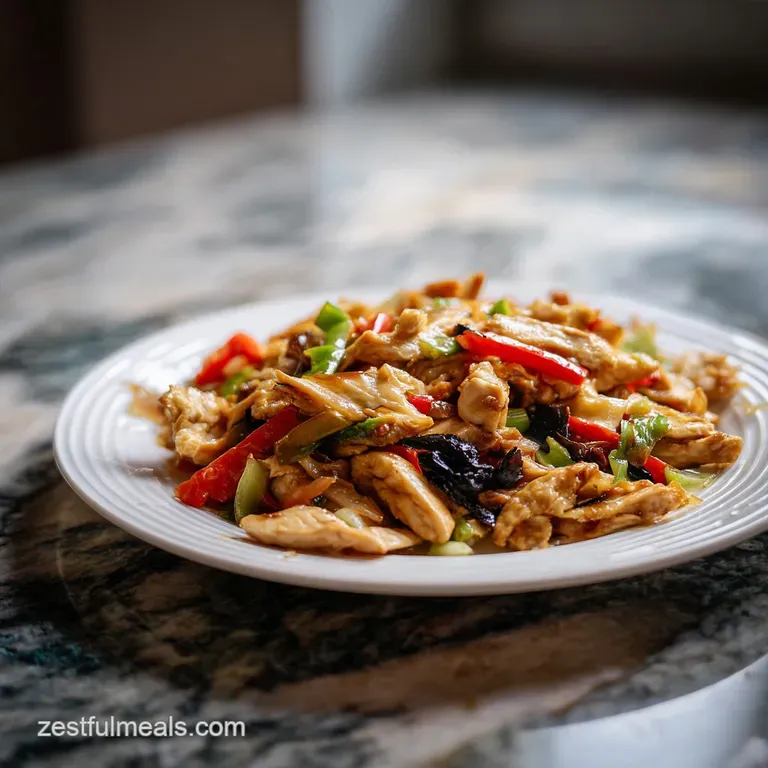
- Time: Active 20 minutes, Passive 10 minutes, Total 30 minutes
- Flavor/Texture Hook: Velvety chicken paired with earthy, snappy mushrooms
- Perfect for: Quick weeknight dinner or kid friendly interactive meals
- Why This Homemade Mu Shu Chicken Works
- Deep Dive into Component Science
- Essential Ingredients for Savory Chicken
- Tools for the Perfect Sear
- Mastering the Stir Fry Process
- Avoiding Soggy Cabbage and Dry Meat
- Adjusting for Different Group Sizes
- Debunking Traditional Cooking Myths
- Storage and Zero Waste
- What to Serve with Your Meal
- Very High in Sodium
- Recipe FAQs
- 📝 Recipe Card
Why This Homemade Mu Shu Chicken Works
The second that thin sliced ginger hits the hot oil, your kitchen transforms. There is a specific, sharp aroma that cuts through the air, followed by the rhythmic shloop of the wooden spoon against the pan.
I remember the first time I tried making this for my kids; I was terrified they would push the wood ear mushrooms to the side of the plate. Instead, they treated the Mandarin pancakes like tiny tacos, stuffing them full and asking for seconds before I’d even finished my own serving.
It was a massive win for a budget conscious mom trying to skip the $60 delivery bill.
We’ve all had that stir fry where the meat is tough as a boot and the vegetables are a sad, watery mess. This version solves those headaches by focusing on the order of operations. We aren't just throwing everything in a pot and hoping for the best.
We are building layers of flavor, starting with a quick marinade that protects the chicken from the harsh heat of the pan. It's about that contrast between the soft, scrambled eggs and the "shatter" of the fresh cabbage.
You don't need a professional grade wok or a blowtorch to get this right. Most nights, I just use my heavy bottomed stainless steel skillet and it turns out beautifully. The goal is a dish that feels special but fits into the chaotic window between soccer practice and bedtime.
By the time the table is set, you’ll have a pile of savory, umami rich filling ready to be swiped with extra hoisin and rolled into warm, pillowy pancakes.
Protective Velveting: Cornstarch and egg white create a physical barrier around the meat, preventing the proteins from tightening up and becoming rubbery under high heat.
Cellular Integrity: Adding the cabbage at the very last moment ensures the heat only softens the outer layer while the core remains crispy, preventing the dish from becoming a "slaw."
Emulsified Glaze: The sugar and hoisin react with the residual moisture from the mushrooms to create a glossy, clingy sauce that coats rather than pools at the bottom.
Aromatic Infusion: Mincing the garlic and ginger finely increases the surface area, allowing the neutral oil to carry those flavors into every single strand of cabbage.
| Cooking Method | Total Time | Final Texture | Best For |
|---|---|---|---|
| over High heat Wok | 8 minutes | Charred and smoky | Experienced cooks |
| Large Skillet | 12 minutes | Evenly browned | Busy weeknights |
| Electric Griddle | 15 minutes | Softer, uniform | Batch cooking |
The skillet method is my personal favorite because it provides enough surface area to prevent the cabbage from steaming. If you crowd the pan too much, you lose that signature snap. I usually tell my friends to work in two batches if their pan is smaller than 12 inches.
It adds three minutes to the clock but makes a world of difference in the final bite.
Deep Dive into Component Science
Understanding why we use specific items helps you become a more intuitive cook. For example, if you've ever wondered why restaurant chicken is so much softer than home cooked strips, it all comes down to the pH balance and the starch coating we're using here.
This isn't just about flavor; it's about the physics of heat transfer and moisture retention in a very hot pan.
| Ingredient | Science Role | Pro Secret |
|---|---|---|
| Cornstarch | Moisture Barrier | Mix with the soy sauce first to avoid white clumps in your final stir fry. |
| Dried Wood Ear | Structural Contrast | These don't add much flavor, but their unique "snap" provides essential texture. |
| Egg White | Protein Binding | Acts as a glue for the cornstarch, creating a silky "skin" on the chicken strips. |
| Rice Vinegar | Acid Balance | Brightens the heavy umami of the hoisin and cuts through the richness of the eggs. |
When you're prepping, try to cut everything into uniform "matchsticks." It might seem tedious, but it ensures that every forkful has a bit of everything. If you enjoy this style of quick cooking protein, you might also like the technique used in my Chicken Chow Mein recipe which also relies on high heat and fast movement.
Essential Ingredients for Savory Chicken
Gather your items before you turn on the stove. Stir frying happens too fast to be hunting for the vinegar while the garlic is browning. Use the exact quantities below to ensure the sauce to vegetable ratio is spot on.
- 1 lb chicken breast: Sliced into thin 1 inch strips. Why this? Breast meat is lean and soaks up the savory marinade flavors perfectly.
- Substitute: Pork tenderloin or firm tofu strips.
- 1 tbsp cornstarch: For the velveting process.
- Substitute: Arrowroot powder for a similar glossy finish.
- 3 tbsp soy sauce: Divided (2 tbsp for marinade, 1 tbsp for sauce).
- Substitute: Tamari if you need a gluten-free option.
- 2 tbsp rice vinegar: Divided (1 tbsp for marinade, 1 tbsp for sauce).
- Substitute: Apple cider vinegar (adds a slight fruitiness).
- 1 egg white: Beaten until slightly frothy.
- Substitute: 1 tbsp of heavy cream or omit if necessary.
- 3 tbsp hoisin sauce: The primary flavor base.
- Substitute: A mix of BBQ sauce and a splash of soy.
- 1 tsp toasted sesame oil: For that nutty finish.
- Substitute: Peanut oil if you want a milder flavor.
- 1 tsp sugar: To balance the salt.
- Substitute: Honey or brown sugar.
- 3 large eggs: Lightly beaten for the scramble.
- Substitute: Just Egg (plant based) for a vegan friendly swap.
- 4 cups green cabbage: Thinly shredded. Why this? It provides the bulk and the crunch of the dish.
- Substitute: Napa cabbage (softer) or bagged coleslaw mix.
- 1 cup shiitake mushrooms: Sliced thin.
- Substitute: Cremini or button mushrooms.
- 0.5 cup dried wood ear mushrooms: Rehydrated and sliced.
- Substitute: Extra shiitakes or sliced bamboo shoots.
- 2 tsp fresh ginger: Minced finely.
- Substitute: 0.5 tsp ground ginger (though fresh is far superior).
- 3 cloves garlic: Minced.
- Substitute: 1 tsp garlic powder in a pinch.
- 4 green onions: Cut into 2 inch lengths.
- Substitute: Chives or thin sliced shallots.
- 2 tbsp neutral oil: For frying (canola, vegetable, or grapeseed).
- 12 Mandarin pancakes: For serving.
- Substitute: Small flour tortillas or large lettuce cups.
Chef's Tip: Put your chicken breast in the freezer for about 15 minutes before slicing. This firms up the muscle fibers, allowing you to get those restaurant thin, uniform strips without the meat sliding around under your knife.
Tools for the Perfect Sear
You don't need a pantry full of gadgets, but two specific items will make your life much easier. First, a high-quality chef's knife is non negotiable for all that shredding. Second, a large surface area for cooking is your best friend.
2 Must Have Tools
- Wide Skillet or Wok: A 12 inch stainless steel or carbon steel pan is ideal. Avoid non stick if possible, as it doesn't allow the meat to develop those brown, flavorful bits (the fond) that we want.
- Spider Strainer or Slotted Spoon: You’ll be removing the eggs and the chicken at different stages. A spider allows you to lift the food while leaving the hot oil in the pan for the next step.
Mastering the Stir Fry Process
Success here is all about the "Mise en Place." That's just a fancy way of saying "get your stuff ready." Once the heat is on, you won't have time to chop.
- Marinate the protein. In a medium bowl, whisk 1 tbsp cornstarch, 2 tbsp soy sauce, 1 tbsp rice vinegar, and the egg white. Toss the 1 lb chicken strips in this mixture until fully coated and slippery. Let it sit for 10 minutes.
- Hydrate the mushrooms. Place the 0.5 cup dried wood ear mushrooms in hot water. Let them soak for 15 minutes until they are soft and pliable. Drain and slice them into thin ribbons.
- Prepare the sauce. In a small jar, whisk together 3 tbsp hoisin sauce, 1 tbsp soy sauce, 1 tbsp rice vinegar, 1 tsp toasted sesame oil, and 1 tsp sugar. Note: This ensures the sugar dissolves before hitting the hot pan.
- Scramble the eggs. Heat 1 tsp of neutral oil in your pan over medium high heat. Pour in the 3 beaten eggs and cook for 1 minute until just set but still soft. Remove from the pan and set aside.
- Sear the chicken. Wipe the pan, add 1 tbsp oil, and increase heat to high. Add the chicken in a single layer. Cook for 3 minutes until the edges are opaque and slightly golden. Remove chicken and keep with the eggs.
- Bloom the aromatics. Add the remaining oil to the pan. Toss in the 2 tsp minced ginger and 3 cloves minced garlic. Stir fry for 30 seconds until you smell a sharp, nutty aroma.
- Sauté the vegetables. Throw in the 4 cups shredded cabbage, 1 cup sliced shiitakes, and the rehydrated wood ear mushrooms. Cook for 3 minutes until the cabbage starts to wilt but still holds its shape.
- Combine everything. Return the chicken and eggs to the pan. Pour the prepared sauce over the mixture. Toss vigorously for 2 minutes until the sauce is bubbly and everything is glazed.
- Finish with greens. Stir in the 4 green onions and cook for 30 seconds until they turn bright green.
- Serve immediately. Warm the 12 Mandarin pancakes in a steamer or microwave and serve the Mu Shu Chicken family style in the center of the table.
If you love the flavor profile of this marinade, you should definitely try the Char Siu Chicken recipe for your next weekend BBQ. It uses a similar sweet and savory base but with a smoky twist.
Avoiding Soggy Cabbage and Dry Meat
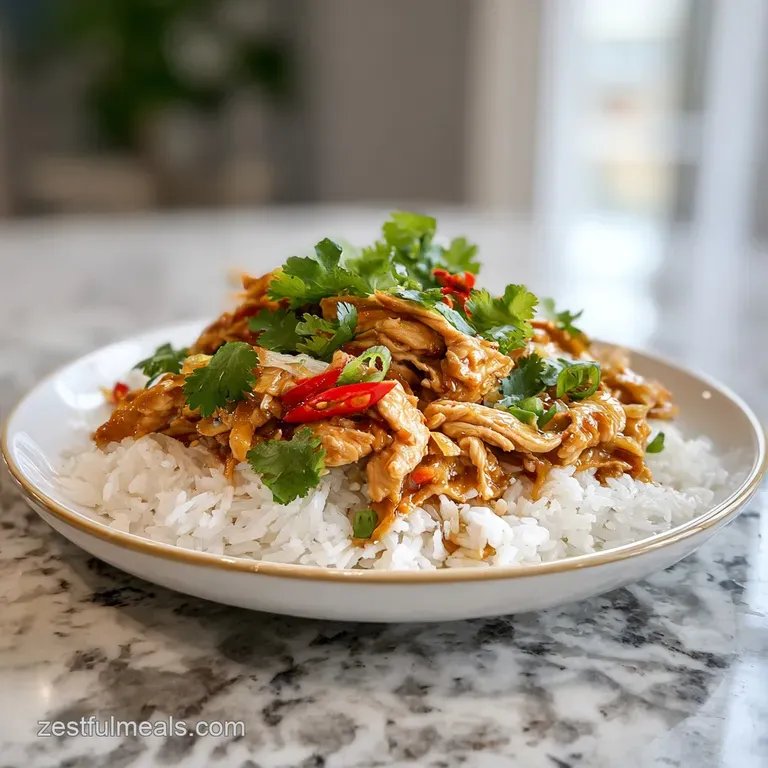
The most common frustration with home stir fry is a pool of liquid at the bottom of the dish. This usually happens because the pan wasn't hot enough, or too much salt was added too early, drawing the water out of the vegetables.
Why Your Cabbage is Watery
If your stir fry looks more like a soup, your pan temperature likely dropped too low when you added the vegetables. Cabbage is mostly water; if it doesn't sear immediately, it boils in its own juices. Always make sure the pan is wispy with smoke before the greens hit the metal.
| Problem | Root Cause | Solution |
|---|---|---|
| Rubbery Chicken | Overcooked or no marinade | Use the egg white/cornstarch velveting step and only cook until just opaque. |
| Bland Sauce | Sugar didn't dissolve | Whisk the sauce components thoroughly in a separate bowl before adding to the heat. |
| Tough Mushrooms | Wood ears not soaked long enough | Use boiling water for soaking to speed up the rehydration of the fibers. |
Common Mistakes Checklist
- ✓ Pat the chicken dry with a paper towel before adding it to the marinade to help the cornstarch stick.
- ✓ Don't skip the wood ear mushrooms if you can help it; the texture is half the experience.
- ✓ Keep the egg scramble slightly "underdone" as they will finish cooking when added back at the end.
- ✓ Use a neutral oil with a high smoke point; olive oil will burn and turn bitter at these temperatures.
- ✓ Shred the cabbage yourself rather than using pre cut; the fresher moisture content creates a better sear.
Adjusting for Different Group Sizes
This recipe is incredibly easy to scale, but you have to be careful with the moisture levels. If you are doubling the recipe, do not try to cook it all at once in one pan.
Scaling Down (2 Servings): Use 0.5 lb of chicken and a single large egg. You can still use the full amount of ginger and garlic because those aromatics are hard to "overdo." Reduce the cook time by about 2 minutes total to prevent the smaller portion from drying out.
Scaling Up (8 Servings): This is where people get into trouble. If you double the cabbage to 8 cups, it will definitely steam. Cook the chicken in two separate batches, then cook the vegetables in two batches. Combine everything in a large bowl at the end and toss with the sauce.
Keep the spices at 1.5x rather than a full 2x to avoid overwhelming the palate.
| Servings | Chicken Amount | Cabbage Volume | Pan Strategy |
|---|---|---|---|
| 2 People | 0.5 lb | 2 cups | Standard 10 inch skillet |
| 4 People | 1.0 lb | 4 cups | 12 inch skillet or Wok |
| 8 People | 2.0 lb | 8 cups | Work in two full batches |
Debunking Traditional Cooking Myths
Many people believe you need "Wok Hei" (the breath of the wok) to make this dish taste authentic. While that smoky flavor is lovely, it's actually the result of specialized high BTU burners.
At home, you can achieve a similar depth of flavor simply by letting the chicken sit undisturbed for an extra 60 seconds to get a deep brown crust.
Another myth is that you must use Mandarin pancakes. While they are the traditional choice, they can be hard to find in a standard grocery store. Using thin flour tortillas is a perfectly acceptable "hack" that busy families use all the time.
Just make sure to steam them so they are soft and pliable rather than toasted and crunchy.
Storage and Zero Waste
Mu Shu Chicken actually holds up surprisingly well as leftovers because the cabbage is hardy. Store the filling in an airtight container in the fridge for up to 3 days. When reheating, do it in a dry skillet over medium heat rather than the microwave; this helps re crisp the vegetables and keeps the chicken from getting that "rubbery" texture.
Freezing: You can freeze the cooked filling for up to 2 months. However, be aware that the cabbage will lose its crunch after thawing. It's better to freeze the marinated raw chicken and then just stir fry fresh vegetables when you're ready to eat.
Zero Waste Tip: Don't throw away those broccoli stalks or the core of the cabbage. Peel the tough outer layer of the broccoli stems, slice them into matchsticks, and toss them into the stir fry. They have a wonderful sweetness and crunch that fits right in. Also, any leftover sauce can be used as a marinade for Baked Chicken Wings recipe later in the week!
What to Serve with Your Meal
To keep things simple, I usually serve this as a standalone dish since it already contains protein, veggies, and carbs (the pancakes). However, if you have a very hungry family, a side of fluffy jasmine rice or some simple smashed cucumber salad adds a nice cooling contrast to the savory hoisin sauce.
If you’re hosting a dinner party and want to go all out, pairing this with a batch of Chicken Skewers recipe provides a different texture and a bit of charred flavor that complements the stir fry perfectly. Just remember to keep the napkins handy eating Mu Shu is a gloriously messy affair that everyone will love.
Very High in Sodium
1140 mg 1140mg of sodium per serving (50% 50% of daily value)
The American Heart Association recommends limiting sodium intake to about 2,300mg per day for overall cardiovascular health.
Smart Swaps to Lower Sodium
-
Low-Sodium Soy Sauce-20%
Swap regular soy sauce with a low-sodium alternative. This can significantly reduce the sodium content without sacrificing flavor.
-
Dilute Sauces-15%
Dilute the hoisin sauce with a little water or rice vinegar. This reduces the sodium concentration while maintaining the sauce's signature taste.
-
Homemade Hoisin-15%
Prepare homemade hoisin sauce with a low-sodium recipe that omits or reduces salt. This provides greater control over the sodium content.
-
Fresh Mushrooms-10%
Use only fresh shiitake mushrooms and omit the dried wood ear mushrooms or use a low-sodium variety of dried mushrooms if available, as they often contain added salt during processing.
-
Egg Whites Only-5%
While egg whites themselves are very low in sodium, consider reducing the amount used in the egg pancake. You can also skip the egg pancakes entirely.
-
Flavor Boost
Enhance the dish's flavor with fresh herbs like cilantro or chives, and spices like white pepper or ginger powder. These sodium free additions elevate the taste without increasing sodium intake.
Recipe FAQs
What is Mu Shu Chicken?
It is a classic Szechuan style stir fry featuring thinly sliced, velveted chicken tossed with shredded cabbage, wood ear mushrooms, eggs, and a savory hoisin based sauce, traditionally served wrapped in thin Mandarin pancakes.
What does "Mu Shu" mean in Chinese?
It generally refers to the wood ear mushroom, which is a key, textural ingredient in the dish.
The name comes from the Chinese word for osmanthus flower, possibly because the finished dish resembles scattered petals, though the mushrooms are the most defining component besides the wrap.
Is Chinese Moo Shu healthy?
Yes, when made at home, it can be a very balanced meal. Restaurant versions are often higher in oil and sugar, but this recipe emphasizes lean protein and fresh vegetables.
Focus on using minimal oil during the sear, and balance the sweetness of the hoisin sauce with fresh rice vinegar.
What is the difference between Moo Shu and Moo Goo Gai Pan?
Moo Shu is defined by its savory, dark sauce and the use of thin pancakes for wrapping. Moo Goo Gai Pan is a lighter dish that features a white, cornstarch thickened sauce and is served over rice, usually without wrappers.
Moo Shu centers on texture contrast, whereas Moo Goo Gai Pan emphasizes the gentle, steamed quality of the ingredients.
How do I keep the chicken tender (velveting)?
Toss the sliced chicken in a mixture of cornstarch, egg white, and soy sauce before cooking. This process coats the meat, creating a barrier that protects the proteins from the high heat of the wok or skillet.
If you enjoyed mastering this quick protein coating technique, see how the same principle of surface area protection applies to developing the crust on our Chicken and Shrimp recipe when searing.
Can I make this recipe without wood ear mushrooms?
Yes, but you should substitute them to maintain the signature texture. The wood ear mushroom provides a non-negotiable 'snap' or crunch that contrasts the softness of the egg and chicken.
Use sliced bamboo shoots or extra shiitake mushrooms, but be aware the mouthfeel will be slightly different from the classic version.
What is the best way to cook the pancakes if I can't steam them?
Warm them individually in the microwave for 10-15 seconds wrapped in a damp paper towel. This infuses just enough moisture to make them soft and pliable for rolling.
If you prefer a dry heat application similar to making wraps, use a dry skillet over medium heat for about 30 seconds per side before serving.
Mu Shu Chicken In 30 Minutes
Ingredients:
Instructions:
Nutrition Facts:
| Calories | 518 calories |
|---|---|
| Protein | 41.8 g |
| Fat | 18.4 g |
| Carbs | 46.2 g |
| Fiber | 4.1 g |
| Sugar | 9.5 g |
| Sodium | 1140 mg |
