Pickled Peppadew Peppers: Zippy & Sweet
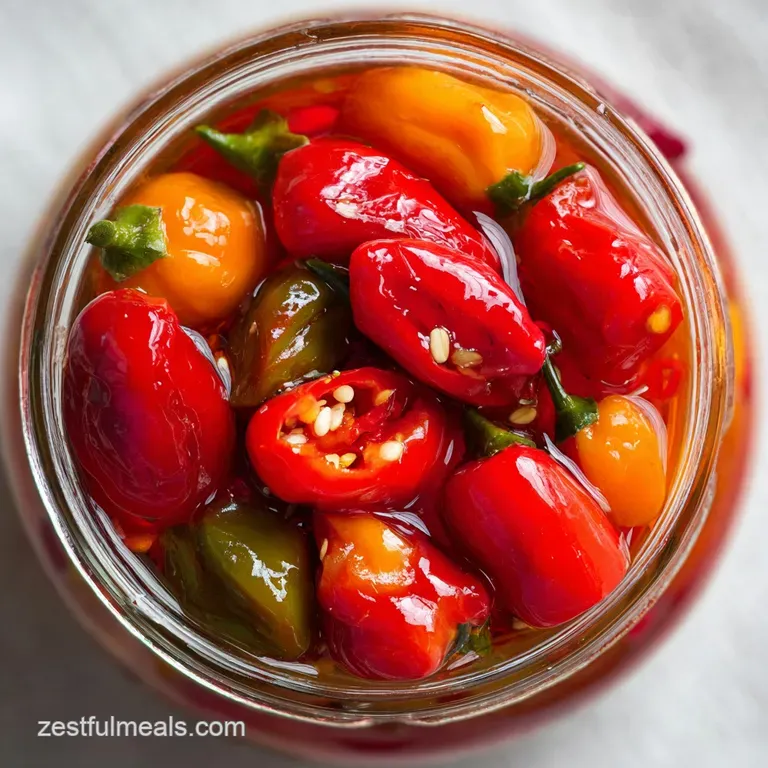
- Time: Active 20 minutes, Passive 10 minutes, Total 30 minutes
- Flavor/Texture Hook: Snap crisp texture with a syrupy, tangy finish
- Perfect for: Budget conscious entertaining or upgrading weeknight charcuterie
- Creating the Perfect Tangy Crunch with Pickled Peppadew Peppers
- The Osmotic Snap of the Piquanté
- Planning Your Batch for Parties or Family Snacks
- Component Analysis of the Brine
- Everything You Need for a Batch of Sweet Piquanté Bliss
- Minimal Tools Required for Maximum Deli Style Results
- Step-by-Step Guide to Brining and Jarring Your Harvest
- How to Prevent Sogginess and Maintain Vibrant Color
- Scaling the Recipe for Any Occasion
- Debunking Pickling Misconceptions
- Long-Term Keeping and Refreshing Your Homemade Stash
- Brilliant Pairings to Make Your Pickles the Star
- Recipe FAQs
- 📝 Recipe Card
Creating the Perfect Tangy Crunch with Pickled Peppadew Peppers
Have you ever stood at the grocery store olive bar, staring at that $14 per pound price tag for those tiny red peppers? I used to grab a container, fill it halfway, and then experience immediate buyer's remorse at the checkout.
My kids absolutely inhale them, but my wallet just couldn't keep up with the "pepper tax." One afternoon, after finding a bag of fresh piquanté peppers at the local market for next to nothing, I decided the overpriced deli days were over.
The kitchen smelled like a vinegar soaked dream as I experimented with the brine, trying to nail that specific balance of sweetness and heat that makes them so addictive.
The first batch I made was... well, it was a learning experience. I didn't remove the seeds well enough, and we all ended up breathing fire for twenty minutes. But after a few tweaks to the sugar ratio and adding a little secret ginger kick, I finally got it.
This version is better than the store-bought ones because you control the crunch. No more soggy, sad peppers from a jar that has been sitting on a shelf since last Christmas. We are talking about bright, vibrant, "pop in-your mouth" goodness that costs pennies compared to the pre made stuff.
If you are looking for a way to make your cheese boards look like they cost a fortune without actually spending one, this is your secret weapon. I love making a big batch on a Sunday afternoon while the kids are busy, then tucking them into the fridge.
They turn a boring Tuesday night salad into something that feels special, and they are the first thing to disappear when we have friends over. Let's get into how we make these work on a family budget while keeping those high end results we all crave.
The Osmotic Snap of the Piquanté
Sugar Saturation: A high concentration of granulated sugar creates an osmotic environment that draws excess water out of the pepper walls, which prevents them from becoming mushy during the hot pour process.
Acetic Acid Equilibrium: The 5% acidity in the apple cider vinegar works to denature enzymes that would otherwise cause the peppers to brown, ensuring they stay a bright, vivid red.
| Premium Ingredient | Budget Alternative | Flavor Impact | Savings |
|---|---|---|---|
| White Balsamic Vinegar | Apple Cider Vinegar | Slightly fruitier, more robust tang | Save $4-6 |
| Honey | Granulated White Sugar | Thicker syrup, but sugar is cleaner | Save $3-5 |
| Fresh Peppicorns | Pre ground Black Pepper | Ground pepper makes brine cloudy | Save $1 |
Finding ways to save money shouldn't mean sacrificing the "snap" of your vegetable. Using apple cider vinegar is actually my preferred move here because it adds a depth of flavor that plain white vinegar lacks, but it is far cheaper than the fancy aged stuff.
You get that beautiful golden hue in the brine and a mellow acidity that plays nicely with the sugar.
Planning Your Batch for Parties or Family Snacks
When you are prepping for a crowd, it helps to know exactly how much you need to buy so you aren't left with half a bag of peppers wilting in the crisper drawer. This recipe makes quite a bit, but trust me, they go fast once people realize they aren't the spicy "trap" peppers they might be expecting.
| Servings | Ingredient Adjustments | Jar Size | Total Time |
|---|---|---|---|
| 16 People | 0.5 lb peppers, 0.75 cup ACV | 1 Pint | 20 minutes |
| 32 People | 1 lb peppers, 1.5 cups ACV | 1 Quart | 30 minutes |
| 64 People | 2 lbs peppers, 3 cups ACV | 2 Quarts | 45 minutes |
Since we are aiming for that deli style quality, I always recommend sticking to the quart sized jars if you are making the full pound. It gives the peppers enough room to swim in the brine without being crushed. If you find yourself with extra brine, don't throw it out!
It makes a killer base for a vinaigrette or a marinade for chicken later in the week.
Component Analysis of the Brine
| Ingredient | Science Role | Pro Secret |
|---|---|---|
| Apple Cider Vinegar | Preservative & Flavor | Use 5% acidity to ensure safety and the right "bite." |
| Granulated Sugar | Textural Guard | Sugar keeps the pepper walls firm; don't skip it for "diet" versions. |
| Kosher Salt | Moisture Extractant | Draws out the internal juices so the brine can penetrate deeply. |
| Fresh Ginger | Aromatic Bridge | Ginger highlights the natural fruitiness of the piquanté pepper. |
You really want to make sure you use a non reactive pot when boiling this mixture. Stainless steel or enamel coated cast iron is your best friend here. If you use reactive metals like aluminum, your brine might end up tasting like a tin can, and nobody wants that.
It's these little budget friendly details that make the difference between a "home project" and a professional grade snack.
Everything You Need for a Batch of Sweet Piquanté Bliss
To get that authentic Pickled Peppadew Peppers flavor, we have to be specific with our components. I’ve tried swapping things around to save a buck, and these are the ones that actually work without ruining the vibe.
- 1 lb fresh piquanté peppers: Look for firm, shiny skins without wrinkles. Why this? Freshness is the only way to guarantee that "shatter" crunch.
- 1.5 cups apple cider vinegar (5% acidity): This provides the tang. Why this? It's cheaper than balsamic but offers more character than white vinegar.
- 1.25 cups granulated white sugar: This is a lot, but it’s necessary for the syrup. Why this? It balances the heat and preserves the pepper texture.
- 0.5 cup filtered water: To mellow the acid. Why this? Prevents the vinegar from over softening the peppers.
- 1 tbsp kosher salt: For the "sweat" phase. Why this? Larger crystals dissolve better and don't contain anti caking agents.
- 2 cloves garlic, smashed: For a savory backbone. Why this? Smashing releases oils without making the brine bitter.
- 1 tsp whole black peppercorns: Provides a slow, woody heat.
- 0.5 tsp mustard seeds: Adds a tiny bit of pop and "deli" aroma.
- 1 dried bay leaf: For an earthy note that rounds out the sugar.
- 1 small piece of ginger, peeled: This is my "secret" trick. Why this? It adds a bright top note that mimics high end brands.
Minimal Tools Required for Maximum Deli Style Results
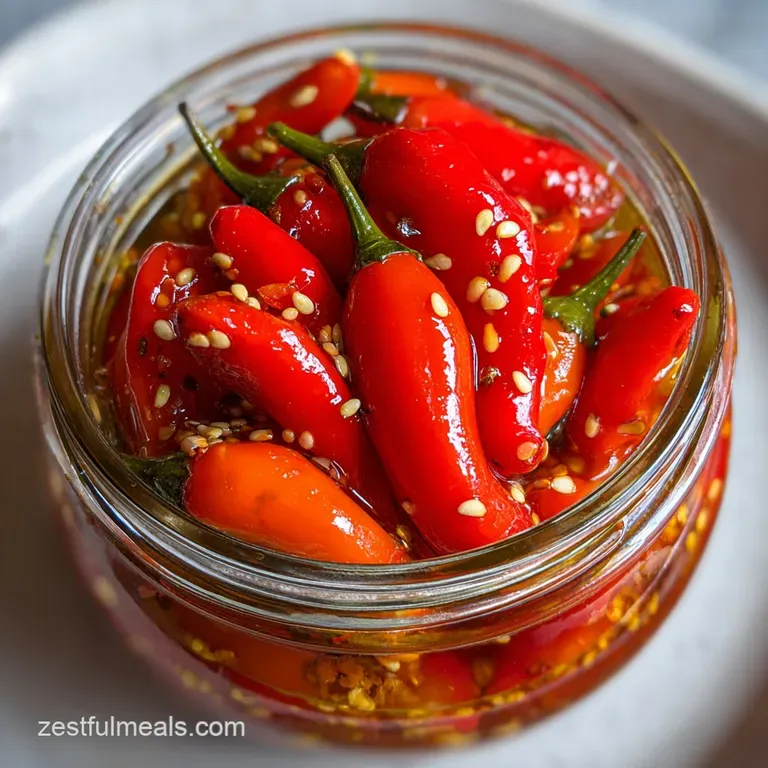
You don't need a professional cannery to make these. Honestly, I use my everyday kitchen gear, and it works perfectly. Just make sure everything is clean. A small paring knife is essential for getting those seeds out without tearing the delicate flesh of the pepper.
If you are looking to expand your preserving skills after this, you might find the process similar to making a Venison Summer Sausage recipe, where balancing salt and acid is key to a shelf stable, flavorful result. For these peppers, a simple wide mouth glass jar is best. It makes it easier to fish the peppers out when you're ready to snack.
Chef Tip: Freeze your peppers for 10 minutes before slicing. This firms up the skin just enough that your knife won't slip, giving you clean, professional looking rings or tops.
step-by-step Guide to Brining and Jarring Your Harvest
1. The Prep and Deseed
Wash your 1 lb fresh piquanté peppers thoroughly. Cut the stem end off each pepper and use a small spoon or your thumb to scrape out all the seeds and white ribs. Note: This is where most of the heat lives, so be thorough if you want them sweet.
2. The Salt Sweat
Place the cleaned peppers in a bowl and toss with 1 tbsp kosher salt. Let them sit for 20 minutes until the peppers look glossy and a little liquid pools at the bottom. This step is crucial for maintaining that firm texture we want.
3. Creating the Infusion
In a medium stainless steel saucepan, combine 1.5 cups apple cider vinegar, 0.5 cup filtered water, and 1.25 cups granulated white sugar. Stir over medium heat until the sugar has completely dissolved and the liquid is clear.
4. Adding Aromatics
Drop in 2 cloves smashed garlic, 1 tsp whole black peppercorns, 0.5 tsp mustard seeds, 1 dried bay leaf, and the piece of peeled ginger. Bring the mixture to a simmer for 5 minutes until the kitchen smells spicy and sweet.
5. The Quick Blanch
Add the salted peppers (discard the extra salt liquid) into the boiling brine. Cook for only 2 minutes until the peppers turn a slightly darker shade of red. Do not overcook them, or they will lose their snap!
6. The Finishing Soak
Remove the pan from the heat and let the peppers sit in the hot liquid for 10 minutes. Note: This allows the flavors to penetrate the flesh without the heat breaking down the cell walls.
7. Jarring the Goods
Using a slotted spoon, pack the peppers into clean glass jars. Pour the hot brine over the top, ensuring the peppers are completely submerged. Leave about half an inch of space at the top.
8. The Cooling Phase
Let the jars sit on the counter until they reach room temperature. Seal them tightly and move them to the fridge. Wait at least 24 hours before eating for the flavors to fully marry.
How to Prevent Sogginess and Maintain Vibrant Color
Why Your Pickled Peppadew Peppers Turned Soft
The most common heartbreak with home pickling is the "mush factor." Usually, this happens because the peppers were boiled for too long. Piquanté peppers have thin walls, so they don't need much time in the heat. If you boil them like you’re making a soup, they will turn into a pulp.
Another culprit is skipping the salt "sweat." Salt draws out the internal water that would otherwise dilute your brine and soften the pepper from the inside out. Think of it as pre gaming the crunch.
| Problem | Root Cause | Solution |
|---|---|---|
| Soft/Mushy Texture | Overcooking in brine | Blanch for max 2 mins; use "hot pour" method. |
| Brine is Cloudy | Used table salt | Use Kosher or sea salt without additives. |
| Too Much Heat | Seeds left inside | Use a small brush or spoon to clear all ribs. |
Common Mistakes Checklist
- ✓ Never use a copper or aluminum pot; the acid reacts and ruins the flavor.
- ✓ Always use fresh ginger, not powdered, to keep the brine clear.
- ✓ Ensure your vinegar has at least 5% acidity for proper preservation.
- ✓ Don't skip the 24 hour fridge rest; the sweetness needs time to balance the acid.
- ✓ Pat the peppers dry after the salt sweat if you want a thicker, more syrupy brine.
Scaling the Recipe for Any Occasion
Downscaling (Making a small jar): If you only have a handful of peppers, you can easily halve this. Reduce the spices by half, but keep the ginger piece the same size for impact. Use a smaller pint jar to ensure the peppers stay submerged in the brine.
Upscaling (Party mode): When doubling or tripling, do not just double the spices. Use 1.5x the peppercorns and mustard seeds, otherwise, the flavor becomes medicinal.
You will also want to reduce the total liquid by about 10% because the peppers themselves will release more moisture when packed into larger containers.
If you are making a massive batch for a summer BBQ, these peppers are a fantastic side for a Hawaiian Fried Rice recipe. The sweetness of the pineapple in the rice plays perfectly with the tangy zip of the pickled peppers.
Debunking Pickling Misconceptions
One big myth is that you need a pressure canner for these. Since we are storing these in the fridge (refrigerator pickles), we don't need to process them in a hot water bath. The high sugar and acid content keeps them perfectly safe in the cold. Another thing people get wrong is thinking they can use any vinegar.
While you can use white vinegar, the result is much harsher. Apple cider vinegar provides a mellow fruitiness that is essential for that "Peppadew" profile.
Finally,, some people think the peppers will be spicy because they look like chiles. In reality, the piquanté pepper is naturally quite mild. Once you remove the seeds and soak them in a sugar brine, they are more like a "savory candy" than a spicy topping.
Long Term Keeping and Refreshing Your Homemade Stash
Storage: These Pickled Peppadew Peppers will stay fresh and crunchy in the refrigerator for up to 4 weeks. Always use a clean fork to pull them out of the jar to prevent introducing bacteria that could spoil the brine.
Freezing: I don't recommend freezing these. The ice crystals will break down the cell walls of the peppers, and when they thaw, they will be completely mushy. Pickling is already a preservation method, so the fridge is your best bet!
Zero Waste Tip: When the peppers are gone, save that brine! It is liquid gold. I use it to pickle red onions (they turn a beautiful pink), or I splash a couple of tablespoons into my tuna salad for an instant flavor upgrade. You can even use it as a "pickle back" for a hearty sandwich. If you have extra fresh peppers you can't get to, chop them up and toss them into a Lunch Wraps recipe for a fresh, spicy crunch.
Brilliant Pairings to Make Your Pickles the Star
The Ultimate Appetizer
The classic way to serve these is stuffed with goat cheese or cream cheese. The creamy, fatty cheese cuts through the acidic snap of the pepper beautifully. Sprinkle a little cracked black pepper or chopped chives on top, and you have a "gourmet" appetizer for the cost of a block of generic cream cheese.
The Deli Style Topping
Chop these up and throw them on top of a homemade pizza or into a grilled cheese sandwich. They add a "pop" of flavor that cuts through heavy, melted cheese. My kids love them diced up in their pasta salad, where they provide little bursts of bright red color and sweet tangy flavor that makes the whole dish taste more expensive than it actually is.
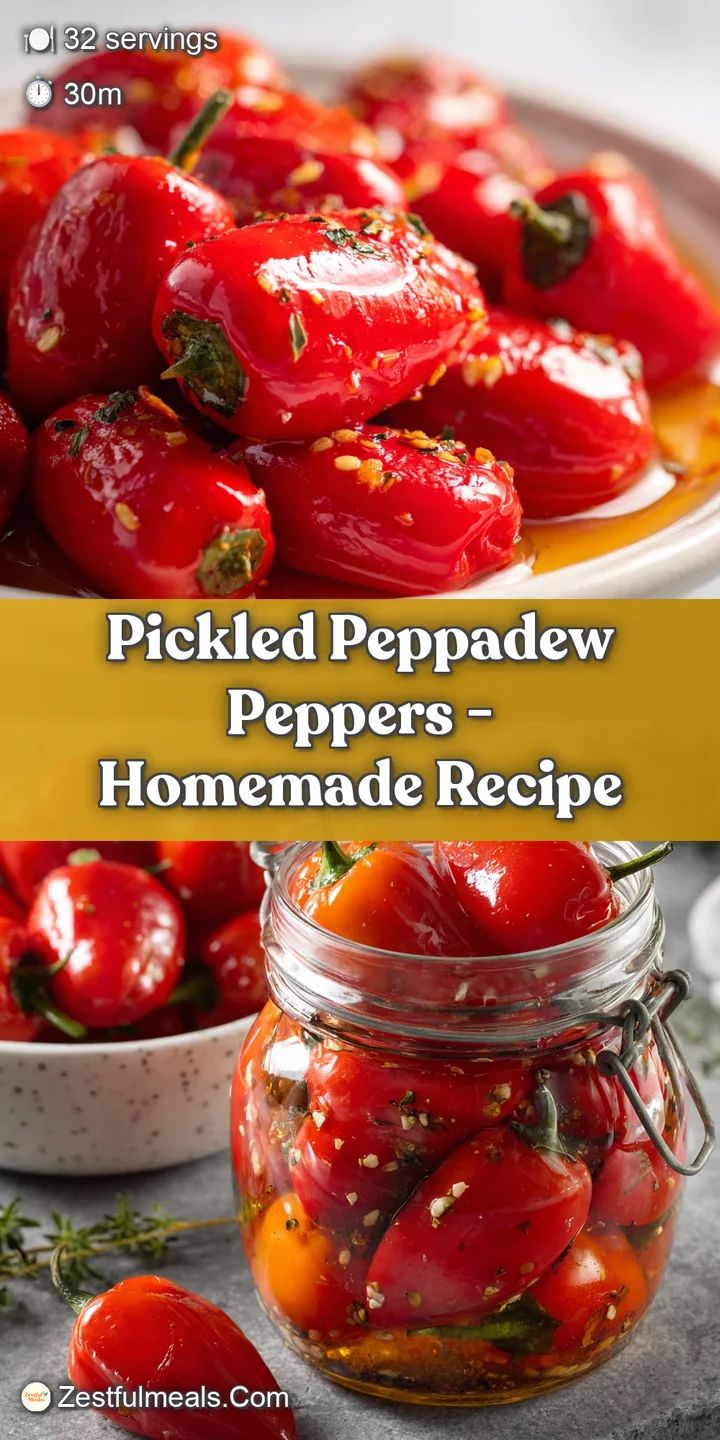
Recipe FAQs
What are pickled peppadew peppers?
Yes, they are piquanté peppers preserved in a sweet and tangy brine. This process transforms them into the popular, zesty deli item known for its bright red color and unique sweet spicy flavor profile.
What is a substitute for pickled Peppadew peppers?
Sweet cherry peppers or mild pimientos are the closest substitutes. While they won't have the exact same peppery kick, they offer a similar sweetness and tender texture when pickled.
What exactly is a Peppadew pepper?
It is a specific variety of sweet piquanté pepper, bred for a mild heat and fruity flavor. These peppers are typically small, bright red, and have a slightly firm texture, making them ideal for pickling.
What is the best way to use Peppadews?
Use them whole, chopped, or stuffed in appetizers, salads, and sandwiches. Their sweet and tangy flavor adds a vibrant pop to cheese boards, pizzas, and even mixed into pasta salads.
Can I use different types of vinegar for pickling?
Yes, but apple cider vinegar is recommended for its balanced flavor. While white vinegar can be used, it's much harsher; balsamic offers a deeper, richer taste but is more expensive.
How long do pickled peppadew peppers last?
They will last up to 4 weeks when stored properly in the refrigerator. Always ensure they remain submerged in the brine and use clean utensils when serving to prevent spoilage.
Is it true that seeds are the main source of heat?
Yes, this is largely true for piquanté peppers. Removing the seeds and white ribs thoroughly before pickling significantly reduces the heat, resulting in a sweeter, more palatable pepper.
Pickled Peppadew Peppers
Ingredients:
Instructions:
Nutrition Facts:
| Calories | 37 kcal |
|---|---|
| Protein | 0.1 g |
| Fat | 0.1 g |
| Carbs | 8.8 g |
| Fiber | 0.5 g |
| Sugar | 7.8 g |
| Sodium | 34 mg |
