Smoky Tomato Sauce Recipe
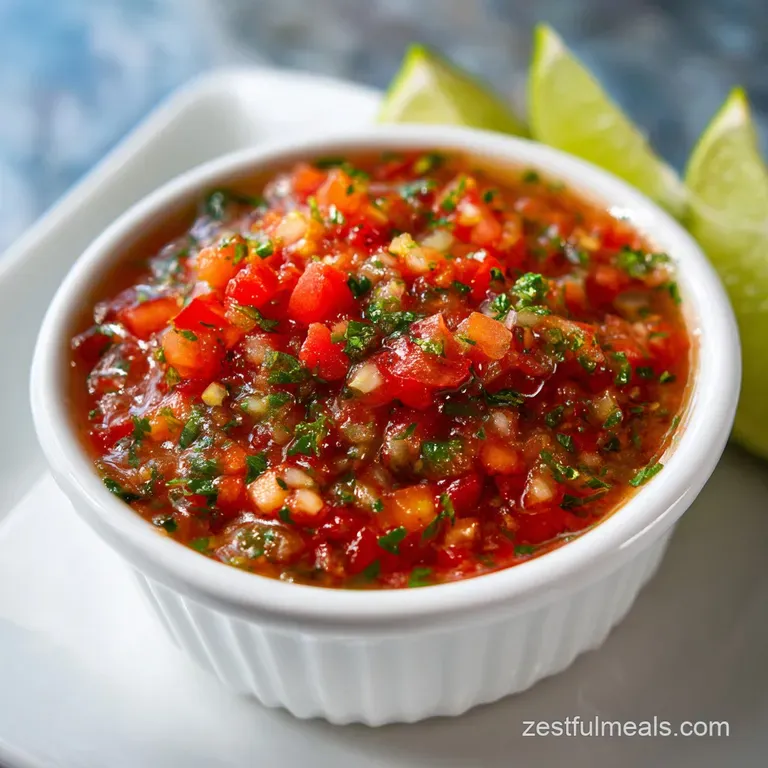
- Time: Active 5 minutes, Passive 15 minutes, Total 20 minutes
- Flavor/Texture Hook: Velvety, smoky, and zesty
- Perfect for: Busy weeknight dinners, budget-friendly meal prep, and family taco nights
- Why This Quick Homemade Tomato Sauce Wins
- The Science Behind the Sizzle
- Component Analysis and Secret Roles
- Essential Components and Substitutions
- Simple Tools for Better Cooking
- Step-by-Step Cooking Instructions
- Troubleshooting Common Cooking Mistakes
- Scaling for Crowds or Couples
- Flavorful Twists and Variations
- Smart Storage and Zero Waste
- Family-Friendly Serving Ideas
- Debunking Common Kitchen Myths
- Tomato Sauce FAQs
- 📝 Recipe Card
Why This Quick Homemade Tomato Sauce Wins
The first time I stood in a tiny kitchen in central Mexico, I expected to see a pot of tomatoes simmering for hours. Instead, I saw a woman toss fresh Romas into a screaming hot pan, let them blister until the skins shattered, and then flash fry the blended mix in a tiny bit of oil.
The aroma was intoxicating earthy, sweet, and spicy all at once. It was a far cry from the watery, metallic stuff you get in a jar.
I’ve spent years trying to get that exact "sizzle" right in my own kitchen on a Tuesday night between soccer practice and homework. You don't need fancy equipment or expensive ingredients; you just need to understand how heat transforms a simple tomato.
This version is my family's absolute favorite because it tastes like it took all afternoon, but it's actually faster than driving to the store.
We’re focusing on a style often called "salsa frita" or fried sauce. It’s the backbone of so many great meals, from chilaquiles to basic pasta dishes with a kick. By searing the vegetables first, we lock in a concentrated flavor that feels rich and expensive without breaking the budget.
Let's get into the mechanics of why this method actually works.
The Science Behind the Sizzle
Fat Soluble Flavor: Capsaicin in the serranos and aromatics in the cumin dissolve better in oil than water, spreading the heat evenly. This "flash fry" creates a velvety mouthfeel and deeper color by slightly caramelizing the natural sugars in the Romas.
| Method | Cook Time | Texture | Best For |
|---|---|---|---|
| Quick Flash Fry | 15 minutes | Silky, emulsified | Busy weeknights, tacos |
| Traditional Simmer | 45 minutes | Chunky, rustic | Weekend meal prep, stews |
| Raw Blending | 5 minutes | Thin, watery | Quick snacks, high acidity |
Choosing the right approach depends on your schedule. If you want that deep, cooked through flavor but only have twenty minutes, the flash fry method is your best friend. It bridges the gap between raw freshness and slow cooked depth by using high heat to accelerate the Maillard reaction.
This is the same chemical process that makes toasted bread taste better than plain dough.
Component Analysis and Secret Roles
| Ingredient | Science Role | Pro Secret |
|---|---|---|
| Roma Tomatoes | Provide structural pectin | Use the ones that feel slightly soft for higher sugar content |
| Serrano Peppers | Add capsaicin heat | Remove seeds for flavor without the "burn" |
| Neutral Oil | Emulsifies the sauce | Heat the oil until it shimmers to prevent sogginess |
| White Onion | Adds sulfurous depth | Grate the onion to release more juice and flavor |
Similar to how we build layers in a Creamy Tomato Soup recipe, the order of operations here matters. We start with the heavy hitters and finish with the fresh pops of lime and cilantro to keep the flavors from becoming muddy.
Essential Components and Substitutions
To make this Tomato Sauce, you'll need a handful of pantry staples and fresh produce that won't drain your wallet. I always keep these on hand because you can pivot from a boring chicken breast to a gourmet style meal in minutes.
- 1 lb Fresh Roma Tomatoes: Why this? They have lower water content and more flesh, creating a thicker, richer sauce.
- Substitute: 1 can (14.5 oz) whole peeled tomatoes, drained. Note: Results in a slightly more acidic finish.
- 3 Fresh Serrano peppers: Why this? They offer a brighter, more biting heat than jalapeños.
- Substitute: 2 Jalapeños. Note: Much milder; add a pinch of cayenne for heat.
- 2 Large Garlic Cloves: Why this? Fresh garlic provides the essential aromatic base that bottled powder lacks.
- Substitute: 1 tsp garlic paste. Note: Use a refrigerated paste for the best flavor match.
- 1/2 Medium White Onion: Why this? White onions are sharper and more traditional for Mexican style sauces.
- Substitute: Yellow onion. Note: Slightly sweeter when cooked, which helps balance the acid.
- 1 tbsp Neutral Oil: Why this? It carries the flavor without adding its own heavy scent.
- Substitute: Avocado oil. Note: Has a high smoke point, perfect for the flash fry.
- 1/2 tsp Ground Cumin: Why this? Adds an earthy, smoky undertone that ties the tomatoes and peppers together.
- Substitute: Toasted coriander. Note: Offers a citrusy, floral note instead of smoky depth.
- 1/4 cup Fresh Cilantro: Why this? Provides a cooling, herbaceous finish to cut through the spice.
- Substitute: Fresh flat leaf parsley. Note: Adds color and freshness but lacks the signature "salsa" punch.
- 1 tbsp Freshly Squeezed Lime Juice: Why this? The acid brightens the heavy cooked flavors and preserves the red color.
- Substitute: Apple cider vinegar. Note: Adds tang but misses the citrus aroma.
Chef's Tip: Freeze your garlic for 10 minutes before grating it. It makes it much easier to handle and prevents that "sticky finger" situation that drives me crazy when I'm in a rush.
Simple Tools for Better Cooking
You don't need a professional kitchen for this. I usually just use my trusty cast iron skillet and a basic blender. If you're short on time, a food processor works too, though the texture will be slightly different. The goal is to minimize cleanup so you can actually enjoy the meal with your family.
- Heavy Skillet: A cast iron pan is ideal because it holds heat beautifully, ensuring those tomatoes blister instead of just steaming in their own juice.
- Blender or Food Processor: This is where the magic happens. A high speed blender will give you a restaurant smooth finish, while a food processor keeps things a bit more "pico" style.
- Microplane or Grater: Using this for the garlic and onion creates a fine pulp that disappears into the sauce, giving you all the flavor with none of the "crunchy onion" surprises for picky kids.
| Original Ingredient | Substitute | Why It Works |
|---|---|---|
| Serrano Peppers (3) | Dried Arbol Chilies (2) | Toasted dried chilies add a deep, nutty smokiness. Note: Soak in hot water first. |
| Fresh Cilantro | Freeze dried Cilantro | Good for emergencies. Note: Use half the amount as it's more concentrated. |
step-by-step Cooking Instructions
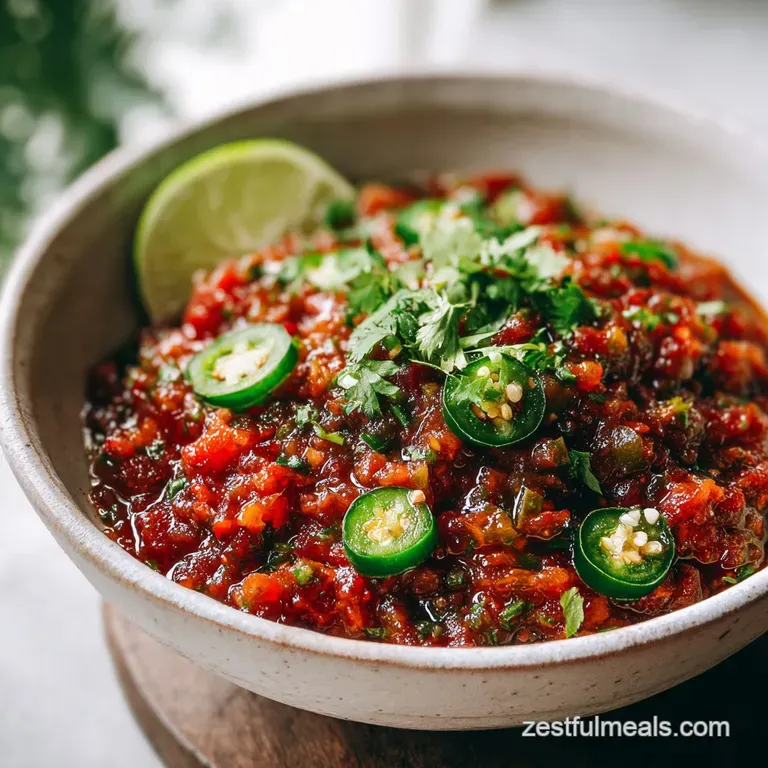
Right then, let's crack on with the actual cooking. Remember, we're looking for sensory cues here the sizzle is your friend, and the smell of toasted cumin means you're on the right track.
- Blister the base: Place 1 lb Fresh Roma Tomatoes, 3 Fresh Serrano peppers, 2 Large Garlic Cloves, and 1/2 Medium White Onion in a dry skillet over medium high heat. Note: No oil yet! We want dry heat to char the skins.
- Char thoroughly: Turn the vegetables every few minutes until the tomato skins are blackened and splitting. This should take about 8-10 minutes.
- Prepare for blending: Transfer the charred vegetables (including the garlic and onion) into your blender.
- Pulse for texture: Add 1 tsp Fine Sea Salt and 1/2 tsp Ground Cumin to the blender. Pulse until the mixture is combined but still has some body. Don't over process unless you want a pureed soup texture.
- Heat the oil: Wipe out your skillet and add 1 tbsp Neutral Oil. Heat until the oil shimmers and barely begins to smoke.
- Perform the flash fry: Carefully pour the blended tomato mixture back into the hot oil. Note: Stand back! It will hiss and pop this is the "fry" that builds the flavor.
- Simmer and thicken: Reduce heat to medium and cook for 5 minutes until the color darkens to a deep, rich red.
- Final seasoning: Remove from heat and stir in 1/4 cup Fresh Cilantro and 1 tbsp Freshly Squeezed Lime Juice.
- Taste and adjust: Give it a quick taste. If it's too tart, a tiny pinch of sugar can save the day. If it's too flat, another pinch of salt usually fixes it.
- Rest the sauce: Let it sit for 5 minutes before serving. This allows the heat of the peppers to mellow and the flavors to fully marry.
Troubleshooting Common Cooking Mistakes
Even the best of us have bad days in the kitchen. I once forgot to peel the garlic before charring it, and let me tell you, picking bits of burnt paper out of a blender is not my idea of a fun Tuesday. But most mistakes are easily fixed if you know what to look for.
The Sauce Tastes Too Metallic
This usually happens if you're using canned tomatoes or if your fresh ones weren't quite ripe enough. The acidity can feel "sharp" or "tinny" on the back of your tongue. The fix is simple: fat or sugar. A tiny pat of butter or a teaspoon of brown sugar will round out those sharp edges immediately.
The Texture Is Too Watery
If your tomatoes were particularly juicy, you might end up with a sauce that runs all over the plate. Don't panic. You can continue to simmer the sauce in the skillet for an extra 5-7 minutes. This evaporates the excess water and concentrates the sugars.
If you're in a massive rush, a tiny bit of tomato paste can act as a "thickening glue" to bring it all together.
| Problem | Root Cause | Solution |
|---|---|---|
| Bitter Aftertaste | Garlic or cumin burnt | Add a squeeze more lime and a tiny pinch of sugar |
| Too Much Heat | Too many serrano seeds | Stir in a tablespoon of sour cream or Greek yogurt |
| Dull Color | Under cooked tomatoes | Simmer longer in the oil to deepen the pigment |
Common Mistakes Checklist
- ✓ Pat the tomatoes dry before charring to ensure they blister rather than steam.
- ✓ Don't skip the oil "fry" step; it's what differentiates this from a basic salsa.
- ✓ Use fresh lime juice, not the bottled stuff which has a weird chemical tang.
- ✓ Wait until the end to add cilantro so it stays bright and green.
- ✓ Let the sauce cool slightly before blending to avoid a "steam explosion" from your blender lid.
Scaling for Crowds or Couples
Scaling this Tomato Sauce is incredibly straightforward, which is why I love it for meal prep. If you're making this for a big party, you can easily double the recipe. However, when you go up to 4x the amount, don't just quadruple the salt and spices.
Start with 2x and adjust at the end, as saltiness can concentrate during the frying stage.
For smaller portions (say, just for one or two people), you can use half the ingredients. However, I'd suggest making the full batch anyway. It takes the same amount of effort to char four tomatoes as it does two, and having a jar of this in the fridge is like having money in the bank for future meals.
If you are a fan of using this as a base for bigger meals, it works beautifully when combined with other pantry staples, much like the technique in my Sardines In Tomato Sauce recipe. It provides that rich, homemade foundation that makes simple ingredients sing.
Flavorful Twists and Variations
Once you've nailed the basic version, you can start playing around. My kids love it when I add a little sweetness to balance the heat, while my husband prefers it smoky enough to set off the smoke detector (kidding, mostly).
- Smoky Chipotle Twist: Swap one of the serranos for a chipotle pepper in adobo sauce. This adds a deep, vinegary smoke that is incredible on grilled steak.
- Roasted Garlic Version: Instead of two garlic cloves, roast a whole head of garlic in the oven at 400°F (200°C) until soft, then squeeze the paste into the blender. It adds a buttery, mellow sweetness.
- The Green Variation: If you find yourself with unripe tomatoes, check out my Green Tomato Salsa recipe. It uses a similar charring method but results in a tangier, more citrus forward sauce.
If you're looking for a shortcut that still feels high end, you can blend in a tablespoon of sun dried tomato pesto. This adds a concentrated umami kick that mimics the flavor of tomatoes that have been roasted for hours. It's a trick I use when I'm dealing with those pale, sad winter tomatoes.
Smart Storage and Zero Waste
This sauce is a meal prep hero. It stays vibrant in the fridge for up to 5 days, though the heat from the peppers will actually intensify after the first 24 hours. If you're sensitive to spice, keep that in mind!
Freezing: You can freeze this sauce for up to 3 months. I like to freeze it in ice cube trays. Once frozen, pop the cubes into a freezer bag. When you need a quick flavor boost for a soup or a single serving of eggs, just drop a couple of cubes into the pan.
Zero Waste Tips: Don't throw away the cilantro stems! They actually have more flavor than the leaves. Finely mince them and add them to the blender with the tomatoes. Also, if you have leftovers that are getting a bit old, stir them into a pot of rice as it cooks.
It turns plain white rice into a flavorful "Mexican rice" side dish with zero extra effort.
Family Friendly Serving Ideas
This isn't just a dip for chips though it's brilliant at that. We use it as a "mother sauce" in our house. It’s the base for our Saturday morning Huevos Rancheros, or we spoon it over grilled tilapia for a quick fish taco night.
One of my favorite ways to use it is as a quick braising liquid. Take some leftover shredded pork or chicken, toss it in a skillet with a cup of this sauce, and let it simmer for five minutes. The meat absorbs all those smoky, charred notes and tastes brand new.
- If you want a creamy finish, stir in a dollop of Mexican crema or Greek yogurt just before serving.
- If you want more crunch, top the finished sauce with toasted pepitas (pumpkin seeds) or finely diced raw white onion.
- If you want a deeper umami profile, add a teaspoon of soy sauce during the simmer stage it's a secret restaurant trick that makes the tomatoes taste even "meatier."
Debunking Common Kitchen Myths
There’s a popular idea that you must peel tomatoes before making a sauce to avoid "tough bits." In this recipe, that’s actually the opposite of what you want! The charred skins provide the smoky "specks" and deep flavor that define an authentic salsa frita. If you peel them, you lose all that complexity.
Another myth is that you shouldn't use oil in a salsa. While raw salsas are oil free, the "fried" version requires that tablespoon of oil to achieve the correct mouthfeel. Without it, the sauce can feel watery and thin on the tongue.
The oil helps coat your palate, allowing the flavors of the cumin and serrano to linger longer. Trust me, that one tablespoon makes all the difference in the world.
Tomato Sauce FAQs
How to make tomato salsa?
Char the tomatoes and peppers first. Place fresh tomatoes and serranos in a dry skillet over medium high heat until the skins blacken and split, about 8 10 minutes. Then, blend the charred vegetables with spices before flash frying the mixture in a shimmer of hot oil.
Is salsa de tomate the same as tomato sauce?
Usually, yes, though preparation matters. "Salsa de tomate" translates directly to tomato sauce, but in a culinary context, this quick fried version is often richer and thicker than a thin, canned sauce.
What is the best tomato for salsa?
Roma tomatoes are highly recommended. They possess higher flesh content and lower water volume compared to heirlooms, resulting in a thicker, less watery sauce after charring.
How to make salsa tomate?
Char tomatoes, blend, and then flash fry the puree. Blend the charred vegetables with salt and cumin, then pour that mixture into hot oil in a skillet to develop a deeper, velvety color and flavor in about five minutes.
Must I peel the tomatoes before charring them for this sauce?
No, peeling is actually detrimental to this style of sauce. The charred skins provide the essential smoky specks and deep color that define an authentic fried sauce texture.
How do I stop my sauce from tasting too acidic or metallic?
Add a small amount of fat or sugar to balance the acid. A tiny pat of butter or a teaspoon of brown sugar effectively rounds out the sharpness often found in overly acidic tomatoes; this principle of balancing acid is also key when using citrus in a dessert like our Blackberry Compote Recipe in 15 Minutes.
Can I use this sauce as a base for a longer simmering meat sauce?
Yes, it makes an excellent flavor packed foundation. Because the base flavors are already concentrated via charring, you can use this mixture right away when building bulkier dishes, such as our Simple Spaghetti Bolognese Recipe, to add instant depth.
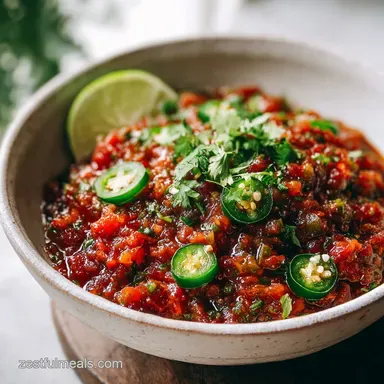
Restaurant Style Tomato Sauce
Ingredients:
Instructions:
Nutrition Facts:
| Calories | 17 kcal |
|---|---|
| Protein | 0.4 g |
| Fat | 1.0 g |
| Carbs | 2.1 g |
| Fiber | 0.6 g |
| Sugar | 1.1 g |
| Sodium | 144 mg |
