Simple Spaghetti Bolognese Recipe
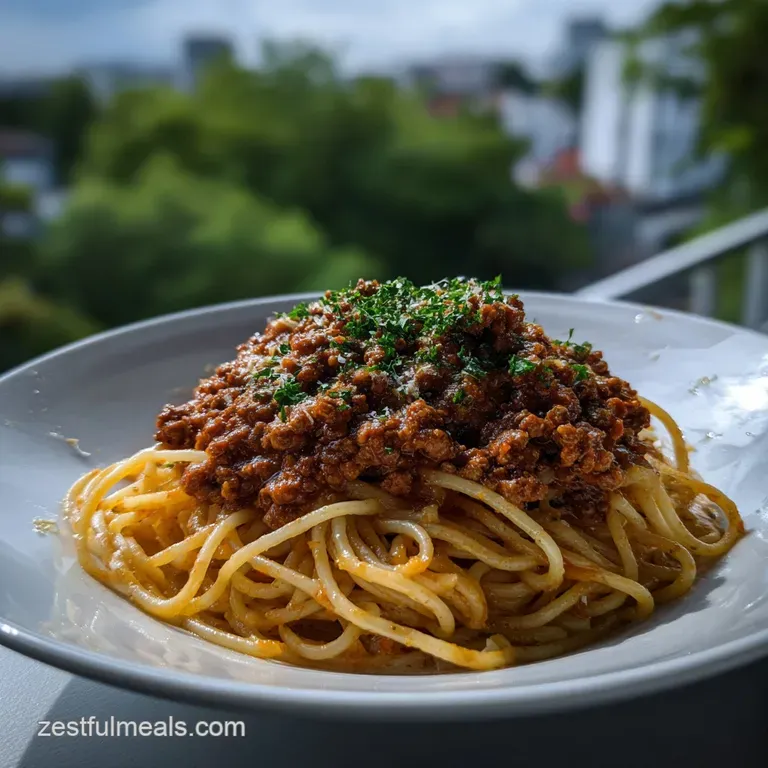
- Time: Active 10 minutes, Passive 25 minutes, Total 35 minutes
- Flavor/Texture Hook: Silky, savory sauce with a tender beef crumb
- Perfect for: Busy weeknight dinners or budget-conscious meal prepping
- Why This Simple Spaghetti Bolognese Recipe Works
- Important Recipe Specifications
- The Role of Each Element
- Shopping List Essentials
- Necessary Kitchen Tools
- From Prep to Plate
- Pro Tips and Pitfalls
- Make It Your Own
- Batch Size Guidelines
- Common Pasta Myths
- Storage and Reheating Tips
- Best Sides to Serve
- Common Recipe Questions
- Common Questions
- 📝 Recipe Card
Does the smell of sizzling onions and browning beef ever fail to bring the family to the kitchen? I don't think so. When you're looking for an easy spaghetti bolognese recipe with ground beef, you usually want two things: speed and that "simmered all day" taste.
I used to struggle with bolognese that felt like separate clumps of meat swimming in watery tomato juice. It was frustrating, especially when everyone was hungry and I only had thirty minutes before the evening chaos started. This simple spaghetti bolognese recipe solves that problem.
This homemade spaghetti bolognese recipe is my solution to the weeknight rush. It’s a basic spaghetti bolognese recipe without wine, making it affordable and accessible for any household.
We rely on a few smart tricks like using balsamic vinegar for acidity and grating our veggies-to build layers of flavor quickly. You won't believe how much depth you can get from simple ingredients when you treat them the right way, making this the best simple spaghetti bolognese recipe for busy cooks.
Right then, let's get into how we make this happen. We're going to use a heavy skillet to maximize browning and a box grater to make the vegetables disappear into the sauce. This isn't just about feeding people; it's about that comforting, velvety mouthfeel that makes a simple spaghetti bolognese recipe feel like a hug in a bowl.
Trust me, once you try the grating method, you’ll never go back to chunky chopped carrots again when making this simple spaghetti bolognese recipe.
Why This Simple Spaghetti Bolognese Recipe Works
- Cellular Breakdown: Grating the carrots and onions increases the surface area significantly, allowing for rapid Maillard reaction browning and faster softening.
- Glutamic Acid Synergy: Combining Hunt’s Tomato Paste with crushed tomatoes creates a concentrated blast of umami that mimics the depth of a long simmered sauce, which is the hallmark of a great simple spaghetti bolognese recipe.
- Acetic Acid Brightness: A splash of balsamic vinegar provides the necessary pH balance to cut through the fat of the beef without needing a bottle of red wine.
- Emulsification Control: Stirring the 90/10 lean beef directly into the vegetable base prevents the meat from seizing into tough, pebble like chunks.
- Starch Binding: Using a small amount of the pasta cooking water (liquid gold!) helps the sauce bind to the spaghetti via starch gelatinization.
Unlike the traditional "slow cook" method that takes four hours to break down collagen, this 25 minute version uses mechanical breakdown (grating) to achieve the same silky texture required for a proper simple spaghetti bolognese recipe.
Important Recipe Specifications
When you're racing against the clock, knowing the numbers helps. This quick spaghetti bolognese recipe for weeknight dinner is designed for a family of four, making the scale perfect for a reliable simple spaghetti bolognese recipe.
| Metric | Detail |
|---|---|
| Yield | 4 Generous Servings |
| Active Prep | 10 minutes |
| Simmer Time | 25 minutes |
| Optimal Temp | 195°F (Sauce Simmer) |
| Pasta Texture | Al Dente (firm to the bite) |
The Role of Each Element
| Ingredient | Chemical/Physical Role (Science) | The Pro Secret (Why This Matters) |
|---|---|---|
| 90/10 Ground Beef | Protein denaturation and fat rendering | Leaner meat prevents a greasy film on the roof of your mouth. |
| Yellow Onion | Sulfur compound release and caramelization | Grating releases juices that deglaze the pan naturally. |
| Tomato Paste | Lycopene concentration and thickening | Frying the paste first removes the raw "tinny" metallic taste essential to this simple spaghetti bolognese recipe. |
| Balsamic Vinegar | Sugar caramelization and acid balance | Mimics the complex sugars found in aged Italian wines. |
Shopping List Essentials
- Yellow Onion (1 large): Grate this finely to create a "mush" that melts into the beef.
- Carrots (2 medium): Use a Classic Box Grater for these. Why this? Carrots provide natural glucose which balances the tomato acidity without added white sugar.
- Celery (2 stalks): Mince these until they are nearly invisible.
- Garlic (3 cloves): Smash them first to release the oils, then mince.
- Ground Beef (1 lb): Stick to 90/10 lean beef. Why this? Lower fat content means the sauce stays thick and emulsified rather than separating.
- Crushed Tomatoes (14 oz): I prefer Muir Glen Crushed Tomatoes for their consistent texture.
- Tomato Paste (2 tbsp): Use double concentrated for a punchier flavor.
- Beef Broth (1 cup): Use low-sodium so you can control the final saltiness.
- Balsamic Vinegar (1 tbsp): This is our secret weapon for depth in this simple spaghetti bolognese recipe.
- Dried Oregano (1 tsp): Rub it between your palms to wake up the oils.
- Spaghetti (12 oz): Use a high-quality bronze die pasta like Barilla Collezione.
- Olive Oil (1 tsp): Just enough to get the aromatics moving.
- Fresh Parsley (1/4 cup): Adds a necessary hit of chlorophyll to brighten the heavy sauce.
- Parmesan Cheese (2 tbsp): Freshly grated is always better for melting.
- Sea Salt & Black Pepper: To taste, but don't be shy with the pepper.
Necessary Kitchen Tools
To get the best spaghetti bolognese recipe for beginners on the table, you don't need a professional kitchen. However, a few specific tools make the process much smoother. I personally love using my Lodge 12 Inch Cast Iron Skillet because it holds heat so well, ensuring the beef browns rather than steams, which is crucial for this simple spaghetti bolognese recipe.
You’ll also need a sturdy box grater. Honestly, don't even bother with a food processor for this; the cleaning time outweighs the prep time for just three vegetables. A simple hand held grater works perfectly.
For the pasta, a large All-Clad 6 Quart Stockpot ensures the noodles have plenty of room to dance around, which prevents them from sticking together into a gummy mess.
From Prep to Plate
1. Build the aromatic foundation
Grate the onion, carrots, and celery into a small bowl. Note: Grating breaks the cell walls, releasing more flavor rich liquids than traditional dicing. Heat the olive oil in your skillet over medium high heat for 2 minutes until the oil shimmers and wisps of smoke appear.
2. Sauté the vegetable base
Add the grated vegetables to the hot skillet. Sauté for 5 minutes until the liquid evaporates and the vegetables turn translucent and golden. Use a wooden spoon to scrape the bottom constantly.
3. Brown the ground beef
Add the 1 lb of ground beef to the center of the pan. Cook for 7 minutes until the meat is deeply browned and no traces of pink remain. Break the meat apart into tiny crumbles as it cooks.
4. Toast the tomato paste
Clear a small spot in the middle of the pan and drop in the tomato paste. Fry the paste for 1 minute until it darkens from bright red to a deep rust color. This step is vital for removing the "raw" taste that ruins lesser versions of the simple spaghetti bolognese recipe.
5. Incorporate the aromatics
Stir in the minced garlic and dried oregano. Sauté for only 30 45 seconds until the garlic becomes fragrant but before it turns brown. If the garlic burns, it will turn bitter and ruin the sauce.
6. Deglaze and simmer
Pour in the balsamic vinegar, beef broth, and crushed tomatoes. Simmer for 12 15 minutes until the sauce thickens and a spoon drawn through the center leaves a clear path. This simmering process develops the core flavor of the simple spaghetti bolognese recipe.
7. Boil the pasta
While the sauce simmers, drop your spaghetti into a pot of boiling salted water. Cook for 8 10 minutes until the pasta is tender but still has a firm bite (al dente).
8. Emulsify the sauce
Reserve 1/2 cup of the pasta water before draining. Add the pasta directly to the skillet with the sauce. Toss for 1 minute until every strand is glossy and evenly coated in the red sauce. This final toss is what elevates this simple spaghetti bolognese recipe.
9. Adjust the consistency
If the sauce feels too thick, splash in a tablespoon of the reserved pasta water. Mix well until the sauce reaches a velvety, pourable consistency.
10. Garnish and serve
Turn off the heat and stir in the chopped parsley and Parmesan. Serve immediately until the cheese begins to melt into the hot noodles. Enjoying this delicious simple spaghetti bolognese recipe is the best part!
Pro Tips and Pitfalls
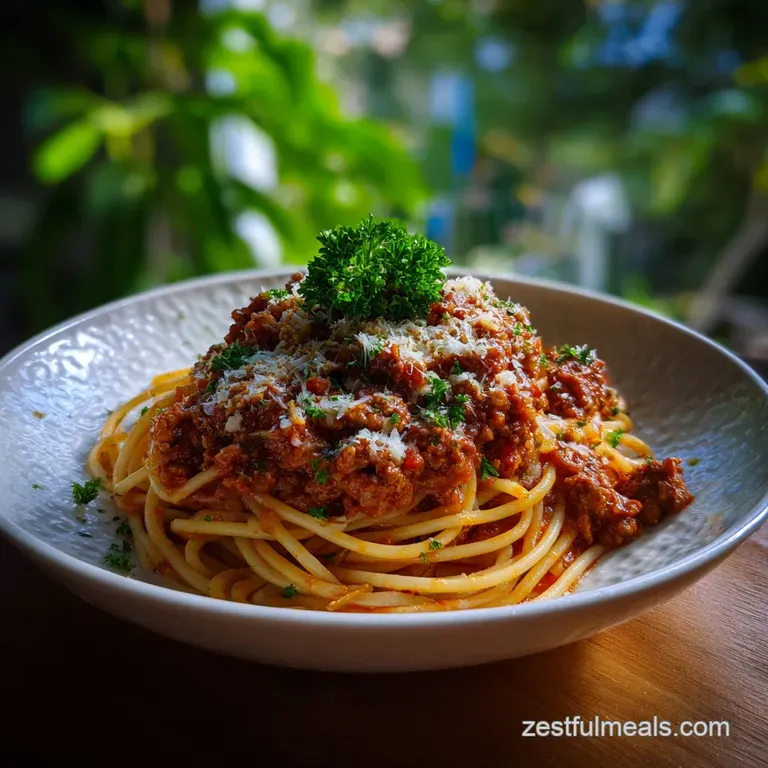
Many people ask me, "How do I get a rich flavor without using wine?" The answer lies in the balsamic vinegar and the "fond" those brown bits at the bottom of the pan. This simple spaghetti bolognese recipe easy relies on that caramelization.
If you find your meat is "pebbly" and tough, it's usually because it was cooked at too high a temperature without enough moisture. By grating the vegetables first, you create a moist bed for the beef, which keeps the protein from seizing up into hard little rocks. It’s a similar logic to how we keep the crumb tender in a Banana Bread Recipe.
Quick Fix Table
| Problem | Cause | Fix |
|---|---|---|
| Watery Sauce | Too much broth or under reduced tomatoes | Simmer uncovered for 5 more minutes. |
| Bland Flavor | Lack of acidity or salt | Add another teaspoon of balsamic or salt. |
| Greasy Texture | Meat was too high in fat | Blot the top of the sauce with a paper towel. |
Make It Your Own
One of the best things about a basic spaghetti bolognese recipe is how adaptable it is. If you have kids who are picky about greens, this is the perfect place to hide them. This base makes a fantastic weeknight simple spaghetti bolognese recipe chameleon.
Simple spaghetti bolognese vegetable recipe
You can easily turn this into a veggie heavy version. I sometimes add a finely grated zucchini along with the carrots. The zucchini has a high water content, so you might need to simmer it for an extra three minutes to let that moisture evaporate.
Seeking a spicy kick
If your family likes a bit of heat, add a half teaspoon of red pepper flakes when you sauté the garlic. This infuses the oil with warmth that carries through the whole dish. For a different vibe, you might enjoy the tangy contrast found in a Simple No Bake Cheesecake recipe after this savory meal.
Decision Shortcut
- If you want it creamier, stir in 2 tablespoons of heavy cream at the very end.
- If you want it heartier, use a mix of ground beef and ground pork.
- If you want it leaner, swap the beef for ground turkey (but add 1 tsp of Worcestershire sauce for depth).
Batch Size Guidelines
When you're feeding a crowd or just cooking for yourself, the physics of the pan change. Making a large batch of this simple spaghetti bolognese recipe is highly recommended for freezing.
Chef's Note: Never crowd the pan when browning meat. If you double the recipe, brown the beef in two batches. If the pan is too full, the meat will steam in its own juices and turn grey instead of developing that beautiful brown crust.
- Scaling Up (2x): Scale the salt and spices to 1.5x instead of doubling. For some reason, spices can become overwhelming when doubled perfectly.
- Scaling Down (1/2): The sauce will evaporate much faster in a large pan. Reduce the simmer time by about 25% to prevent it from burning.
- Pasta Water Logic: Regardless of the batch size, always save more pasta water than you think you'll need. It’s the best way to revive leftovers.
Common Pasta Myths
Myth: You should add oil to the pasta water to stop it from sticking. Truth: Adding oil actually prevents the sauce from clinging to the noodles. The oil creates a slick barrier.
Instead, just use a large pot with plenty of water and stir frequently during the first two minutes of boiling. This ensures the pasta binds well with the final simple spaghetti bolognese recipe sauce.
Myth: Rinsing the pasta after cooking is a good idea. Truth: Rinsing washes away the surface starch that helps the sauce adhere. Unless you are making a cold pasta salad, never rinse your spaghetti.
Storage and Reheating Tips
Storage: This sauce actually tastes better the next day. The flavors continue to meld as it sits. Store it in an airtight container in the fridge for up to 4 days. If you've already mixed it with the pasta, it may soak up the sauce, so you'll need a splash of water when reheating.
Freezing: You can freeze the sauce (without the pasta) for up to 3 months. I like to freeze it in flat freezer bags so it thaws quickly.
Zero Waste: Don't throw away your Parmesan rinds! Toss the hard cheese rind into the sauce while it simmers. The proteolysis in the aged cheese releases deep savory notes into the liquid. Just remember to fish the rind out before serving.
You can also save your herb stems (parsley/oregano) and simmer them in the sauce for extra flavor, then discard.
Best Sides to Serve
Since this is such a hearty, savory dish, I usually go for something crisp and fresh on the side. A simple green salad with a lemon vinaigrette works wonders to cleanse the palate between bites of rich beef sauce.
If you have a few extra minutes, garlic bread is the classic choice. I like to use a crusty baguette, slather it in salted butter and minced garlic, and toast it until the edges are shatter crisp. It’s the perfect tool for mopping up any leftover sauce on the plate.
Honestly, there’s nothing better than a piece of garlic bread covered in the last bits of Parmesan and meat sauce from this simple spaghetti bolognese recipe.
Common Recipe Questions
How do I know when the sauce is finished?
The best visual cue is the "trail" test. Run your wooden spoon through the middle of the skillet. If the sauce stays parted for a second or two before flowing back together, the emulsion is stable and the water has evaporated enough. It should look glossy and thick, not watery or chunky.
Can I use ground turkey instead of beef?
Absolutely. Ground turkey is a great lean alternative. However, because turkey has less fat and myoglobin than beef, it can taste a bit flat. To fix this, I suggest adding a teaspoon of soy sauce or Worcestershire sauce to the broth.
This adds the missing savory depth and helps the turkey mimic the "beefy" profile that defines a great simple spaghetti bolognese recipe.
What if I don't have a box grater?
If you lack a grater, you can use a food processor. Pulse the onion, carrot, and celery until they form a coarse paste. Just be careful not to turn them into a complete liquid, or they will steam rather than sauté. If you have neither, just mince them as finely as your patience allows!
The goal is to have the vegetables disappear into the texture of the meat, which is key to this whole process.
Common Questions
Can I use pre-shredded carrots instead of grating fresh ones?
No. Pre-shredded carrots are too dry for the quick sauté. They will brown too quickly without releasing the necessary internal moisture to prevent the beef from seizing up in the pan.
Is simmering the sauce for only 25 minutes enough?
Yes, grating the vegetables ensures rapid flavor release. The increased surface area allows the Maillard reaction to occur quickly, mimicking slow cooked depth without the time.
Why did my sauce taste metallic or tinny?
Frying the tomato paste removes the raw metallic taste. Exposing the paste to direct heat concentrates the sugars and caramelizes the surface layer, eliminating the sharp edge of the canned flavor.
- Fry paste for 60 seconds
- Ensure pan is hot first
- Stir paste constantly while heating
Should I use salted or unsalted beef broth?
Unsalted broth is required for salinity control. Salted brands vary widely in sodium content, making precise seasoning impossible when pairing with salty Parmesan cheese later.
Myth: I must brown the beef before adding the grated vegetables.
Myth: You must brown the beef before adding the grated vegetables. Reality: Adding vegetables first creates moisture that aids in the fond development, keeping the meat from seizing into tough pellets.
Is it necessary to use balsamic vinegar?
Balsamic vinegar replaces the acidity of wine required for balance. It provides necessary acetic acid to cut through the fat without requiring alcohol, adding complex sweet notes to the tomato base.
Myth: You should rinse the pasta after draining to stop cooking.
Myth: Rinsing the pasta after draining stops the cooking process. Reality: Rinsing removes surface starch essential for sauce adhesion, resulting in noodles that repel the bolognese sauce.
Simple Bolognese Recipe Ready Fast
Ingredients:
Instructions:
Nutrition Facts:
| Calories | 568 kcal |
|---|---|
| Protein | 37g |
| Fat | 14g |
| Carbs | 76g |
| Fiber | 6g |
| Sugar | 9g |
| Sodium | 515mg |
