Slow Cooked Lamb Shanks: Garlic and Herb Infused Gravy
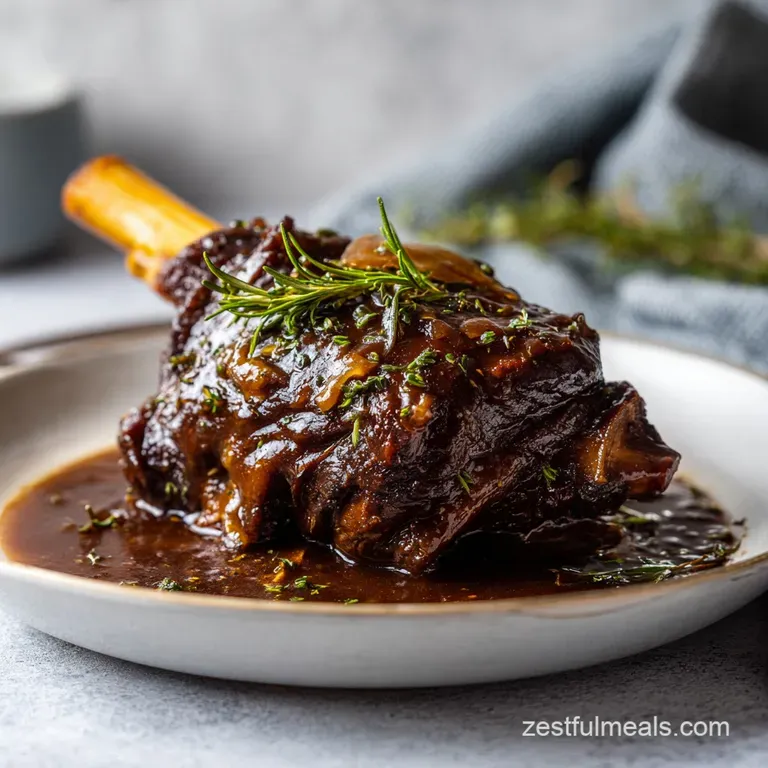
- Time: Active 20 minutes, Passive 480 minutes, Total 500 minutes
- Flavor/Texture Hook: Velvety, melt in-the mouth lamb with a glossy, herb scented finish
- Perfect for: Stress free Sunday family dinners or an impressive budget-friendly date night
- Master the Ultimate Slow Cooked Lamb Shanks with Garlic and Herb Infused Gravy
- The Structural Transformation of Slow Cooked Lamb
- Essential Performance Metrics for Achieving Tenderness
- Component Analysis for the Braising Liquid
- Selecting the Elements for a Hearty Braise
- Necessary Kitchen Tools for Seamless Cooking
- Executing the Braising Method Step by Step
- Resolving Common Cooking Challenges Successfully
- Smart Adaptation and Substitution Strategies
- Guidelines for Freshness and Reheating Excellence
- Elegant Presentation and Pairing Suggestions
- High in Sodium
- Recipe FAQs
- 📝 Recipe Card
Master the Ultimate Slow Cooked Lamb Shanks with Garlic and Herb Infused Gravy
Have you ever walked into a kitchen and been hit by that specific, heady aroma of garlic and rosemary swirling together in a cloud of steam? It’s the kind of scent that makes you drop your bags and forget about the long day because you know something incredible is happening in that pot.
This article features one incredible recipe for Slow Cooked Lamb Shanks with Garlic and Herb Infused Gravy. I remember the first time I tried making these; I was so worried about "gamey" flavors or ending up with dry meat, but the slow cooker is basically a magic box for this specific cut.
The real secret to success here isn't a fancy culinary degree or expensive gadgets. It’s all about patience and a few budget smart tricks I've picked up along the way while trying to feed a hungry family without breaking the bank.
We’re taking a cut of meat that most people overlook because it looks "tough" and turning it into something that literally falls off the bone with the slightest nudge of a fork. It’s brilliant, honestly, and it’s become my go to for those rainy autumn Saturdays when we just want to stay cozy.
But what about that heavy, greasy feeling some lamb dishes have? We’ll get to that. By the time we’re done, you’ll have a sauce that is velvety and clear, not a swamp of oil.
We’re going to use a simple cornstarch trick and a final whisk of cold butter to make that Infused Gravy look like it came out of a five star kitchen, even though you probably did the prep in your pajamas before the kids even woke up for school.
The Structural Transformation of Slow Cooked Lamb
The magic happening inside your slow cooker is all about the long term relationship between heat and connective tissue. Lamb shanks are packed with collagen, which is basically a tough, rubbery protein that holds the muscle together. If you were to grill a shank like a steak, it would be like chewing on a tire.
However, when we apply gentle heat over 8 hours, that collagen undergoes a beautiful metamorphosis, melting down into gelatin. This is what gives the meat that luscious, lip smacking quality and keeps it from drying out.
Another reason this works so well is the concept of flavor layering. When we sear the meat first, we’re creating a complex web of new flavor compounds on the surface of the lamb. This isn't just about color; it’s about creating a foundation for the braising liquid.
As the lamb simmers, it releases its own juices into the broth, while simultaneously absorbing the essence of the red wine, garlic, and herbs. It’s a two way street of deliciousness that you just can't get with a quick cook time.
Finally,, the aromatics the onion, carrot, and celery act as a "flavor sponge." They soften and release their natural sugars into the sauce, which balances the acidity of the red wine. This creates a rounded, full bodied profile that hits every part of your palate.
The slow, steady temperature ensures that the garlic doesn't burn and become bitter, but instead turns sweet and mellow, infusing every fiber of the meat.
- Collagen Breakdown: Long exposure to low heat converts tough connective tissue into silky gelatin.
- Aromatic Infusion: Slow simmering allows volatile herb oils to permeate the meat fibers deeply.
- Liquid Reduction: The slow evaporation (even in a sealed unit) concentrates the bone broth and wine.
- Tension Release: Steady heat prevents the muscle fibers from seizing up and squeezing out moisture.
Essential Performance Metrics for Achieving Tenderness
When you're dealing with a long braise, you need a few visual and physical cues to know exactly when the magic has happened. You don't necessarily need a thermometer for the meat itself though it helps because the texture is the ultimate guide.
I've found that once you hit the 8 hour mark on low, the meat should practically be retreating from the bone, exposing about an inch of the shank. That’s your first big visual "win."
| Meat Thickness | Target Finish | Rest Time | Visual Cue |
|---|---|---|---|
| Standard (400g) | 205°F (96°C) | 15 minutes | Meat pulls away from the bone easily |
| Large (500g+) | 205°F (96°C) | 20 minutes | Bone rotates freely when twisted |
| Small (300g) | 203°F (95°C) | 10 minutes | Fibers shred with a blunt spoon |
Don't skip that rest time mentioned in the table! If you pull the lamb out and shred it immediately, all those internal juices will just run out onto the cutting board, leaving the meat fibers feeling straw like in your mouth.
Giving it 15 minutes to chill out allows the proteins to relax and re absorb the liquid. It's the difference between "good" lamb and "why is-everyone silent and just eating" lamb.
While the lamb rests, that's your golden window to finish the gravy. You want the sauce to be thick enough to coat the back of a spoon what we cooks call "nappe." If it's too thin, it'll just disappear into your mashed potatoes. If it's too thick, it feels like paste.
We’re aiming for that glossy, velvety middle ground that catches the light and makes the whole dish look professional.
Component Analysis for the Braising Liquid
Understanding why we use specific ingredients helps you become a more intuitive cook. For example, using bone broth instead of a standard thin stock adds a natural thickness to the final Gravy because of its high gelatin content.
It’s a budget friendly way to get a premium mouthfeel without needing as much added thickener.
| Ingredient | Science Role | Pro Secret |
|---|---|---|
| Red Wine (Dry) | Acidity & Tannins | Use a Cabernet to cut through the lamb's natural fat |
| Bone Broth | Body & Umami | Roasted bone broth adds a deeper, darker color to the sauce |
| Tomato Paste | Glutamate Boost | Sauté until it turns brick red to remove the raw metallic taste |
| Fresh Rosemary | Piney Aromatics | Leave the sprigs whole; the leaves fall off naturally during the braise |
The red wine isn't just there for the "vibe." The acidity in the wine helps break down those tough fibers we talked about earlier, acting as a gentle tenderizer. It also provides a necessary counterpoint to the richness of the meat.
If you’re worried about the alcohol, don't be it mostly cooks off during the initial deglazing and the long simmer, leaving behind only the fruity, complex notes of the grapes.
When selecting your Lamb Osso Bucco or shanks, look for pieces that are roughly the same size. This ensures they all cross the finish line at the same time. If you have one massive shank and three small ones, the small ones will be overdone by the time the big guy is ready. Consistency is your best friend when you're cooking for a family of four or six.
Selecting the Elements for a Hearty Braise
Ready to shop? This list is designed to be accessible. You don't need to go to a specialty butcher; most local supermarkets carry these items, especially during the cooler months. If you find the lamb shanks on sale, grab a few extra they freeze beautifully!
- 4 large grass fed lamb shanks (approx. 400g each): Why this? Grass fed offers a leaner, more robust flavor profile for braising.
- Substitute: Beef short ribs (same weight).
- 2 tbsp extra virgin olive oil: Why this? High smoke point and healthy fats for the initial sear.
- Substitute: Vegetable oil or lard.
- 1 tsp kosher salt & 1 tsp cracked black pepper: Why this? Essential for building the initial crust and seasoning the core.
- Substitute: Sea salt.
- 1 large yellow onion, 2 large carrots, 2 stalks celery: Why this? The "holy trinity" of aromatics for a classic base.
- Substitute: Frozen mirepoix mix (about 2 cups).
- 6 cloves garlic, smashed and peeled: Why this? Smashed garlic releases flavor slowly without burning.
- Substitute: 2 tsp garlic powder (add to broth).
- 2 tbsp tomato paste: Why this? Provides color and a rich, savory "umami" backbone.
- Substitute: 1/4 cup tomato purée (reduce slightly).
- 1 cup dry red wine (Cabernet or Syrah): Why this? Adds depth and acidity to balance the lamb's fat.
- Substitute: Beef broth with 1 tbsp balsamic vinegar.
- 2 cups beef bone broth: Why this? Richer in protein and flavor than standard stock.
- Substitute: Chicken stock with a dash of soy sauce.
- Fresh Rosemary (3 sprigs), Thyme (4 sprigs), Bay Leaves (2): Why this? These "woody" herbs hold up perfectly to 8 hours of heat.
- Substitute: 1 tbsp dried Italian seasoning.
- 2 tbsp unsalted butter, cold: Why this? The secret to a glossy, professional finish for the gravy.
- Substitute: 1 tbsp heavy cream.
- 1 tbsp cornstarch: Why this? Creates a stable, clear thickening without the floury taste.
- Substitute: Arrowroot powder.
Necessary Kitchen Tools for Seamless Cooking
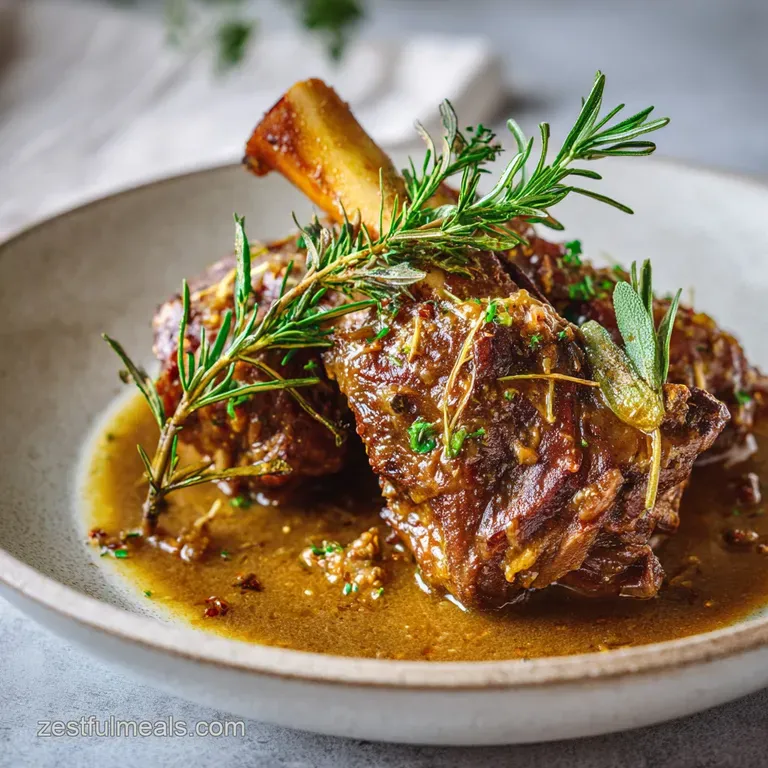
You don't need a kitchen full of gadgets, but a few specific tools make this process much smoother. A heavy bottomed skillet is non negotiable for the sear. If your pan is too thin, it won't hold the heat, and your lamb will end up steaming in its own juices rather than developing that gorgeous brown crust.
I personally love using a cast iron skillet because it gets ripping hot and stays that way.
The slow cooker itself is the star, of course. Make sure it's at least a 6 quart model so the shanks aren't crammed together. If they are packed too tightly, the heat won't circulate evenly, and the meat on the bottom might overcook while the top stays tough. Also, keep a pair of sturdy tongs nearby.
These shanks become very delicate once they're done, and trying to lift them with a fork is a recipe for a "lamb alanche" where the meat just slides off and splashes back into the hot liquid.
Finally,, a fine mesh strainer is your best friend for the final step. To get that truly velvety Herb Infused Gravy, you want to remove all the bits of softened carrot, onion, and spent herb stems. It might seem like an extra dish to wash, but the difference in presentation is massive.
Your family will think you spent hours whisking a roux when really, you just let a strainer do the hard work.
Executing the Braising Method step-by-step
- Pat the lamb shanks completely dry with paper towels to ensure a proper sear. Note: Moisture is the enemy of a good crust; wet meat just steams.
- Season the meat aggressively on all sides with the kosher salt and cracked black pepper.
- Heat the extra virgin olive oil in a heavy bottomed skillet over medium high heat until it shimmers and just begins to smoke.
- Brown the shanks in batches, searing until they develop a deep, mahogany colored crust on all sides. Note: This should take about 3-4 minutes per side.
- Transfer the browned shanks to your slow cooker, arranging them so they have a little breathing room.
- In the same skillet (don't wash it!), sauté the diced onion, carrots, and celery in the leftover lamb fat until softened and slightly browned.
- Add the smashed garlic and tomato paste to the vegetables, cooking for 2 minutes until the paste darkens and smells toasted.
- Deglaze the pan with the red wine, scraping up all those flavorful browned bits (the fond) from the bottom. Pour this whole mixture over the shanks.
- Add the beef bone broth, rosemary, thyme, and bay leaves. Cover and cook on Low for 8 hours (or High for 6 hours) until the meat is fall off-the bone tender.
- Carefully remove the shanks and keep them warm on a plate covered with foil.
- Strain the braising liquid through a fine mesh strainer into a saucepan, discarding the spent vegetables and herbs.
- Bring the liquid to a simmer and whisk in a slurry made of the cornstarch and 1 tbsp of water.
- Once the sauce has thickened, remove it from the heat and whisk in the cold unsalted butter until the gravy is glossy and velvety. Serve immediately over the shanks.
Resolving Common Cooking Challenges Successfully
Even the best of us hit a snag sometimes. The most common issue I hear about is the meat feeling "tough" even after the timer goes off. Usually, this just means the lamb needs another 30 to 45 minutes.
Every slow cooker runs at a slightly different temperature, and larger shanks simply take more time to break down that stubborn collagen. Don't panic; just put the lid back on and walk away for a bit.
Troubleshooting the Liquid Consistency
Sometimes the gravy can turn out a bit more "soupy" than you’d like. This usually happens if the vegetables released more water than expected or if the lid on your slow cooker didn't have a tight seal, allowing too much evaporation (which sounds counter intuitive, but it can mess with the ratios).
A quick simmer on the stovetop is always the answer. Never try to thicken the sauce inside the slow cooker; it's just not hot enough to activate the starches properly.
| Problem | Root Cause | Solution |
|---|---|---|
| Greasy Gravy | Excessive fat rendered from the lamb | Chill the liquid for 10 mins and skim the top or use a fat separator |
| Bland Sauce | Under seasoned at the start or weak broth | Add a teaspoon of balsamic vinegar or a pinch more salt at the end |
| Stringy Meat | Cooked too fast on High heat | Stick to the Low setting for the full 8 hours whenever possible |
Common Mistakes Checklist
- ✓ Never skip the searing step; you lose 50% of the flavor potential without that crust.
- ✓ Don't peek! Every time you lift the lid, you lose about 20 minutes of cooking heat.
- ✓ Pat the meat bone dry before it hits the oil to avoid "gray" boiled looking lamb.
- ✓ Always use cold butter for the final whisk; warm butter will just melt into oil rather than creating a creamy emulsion.
- ✓ Ensure the shanks are mostly submerged in liquid to prevent the tops from drying out.
Smart Adaptation and Substitution Strategies
If you’re looking to scale this recipe down for a quiet dinner for two, it’s quite simple. Just use 2 shanks instead of 4 and reduce the liquids by about 25%. Don't cut the liquid in half, or you risk the slow cooker running dry and scorching the aromatics.
For scaling up to a crowd, work in batches for the searing phase. Overcrowding the pan is the fastest way to drop the temperature and end up with soggy meat.
If you are in a rush and need a faster weeknight fix, you might consider my Beef and Broccoli Ramen Stir Fry, which takes a fraction of the time. However, for the true Slow Cooked Lamb experience, there really is no shortcut for that 8 hour window. If you are cooking for a huge party, you can actually double the meat but only increase the salt and spices by 1.5x to avoid an over seasoned sauce.
| Original Ingredient | Substitute | Why It Works |
|---|---|---|
| Red Wine | 1 cup Beef Broth + 1 tbsp Apple Cider Vinegar | Provides the necessary acidity without the alcohol content. |
| Lamb Shanks | Beef Short Ribs | Similar collagen content. Note: Beef is fattier, so skim the sauce well. |
| Cornstarch | All Purpose Flour (Roux) | Classic thickener. Note: Requires longer cooking to remove raw flour taste. |
Guidelines for Freshness and Reheating Excellence
Leftover lamb is a gift. Honestly, sometimes I think it tastes better on day two because those herbs have had even more time to mingle. You can store the lamb and the gravy together in an airtight container in the fridge for up to 3 to 4 days.
When you're ready to eat, the gravy will likely have turned into a thick jelly that’s just the gelatin we talked about! It will turn back into a silky liquid as soon as it hits the heat.
For reheating, skip the microwave if you can. It tends to make the lamb "rubbery." Instead, place the shanks and sauce in a small covered pot with a splash of water or broth. Heat it gently over medium low until the meat is warmed through. This keeps the moisture locked in.
If you want to freeze it, this dish is a champ. It stays perfect for up to 3 months. Just thaw it in the fridge overnight before reheating.
Zero Waste Tip: Don't toss those bones! Once you've finished the meat, you can throw the bones back into a pot with some water and vegetable scraps to make a phenomenal lamb stock for future soups or stews.
Also, any leftover meat that falls off can be shredded and tossed with pasta or used as a filling for a shepherd’s pie the next day.
Elegant Presentation and Pairing Suggestions
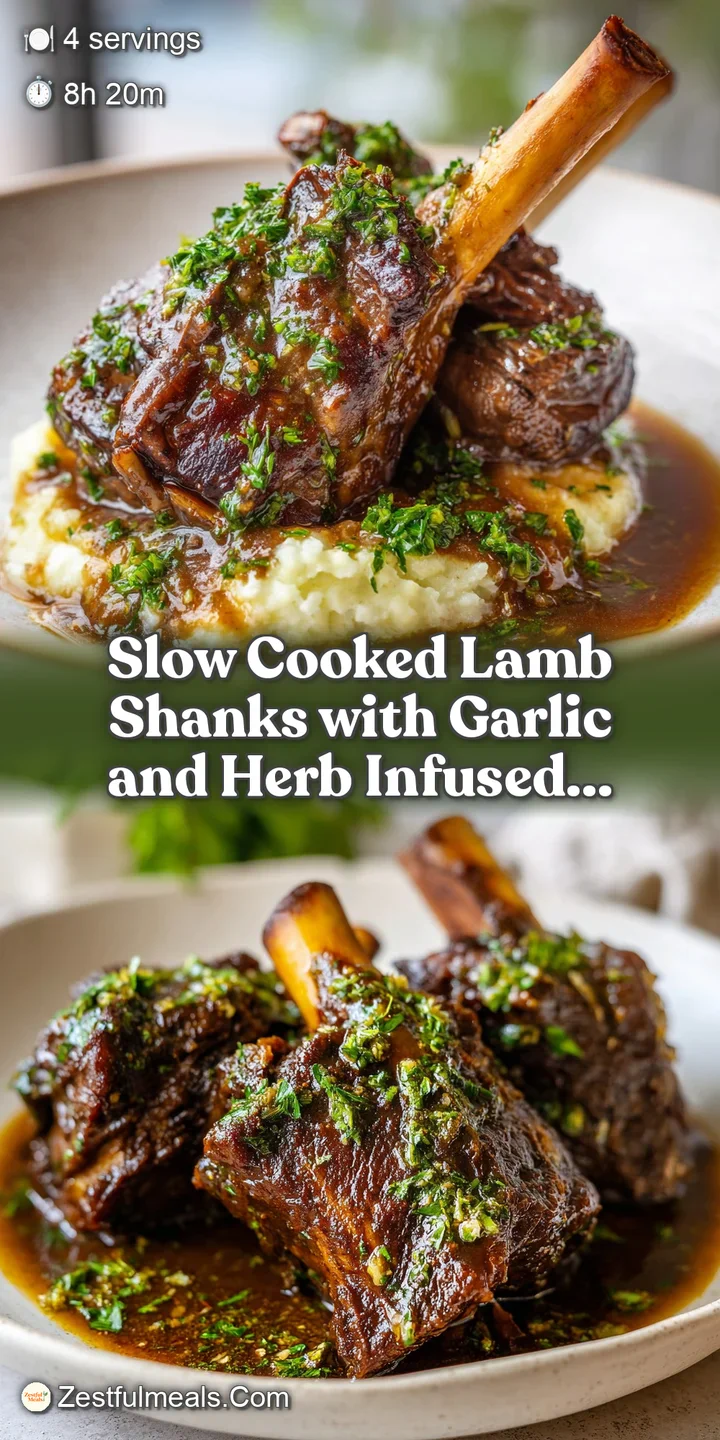
When it's time to serve, you want the plate to look as good as it smells. The classic pairing is a mountain of buttery mashed potatoes they act like a sponge for that incredible gravy.
If you want something a bit more interesting, try serving the lamb over a bed of creamy polenta or even some wide pappardelle noodles. The starch provides the perfect neutral base for the bold, savory flavors of the lamb.
The Classic Pairing
Mashed potatoes are the traditional choice for a reason. Use a starchy potato like a Russet or Yukon Gold, and don't be shy with the butter and cream. A little roasted garlic mashed right into the potatoes creates a nice bridge to the garlic in the lamb's braising liquid. It's comfort food at its absolute peak.
The Bright Contrast
Because this dish is so rich and deep, it craves a bit of brightness on the side. A simple gremolata a mix of lemon zest, fresh parsley, and minced garlic sprinkled over the top right before serving adds a "pop" of freshness that cuts through the fat.
I also love serving this with some honey glazed carrots or a crisp green salad with a sharp vinaigrette. It cleanses the palate between those rich, velvety bites of lamb.
Right then, you're all set! Just remember: dry the meat, sear it hard, and let the slow cooker do the heavy lifting. You've got this. Your house is about to smell incredible, and your family is going to be very, very happy. Let's crack on!
High in Sodium
820 mg 820 mg (36% 36% of daily value)
The American Heart Association recommends limiting sodium intake to no more than 2,300mg per day, with an ideal limit of about 1,500mg for most adults.
Tips to Reduce Sodium
-
Opt for Low-Sodium Broth-30%
Replace the 2 cups of beef bone broth with low-sodium or no-salt added beef broth. This single change can significantly cut down on added sodium.
-
Halve the Added Salt-15%
Reduce the 1 tsp of kosher salt by half to 0.5 tsp. You can always add more salt at the table if needed, but starting with less is key.
-
Boost Flavor with Herbs and Spices
Leverage the natural flavors of the fresh rosemary, thyme, and bay leaves. Consider adding other no-sodium herbs and spices like garlic powder, onion powder (if not using fresh), paprika, or a pinch of red pepper flakes.
-
Mindful Aromatics-5%
While onions and garlic are excellent for flavor, ensure they are fresh and not from a salty bouillon or seasoning blend. Their natural compounds contribute great depth without sodium.
-
Choose Unsalted Wine-2%
While most dry red wines have negligible sodium, if you have the option, select a wine that is specifically labeled as unsalted or low in sodium, though this is less common.
Recipe FAQs
How to ensure the lamb develops a deep, mahogany colored crust?
Pat the lamb shanks completely dry with paper towels before seasoning. Moisture is the enemy of browning; removing it allows the meat to sear in the olive oil rather than steam, creating that essential flavor packed crust.
Is it true I must leave the vegetable solids in the final gravy?
No, this is a common misconception. You should strain the braising liquid through a fine mesh strainer to achieve the professional, velvet textured gravy required for this dish, as the vegetables have already imparted their flavor during the 8-hour cook time.
How to thicken the gravy if it appears too thin?
Simmer the strained liquid in a saucepan on the stovetop and whisk in the cornstarch slurry. If you enjoyed mastering this starch based thickening technique, see how we apply the same logic to create a creamy sauce base in our other signature dishes.
Can I speed up the cooking process?
Yes, use the High setting for 6 hours instead of Low for 8. The lamb will reach the same fall off-the-bone tenderness, provided your slow cooker maintains a consistent high temperature throughout the process.
Why is it necessary to deglaze the skillet with red wine?
Scraping the browned bits, or fond, from the bottom of the skillet creates the flavor foundation for your sauce. These caramelized remnants contain concentrated proteins that dissolve into the wine, adding depth that simple broth alone cannot provide.
How to keep the meat warm while thickening the gravy?
Transfer the cooked shanks to a platter and cover them tightly with aluminum foil. This retains the residual heat and prevents the meat from drying out while you perform the final step of simmering and emulsifying your gravy with cold butter.
Is it possible to prepare the base vegetables in advance?
Yes, you can finely dice your onions, carrots, and celery a day early to save time. Keep them refrigerated in an airtight container until you are ready to sauté them in your skillet for the initial base of the sauce.
Slow Cooked Lamb Shanks
Ingredients:
Instructions:
Nutrition Facts:
| Calories | 587 kcal |
|---|---|
| Protein | 38 g |
| Fat | 41 g |
| Carbs | 12 g |
| Fiber | 2 g |
| Sugar | 4 g |
| Sodium | 820 mg |
