Smoked Beef Brisket: Buttery Masterpiece
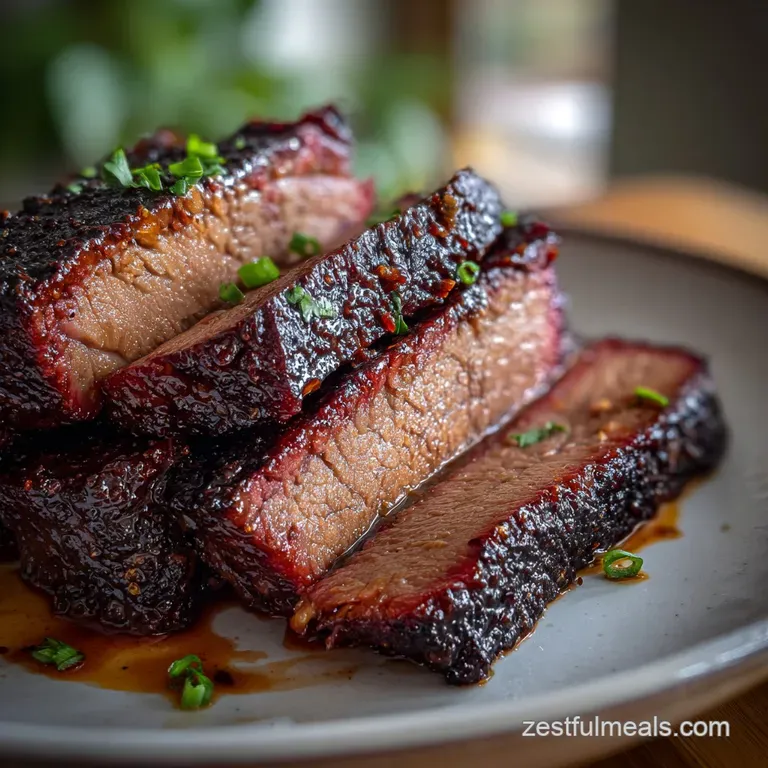
- Time: Active 45 minutes, Passive 20 hours 15 mins, Total 21 hours
- Flavor/Texture Hook: Peppery, salt crusted bark with a velvety, jiggly interior
- Perfect for: Large family gatherings, backyard celebrations, or weekend food prep
- The Best Smoked Beef Brisket Tactics
- Crucial Recipe Performance Metrics
- Essential Seasoning and Prep Elements
- Required Tools for Outdoor Success
- Mastering the Full Cooking Process
- Reliable Solutions for Better Results
- Adjusting for Different Family Sizes
- Flavor Variations and Smart Swaps
- Proper Storage and Waste Prevention
- Backyard Barbecue Myths
- Perfect Side Dish Complement Ideas
- Critical in Sodium
- Recipe FAQs
- 📝 Recipe Card
The Best Smoked Beef Brisket Tactics
The way that black pepper bark crackles under a sharp knife at the end of a long cook is a sound every home cook should experience at least once. I remember my first attempt years ago; I stayed up all night, hovering over the vents, terrified the fire would go out, only to end up with something resembling a leather boot.
It was a humbling moment, but it taught me that patience and a thick 13 lb whole packer brisket are the keys to success. We aren't just cooking meat here; we're coaxing a stubborn cut into submission.
When you pull that heavy, foil wrapped bundle off the grates and feel it jiggle like a bowl of Jell O, you know you've won. This recipe is designed for the family budget, using a massive packer brisket that feeds a crowd for a fraction of the price of individual steaks.
It’s a marathon, not a sprint, and while the 21 hours total time might seem daunting, most of that is just the smoker doing its thing while you relax or sleep. Trust me, the aroma of hickory and garlic wafting through the yard is better than any candle you can buy.
The Physics of Collagen Melt
Low Temp Hydrolysis: Sustained heat between 225°F and 250°F slowly converts tough connective collagen into liquid gelatin. This process requires hours of steady temperature to ensure the meat fibers slide apart rather than staying stringy and dry.
Winning Strategies for Success
- Fat Cap Management: Leave exactly 1/4 inch of fat on top to act as a self basting mechanism during the long haul.
- The Long Rest: Never slice immediately; a 4 hour rest in a warm cooler allows the internal juices to redistribute.
- Consistent Airflow: Ensure your exhaust is wide open to prevent bitter, stagnant smoke from coating the bark.
| Thickness | Internal Temp | Rest Time | Visual Cue |
|---|---|---|---|
| 3 inches (Flat) | 203°F | 4 hours | Meat probe slides in like warm butter |
| 5 inches (Point) | 205°F | 4 hours | Fat is translucent and soft |
| 1 inch (Trimmed) | 195°F | 2 hours | Surface bark is dark and matte |
Finding the right balance of heat and time is what separates a backyard hobbyist from a pitmaster. If you find yourself craving beef but don't have 21 hours to spare, you might enjoy the rich flavors in my Slow Cooker Pot Roast recipe which delivers that fork tender texture in a fraction of the time. However, for those special family reunions, nothing beats the prestige of a full packer.
Crucial Recipe Performance Metrics
| Component | Science Role | Pro Secret |
|---|---|---|
| 16 mesh Black Pepper | Bark Formation | The coarse grind creates "nooks" for smoke to grab onto |
| Apple Cider Vinegar | Surface Acidity | Spritzing lowers surface temp slightly to prevent burning |
| Yellow Mustard | Tack Agent | The vinegar in mustard helps the rub stick without adding flavor |
| Kosher Salt | Protein Denaturation | Coarse grains penetrate deeper than table salt for even seasoning |
Understanding how these elements interact is the difference between a grey roast and a dark, mahogany brisket. The 1/2 cup coarse kosher salt isn't just for flavor; it actively breaks down the surface proteins to create a tacky surface known as a "pellicle," which is where that iconic smoke ring actually forms.
Essential Seasoning and Prep Elements
For this Smoked Beef Brisket, we are keeping the flavors classic and bold. A massive 13 lb whole packer brisket needs a heavy hand with the seasoning to ensure the flavor reaches through the thickest parts of the meat.
- 13 lb whole packer brisket (Prime or high choice grade preferred) Why this? Higher fat marbling prevents the meat from drying out during the long cook.
- 1/4 cup yellow mustard Why this? It acts as a "binder" to hold the rub without affecting final taste.
- 1/2 cup coarse kosher salt (Substitute: Sea salt, but use 25% less by volume)
- 1/2 cup 16 mesh coarse black pepper (Substitute: Butcher's grind pepper)
- 2 tbsp granulated garlic (Substitute: Garlic powder, though it may clump)
- 1 cup apple cider vinegar Why this? Adds essential acidity to the spritz to balance the rich fat.
- 1 cup water (Substitute: Apple juice for a sweeter bark)
Required Tools for Outdoor Success
To manage a 13 lb whole packer brisket effectively, you'll need a few non negotiable pieces of gear. A pellet grill or offset smoker is the heart of the operation, but the small things matter just as much.
A high-quality digital meat thermometer is your best friend here; guessing by touch is a recipe for heartbreak when you've invested 20 hours 15 mins of your life into a piece of meat.
You'll also need a heavy duty set of tongs and a large cutting board with a juice groove. Seriously, don't skip the juice groove unless you want a lake of beef fat on your kitchen counters. For the wrap, use pink butcher paper if you can find it.
It's more breathable than foil, which helps preserve that crunchy bark we've worked so hard to build. If you're out of butcher paper, heavy duty aluminum foil works, though it will soften the exterior slightly.
Mastering the Full Cooking Process
1. Trimming for Aerodynamics
Remove the 13 lb whole packer brisket from the fridge while cold. Use a sharp boning knife to trim the hard white fat from the top, leaving a consistent 1/4 inch layer. Note: Round off any sharp edges or thin "flaps" of meat, as these will burn and become bitter during the smoke.
2. Applying the Bark Builder Rub
Slather the 1/4 cup yellow mustard over the entire surface of the beef. Combine the 1/2 cup coarse kosher salt, 1/2 cup 16 mesh coarse black pepper, and 2 tbsp granulated garlic in a shaker. Note: Dust the meat liberally from about 12 inches above to ensure an even, heavy coating on all sides.
3. Setting the Smoke
Preheat your smoker to 225°F using oak or hickory wood. Place the meat on the grates with the fat cap facing the heat source. Note: Position the thickest part of the brisket toward the hottest part of your firebox for even rendering.
4. Spritzing and Monitoring the Stall
After 3 hours, combine the 1 cup apple cider vinegar and 1 cup water in a spray bottle. Spritz the meat every 60 minutes until the surface looks dark mahogany and the fat is soft. This usually happens around 160°F internal temperature.
5. Executing the Butcher Paper Wrap
Once the bark is set, wrap the meat tightly in two layers of pink butcher paper. Note: This "Texas Crutch" method traps just enough moisture to power through the "stall" while keeping the bark intact.
6. Testing for "Probe Tenderness"
Continue cooking until the internal temperature reaches 203°F in the thickest part. The thermometer should slide in with zero resistance. Note: Every cow is different, so focus on the feel of the meat rather than just the number on the screen.
7. The Crucial Insulated Rest
Pull the wrapped meat from the smoker and place it inside a room temperature cooler. Wrap it in a few old towels for insulation and let it rest for at least 3 hours. Note: This allows the muscle fibers to relax and reabsorb the rendered gelatin for a velvety finish.
8. Slicing Against the Grain
Unwrap the meat carefully to save the accumulated juices. Identify the grain of the "flat" and slice into 1/4 inch strips. Note: Remember that the grain of the "point" runs in a different direction, so you'll need to rotate the meat halfway through slicing.
Reliable Solutions for Better Results
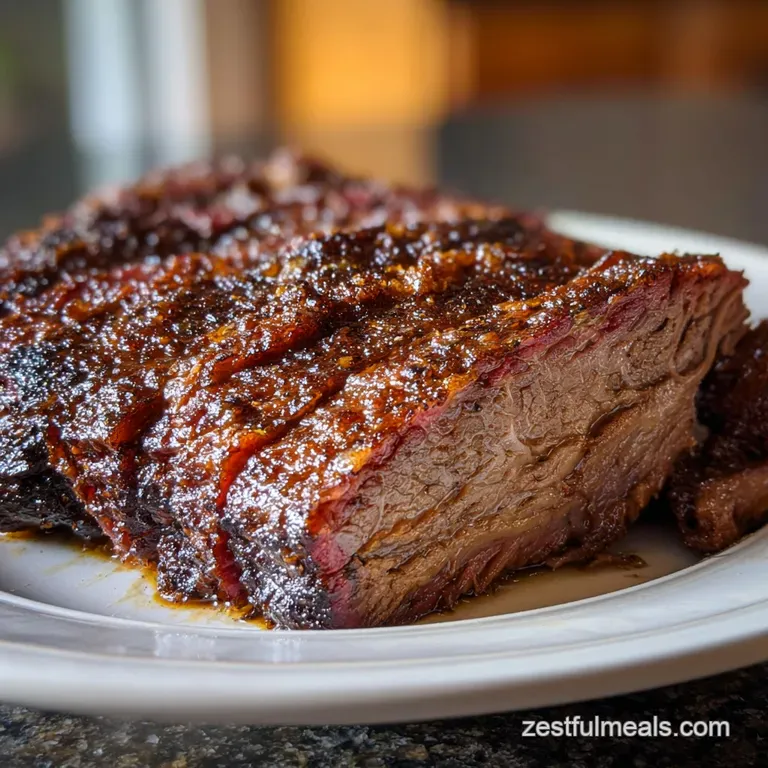
One of the most frustrating parts of this process is the "stall." This is when the meat temperature stops rising for hours as moisture evaporates from the surface, cooling it down. Don't panic and crank up the heat! This is a natural part of the thermodynamics of a Smoked Beef Brisket.
If you're feeling nervous, remember that even pros have moments where the meat seems stuck.
Another common issue is the "creosote" taste, which happens when the smoke is thick and white instead of thin and blue. This usually means your fire isn't getting enough oxygen. Always make sure you have a clean burning fire before you put your meat on the grates.
Managing the Mid Cook Temperature Stall
The stall happens when the cooling effect of evaporation matches the heat of the smoker. It can last 4-6 hours! The solution is the butcher paper wrap, which creates a mini sauna effect and pushes the internal temp past the 165°F plateau.
| Problem | Root Cause | Solution |
|---|---|---|
| Tough/Rubbery Meat | Under rendered collagen | Continue cooking until probe slides in like butter |
| Bitter Aftertaste | "Dirty" white smoke | Ensure wood is dry and vents are open for airflow |
| Dry/Crumbly Texture | Overcooked or poor grade | Slice thicker and serve with reserved juices (au jus) |
Common Mistakes Checklist
- ✓ Always trim the meat while it is ice cold; warm fat is impossible to cut cleanly.
- ✓ Use a water pan in the smoker to keep the environment humid and prevent the edges from drying out.
- ✓ Never skip the rest; slicing too early will cause all the moisture to pour out onto the board.
- ✓ Ensure your black pepper is "16 mesh" or coarse; fine table pepper will make the rub too spicy and muddy.
- ✓ Check your pellet hopper or wood supply every 2-3 hours to avoid a flame out.
Adjusting for Different Family Sizes
Scaling a 13 lb whole packer brisket is tricky because the cook time doesn't scale linearly. If you're cooking for a smaller group, you might be tempted to buy just the "flat" portion. Be warned: the flat is much leaner and dries out faster than a whole packer.
If you decide to double the recipe for a massive party, don't just double the cook time. Two briskets in the smoker will take slightly longer than one because they absorb more heat, but it won't take 40 hours! Plan for an extra 2 hours of buffer time and make sure there is at least 3 inches of space between the two meats to allow the smoke to circulate properly. If you find yourself with too much meat, consider using the leftovers in a Manicotti with Meat recipe for a smokey twist on a classic Italian dinner.
Flavor Variations and Smart Swaps
While the central Texas style (salt and pepper) is the gold standard for Smoked Beef Brisket, you can definitely play around with the rub to suit your family's preferences. If you're on a budget, don't feel pressured to buy the most expensive "boutique" rubs.
The simple combination of salt, pepper, and garlic in this recipe is what most professional barbecue joints use anyway.
| Premium | Budget | Flavor Impact | Savings |
|---|---|---|---|
| Wagyu Brisket | Choice Grade | Higher fat content vs leaner bite | Save $60-$80 |
| Pink Butcher Paper | Aluminum Foil | Crispy bark vs softer, "pot roast" bark | Save $15 |
| Wood Chunks | Wood Pellets | Stronger smoke profile vs convenience | Save $5 |
Coffee Infused Bark
For a deeper, earthier flavor, swap 1/4 cup of the black pepper for finely ground dark roast coffee. The acidity in the coffee mimics the tannins in wood smoke and creates a stunning, jet black crust that looks incredible on the platter.
Sweet & Heat Rub
If your kids prefer a bit of sweetness, add 1/4 cup of brown sugar to the rub. Just be careful sugar burns at temperatures above 275°F, so you must keep your smoker temp strictly at 225°F to avoid a bitter, charred exterior.
Proper Storage and Waste Prevention
Storage: Smoked brisket stays fresh in the fridge for up to 4 days if wrapped tightly in foil or stored in an airtight container. For long term storage, vacuum sealing is the way to go; it can last in the freezer for up to 3 months without losing that smokey punch. When reheating, avoid the microwave!
It will turn your velvety fat into rubber. Instead, heat it low and slow in the oven at 250°F with a splash of beef broth.
Zero Waste: Never throw away the fat trimmings from your 13 lb whole packer brisket. You can render those scraps down in a pan to make "beef tallow." This liquid gold is perfect for frying eggs, roasting potatoes, or even wiping down your cast iron pans.
The "burnt ends" (the crispy, fatty bits from the point) can be tossed in BBQ sauce and reheated for a second meal that many people actually prefer over the main slices.
Backyard Barbecue Myths
Myth: The smoke ring indicates better flavor. The pink smoke ring is actually a chemical reaction between nitrogen dioxide and the meat's myoglobin. It looks beautiful, but it doesn't actually contribute to the taste. You can have a world class brisket with no smoke ring if the environment is too dry.
Myth: Searing the meat "seals in" the juices. Searing actually causes the surface fibers to tighten and squeeze out moisture. For Smoked Beef Brisket, we rely on the slow rendering of internal fat and a proper rest to keep the meat juicy, not a over high heat sear at the beginning.
Perfect Side Dish Complement Ideas
When you're serving something as rich as Smoked Beef Brisket, you need sides that offer a bit of acidity or crunch to cut through the fat. A tangy vinegar based coleslaw or pickled red onions are essential for balancing the palate.
If you want a more substantial side, a creamy mac and cheese or smoked baked beans are classic companions that everyone in the family will love.
For a unique pairing, try serving the brisket alongside a hearty pasta. The smokey flavor of the beef pairs surprisingly well with a Beef Italian Sausage recipe if you're looking to create a multi meat platter for a big event. Just remember to keep the portions manageable; this brisket is incredibly filling, and you'll want to make sure everyone saves room for those crispy burnt ends!
Critical in Sodium
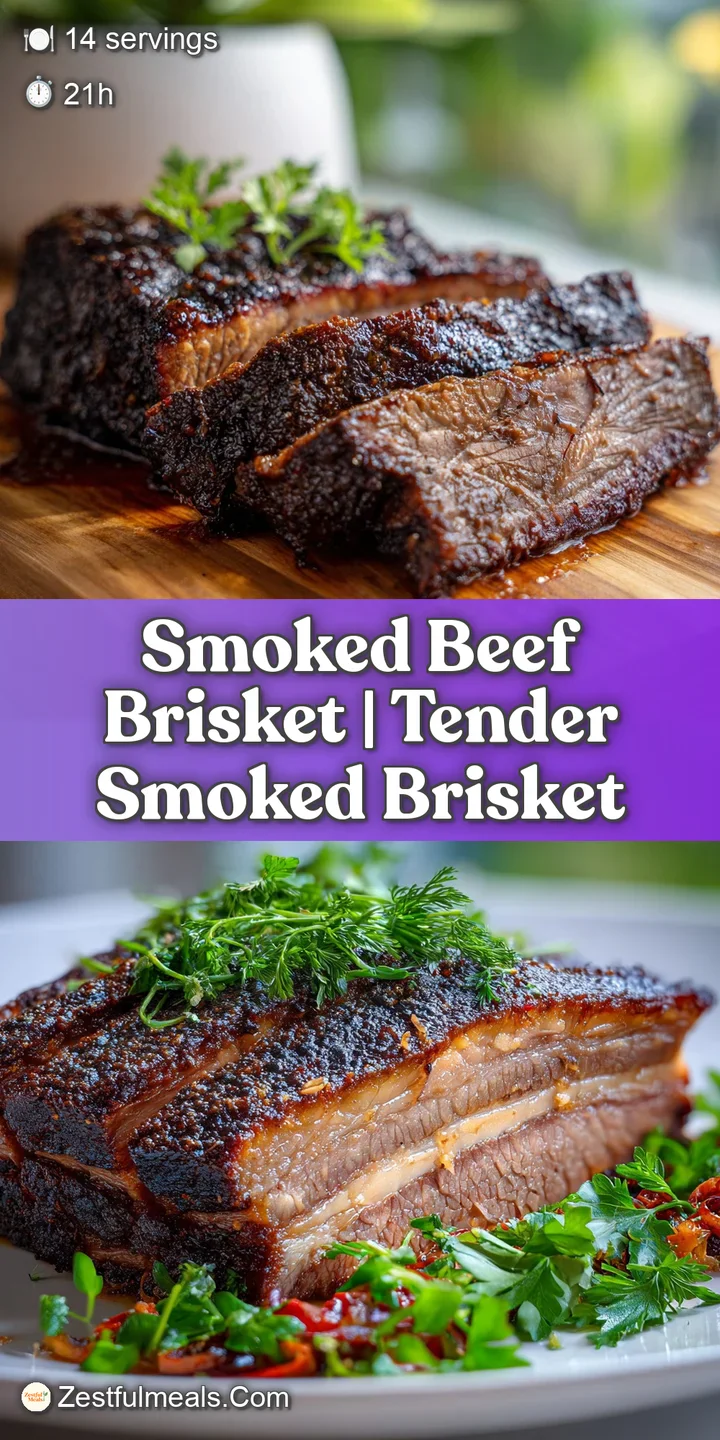
1420 mg mg of sodium per serving (62% of daily value)
The American Heart Association recommends limiting sodium intake to no more than 2,300mg per day for most adults. Reducing sodium can significantly improve heart health.
Sodium Reduction Tips for Your Brisket Recipe
-
Reduce Kosher Salt-25%
Kosher salt is a major contributor to the high sodium content. Reduce the amount of kosher salt by 25% (from 1/2 cup to 6 tablespoons) without significantly impacting flavor. Consider using a low-sodium salt substitute for up to half the amount.
-
Spice It Up!
Use a blend of sodium free spices to enhance the brisket's flavor instead of relying heavily on salt. Increase the granulated garlic or try other spices like smoked paprika, onion powder, or chili powder. Experiment with flavors to achieve the desired taste.
-
Mustard Moderation-15%
While yellow mustard adds flavor, it also contributes to the sodium. Reduce the amount of yellow mustard used as a binder by half, or switch to a low-sodium mustard variety to keep flavor and moisture.
-
Dilute the Marinade-10%
The marinade contains both salt and vinegar, both of which can be potent. Slightly increase the amount of water to further dilute the marinade; this can help reduce the overall sodium content while still allowing the brisket to absorb flavor.
Recipe FAQs
What is the 4 2 10 rule brisket?
No, the most common rule is the 3:2:1 ratio for ribs, not brisket. Brisket timing is highly variable based on thickness and cooker consistency.
How long does a brisket need to smoke at 225?
Expect 18 to 24 hours, but focus on probe tenderness, not time. A typical 13-pound packer requires this low-and-slow smoke to convert collagen into gelatin, which usually happens around 203°F internal.
What is the 3:2:1 rule for brisket?
No, the 3:2:1 rule is exclusively for St. Louis style pork ribs, not beef brisket. That ratio refers to 3 hours smoking, 2 hours wrapping/braising, and 1 hour unwrapped for the ribs.
What is the secret to the perfect smoked brisket?
The secret is a long, insulated rest (minimum 3 hours) after reaching probe tenderness. This allows the internal juices to redistribute evenly throughout the meat fibers, ensuring succulence rather than drying out on the cutting board.
Is it true you must slice the brisket immediately after resting?
No, slicing immediately is the fastest way to ruin a perfect brisket. You must let it rest for hours to allow the rendered fat and moisture to be reabsorbed; if you slice too soon, all that precious liquid will run out onto your cutting board.
How do I prevent my bark from turning soft during the wrap phase?
Wrap only after the bark is fully set, usually around 160°F internal, using butcher paper instead of foil. Butcher paper traps enough moisture to push through the stall without suffocating the crust, unlike foil which can steam it soft.
If I don't have 20 hours, can I cook a brisket faster?
Yes, but the texture will change significantly; you must raise the temperature above 250°F. Cooking faster renders the collagen less completely, resulting in a firmer texture; if you need speed, consider a quicker beef cut like the one featured in our Beef Flat Iron Recipe with Garlic.
Smoked Beef Brisket Master
Ingredients:
Instructions:
Nutrition Facts:
| Calories | 648 kcal |
|---|---|
| Protein | 59g |
| Fat | 44g |
| Carbs | 2g |
| Fiber | 1g |
| Sugar | 0g |
| Sodium | 1420mg |
