German Potato Pancakes: Shatter Crisp and Creamy
- Time: Active 15 minutes, Passive 15 minutes, Total 30 minutes
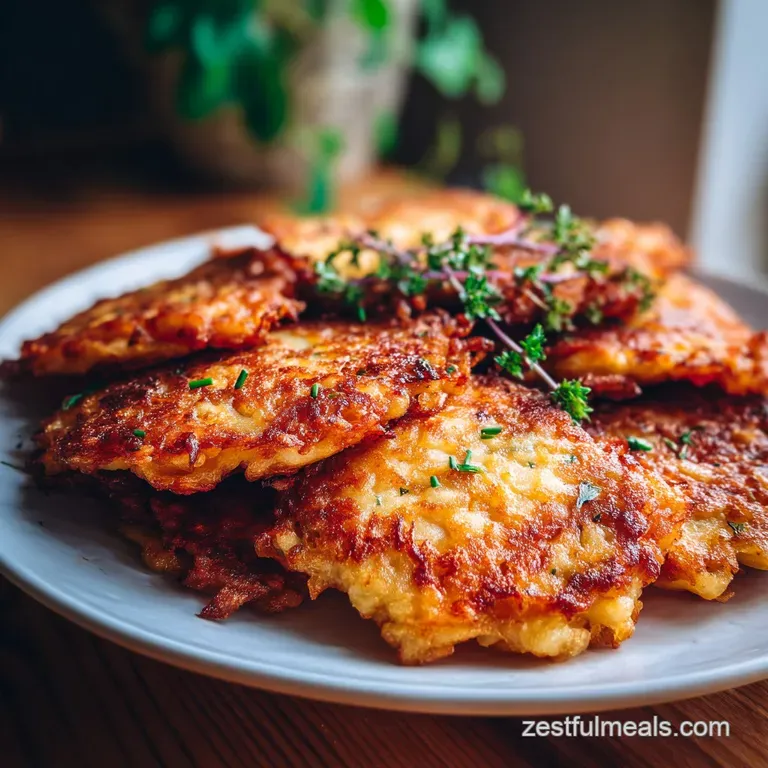
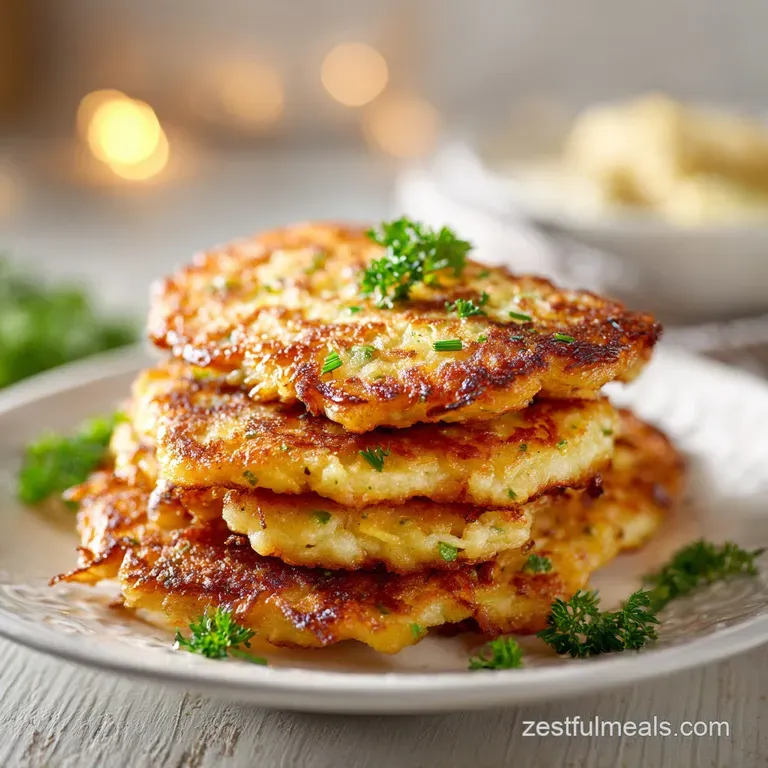
- Flavor/Texture Hook: Shatter crisp edges with a buttery, velvety interior
- Perfect for: Quick weeknight dinners or a cozy traditional German breakfast
- Key Techniques for Authentic German Potato Pancakes
- Essential Specs for Your Kartoffelpuffer Success
- The Complete Shopping List Breakdown
- Equipment Needed for the Best Results
- The Cooking Process Step by Step
- How to Fix Common Pancake Problems
- Scaling the Recipe for Large Families
- Myth Busting Kitchen Tales
- Flavor Variations to Try
- Make-Ahead and Leftover Storage Tips
- Perfect Pairing Ideas for Potato Pancakes
- Recipe FAQs
- 📝 Recipe Card
Key Techniques for Authentic German Potato Pancakes
Forget everything you’ve been told about needing a fancy cast iron press or some secret heirloom potato variety to get that restaurant style crunch. There is a persistent myth in the cooking world that "Kartoffelpuffer" (as my German neighbors call them) are fussy or require hours of soaking. They don't.
In fact, if you’re soaking your potatoes, you’re actually washing away the very thing that makes them stay together: the starch. I used to think the secret was just more flour, but all that did was give me a heavy, doughy disc that felt like lead in the stomach.
The real magic happens when you stop fighting the potato and start working with its natural chemistry. When we grate these potatoes, they release a lot of liquid. Most people just dump that liquid down the sink, but that’s like throwing away liquid gold. Tucked at the bottom of that bowl is a thick, white sludge.
It looks a bit odd, I'll admit, but that reclaimed starch is what creates that incredible, glassy crunch on the outside while keeping the inside from drying out. When I first started making these for my kids, they’d pick at the edges and leave the middle.
Once I started using the starch reclamation trick, they started clearing the whole plate.
You don't need a gourmet kitchen to pull this off. Whether you use a box grater for that rustic, uneven texture or a food processor to save your knuckles on a busy Tuesday, the results are going to be light years better than anything from a box.
We are aiming for a pancake that sizzles the moment it hits the oil and holds its shape with a confident, golden crust. It’s budget friendly, fast, and honestly, the smell of frying onions and nutmeg is enough to bring everyone running to the kitchen before you’ve even flipped the first batch.
| Cooking Method | Total Time | Texture Outcome | Best For |
|---|---|---|---|
| Food Processor | 20 mins | Uniform, thin strands | Busy weeknights / large batches |
| Box Grater | 30 mins | Varied, rustic, extra crispy | Authentic texture / slow weekends |
| Air Fryer | 25 mins | Drier, less oily finish | Health conscious / quick snacks |
It is important to remember that the method you choose affects how much liquid you'll need to squeeze out. A box grater usually creates more surface area, which means more juice, while the food processor is faster but can sometimes "bruise" the onion more, releasing more liquid.
No matter which tool you grab, the goal remains the same: get that potato onion mix as dry as humanly possible before you even think about adding the eggs.
Essential Specs for Your Kartoffelpuffer Success
Moisture Control: Squeezing the grated mixture in a kitchen towel removes excess water that would otherwise steam the pancake instead of frying it. Starch Reclamation: Allowing the potato water to sit lets the heavy starch settle, which acts as a natural, flavorless glue when added back to the batter.
Aromatic Stability: Grating the onion directly with the potato prevents the potatoes from turning an unappetizing grey through oxidation. Heat Conductivity: Using a neutral oil with a high smoke point allows for a sustained "sizzle" that builds a thick crust without the fat burning or smoking out your kitchen.
| Component | Science Role | Pro Secret |
|---|---|---|
| Starchy Potatoes | Provide the structure and the "sludge" starch for binding. | Use older potatoes; they have less water and more starch than new ones. |
| Yellow Onion | The acidity keeps the potato white and adds savory depth. | Grate it into the same bowl so the juices mix immediately with the potato. |
| Ground Nutmeg | Cuts through the richness of the oil and enhances the earthy potato. | A tiny pinch is all you need don't overdo it or it becomes a dessert. |
| Fine Sea Salt | Draws out moisture and seasons the interior layers. | Add salt at the very last second to prevent the batter from getting watery. |
Since we are talking about potato textures, if you've ever struggled with mashed potatoes getting gummy, you might find my Golden Baked Mashed Potatoes helpful for understanding starch behavior. Both recipes rely on managing that potato starch to get the right mouthfeel, though the application is totally different here.
The Complete Shopping List Breakdown
For this recipe, we are keeping things simple and budget aware. You likely have most of these in your pantry right now, which is the beauty of a traditional German potato pancakes recipe.
- 2 lbs starchy potatoes, peeled: Why this? High starch content ensures the best "sludge" for binding and a fluffy interior.
- Substitute: Russet potatoes are the gold standard here.
- 1 medium yellow onion: Why this? Provides moisture, flavor, and prevents the potatoes from browning too quickly.
- Substitute: White onion or shallots for a milder, sweeter vibe.
- 2 large eggs: Why this? Acts as the primary binder to hold the grated strands together.
- Substitute: 1/4 cup of aquafaba (chickpea liquid) for an egg free version.
- 3.5 tbsp all purpose flour: Why this? Absorbs any residual moisture that the squeezing step missed.
- Substitute: Cornstarch or potato starch (adds even more crunch).
- 1 tsp fine sea salt: Why this? Enhances every other flavor and helps the potato release its juices.
- Substitute: Kosher salt (use 1.5 tsp since it's less dense).
- 1/4 tsp black pepper: Why this? Adds a subtle heat and earthy notes.
- Substitute: White pepper for a cleaner look and sharper bite.
- 1/8 tsp ground nutmeg: Why this? The secret "warm" note that makes it taste authentically German.
- Substitute: A tiny pinch of mace or just omit if you aren't a fan.
- 0.5 cup neutral oil for frying: Why this? Provides the heat transfer needed for a golden, crispy exterior.
- Substitute: Lard or clarified butter (Ghee) for a richer, more traditional taste.
Equipment Needed for the Best Results
You don't need a specialized "pancake pan," but having the right tools for the "squeeze" and the "shred" will make your life much easier. I usually go for a large cast iron skillet because it holds heat like a champ, meaning when you drop that cold batter in, the oil temperature doesn't plummet.
If you don't have cast iron, a heavy bottomed stainless steel pan works just as well.
The most important piece of gear is actually a clean, lint free kitchen towel. Don't use a fluffy bath towel; you want something like a flour sack towel or a piece of cheesecloth. This is where the physical work happens.
If you skip the "maximum force" squeeze, your pancakes will end up steaming in the pan, and you'll get a soggy mess instead of a crispy delight.
I also highly recommend a wire cooling rack set over a baking sheet. If you put these finished pancakes directly onto a flat plate or even paper towels, the steam from the hot interior will collect underneath and ruin that crust you worked so hard to build.
The rack lets air circulate, keeping them "shatter crisp" until the whole family is ready to eat.
The Cooking Process step-by-step
- Grate the 2 lbs of peeled potatoes and the yellow onion together using the coarse disc of a food processor or a box grater. Note: Mixing them while grating prevents the potato from turning grey.
- Transfer the mixture into a clean kitchen towel or cheesecloth.
- Squeeze the cloth over a bowl with maximum force. You want to extract as much liquid as possible until the potato feels dry and slightly "clumpy." Set the dry mixture aside.
- Wait for 3 minutes to allow the extracted liquid to sit undisturbed.
- Pour off the liquid carefully, leaving the thick, white potato starch (the sludge) at the bottom. Keep this starch!
- Add the dry potato onion mixture, 2 eggs, 3.5 tbsp flour, salt, pepper, and nutmeg to the bowl with the reclaimed starch.
- Mix thoroughly with a spoon or your hands until everything is evenly coated and the batter feels cohesive.
- Heat 0.5 cup of neutral oil in a large skillet over medium high heat until it shimmers.
- Ladle small batches of batter into the hot oil, flattening them with the back of a spoon to about 1 cm thickness.
- Fry for 3-4 minutes per side until deep golden brown and crackling. Transfer to a wire rack immediately.
How to Fix Common Pancake Problems
The biggest hurdle with any homemade German potato pancakes recipe is the moisture. Even after you think you’ve squeezed it all out, potatoes are sneaky. If the batter sits for 10 minutes while you're frying the first batch, you might notice more liquid pooling at the bottom.
Don't panic; just give it a quick stir to re incorporate everything before the next round.
Why Your Pancakes Are Falling Apart
This usually happens if the oil isn't hot enough or if you missed the starch reclamation step. Without that "sludge" and the eggs working together, the potato strands have nothing to grab onto. Make sure you see a vigorous sizzle the moment the batter hits the pan.
If the oil is too cold, the egg will just leak out and create a "halo" around the pancake rather than binding it.
Why the Middle is Raw But the Outside is Burnt
If you're seeing a deep brown crust but the inside feels like raw shredded potato, your heat is too high. You want medium high, not "raging inferno." Also, check the thickness of your pancakes. If you don't flatten them out with the back of your spoon, the heat won't penetrate the center before the outside sugars burn.
| Problem | Root Cause | Solution |
|---|---|---|
| Soggy/Greasy | Oil temperature too low | Wait for oil to shimmer; fry in smaller batches to keep heat up. |
| Turning Grey/Purple | Too much air exposure | Grate onion and potato together; the onion's acid stops the reaction. |
| Too Salty | Salt added too early | Season the batter right before frying to keep the flavor sharp and texture dry. |
Common Mistakes Checklist
- ✓ Pat the peeled potatoes dry before grating to reduce initial liquid.
- ✓ Don't skip the 3 minute wait for the starch to settle; that sludge is your "glue."
- ✓ Preheat the oil for at least 3 minutes; a drop of batter should sizzle instantly.
- ✓ Avoid overcrowding the pan; leave at least an inch between pancakes.
- ✓ Use a wire rack for cooling, never a flat plate, to maintain the crunch.
Scaling the Recipe for Large Families
When you're scaling up to feed a crowd, remember that the "squeezing" part gets a lot harder. If you’re doubling this to 4 lbs of potatoes, I suggest squeezing in two or three smaller batches rather than one giant bundle. It's much easier to get the moisture out of a smaller ball of potato.
If you’re scaling down for just two people, use the same ratios but be careful with the egg. If half a recipe calls for one egg, it might still feel a bit "wet." You can beat one egg in a cup and use about two thirds of it to keep the batter from becoming a soup. For more breakfast inspiration that scales easily, check out my Fluffy Pancakes which are great for weekend prep.
| Servings | Potato Amount | Oil for Frying | Cook Time (Total) |
|---|---|---|---|
| 2 People | 1 lb | 1/4 cup | 20 mins |
| 4 People | 2 lbs | 1/2 cup | 30 mins |
| 8 People | 4 lbs | 1 cup | 50 mins |
Myth Busting Kitchen Tales
A common misconception is that you need to use "old" potatoes that have started to sprout because they have more starch. While it's true that older potatoes have a higher starch to water ratio, you definitely don't need "bad" potatoes. Any firm Russet or Idaho potato will work perfectly.
The real trick isn't the age of the potato, but how much of the juice you remove.
Another myth is that you can't make these ahead of time. While they are best fresh, you absolutely can reheat them. People say they turn into rubber in the microwave and they're right! But if you pop them into a 200°C oven for 5 minutes, they crisp right back up.
Never trust a recipe that says you have to eat them within 60 seconds or they're ruined.
Flavor Variations to Try
While the authentic German potato pancakes recipe is perfect as is, my kids sometimes want a little extra "kick." You can easily fold in 1/2 cup of shredded cheddar or a handful of chopped chives into the batter right before frying.
For a smoky twist, finely diced cooked bacon (bits, not strips) added to the mix creates a meal that feels much heartier.
If you want a savory herb version, try adding fresh parsley or marjoram. Marjoram is a very traditional German herb that pairs beautifully with the nutmeg. If you're going the sweet route which is how many people in Germany eat them stick to the original recipe but serve it with a very tart, unsweetened applesauce.
The contrast between the salty, fried potato and the cool, acidic apple is what makes this dish legendary.
make-ahead and Leftover Storage Tips
Storage: You can keep leftover pancakes in the fridge for up to 3 days. Store them in an airtight container with a piece of parchment paper between the layers to prevent them from sticking together.
Freezing: These actually freeze surprisingly well! Freeze them in a single layer on a baking sheet first, then transfer to a freezer bag for up to 2 months. To reheat, don't thaw them.
Just put the frozen pancakes straight into a 200°C oven or an air fryer for 8-10 minutes. They come back to life beautifully.
Zero Waste: Don't throw away those potato peels! If you wash the potatoes well before peeling, you can toss the skins with a little oil and salt and roast them at 200°C for 10 minutes.
They make a great "chef’s snack" while you’re standing over the stove frying the actual pancakes.
Perfect Pairing Ideas for Potato Pancakes
In our house, the great debate is always "Applesauce or Sour Cream?" The traditional German way is often applesauce (Apfelmus), but my kids swear by a dollop of thick sour cream and a sprinkle of green onions.
If you're serving these as a main course for dinner, they pair excellently with a side of smoked salmon or even a simple green salad with a sharp lemon vinaigrette to cut through the fried richness.
For a full "Sunday Brunch" vibe, I love serving these alongside some crispy sausages or even a light soup. If you have leftovers from a big batch of Loaded Baked Potato Soup, these pancakes make a surprisingly good "bread" substitute for dipping. Just make sure whatever you pair them with has a bit of acidity or freshness to balance the savory, oily crunch of the Kartoffelpuffer.
Recipe FAQs
What are potato pancakes called in Germany?
They are most commonly known as Kartoffelpuffer. Depending on the region, you may also hear them referred to as Reibekuchen or Kartoffelpfannkuchen.
Are latkes and German potato pancakes the same?
No, this is a common misconception. While both are fried potato cakes, latkes are typically associated with Jewish tradition and often contain matzo meal or breadcrumbs as a binder, whereas authentic German potato pancakes rely solely on flour and the natural potato starch reclaimed after squeezing the
mixture.
Can kidney patients have pancakes?
Consult your medical provider for dietary advice. Because this recipe is high in potassium due to the 2 lbs of starchy potatoes, individuals on restricted diets must verify if this dish aligns with their specific medical requirements.
What do you eat with German potato pancakes?
Serve them traditionally with applesauce or sour cream. They are a versatile dish that also functions as a hearty side, much like how you might serve a savory main course like German Frikadellen to complete the meal.
How to prevent the pancakes from becoming soggy?
Transfer cooked pancakes immediately to a wire cooling rack instead of a plate. This allows air to circulate underneath the pancakes so they retain their crispness while you finish frying the remaining batches.
How to get the perfect texture in the batter?
Extract as much moisture as possible using a clean kitchen towel. Twisting the towel with maximum force is essential; the dryer the potato onion mixture is before adding your flour and eggs, the better the final structure will hold together during frying.
Is it true I can substitute the potato variety?
No, this is a common misconception. You must use starchy potatoes to ensure the mixture releases enough natural starch during the 3-minute resting period, which acts as the essential "glue" for your pancakes.
Traditional German Potato Pancakes
Ingredients:
Instructions:
Nutrition Facts:
| Calories | 422 calories |
|---|---|
| Protein | 8.4 g |
| Fat | 23.4 g |
| Carbs | 47.2 g |
| Fiber | 4.8 g |
| Sugar | 2.6 g |
| Sodium | 595 mg |
