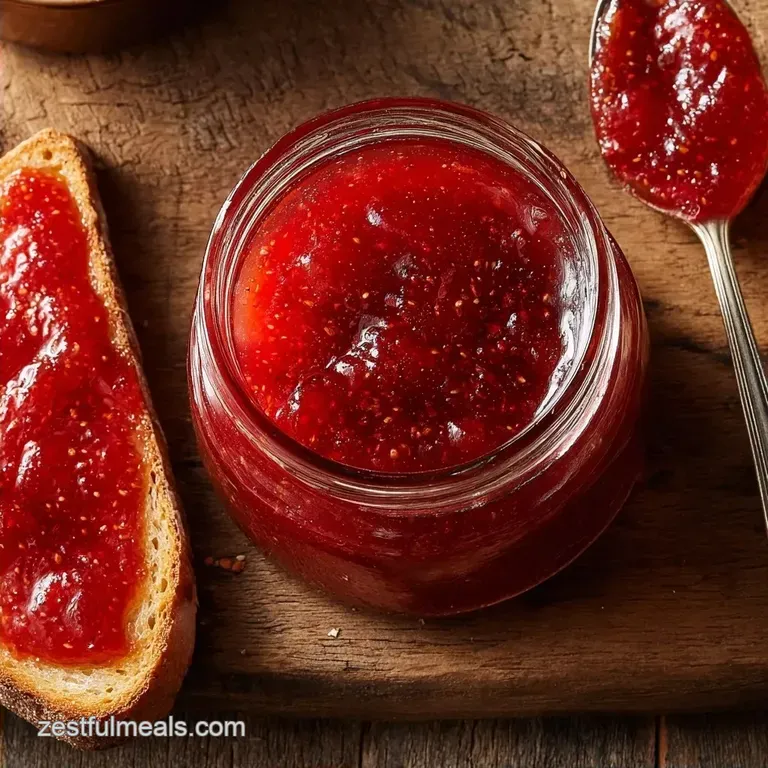
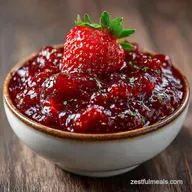
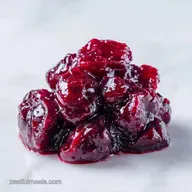
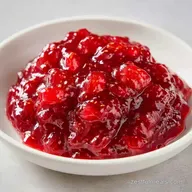
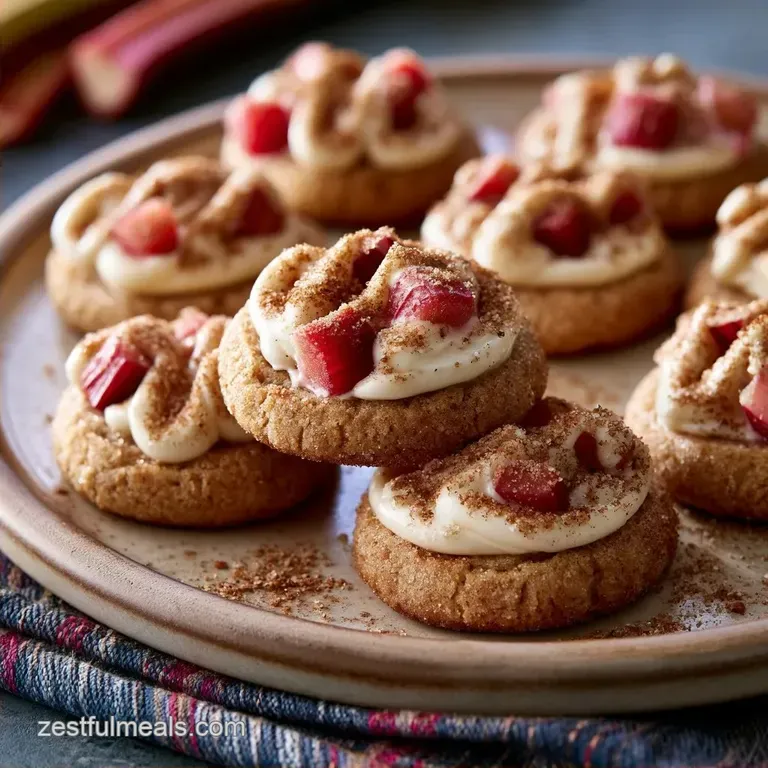
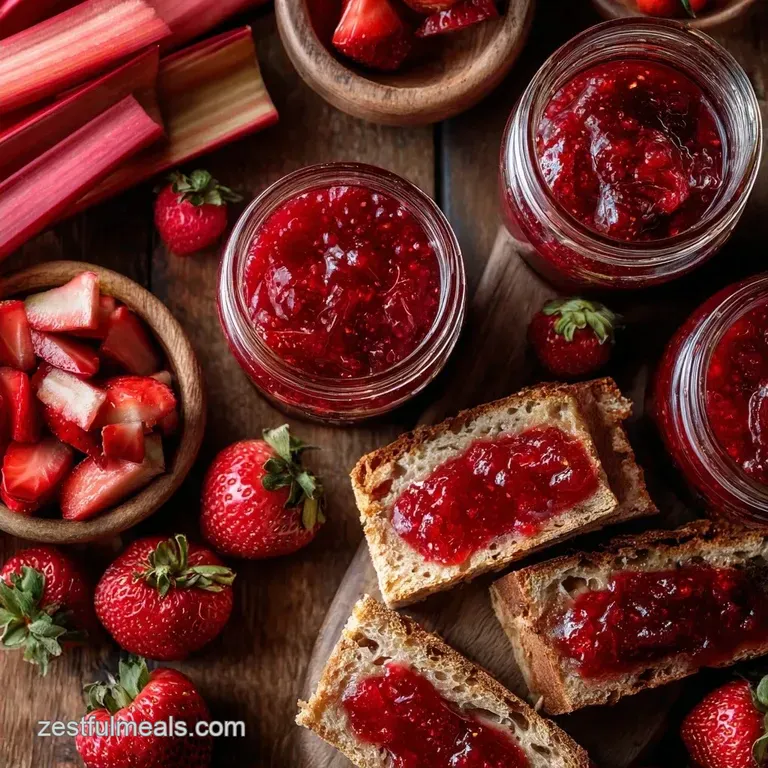
Homemade jam captures seasonal flavors without the long simmering times usually associated with traditional canning. These recipes focus on small batches and high-heat methods to ensure you spend less time over the stove and more time enjoying the results.
Whether you are working with fresh garden rhubarb or a bag of frozen berries, these simple options provide a thick, glossy set. Most use natural acidity rather than commercial pectin for a brighter fruit taste that complements everything from morning toast to evening desserts.
Strawberry Rhubarb Jam Recipes
Achieving a balanced tart-and-sweet profile relies on the ratio of fresh rhubarb to berries. These recipes are designed to set quickly without a long maceration process, making them ideal for a busy afternoon in the kitchen.
Focused entirely on the tart profile of rhubarb, this recipe yields a thick, vibrant spread without needing any commercial pectin. It is a great choice for highlighting seasonal garden stalks.
This recipe balances the acidity of rhubarb with the natural sweetness of strawberries for a traditional flavor. It uses pectin to ensure a reliable set even in shorter cooking windows.
If you have a surplus of berries but no rhubarb on hand, these recipes offer a similar texture and sweetness. They emphasize fresh fruit and simple pantry staples like lemon juice to achieve a balanced flavor profile and a reliable set.
Zesty lemon juice adds a bright note to this strawberry spread, helping the natural fruit sugars gel quickly. It is an excellent alternative when rhubarb isn't available at the market.
A straightforward approach to berry jam that results in a glossy, spreadable texture every time. It is a reliable foundation for those new to the process of water-bath canning.
Using frozen fruit or small-batch techniques allows for jam making any time of year regardless of the harvest season. These specific methods are tailored for speed, reaching the gel point in just 30 minutes of total time.
Ideal for year-round canning, this method works perfectly with bags of frozen strawberries or rhubarb blends. The prep is minimal since the fruit is already cleaned and sliced for you.
This small-batch approach is meant for immediate use or short-term storage, focusing on high heat for a fast set. It is the fastest way to turn a pint of berries into jam.
How do I know when my jam has reached the gel point?
To test the set, place a small spoonful of hot jam on a chilled plate; it should wrinkle when pushed with a finger. This cold plate test is generally more reliable than timing alone.
Can I reduce the sugar in these jam recipes?
Sugar acts as a preservative and helps the jam set, so reducing it too much can result in a runny texture. For lower sugar versions, you typically need to use a specific low-methoxyl pectin.
Should I use fresh or frozen fruit for the best texture?
Frozen fruit is often picked at peak ripeness and works well for jam, though it may release more water. Fresh fruit typically offers a slightly firmer fruit texture in the finished spread.
How do I choose between pectin and no-pectin recipes?
Pectin recipes set faster and yield more jam, while no-pectin versions rely on natural fruit acidity and simmering. Choosing between them depends on your preference for total cook time and texture.
What is the best way to store these homemade jam batches?
Most of these jams are typically stored in the refrigerator for up to three weeks if not processed in a water bath. For long-term shelf storage, always follow standard water-bath canning procedures.