Chocolate Buttercream Frosting: Velvety Texture
- Time: Active 10 minutes, Passive 0 minutes, Total 10 minutes
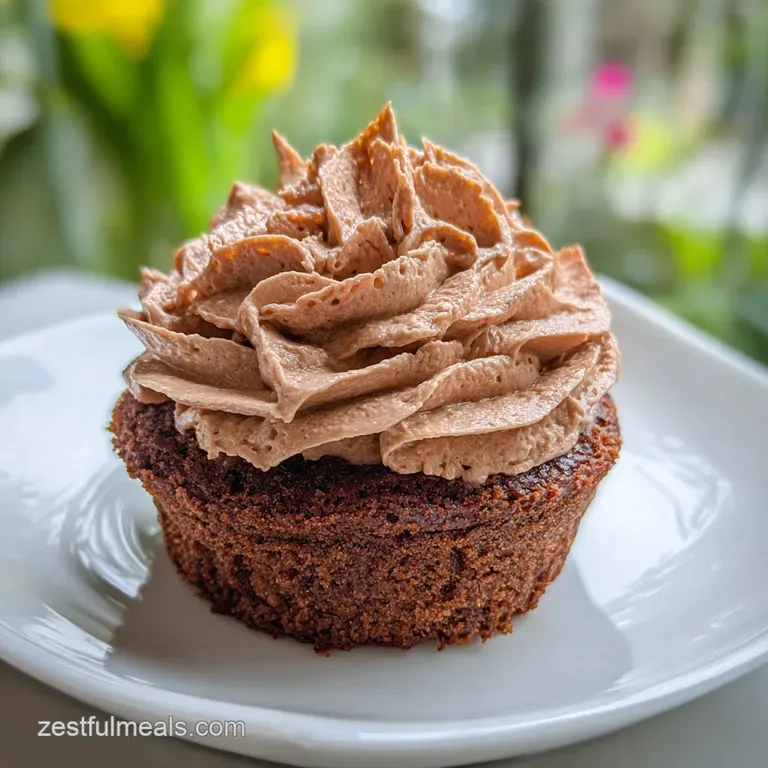
- Flavor/Texture Hook: Deeply fudgy, mahogany colored, and whipped to a cloud like consistency
- Perfect for: Birthday cakes, detailed cupcake piping, and beginner bakers
- Crafting Silky Chocolate Buttercream Frosting for Every Cake
- Why This Rich Chocolate Frosting Always Succeeds
- Essential Recipe Statistics and Success Metrics
- The Components of a Fluffy Chocolate Buttercream
- Tools Required for a Professional Finish
- Step-by-Step Guide to Fluffy Chocolate Frosting
- Correcting Texture and Flavor Issues Effectively
- Creative Variations and Budget Ingredient Swaps
- Scaling Your Frosting Batch
- Storage Methods and Freezing Your Buttercream
- Professional Piping and Cake Presentation Secrets
- Recipe FAQs
- 📝 Recipe Card
Crafting Silky Chocolate Buttercream Frosting for Every Cake
The smell of cocoa powder hitting softened butter is one of those scents that instantly pulls me back to my first kitchen. I remember trying to make a birthday cake for my sister years ago and ending up with a bowl of gritty, yellow tinted "soup" that slid right off the sponge. It was a disaster, honestly.
I’d followed a random recipe that told me to just dump everything together, and I learned the hard way that temperature is everything in the world of butter.
That failure sent me on a mission to figure out how to make a chocolate buttercream frosting recipe that actually stays where you put it. This version is the result of years of trial and error.
It's not just sugar and fat; it's a balanced emulsion that tastes like the inside of a high end truffle but costs about the same as a gallon of milk. We're going for that deep, dark mahogany color and a texture so smooth it feels like silk on your tongue.
You don't need a pastry degree to pull this off. We're going to use basic pantry staples, but we'll treat them with a little respect to get professional results. Whether you're topping a dozen cupcakes or a three tier masterpiece, this is the reliable base you've been looking for.
It’s rich, stable enough for piping intricate swirls, and surprisingly easy on the wallet.
Why This Rich Chocolate Frosting Always Succeeds
- Fat Aeration: Beating the butter alone for several minutes creates tiny air pockets that catch the sugar, preventing a heavy, greasy mouthfeel.
- Dutch Process Alkalization: Using Dutch cocoa provides a smoother, darker profile because the acidity has been neutralized, allowing the chocolate notes to shine without bitterness.
- Salt Sugar Balance: The fine sea salt doesn't just "add saltiness"; it chemically suppresses the perception of bitterness in cocoa while brightening the sweetness of the sugar.
- Liquid Emulsification: Adding heavy cream at the very end stabilizes the fat in-water emulsion, giving the frosting a glossy, professional sheen.
| Method | Total Time | Texture | Best For |
|---|---|---|---|
| Mixer Only (This Recipe) | 10 minutes | Light, airy, whipped | Cupcake swirls and filling |
| Stovetop (Ganache Base) | 45 minutes | Dense, fudgy, truffle like | Rich layer cakes |
| Food Processor | 5 minutes | Heavy, very smooth | Quick spreading/glazing |
The secret to why this specific easy chocolate buttercream frosting holds its shape so well is the ratio of solids to fats. By using a high volume of cocoa powder and confectioners' sugar, we're creating a structural framework that prevents the butter from collapsing at room temperature. It's much more stable than a cream cheese frosting, which is why I always recommend this for outdoor parties or summer events. If you’re looking for something even lighter for a fruit based cake, you might want to try a Cool Whip Frosting Pudding recipe as a variation.
Essential Recipe Statistics and Success Metrics
The Chemistry of the Cocoa Suspension
The cocoa powder acts as a drying agent in the frosting, absorbing moisture from the butter and cream to create a "short" texture that breaks cleanly when bitten. If you find the frosting is getting too stiff, it's usually because the cocoa has absorbed more liquid than expected, which is why we add the cream last to adjust the final viscosity.
| Ingredient | Science Role | Pro Secret |
|---|---|---|
| Unsalted Butter | Primary Emulsifier | Keep it at 65°F; too soft and the air bubbles collapse. |
| Cocoa Powder | Structural Solid | Dutch process offers more "chocolate" flavor per gram than natural cocoa. |
| Confectioners' Sugar | Bulk & Texture | Cornstarch in the sugar helps stabilize the frosting against humidity. |
| Heavy Cream | Moisture & Shine | Cold cream creates a tighter emulsion than room temp milk. |
The interaction between the espresso powder and the cocoa is also worth mentioning. Even if you aren't a coffee fan, that tiny teaspoon acts as a flavor "unlocker." It targets the same taste buds that sense bitterness, making the chocolate taste "more like itself" without adding a distinct mocha flavor.
It's a classic budget smart trick to make cheap cocoa taste like premium dark chocolate.
The Components of a Fluffy Chocolate Buttercream
Gather these ingredients before you start. Having the butter at the right temperature is non negotiable for success.
- 1 cup (226g) Unsalted Butter: Make sure it's softened to 65°F (18°C). It should be cool to the touch but leave an indentation when pressed. Why this? Allows for maximum air incorporation during the initial creaming phase.
- 3.5 cups (420g) Confectioners' Sugar: Also known as powdered sugar. Why this? Provides the sweetness and structure without the grit of granulated sugar.
- ¾ cup (75g) Dutch Process Cocoa Powder: Sift this if it looks lumpy. Why this? Darker color and milder acidity than natural cocoa powder.
- ½ tsp Fine Sea Salt: Do not use coarse salt here. Why this? Dissolves quickly and cuts through the intense sweetness.
- 3 tbsp (45ml) Heavy Whipping Cream: Keep this cold until the moment you need it. Why this? High fat content makes the frosting velvety rather than watery.
- 2 tsp (10ml) Pure Vanilla Extract: Don't use the imitation stuff if you can help it. Why this? Rounds out the flavor profile and adds floral notes.
- 1 tsp Espresso Powder (Optional): A little goes a long way. Why this? Deepens the chocolate intensity without adding coffee flavor.
| Original Ingredient | Substitute | Why It Works |
|---|---|---|
| Heavy Cream | Whole Milk | Lower fat. Note: Frosting will be slightly less stable and less glossy. |
| Dutch Process Cocoa | Natural Cocoa | Use 1:1. Note: Color will be lighter and taste slightly more acidic. |
| Unsalted Butter | Salted Butter | Swap 1:1. Note: Skip the added sea salt in the recipe to avoid over salting. |
Tools Required for a Professional Finish
You don't need a kitchen full of gadgets, but a stand mixer (like a KitchenAid) is a lifesaver here. You can use a hand mixer, but be prepared to double the mixing times to get the same level of fluffiness.
A flat paddle attachment is better than a whisk for this specific chocolate buttercream frosting for cake because the whisk can incorporate too much air, leading to those annoying bubbles that ruin a smooth finish.
You'll also want a flexible silicone spatula. I use it constantly to scrape the bottom of the bowl. You’d be surprised how much unmixed butter hides at the very bottom of a mixer bowl.
Sifting is technically optional if your sugar is fresh, but if you're aiming for a perfectly smooth fluffy chocolate buttercream frosting, a fine mesh sieve is your best friend.
Chef's Tip: Freeze your butter for 10 minutes before grating it if your kitchen is too hot. This allows it to soften evenly at room temperature without turning into a greasy puddle.
step-by-step Guide to Fluffy Chocolate Frosting
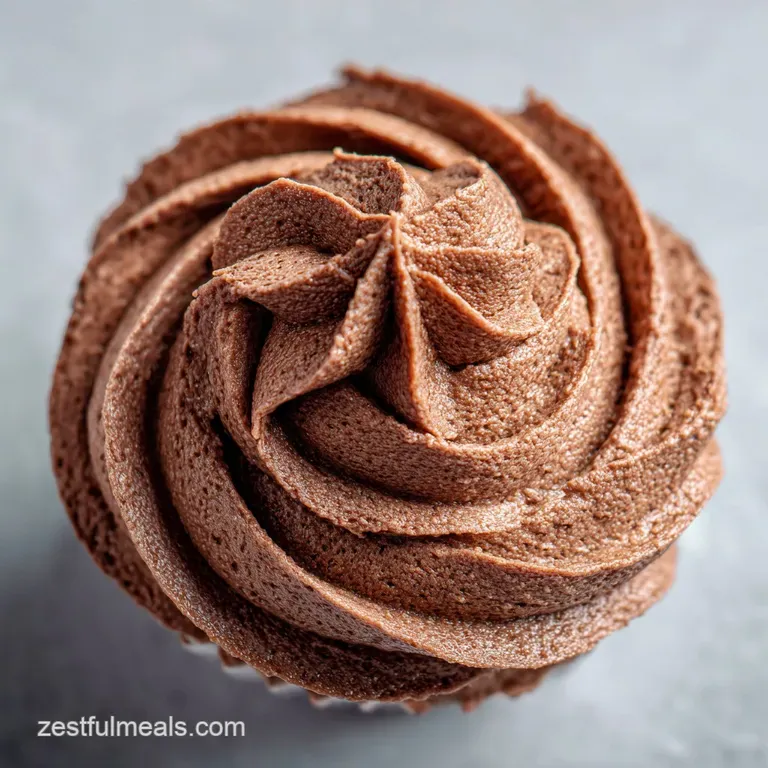
- Cream the butter. Place the 1 cup of softened butter in your mixer bowl. Beat on medium high speed for 3 full minutes until it looks pale and nearly white. Note: This aeration is the secret to a non greasy finish.
- Sift the dry ingredients. Sift the 3.5 cups of powdered sugar and ¾ cup of cocoa powder together into a separate bowl.
- Incorporate the solids. Add the sugar and cocoa mixture to the butter in three separate batches. Mix on low speed until the powder is just absorbed before adding more. Note: Adding all at once creates a "sugar cloud" in your kitchen.
- Add the flavorings. Pour in the 2 tsp of vanilla extract, ½ tsp of sea salt, and 1 tsp of espresso powder.
- Pour the cream. Add the 3 tbsp of heavy whipping cream while the mixer is running on low speed.
- The "Big Whip". Turn the speed up to medium high and beat for 2 to 3 minutes until the frosting looks like whipped mousse.
- Check the consistency. Stop the mixer and drag a spatula through the frosting. It should be firm enough to hold its shape but soft enough to spread effortlessly.
- Remove air bubbles. Turn the mixer to the lowest possible setting and let it run for 1 minute. Watch as the large air pockets vanish, leaving a silky surface.
This technique works beautifully when paired with a rich base. For instance, if you're making a batch of Chocolate Chip Cookies recipe, you can use this frosting to make decadent sandwich cookies. The stability of the buttercream ensures the filling doesn't squish out the sides when you take a bite.
Correcting Texture and Flavor Issues Effectively
To Fix "Gritty" Frosting
If your frosting feels like sand on your palate, the sugar hasn't fully dissolved or integrated with the fat. This usually happens if the butter was too cold or the cream wasn't mixed in long enough.
To Fix "Too Soft/Melting" Frosting
This is the most common issue in warm kitchens. If your chocolate buttercream frosting for cupcakes is drooping, the butter has likely reached its melting point (about 82°F). You can't fix this by just adding more sugar; that just makes it cloying.
| Problem | Root Cause | Solution |
|---|---|---|
| Grainy/Gritty | Sugar not dissolved | Add 1 tsp of warm cream and beat for 2 more minutes. |
| Breaking/Curdling | Temperature shock | Microwave 2 tbsp of the frosting for 5 seconds and mix it back in. |
| Too Stiff | Excessive cocoa/sugar | Add heavy cream 1 teaspoon at a time until it softens. |
Common Mistakes Checklist
- ✓ Avoid "Melted" Butter: Never use the microwave to soften butter for frosting; it destroys the crystalline structure needed for aeration.
- ✓ Sift the Cocoa: Cocoa powder is notoriously prone to hard lumps that won't break down during mixing.
- ✓ Scrape the Bowl: Do this at least three times during the process to ensure no butter streaks remain.
- ✓ Check Your Salt: Use fine sea salt; kosher salt crystals are often too large to dissolve in the low moisture environment of buttercream.
- ✓ Don't Over Whip at the End: Too much whipping after adding cream can actually start to turn the cream into butter, causing a grainy texture.
Creative Variations and Budget Ingredient Swaps
If you want a dark chocolate buttercream frosting recipe that looks like midnight, you can swap the Dutch cocoa for "black cocoa powder" (the kind used in Oreo cookies). It provides a striking aesthetic for Halloween or elegant black and white cakes.
If you're on a tight budget and don't have heavy cream, you can use whole milk, but you'll need to reduce the amount slightly to 2 tablespoons to maintain the same stiffness.
For an Ultra Dark Aesthetic
Using black cocoa is a pro trick, but it's very drying. If you go this route, add an extra tablespoon of cream to keep the texture velvety. It creates a stunning contrast against a white vanilla cake or a bright red velvet sponge.
For a dairy-free Alternative
You can swap the butter for a high-quality plant based butter stick (look for one with a high oil to water ratio). Use coconut cream instead of heavy whipping cream. The result is a rich chocolate buttercream frosting recipe that even your vegan friends can enjoy.
Just be aware that plant based fats melt much faster, so keep the cake refrigerated until serving.
Scaling Your Frosting Batch
Reducing the Batch (½ or ¼)
If you only have six cupcakes to frost, cut the recipe in half. Use a smaller bowl if possible, as the paddle might not reach the bottom of a large stand mixer bowl with a small batch. Reduce the final whipping time by about 30% to avoid over aerating a small volume of fat.
Increasing the Batch (2x-4x)
- Salt and Spices
- Only use 1.5x the salt and espresso powder. Flavors intensify in larger batches.
- Liquids
- Reduce the cream by 10% initially. You can always add more, but you can't take it out.
- Work in Batches
- If your mixer bowl is smaller than 5 quarts, I highly recommend making two separate batches rather than crowding the bowl. It ensures the butter gets properly aerated.
| Servings | Butter | Sugar | Cocoa | Liquid |
|---|---|---|---|---|
| 12 Cupcakes | ½ cup | 1.75 cups | 6 tbsp | 1.5 tbsp |
| 24 Cupcakes | 1 cup | 3.5 cups | ¾ cup | 3 tbsp |
| 3 Tier Cake | 3 cups | 10.5 cups | 2.25 cups | 9 tbsp |
Storage Methods and Freezing Your Buttercream
Buttercream is incredibly hardy. You can store this chocolate buttercream frosting no powdered sugar alternatives (well, this one uses sugar, but it's stable) in the fridge for up to a week.
Just make sure it's in an airtight container because butter is like a sponge for fridge smells nobody wants onion flavored chocolate frosting.
For long term storage, freezing is your best bet. I often make a double batch and freeze half in a heavy duty freezer bag. It stays fresh for 3 months. When you're ready to use it, let it thaw in the fridge overnight, then bring it to room temperature.
You must re whip it for 2 minutes to restore the fluffy texture before putting it on a cake.
Zero Waste Tip: If you have leftover frosting, don't toss it! Use it as a dip for pretzels or graham crackers. You can also sandwich it between two Philadelphia Cream Cheese recipe style crusts for a makeshift dessert taco. If it's just a tiny bit, stir it into your morning coffee for a decadent mocha.
Professional Piping and Cake Presentation Secrets
To get those high, bakery style swirls on cupcakes, use a large open star tip (like a Wilton 1M). Start in the center, spiral outward to the edge, then spiral back toward the center and up. The key is consistent pressure. If the frosting feels too soft while you're piping, your hands are likely warming up the bag.
Set it down in the fridge for 5 minutes and try again.
For a "Naked Cake" look, apply a very thin layer (a "crumb coat") and then scrape most of it off with a bench scraper. This whipped chocolate buttercream frosting is perfect for this because its dark color provides a beautiful contrast against the light colored cake layers.
It seals in the moisture of the cake without being overwhelmingly sweet.
Debunking Buttercream Myths
- Myth: "You must sift the sugar every time." Truth: If you use a high powered mixer and your sugar is fresh and clump free, you can often skip sifting. However, cocoa powder almost always needs it.
- Myth: "Buttercream is shelf stable for weeks." Truth: While the high sugar content acts as a preservative, the dairy in the butter and cream can still spoil. I don't recommend leaving a frosted cake out for more than 2 days.
- Myth: "Cold butter makes better frosting." Truth: Cold butter will never aerate properly, leading to a dense, heavy frosting. 65°F is the "sweet spot" for structural integrity and fluffiness.
Creating the chocolate buttercream frosting recipe of your dreams is really just about mastering the timing and temperature. Once you see that butter turn pale and fluffy, you know you’re on the right track. It's a skill that will serve you well for every celebration to come.
Trust your eyes and your mixer, and don't be afraid to add an extra splash of cream if you want it even silkier. Happy baking!
Recipe FAQs
How to make the best chocolate buttercream icing?
Cream the butter until pale and fluffy. This is the crucial first step for incorporating air, which prevents a greasy texture and creates a light, stable frosting. For a truly elevated flavor, consider using Dutch process cocoa powder for a smoother, deeper chocolate taste.
What's the difference between chocolate frosting and chocolate buttercream?
Buttercream specifically uses butter as its primary fat base. While other chocolate frostings might use shortening, cream cheese, or oil, chocolate buttercream's distinct richness and texture come from its butter content, giving it a classic, stable finish.
What is the two ingredient chocolate buttercream frosting?
This typically refers to a mixture of powdered sugar and melted chocolate or cocoa powder with a liquid. Often, it's a simple blend of confectioners' sugar and melted chocolate (like White Almond Bark Recipe - Velvety Melt & Nutty Shatter) or cocoa powder with a small amount of milk or cream.
What are 5 mistakes to avoid when making butter icing?
Don't use butter that's too soft or too cold. Aim for cool, but pliable butter (around 65°F); too soft and it won't aerate properly, too cold and it will be lumpy.
Avoid skipping the sifting of dry ingredients, using the wrong salt (granulated instead of fine sea salt), not scraping the bowl sufficiently, and over whipping after adding liquid ingredients.
Can I make chocolate buttercream without powdered sugar?
No, not for a traditional buttercream. Powdered sugar provides both sweetness and structure by absorbing moisture. While you can create other types of chocolate frostings with alternative sweeteners, a classic buttercream relies heavily on confectioners' sugar for its characteristic texture and stability.
Why is my chocolate buttercream grainy?
Your sugar likely didn't dissolve fully into the fat. This can happen if your butter was too cold, you didn't cream it long enough initially, or if you added the liquid ingredients too quickly. Re-whipping with a tiny splash of warm liquid and ensuring gradual incorporation helps.
How do I make my chocolate buttercream stable enough for piping?
Ensure your butter is properly aerated and the ratio of dry ingredients to fat is balanced. Using Dutch process cocoa and a good quality butter are key. If it's too soft, chilling it briefly before piping can help maintain sharp designs, much like how proper chilling helps set doughs for intricate shapes in recipes like Gender Announcement Cupcakes With Hidden Core.
Chocolate Buttercream Frosting
Ingredients:
Instructions:
Nutrition Facts:
| Calories | 150 calories |
|---|---|
| Protein | 0.7 g |
| Fat | 8.6 g |
| Carbs | 19.4 g |
| Fiber | 1.0 g |
| Sugar | 17.5 g |
| Sodium | 48 mg |
