Easy High Protein Lasagna Soup
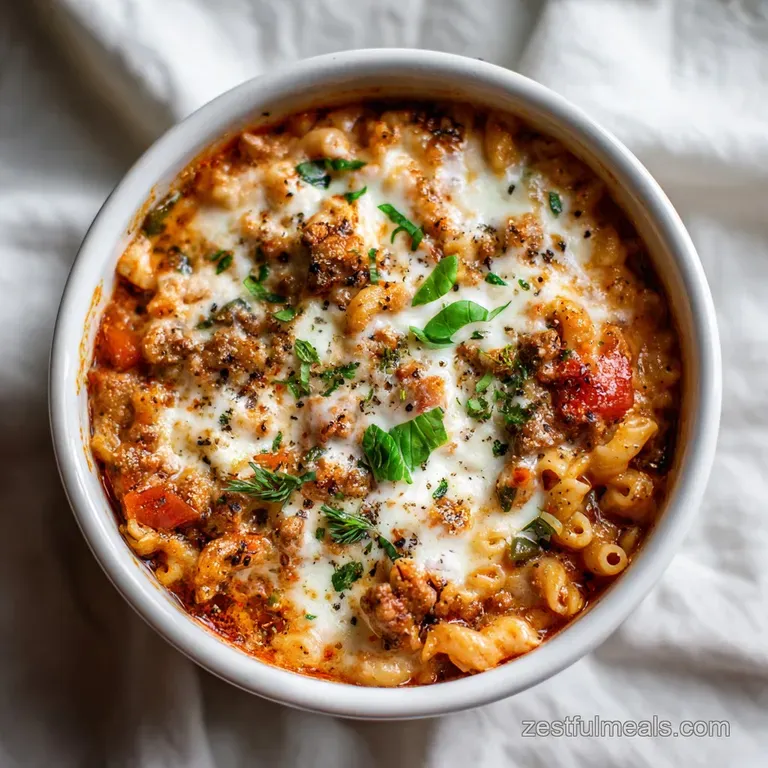
- Time: Active 10 minutes, Passive 20 minutes, Total 30 minutes
- Flavor/Texture Hook: Velvety, herb infused broth with savory beef and chewy noodle shards
- Perfect for: Post workout recovery or busy weeknight meal prep
- Making This Easy High Protein Lasagna Soup
- Why This Muscle Building Soup Works
- Deep Dive into Ingredient Roles
- Smart Pantry Substitutes and Swaps
- Essential Equipment for Fast Results
- Step-by-Step Stovetop Cooking Instructions
- Solving Common Soup Mishaps
- Healthy Variations and Flavor Twists
- Storing and Reheating Your Leftovers
- Perfect Serving and Garnish Ideas
- Very High in Sodium
- Recipe FAQs
- 📝 Recipe Card
Making This Easy High Protein Lasagna Soup
The kitchen fills with an unmistakable sizzle the second that lean ground beef hits the bottom of the Dutch oven. It is that deep, percussive sound of protein meeting high heat, followed immediately by the earthy, sweet aroma of browning meat.
Most people start stirring too early, but if you wait just those three minutes, you get that mahogany crust that builds the entire flavor profile of the soup. It is the difference between a grey, boiled texture and a rich, savory foundation that tastes like it spent hours on the stove.
I remember the first time I tried to make a "healthy" version of lasagna. I used low-fat cheese and watery sauce, and honestly, it was a tragedy. It lacked the soul of the original. But then I discovered the cottage cheese trick.
By blending it until it is silky, you get the exact mouthfeel of a heavy ricotta and cream sauce without the calorie bomb. Now, this easy high protein lasagna soup is my go to when I want to feel like I am eating at a Tuscan villa but actually need to hit my protein goals for the day.
This dish is all about efficiency and smart swaps. We are not just making soup; we are engineered a meal that keeps you full because of the 45 grams of protein per serving. The broken lasagna noodles release just enough starch to thicken the broth into something substantial, while the spinach wilts into the hot liquid, adding a pop of color and micronutrients.
It is fast, it is budget friendly, and it actually works because we are focusing on the science of flavor rather than just cutting calories.
Why This Muscle Building Soup Works
When we talk about what makes this recipe tick, it comes down to how we handle the protein and the starch. Most soups feel light, but this one has a specific weight to it that satisfies a real appetite.
- Protein Denaturation: Searing the beef at high heat creates complex flavor molecules that don't exist in raw or steamed meat, providing a savory depth that carries through the broth.
- Starch Gelatinization: Cooking the noodles directly in the bone broth allows them to release starches that act as a natural thickener, creating a velvety consistency.
- Emulsification via Blending: Whipping the cottage cheese breaks down the curds into a smooth liquid that integrates perfectly into the tomato base without breaking or curdling.
- Collagen Integration: Using chicken bone broth instead of standard stock provides a higher protein count and a richer mouthfeel due to the natural gelatin content.
Comparison of Cooking Methods
| Method | Time | Texture | Best For |
|---|---|---|---|
| Stovetop | 30 minutes | Al dente noodles, bright herbs | Quick weeknight dinners |
| Oven Bake | 45 minutes | Crispy cheese edges, softer pasta | Traditional casserole feel |
| Slow Cooker | 4 hours | Fall apart meat, very thick broth | Hands off meal prep |
Choosing the stovetop method is almost always the winner for me because it preserves the integrity of the lasagna shards. When you bake this or slow cook it, the noodles can sometimes lose that "bite" and become part of a singular mushy mass.
The stovetop allows you to pull the pot off the heat the exact second those noodles reach that perfect chewy state.
Deep Dive into Ingredient Roles
To understand why this easy high protein lasagna soup tastes so much better than a standard "dump and stir" recipe, we have to look at the components. Every ingredient here has a job to do beyond just adding bulk to the bowl.
| Ingredient | Science Role | Pro Secret |
|---|---|---|
| Lean Ground Beef | Primary protein and fat source | Let it sear undisturbed for a crust |
| Cottage Cheese | High protein dairy emulsifier | Blend it until it looks like heavy cream |
| Bone Broth | Liquid base with collagen | Use low sodium to control the seasoning |
| Tomato Paste | Umami and color concentrator | Cook it until it turns a brick red color |
The chicken bone broth is a silent hero in this setup. While beef broth seems like the logical choice for a beef soup, chicken bone broth often has a cleaner flavor profile that allows the Italian seasoning and garlic to really shine through.
It provides a massive protein boost without the heavy, sometimes metallic aftertaste that comes with cheaper canned beef stocks.
Smart Pantry Substitutes and Swaps
Keeping this meal budget friendly means using what you have or finding the best deals at the grocery store. You don't need fancy imported cheeses to make this taste expensive. If you are out of one specific item, there is almost always a way to pivot without ruining the final result.
- 1 lb lean ground beef (90/10): This provides the structure. Why this? Keeps fat lower while maximizing protein density per ounce.
- 3 cups chicken bone broth: Our liquid gold. Why this? Adds collagen and protein that standard water or stock lacks.
- 1 cup low-fat cottage cheese: The creaminess factor. Why this? Blends into a silky ricotta substitute with double the protein.
- 7 dry lasagna noodles: The "body" of the soup. Why this? Broken shards create the perfect surface area for catching sauce.
- 2 cups no sugar added marinara: The acid and base. Why this? Provides instant flavor depth without long simmering times.
| Original Ingredient | Substitute | Why It Works |
|---|---|---|
| Ground Beef | Ground Turkey (93/7) | Similar texture; lower saturated fat. Note: May need extra seasoning. |
| Lasagna Noodles | Bowtie or Penne | Same starch content; easier for kids to eat. |
| Cottage Cheese | Greek Yogurt (Plain) | High protein and creamy. Note: Adds a distinct tang to the broth. |
Using Greek yogurt is a decent backup, but be careful not to boil the soup after adding it, or it might curdle. The cottage cheese is more stable when heated, which is why it is the preferred choice for achieving that velvety finish we are after. If you are looking for another high protein pantry staple, you can read about how I use sardines in tomato sauce for quick lunches.
Essential Equipment for Fast Results
You don't need a kitchen full of gadgets, but two things make a massive difference here: a heavy bottomed pot and a blender. A Dutch oven is the gold standard because it holds heat so well that once you get that soup simmering, it stays consistent even if you turn the burner down low.
If you don't have an immersion blender, a standard countertop blender works fine for the cottage cheese. Just make sure you get it completely smooth. If you see curds, keep going. You want it to look like a thick milkshake.
This is the secret to getting that "lasagna" richness without actually making a béchamel sauce, which would take more time and add way more flour and butter than we want.
Chef Tip: If your noodles are sticking to the bottom of the pot, it usually means your heat is too high or you aren't stirring enough in the first three minutes after adding them. Once the starch sets, they'll behave.
step-by-step Stovetop Cooking Instructions
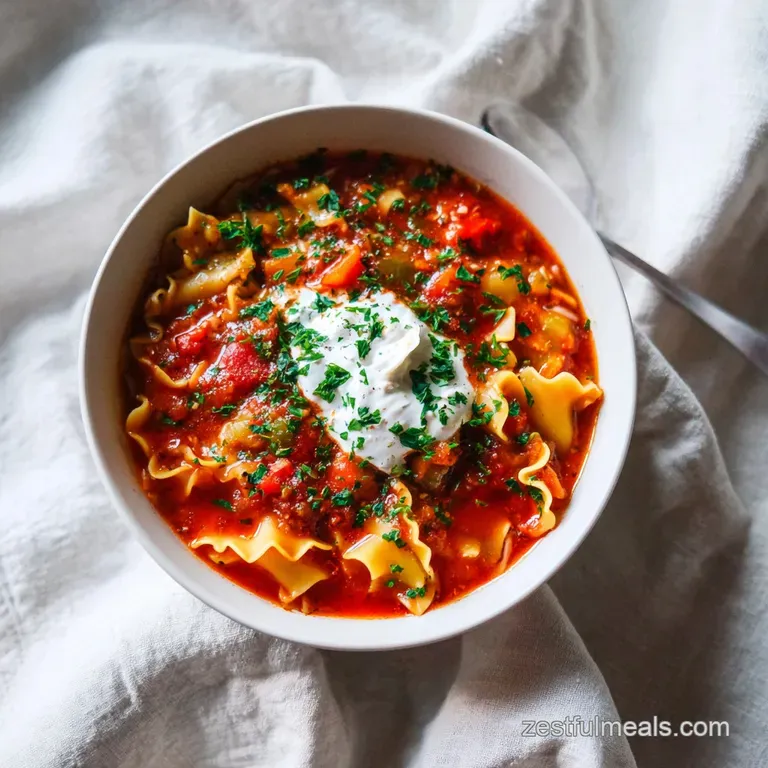
- Heat a large Dutch oven or heavy bottomed pot over medium high heat. Add the 1 lb lean ground beef and let it sear undisturbed for 3 minutes until a deep mahogany crust forms. Note: This creates the savory base.
- Break the meat apart using a wooden spoon. Add the diced onion and sauté until the onions are translucent and soft.
- Stir in the 4 cloves of minced garlic and 2 tbsp tomato paste. Cook for 1-2 minutes until the paste smells sweet and looks dark.
- Pour in the 3 cups chicken bone broth and 2 cups marinara sauce. Bring the liquid to a steady, rolling simmer.
- Add the 7 broken lasagna noodles directly into the pot. Note: Breaking them into 1 inch pieces is best for spooning.
- Simmer for 10-12 minutes, stirring every few minutes until the noodles are al dente and the liquid has thickened.
- Process the 1 cup cottage cheese in a blender while the pasta cooks until it is completely smooth and liquid.
- Remove the pot from the heat. Stir in the blended cottage cheese and 2 cups fresh baby spinach until the leaves are wilted and the soup turns creamy.
- Season with salt, pepper, and red pepper flakes.
- Garnish with the 0.25 cup mozzarella and fresh basil until the cheese is just beginning to melt.
Solving Common Soup Mishaps
Even with a simple one pot meal, things can go sideways. The most common issue people have with an easy high protein lasagna soup is the noodle texture. If you leave them in the hot liquid too long, they continue to absorb water and turn into a paste.
Why Your Soup is Too Thick
This usually happens because the noodles were cooked too long or the soup sat for a while before serving. Pasta is like a sponge; it never stops drinking. If it looks more like a pasta dish than a soup, simply stir in an extra half cup of bone broth or water and a pinch of salt.
This will loosen the "sauce" back into a broth without diluting the flavor too much.
Why Your Dairy Curdled
If you added the cottage cheese while the soup was at a hard boil, the proteins in the dairy might have seized. This creates a grainy texture. To prevent this, always turn off the heat before stirring in your creamy components.
The residual heat is more than enough to warm the cheese and wilt the spinach without stressing the dairy proteins.
| Problem | Root Cause | Solution |
|---|---|---|
| Mushy Noodles | Overcooking or sitting too long | Cook 1 min less than package; serve immediately. |
| Bland Broth | Not enough salt or searing | Add a splash of balsamic vinegar or more salt. |
| Oily Surface | Fat from beef not drained | Blot the surface with a paper towel or use leaner meat. |
Common Mistakes Checklist
- ✓ Skip the pre boiling: Adding dry noodles to the soup is what gives the broth its body.
- ✓ Don't skimp on the tomato paste: It provides the "cooked all day" flavor in minutes.
- ✓ Blend the cheese fully: Small curds in soup can be a textural turn off for some.
- ✓ Stir the bottom: Noodles love to glue themselves to the pot; keep them moving.
- ✓ Use fresh garlic: Jarred garlic lacks the sharp punch needed to cut through the creamy dairy.
Healthy Variations and Flavor Twists
If you want to change things up, this recipe is incredibly flexible. While the beef version is the classic, you can easily adapt it for different dietary needs or just to use up what is in the fridge. This is much faster than prep for a meat and cheese lasagna, so don't be afraid to experiment.
If you want a "White Lasagna" version: Swap the marinara for an extra cup of bone broth and add 2 cups of chopped mushrooms when sautéing the onions. Use ground chicken instead of beef and add a pinch of nutmeg to the blended cottage cheese.
It creates a silky, earthy alternative that feels very sophisticated for a 30 minute meal.
- To double the recipe
- Use a 1.5x ratio for the spices (Italian seasoning and red pepper flakes) rather than doubling them completely to avoid overpowering the dish.
- To halve the recipe
- Use a smaller pot but keep the simmer time the same. You can use half a container of cottage cheese and save the rest for breakfast.
- Freezing Strategy
- If you plan to freeze this, cook the noodles separately and add them when reheating. Frozen noodles in soup usually shatter and turn to mush upon thawing.
Storing and Reheating Your Leftovers
Leftover lasagna soup is actually one of those rare dishes where the flavor improves the next day as the herbs fully infuse into the liquid. However, the noodles will continue to swell.
Fridge Storage: Keep it in an airtight container for up to 4 days. When you go to reheat it, you will notice it has become very thick. Add a splash of water or broth before microwaving or heating on the stove to bring it back to a soup consistency.
Zero Waste Tip: Don't toss those woody basil stems! Throw them into the pot while the soup simmers and fish them out before serving. They hold a ton of flavor that usually gets wasted. Also, if you have a Parmesan rind in the back of your fridge, toss that in too.
It adds a salty, nutty depth that is incredible.
Perfect Serving and Garnish Ideas
While the soup is a powerhouse on its own, the garnishes take it from "good" to "restaurant quality." That tiny bit of mozzarella on top provides the classic cheese pull we all love about lasagna.
- The Crunch Factor: Serve with a side of toasted sourdough or even some garlic herb crackers to contrast the soft noodles.
- The Acid Hit: A tiny squeeze of fresh lemon juice right before eating can brighten up the heavy savory notes of the beef and cheese.
- Decision Shortcut:
- If you want it spicier, double the red pepper flakes and add a dash of hot sauce.
- If you want it creamier, add 2 tablespoons of Parmesan to the cottage cheese before blending.
- If you want it lighter, swap the beef for ground turkey and double the spinach.
This easy high protein lasagna soup proves that you don't have to choose between your fitness goals and the foods you actually want to eat. By understanding how starch and protein interact, we've created a shortcut to comfort that actually fuels your body.
Now, go get that pot on the stove and enjoy that first, perfect bite.
Frequently Asked Questions
Can I use ricotta instead of cottage cheese?
Yes, you can use ricotta, but it won't have the same protein density as cottage cheese. Ricotta is also naturally grainier, so I still recommend blending it if you want that velvety soup finish.
Why are my noodles still hard after 10 minutes?
If your soup isn't at a true simmer, the noodles won't cook properly. Make sure the liquid is bubbling gently. Also, ensure you broke the noodles into small enough pieces; large sheets take longer to hydrate and cook through.
Is this soup okay for meal prep?
It is great for meal prep, but be aware that the noodles will absorb a lot of the broth over time. I recommend storing the "soup base" and the cooked noodles separately if you want to keep that perfect texture for more than two days.
Can I make this dairy-free?
You can substitute the cottage cheese with a blended silken tofu or a cashew based cream. Both provide a similar creamy texture and a good hit of plant based protein, though the flavor will be slightly nuttier.
What is the best way to reheat this?
The best way is on the stovetop over medium heat. Add about 1/4 cup of broth or water per serving to loosen the sauce, as the noodles will have thickened the mixture significantly while sitting in the fridge.

Very High in Sodium
980 mg 980 mg (43% 43%)
The American Heart Association recommends a limit of no more than 2,300mg of sodium per day, with an ideal limit of no more than 1,500mg per day for most adults.
Tips to Reduce Sodium
-
Choose Low-Sodium Broth-30%
Replace the 3 cups of regular chicken bone broth with low-sodium chicken bone broth. This is a significant source of sodium in this recipe.
-
Omit Added Salt-25%
The recipe calls for 'Salt and black pepper to taste.' Eliminate the added salt entirely, as many ingredients like broth and marinara sauce already contribute substantial sodium.
-
Opt for No-Salt Added Marinara and Tomato Paste-20%
If available, switch to no-salt added marinara sauce and no-salt added tomato paste. These are often significant sodium contributors.
-
Use Reduced Sodium Cheese-15%
When using the 0.25 cup shredded part skim mozzarella, look for a reduced sodium variety. The cheese itself can add a small amount of sodium.
-
Boost Flavor with Herbs and Spices
Maximize the use of Italian seasoning, red pepper flakes, and add fresh garlic and onion. Consider other unsalted herbs like oregano, thyme, or rosemary to enhance flavor without sodium.
Recipe FAQs
How to get the best flavor from the ground beef?
Sear the beef undisturbed for 3 minutes. Letting the meat sit without moving it allows a deep mahogany crust to form, which builds a savory base similar to the flavor development in our silky meat sauce.
Can I use a different type of cheese for the creaminess?
No, stick to low-fat cottage cheese. It provides the specific protein density and texture needed when blended into a cream like consistency; other cheeses may break or separate when added to the hot broth.
How to prevent the lasagna noodles from sticking together?
Stir the pot occasionally while the noodles simmer. Because the noodles release starch directly into the broth to thicken it, frequent movement is necessary to ensure they cook evenly without clumping.
Is it possible to reheat this soup the next day?
Yes, it stores perfectly for up to 4 days. Keep in mind that the noodles will absorb liquid while sitting, so add a small splash of chicken bone broth or water when reheating to restore your desired soup consistency.
How to ensure the tomato paste is properly incorporated?
Cook the tomato paste with the garlic for 1-2 minutes. You are looking for the paste to darken in color and release a sweet, fragrant aroma before adding your liquids, which removes any raw metallic acidity.
Can I add more vegetables to this soup?
No, stick to the listed ingredients to maintain the balance. The recipe is calibrated for the specific starch release of the noodles and the wilting rate of the fresh baby spinach.
How to serve this soup for the best presentation?
Top with shredded mozzarella and fresh basil immediately before serving. Adding the cheese at the very end allows it to soften slightly from the heat of the soup without disappearing entirely into the broth.
Easy High Protein Lasagna Soup
Ingredients:
Instructions:
Nutrition Facts:
| Calories | 545 calories |
|---|---|
| Protein | 45 g |
| Fat | 16 g |
| Carbs | 55 g |
| Fiber | 3 g |
| Sugar | 9 g |
| Sodium | 980 mg |
