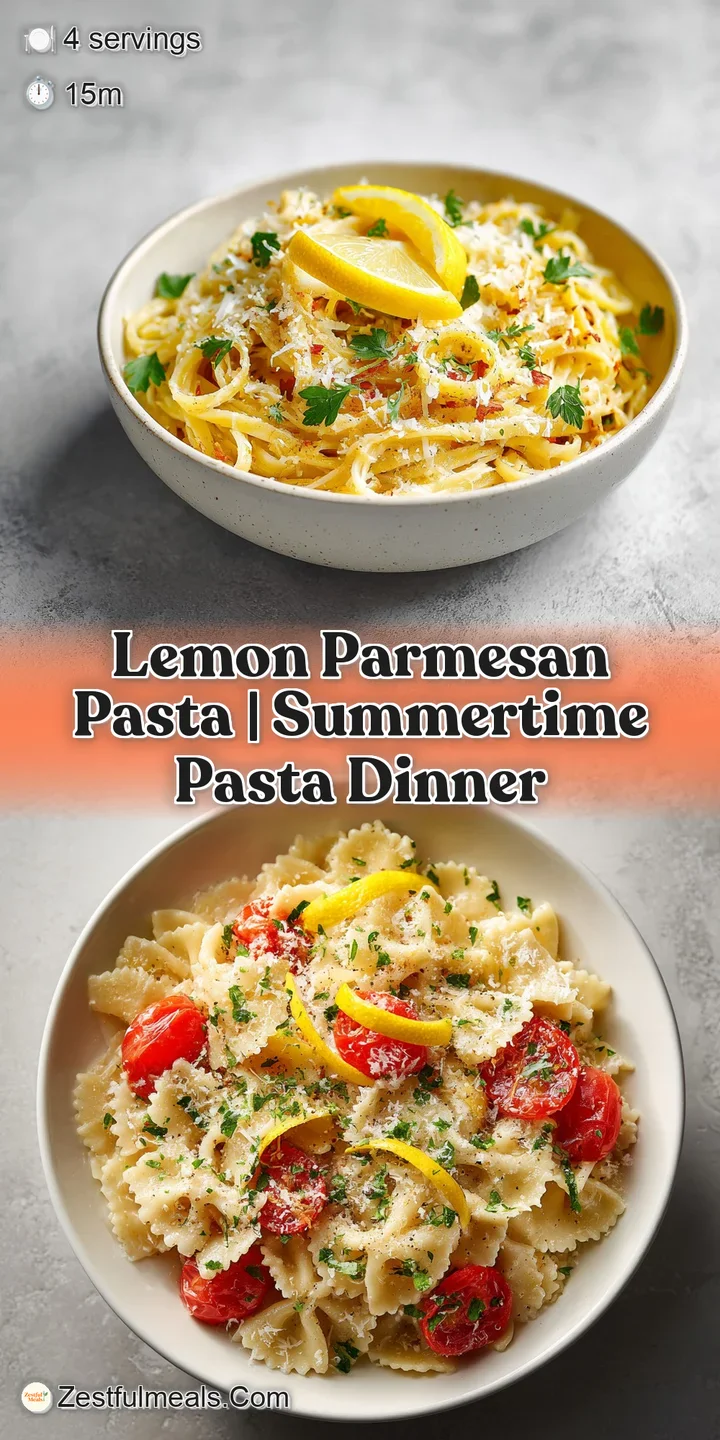
Lemon Parmesan Pasta: Zesty and Silky
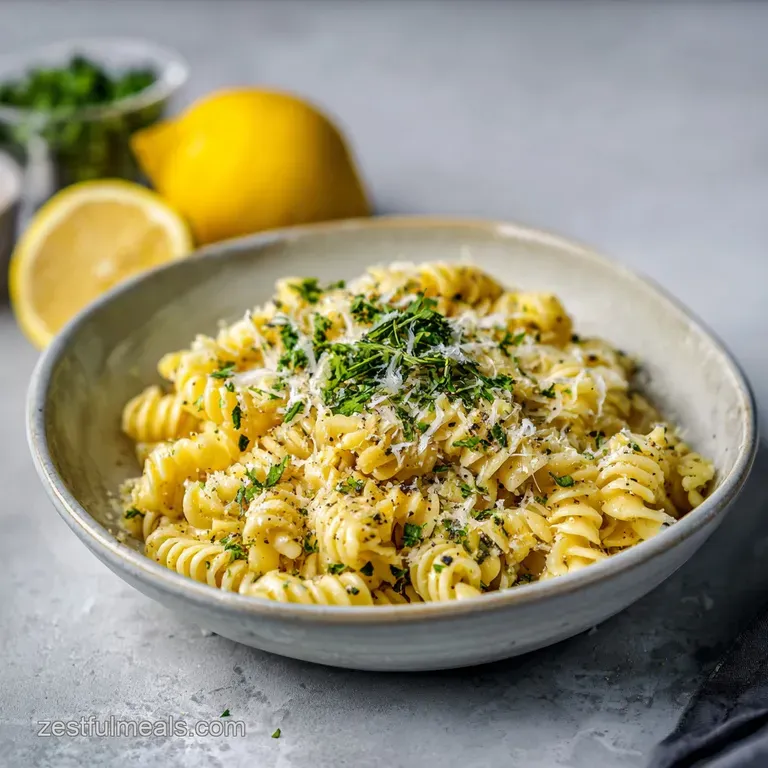
- Time: Active 5 minutes, Passive 10 minutes, Total 15 minutes
- Flavor/Texture Hook: Zesty, silky, and bright with a salty Parmesan finish
- Perfect for: Stressful weeknight dinners or a quick romantic meal for two
- Perfect Simple Quick and Tasty Lemon Parmesan Pasta Dish
- Why Home Cooks Often Struggle
- Technical Specs for Fast Dinner
- Choosing Your Pantry Essentials
- Simple Tools for Better Results
- The Quick Stovetop Method
- Fixing Common Pasta Mistakes
- Easy Substitutions for Every Budget
- Storage and Food Waste Tips
- How to Serve Your Pasta
- Debunking Kitchen Myths
- Very High in Sodium
- Recipe FAQs
- 📝 Recipe Card
Perfect Simple Quick and Tasty Lemon Parmesan Pasta Dish
Imagine walking into your kitchen after a long, draining shift. You’re hungry, tired, and the thought of a complex recipe makes you want to reach for the takeout menu. Then, you catch the scent of fresh lemon and the nutty aroma of melting butter.
Within seconds, a sizzle fills the air as shaved garlic hits the pan, and suddenly, your kitchen feels like a coastal Italian bistro. Discover your new go to with this simple, quick, and tasty lemon Parmesan pasta dish.
This isn't just a meal; it's a strategic move for the modern home cook. I remember the first time I made this for a friend who "hated" pasta. She watched me toss the noodles in a pan for what felt like thirty seconds, and when she took that first bite of the velvety, citrus infused sauce, her eyes went wide.
It’s that hit of acidity against the rich Parmigiano Reggiano that changes everything.
We’re going to focus on efficiency here. No fancy techniques, no hour long simmering just smart cooking that respects your time and your wallet. You'll get that glossy, emulsified coating on every single strand of linguine, and trust me, you'll never look at a jar of Alfredo sauce the same way again.
Let’s get stuck in.
Why Home Cooks Often Struggle
Most people approach lemon pasta by just squeezing a lemon over cooked noodles and calling it a day. The result? A watery, sour mess that pools at the bottom of the bowl while the pasta stays dry and bland. The biggest mistake is ignoring the starch.
Without that cloudy, salted pasta water, you’re just eating oily noodles. We need that "liquid gold" to bind the butter and cheese into a cohesive, creamy sauce that actually clings to the grain.
Another common pitfall is overheating the cheese. If you dump a mountain of Parmesan into a bubbling, boiling pan, it’s going to seize and turn into a rubbery clump. I've done it, you've probably done it, and it’s heartbreaking. The trick is residual heat.
We’re going to take that pan off the flame before the cheese even touches the pasta, ensuring it melts into a silky emulsion rather than a stringy ball of frustration.
Finally, let's talk about the lemon. Most recipes tell you to just use the juice, but the real soul of the citrus is in the zest. The zest contains essential oils that are fat soluble.
By infusing the zest directly into the warm butter, we’re spreading that bright, floral aroma through the entire dish rather than just adding a sharp acidic bite at the end.
Starch Binding: Pasta water contains released starches that act as a bridge between fat and water.
Fat Infusion: Heat releases essential oils from lemon zest into the butter for deeper flavor.
Gentle Melting: Off heat tossing prevents the cheese proteins from tightening and clumping.
Garlic Softening: Shaving the garlic allows it to melt into the sauce without burning.
| Cooking Method | Total Time | Texture Outcome | Best For |
|---|---|---|---|
| Classic Stovetop | 15 minutes | Silky and glossy | Immediate serving |
| Oven Finish | 25 minutes | Crispy top edges | Serving a crowd |
| Cold Prep | 10 minutes | Light and oily | Summer pasta salad |
The stovetop method is our primary focus because it keeps the lemon flavor vibrant and the sauce at its most fluid. While an oven finish can create a lovely crust, it often mutes the citrus notes and dries out the delicate emulsion we worked so hard to create. If you're looking for a heavier, more comforting meal, you might consider my meat sauce pasta which benefits from that longer simmer.
Technical Specs for Fast Dinner
To nail this dish every time, you need to understand the components. We aren't just tossing things in a bowl; we're creating a structural sauce. Using the right type of salt and the right temperature for your butter makes the difference between a "good" dinner and a "can I have the recipe?" dinner.
| Component | Science Role | Pro Secret |
|---|---|---|
| Pasta Water | Emulsifier | Never salt the water less than 2 tbsp; it's your primary seasoning. |
| Unsalted Butter | Fat Base | Use cold butter to start; it melts slower and emulsifies better. |
| Parmigiano Reggiano | Protein/Salt | Grate it on the smallest holes of your grater for an instant melt. |
| Fresh Lemon | Acid/Aroma | Roll the lemon on the counter before juicing to break the membranes. |
For those nights when you want something even faster with a sharper bite, my garlic and lemon pasta is a lifesaver. However, the version we are making today is significantly richer thanks to the butter and the generous amount of cheese.
Choosing Your Pantry Essentials
You don't need a huge grocery list for this. In fact, you probably have 90% of this in your kitchen right now. The beauty of a budget smart recipe is making these few ingredients shine through proper technique.
- 450g (1 lb) Spaghetti or Linguine: Why this? Long strands provide more surface area for the sauce to cling to.
- 2 tbsp Sea salt: Why this? Essential for seasoning the pasta from the inside out.
- 120ml (1/2 cup) Reserved starchy pasta water: Why this? The glue that turns fat into a velvety sauce.
- 85g (6 tbsp) Unsalted butter: Why this? Controls the salt level while providing a rich mouthfeel.
- 3 cloves Garlic, thinly shaved: Why this? Shaved garlic offers a milder, sweeter flavor than minced.
- 2 large Lemons: Why this? You need both the zest for aroma and 4 tbsp juice for brightness.
- 1/2 tsp Red pepper flakes: Why this? Adds a tiny "back of-the throat" heat to balance the fat.
- 100g (1 cup) Parmigiano Reggiano: Why this? Authentically salty and nutty; melts perfectly when fresh.
- 15g (1/4 cup) Fresh flat leaf parsley: Why this? Adds a necessary earthy freshness to the finish.
- Cracked black pepper: Why this? Provides a woody contrast to the high citrus notes.
Simple Tools for Better Results
You don't need a professional kitchen, but a few specific tools will make your life much easier. First, a wide skillet is better than a deep pot for the final toss. It gives the pasta room to move and the water room to evaporate slightly, thickening the sauce as you go.
A microplane or a very fine grater is non negotiable for the cheese. If the cheese is in thick shreds, it won't melt into the sauce; it will just sit on top like a blanket. You want it to disappear into the butter. Also, a pair of sturdy kitchen tongs is your best friend here.
They allow you to whip the pasta around, which is what actually creates the emulsion.
For a Silky Glossy Finish
A wide skillet allows for better evaporation and more surface area for the sauce to coat the noodles.
For Maximum Aromatic Impact
A microplane ensures the lemon zest is fine enough to melt into the butter without leaving bitter chunks.
For Better Than Dining Out Texture
Heavy duty tongs are essential for the "vigorous toss" required to emulsify the sauce off heat.
The Quick Stovetop Method
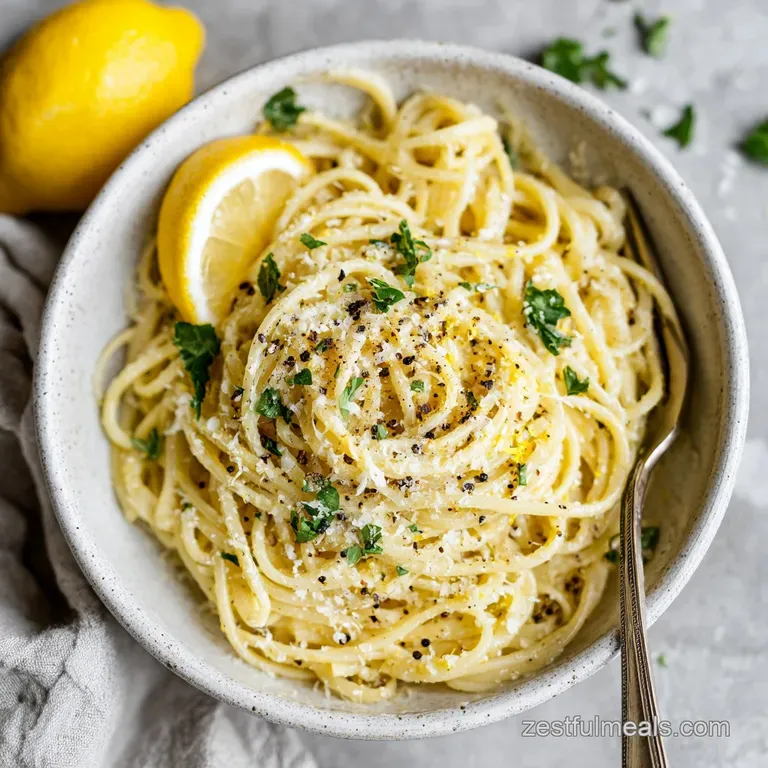
Bring a large pot of water to a rolling boil and salt heavily with the 2 tbsp of sea salt. Cook 450g pasta for 1-2 minutes less than package directions until firm and al dente. Note: The pasta will finish cooking in the sauce later.
Before draining the pasta, reserve at least 1 cup (240ml) of the starchy pasta water using a heat proof measuring cup. Note: This is the most important step; do not forget it!
In a wide skillet over medium low heat, melt 85g of unsalted butter. Add 3 cloves of shaved garlic and 1/2 tsp red pepper flakes, sautéing for 2 minutes until fragrant and the garlic is translucent.
Remove the skillet from heat and stir in the zest from 2 lemons until the butter turns a pale yellow and smells floral. Note: Removing from heat prevents the zest from turning bitter.
Add the cooked pasta and 1/2 cup of reserved pasta water to the skillet. Gradually add 100g of grated Parmigiano Reggiano and 4 tbsp of lemon juice.
Toss vigorously with tongs off heat for about 1 minute until a glossy, creamy sauce coats every strand. Note: The agitation is what creates the emulsion.
Finish by folding in 15g of chopped parsley and cracked black pepper to taste.
If the sauce looks tight or dry, add more reserved pasta water 1 tablespoon at a time until the texture is silky and fluid.
Taste one strand of pasta to check for seasoning; the Parmesan usually provides enough salt, but you might want a pinch more.
Serve immediately in warmed bowls to keep the delicate butter sauce from setting.
Fixing Common Pasta Mistakes
Even the simplest dishes can go sideways. The most common issue I hear about is the "broken" sauce, where the butter separates and looks oily. This usually happens because the pan is too hot when the water and cheese are added. If you see oil pooling at the bottom, don't panic.
Just add a splash more of that starchy water and give it a vigorous shake. The starch will help pull that fat back into the fold.
If your pasta feels "gummy," you probably overcooked it in the initial boiling phase. Remember, the pasta continues to cook when it hits the skillet with the hot water and butter. Always pull it out of the boiling water when it still has a slight "snap" in the center.
To Fix Clumping Cheese
If your cheese turns into a ball, it’s usually because it was added to a boiling pan. Remove it from the heat immediately, add a tablespoon of very hot pasta water, and whisk like crazy. It might not be perfect, but it will save the meal.
| Problem | Root Cause | Solution |
|---|---|---|
| Oily Sauce | Lack of starch or too much heat | Add 2 tbsp pasta water and toss vigorously off heat. |
| Bitter Taste | Burnt garlic or overcooked zest | Add a pinch of sugar or more butter to mellow the bitterness. |
| Dry Pasta | Water evaporated too quickly | Always reserve more water than you think; add 1 tbsp at a time. |
Common Mistakes Checklist
- ✓ Never rinse your pasta; you need that surface starch for the sauce to stick.
- ✓ Don't use "shaker" Parmesan; the anti caking agents prevent it from melting.
- ✓ Avoid bottled lemon juice; the flavor is muted and often has a metallic aftertaste.
- ✓ Ensure the garlic is "shaved" or sliced paper thin so it softens instantly.
- ✓ Preheat your serving bowls; a cold bowl will cause the butter sauce to seize up.
Easy Substitutions for Every Budget
I’m a big believer in using what you have. While Parmigiano Reggiano is the gold standard, it can be pricey. A good quality Pecorino Romano works beautifully, though it is saltier, so you’ll want to scale back on the added salt.
If you’re trying to keep the budget extra tight, even a high-quality domestic Parmesan can work if you grate it yourself.
If you don't have fresh parsley, fresh basil or even a little bit of thyme can change the profile of the dish while still tasting incredible. The key is to maintain the balance of fat, acid, and starch. If you change one, just make sure the others are there to support it.
| Original Ingredient | Substitute | Why It Works |
|---|---|---|
| Parmigiano Reggiano | Pecorino Romano | Similar texture but saltier and tangier. Note: Reduce added salt. |
| Fresh Parsley | Fresh Basil | Adds a sweeter, peppery note that pairs well with lemon. |
| Unsalted Butter | high-quality Olive Oil | Creates a lighter, "Agli Olio" style sauce. Note: Less creamy. |
For a heartier, budget friendly meal, you can also look at my sardines in tomato sauce which uses similar pantry staple logic to create a deep, savory flavor.
Storage and Food Waste Tips
Pasta with a butter based emulsion is always best eaten immediately. As it cools, the butter solidifies and the pasta absorbs the remaining moisture, leading to a clumpy texture. However, if you do have leftovers, keep them in an airtight container in the fridge for up to 3 days.
To reheat, do NOT use the microwave if you can avoid it. It will break the sauce and leave you with a puddle of oil. Instead, put the pasta back in a skillet with a splash of water or milk over low heat. Toss it gently until it's warmed through and the sauce becomes creamy again.
You can freeze this dish for up to 1 month, but the texture of the noodles will soften significantly.
Zero Waste Tip: Don't throw away those squeezed lemon halves! Put them in a jar with some white vinegar to make a natural kitchen cleaner, or toss them into your garbage disposal to freshen it up.
You can also save the parsley stems, chop them finely, and sauté them with the garlic for extra flavor.
How to Serve Your Pasta
When it comes to plating, keep it simple. A big swirl of pasta in the center of a shallow bowl, topped with an extra dusting of cheese and a final crack of black pepper, looks stunning.
If you want to turn this into a full feast, a simple arugula salad with a balsamic vinaigrette provides a nice peppery contrast to the creamy pasta.
For a High Protein Meal
You can easily add protein to this dish. Sautéed shrimp or a sliced grilled chicken breast tossed in at the very end works perfectly. If you want a more traditional meat focused meal, you might enjoy my simple bolognese recipe, but for a light summer night, the lemon remains king.
For the Ultimate Italian Feast
Serve this alongside some crusty sourdough bread to soak up any leftover lemon butter at the bottom of the bowl. A chilled glass of Pinot Grigio or a light Sauvignon Blanc cuts through the richness of the butter and complements the citrus beautifully.
Debunking Kitchen Myths
One of the biggest myths in pasta cooking is that you should add olive oil to your boiling water to keep the noodles from sticking. This is actually counterproductive! The oil creates a slick coating on the pasta that prevents our beautiful lemon Parmesan sauce from adhering.
If you have enough water and give it a stir in the first two minutes, it won't stick.
Another misconception is that the "al dente" phase is just a preference. In this recipe, it’s a requirement. Because we are finishing the pasta in a skillet with hot liquid, "perfectly cooked" pasta from the pot will become overcooked and mushy by the time the sauce is emulsified. Always pull it early.
Finally,, don't believe that "more is better" with the garlic. In a delicate citrus sauce, too much garlic or garlic that is browned too deeply will overwhelm the floral notes of the lemon zest. We want a whisper of garlic, not a shout.
Trust the process, keep it simple, and you'll have a dinner that tastes like a masterpiece in just 15 minutes.
Very High in Sodium
915 mg 915 mg of sodium per serving (40% 40% of daily value)
The American Heart Association recommends limiting sodium intake to no more than 2,300 mg per day, with an ideal limit of less than 1,500 mg per day for most adults.
Tips to Reduce Sodium
-
Reduce Added Salt-25%
The recipe calls for 2 tbsp of sea salt for cooking the pasta. Reducing this by half to 1 tbsp will significantly cut down on sodium. You can also eliminate it entirely if you are mindful of other salty components.
-
Opt for Lower Sodium Cheese-15%
Parmigiano Reggiano is a salty cheese. Look for a reduced sodium version or use a blend of regular and a salt free hard cheese. Grating your own from a block will also give you more control than pre-shredded.
-
Emphasize Lemon and Garlic
The recipe already uses lemon zest and juice, which are excellent for adding bright flavor without sodium. Boost their use even further to compensate for reduced salt.
-
Leverage Red Pepper Flakes
Red pepper flakes provide a spicy kick that can enhance the overall flavor profile of the dish, drawing attention away from the salt. Use them generously to add complexity.
-
Fresh Herbs for Flavor
Fresh parsley is a wonderful ingredient for adding freshness and aroma. Don't hesitate to increase the amount of fresh herbs to elevate the taste.
-
Mindful Pasta Water-5%
While reserved pasta water adds starchiness and helps bind the sauce, it will contain some sodium from the cooking water. If you significantly reduce or eliminate added salt for cooking, the pasta water will be less of a concern.
Recipe FAQs
What is Gordon Ramsay's 10 minute pasta recipe?
This recipe is not a Gordon Ramsay original, but it shares his technique for perfect texture. By cooking pasta 1-2 minutes less than package directions and tossing vigorously off-heat, you ensure an ideal al dente finish.
What is the 3 ingredient 5 minute pasta recipe you'll make forever?
While this dish uses several pantry staples, it mimics the "forever" method of emulsion based cooking. If you enjoyed nailing the glossy emulsion here, you can apply that same velvety sauce technique to other pasta dishes for professional results.
What vegetables go well in lemon parmesan pasta?
Stick to the recipe as written, as no vegetables are included in this specific preparation. Adding extra moisture heavy vegetables can disrupt the delicate balance of the butter and cheese emulsion.
What oil is best for lemon parmesan pasta?
None; this recipe relies exclusively on unsalted butter. Using high-quality butter is essential for creating the signature silky mouthfeel that oil simply cannot replicate.
How to prevent the sauce from becoming clumpy?
Toss the pasta and grated Parmigiano Reggiano vigorously while off-heat. Ensure you are using freshly grated cheese, as pre-shredded varieties contain anti caking agents that prevent a smooth melt.
Is it true I can use bottled lemon juice for convenience?
No, this is a common misconception. Bottled juice often has a metallic aftertaste and lacks the vibrant, bright acidity found in fresh lemons, which is critical for balancing the richness of the butter.
How to reheat leftovers without breaking the emulsion?
Place the pasta in a skillet over low heat with a small splash of water. Toss gently until the butter returns to a creamy consistency, avoiding the microwave, which often causes the sauce to split into oil.
Lemon Parmesan Pasta
Ingredients:
Instructions:
Nutrition Facts:
| Calories | 668 kcal |
|---|---|
| Protein | 23.6 g |
| Fat | 25.3 g |
| Carbs | 85.1 g |
| Fiber | 3.6 g |
| Sugar | 2.5 g |
| Sodium | 915 mg |
