Luxurious Latte Cake with Espresso Buttercream
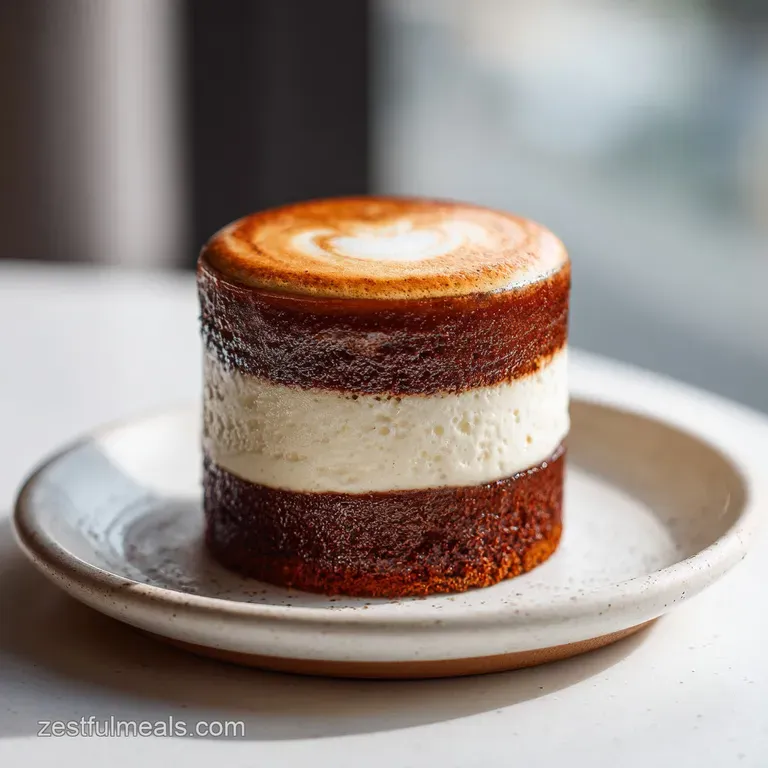
- Time: Active 30 minutes, Passive 35 minutes, Total 1 hours 5 mins
- Flavor/Texture Hook: Velvety crumb with a bold espresso kick
- Perfect for: Afternoon tea or a coffee obsessed friend's birthday
- Why This Coffee Sponge Works
- Perfect Coffee Cake Baking Specs
- Core Ingredients for Espresso Flavor
- Tools for Professional Cake Results
- Mixing Your Espresso Layer Cake
- Troubleshooting Your Coffee Cake Fails
- Smart Variations for Coffee Lovers
- Storing and Saving Leftover Cake
- Styling Your Latte Cake Masterpiece
- Recipe FAQs
- 📝 Recipe Card
Why This Coffee Sponge Works
- The Caffeine Bloom: Dissolving espresso powder in warmed milk "wakes up" the oils in the coffee, ensuring the flavor is distributed through every crumb rather than leaving bitter dry spots.
- Acidity Balance: Using 120ml of sour cream provides the necessary acidity to react with the baking soda, creating tiny air pockets that result in a lighter, more tender texture.
- Starch Gelatinization: Cake flour has a lower protein content than all purpose flour, which allows the starches to absorb more liquid and fat without getting tough or rubbery.
- The Sugar Soak: Brushing the layers with a 60ml espresso and brown sugar mixture adds moisture back into the sponge while intensifying the "latte" profile after baking.
| Bake Method | Prep Time | Texture Result | Best For |
|---|---|---|---|
| Fresh Sponge | 65 minutes | Velvety and light | Special occasions |
| Shortcut (Mix) | 40 minutes | Dense and sweet | Quick cravings |
| No Bake Version | 20 minutes | Creamy and soft | Hot summer days |
Mixing your own sponge from scratch allows you to control the exact intensity of the coffee flavor. While shortcuts are fine for a weeknight, they often lack the structural integrity needed to hold up against a heavy espresso buttercream.
Using real butter and 350g of granulated sugar creates a stable emulsion that supports the height of a layer cake.
Perfect Coffee Cake Baking Specs
| Component | Science Role | Pro Secret |
|---|---|---|
| Cake Flour (345g) | Provides structure | Sift it twice to aerate the batter for a cloud like finish. |
| Sour Cream (120ml) | Adds fat and moisture | Ensure it's room temp to prevent the butter from seizing up. |
| Espresso Powder (2 tbsp) | Concentrated flavor | Use "instant" espresso for better solubility than regular grounds. |
| Unsalted Butter (225g) | Tenderizes the crumb | Beat with sugar for 5 mins until it looks like pale whipped cream. |
Dissolving the coffee powder in 180ml of warmed milk is a step you shouldn't skip. When coffee hits warm liquid, it releases aromatics that stay trapped if you just toss the powder in with the dry ingredients. This technique is similar to how we handle the cocoa in a Chocolate Peppermint Dream recipe, where liquid temperature dictates the final flavor depth.
Core Ingredients for Espresso Flavor
To get that "luxurious" feel without breaking the bank, we focus on high impact ingredients. Using 1 tbsp of vanilla bean paste instead of cheap extract gives you those gorgeous little black specks and a floral aroma that bridges the gap between the bitter coffee and sweet sugar.
- 345g cake flour: Sifted to ensure no lumps. Why this? Lower protein means less gluten, resulting in a much softer cake crumb.
- 225g unsalted butter: Room temperature. Why this? Proper aeration only happens when butter is soft enough to trap air.
- 2 tbsp instant espresso powder: For the batter. Why this? Standard coffee grounds are too gritty; instant dissolves instantly into the milk.
- 120ml sour cream: Full fat is best. Why this? The fat adds richness while the acid keeps the sponge incredibly moist.
- 1.5 tbsp espresso powder (frosting): Extra fine. Why this? Provides the "latte" color and flavor to the 340g of butter.
- 60ml strong brewed espresso: For the soak. Why this? This acts as a moisture insurance policy for the baked layers.
| Original Ingredient | Substitute | Why It Works |
|---|---|---|
| Cake Flour (345g) | 300g AP Flour + 45g Cornstarch | Cornstarch lowers the protein, mimicking the softness of cake flour. |
| Sour Cream (120ml) | Full fat Greek Yogurt (120ml) | Provides the same tangy acidity and moisture levels. |
| Vanilla Bean Paste | Pure Vanilla Extract (1 tbsp) | Same flavor profile, though you'll miss the aesthetic bean specks. |
Tools for Professional Cake Results
You don't need a professional kitchen, but a few specific items make this much easier. A stand mixer is your best friend here because we need to cream the butter and sugar for quite a long time. If you’re using a hand mixer, prepare for a bit of a workout!
I always recommend using 20cm (8 inch) round cake pans. They provide the perfect height to width ratio for this specific volume of batter. Also, get yourself some parchment paper; there is nothing more heartbreaking than a cake that refuses to leave the pan.
Chef's Tip: Freeze your metal whisk attachment and mixing bowl for 10 minutes before making the buttercream. A cold bowl helps the 340g of butter maintain its structure, preventing the frosting from becoming "soupy" in a warm kitchen.
Mixing Your Espresso Layer Cake
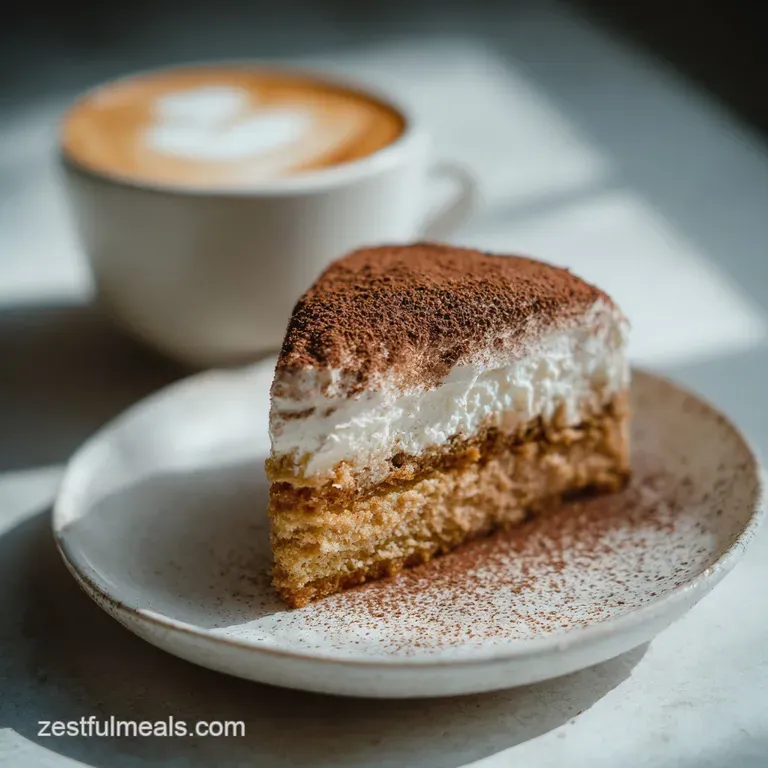
Prepping Your Coffee Infusion
- Warm the milk. Heat 180ml whole milk until it's just steaming, about 45°C. Note: Don't let it boil or it might curdle when added to the batter.
- Dissolve the coffee. Stir 2 tbsp espresso powder into the warm milk until completely dissolved and aromatic.
Building the Aerated Sponge
- Cream the fats. Beat 225g butter and 350g sugar on medium high for 5 minutes until the mixture is pale and fluffy.
- Add the eggs. Incorporate 4 large eggs one at a time, beating well after each until the batter looks smooth and emulsified.
- Whisk in aromatics. Mix in 1 tbsp vanilla bean paste and 120ml sour cream until no streaks remain.
Folding for Tender Crumb
- Sift dry goods. Combine 345g cake flour, baking powder, baking soda, and salt.
- Alternate liquids. Add the flour and coffee milk in three batches, starting and ending with flour until just barely combined.
Baking for Golden Finish
- Prepare the pans. Divide the batter between two 20cm pans and bake at 175°C for 35 minutes until a skewer comes out clean.
- Apply the soak. Mix 60ml espresso with 1 tbsp brown sugar and brush over the warm cakes until the liquid is fully absorbed.
Whipping Silky Espresso Buttercream
- Beat the butter. Whip 340g softened butter for 3 minutes.
- Add sugar and coffee. Gradually add 500g confectioners' sugar and the espresso cream mixture until the frosting is airy and spreadable.
Assembling the Layer Cake
- Stack and frost. Place one cooled layer down, spread a thick layer of buttercream, top with the second layer, and coat the exterior until smooth and velvety.
Troubleshooting Your Coffee Cake Fails
Why Your Cake Sunk in the Middle
This usually happens if you open the oven door too early. The structure hasn't set yet, and the sudden drop in temperature causes the air bubbles to collapse. Another culprit is expired baking powder; if those bubbles don't have enough "lift" to hold up the weight of the 345g of flour, the center will drop.
Why Your Buttercream Looks Curdled
If your butter was too cold or your heavy cream was straight from the fridge, the fats won't play nice. It looks like cottage cheese, right? Don't panic. You can usually fix this by taking a small bowl of the frosting, microwaving it for 5-10 seconds until melted, and then whisking it back into the main batch.
| Problem | Root Cause | Solution |
|---|---|---|
| Dense, heavy crumb | Overmixing the batter | Stop mixing as soon as the last streak of flour disappears. |
| Greasy frosting | Butter was too warm | Chill the bowl for 15 mins, then re whip the buttercream. |
| Bitter aftertaste | Too much espresso powder | Balance with a pinch of extra salt or a drizzle of caramel. |
Common Mistakes Checklist:
- ✓ Ensure eggs and sour cream are at room temperature (prevents batter splitting).
- ✓ Sift the cake flour twice (guarantees that velvety, light texture).
- ✓ Wait for the cakes to reach exactly 24°C before frosting (prevents melting).
- ✓ Brush the soak while the cake is still slightly warm (better absorption).
- ✓ Don't skip the salt in the buttercream (it cuts through the sugar intensity).
Smart Variations for Coffee Lovers
If you want to take this further, you can easily turn this into a mocha cake. Just swap 50g of the cake flour for high-quality cocoa powder. The coffee will actually intensify the chocolate flavor, making it taste more expensive than it is. It's a trick I often use in my Fudgy Football Brownie recipe to get that deep, dark color.
If you love that molasses depth, try adding a splash of the syrup from this Brown Sugar Latte recipe into your soak. It adds a smoky sweetness that pairs perfectly with the bitterness of the espresso.
| Change | Result | Flavor Profile |
|---|---|---|
| Add Caramel | Salted Caramel Latte | Sweet, salty, and buttery |
| Add Cocoa | Mocha Latte Cake | Rich, dark, and chocolatey |
| Use Oat Milk | Nutty Latte Cake | Slightly toasted and earthy |
Scaling this recipe is straightforward. If you need a single layer snack cake, simply halve all the ingredients. For a massive three tier celebration cake, double the ingredients but keep the spices and salt at 1.5x to avoid overpowering the palate.
When doubling, you might need to extend the bake time by about 5-8 minutes since the oven will be more crowded.
Storing and Saving Leftover Cake
Because of the 120ml of sour cream and the espresso soak, this cake stays moist much longer than a standard sponge. You can keep it in an airtight container at room temperature for up to 3 days.
If you’ve already frosted it, the fridge is safer, but make sure to take it out 30 minutes before serving so the buttercream can soften back to its velvety state.
- Fridge: Store for up to 5 days. Wrap individual slices in parchment paper to keep the edges from drying out.
- Freezer: You can freeze the un frosted layers for up to 3 months. Wrap them twice in plastic wrap and then a layer of foil.
- Zero Waste Tip: If you have leftover buttercream, it’s amazing smeared on morning toast or used as a dip for strawberries. If the cake gets a bit stale, crumble it up and mix it with a little extra frosting to make latte flavored cake pops!
Styling Your Latte Cake Masterpiece
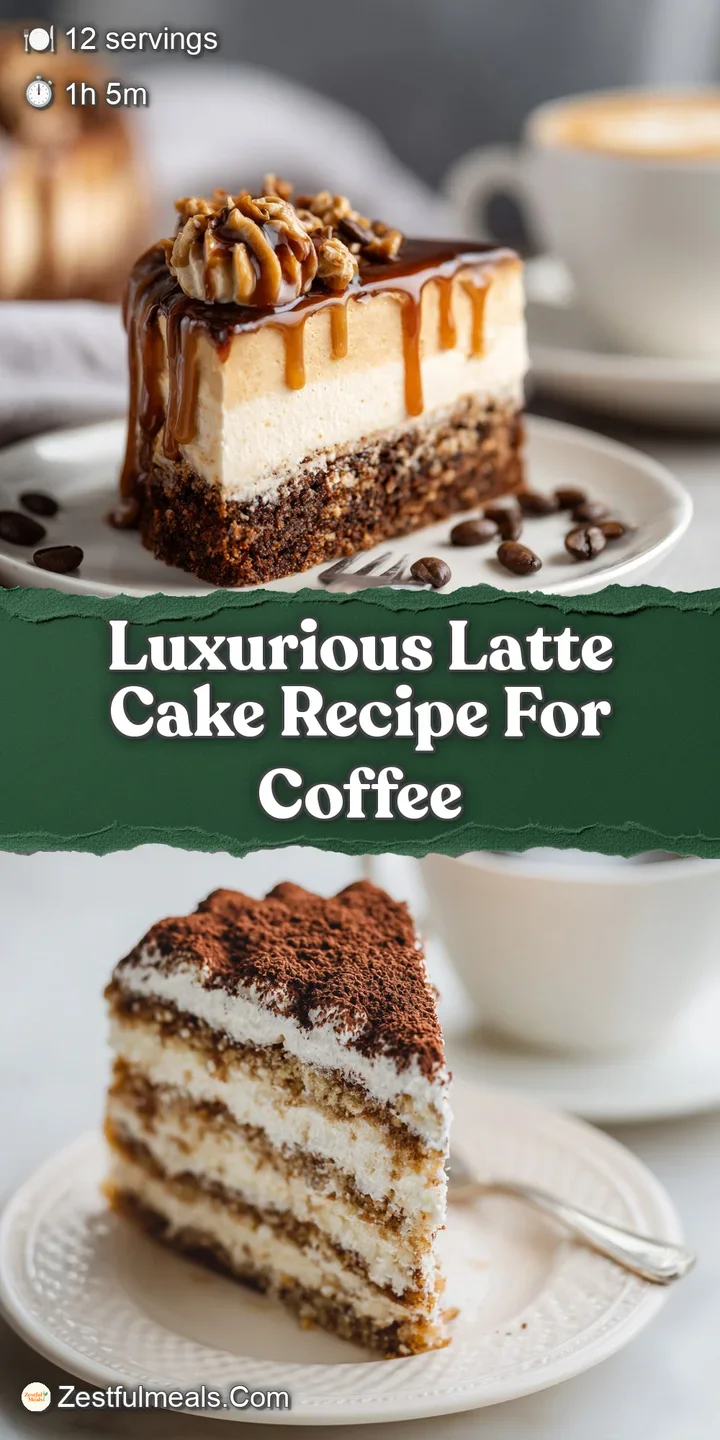
The beauty of a latte cake is in its simplicity. I love doing a "naked" frosting style where you can see bits of the coffee stained sponge peeking through. It gives it a rustic, café vibe. If you want a more polished look, use a bench scraper to get those sides perfectly smooth.
To really drive home the latte theme, dust the top with a tiny bit of cocoa powder or cinnamon using a fine mesh sieve, just like a barista would. A few chocolate covered espresso beans placed around the top edge add a satisfying crunch and a professional finish.
If you’re feeling fancy, a drizzle of salted caramel over the edges creates those beautiful "drip cake" streaks that look incredible in photos. Just remember to let the caramel cool slightly so it doesn't melt your hard work!
Recipe FAQs
Should I use regular brewed coffee instead of espresso powder for the batter?
No, use espresso powder for the batter. Brewed coffee adds too much liquid, throwing off the dry-to-wet ratio and potentially making your cake dense.
How to ensure the buttercream is silky and not greasy?
Chill your mixing bowl and whisk attachment for 15 minutes before starting. Using chilled metal tools helps the butter maintain its structure during the creaming process, preventing an oily separation.
Is it necessary to brush the cake layers with a sugar soak after baking?
Yes, this step is crucial for a luxurious texture. The soak reintroduces moisture lost during baking, ensuring every bite has that signature velvety crumb that stands up to the rich frosting.
How to substitute cake flour if I only have all-purpose flour on hand?
Measure 300g of All-Purpose flour and whisk in 45g of cornstarch for every 345g required. This technique lowers the overall protein content, mimicking the delicate structure achieved with pure cake flour, similar to how we balance acidity in our Simple No Bake Cheesecake recipe.
What is the most important timing element when creaming the butter and sugar?
Cream the butter and sugar for a full 5 minutes on medium high speed. This extended time is necessary to incorporate enough air, which is the primary leavening agent for a light crumb in this recipe.
Can I bake the layers ahead of time and store them?
Yes, bake the sponge layers up to two days in advance. Wrap the cooled layers tightly in plastic wrap while still slightly stale; this locks in moisture and prepares them perfectly for soaking later.
How do I prevent the sour cream from curdling the batter when mixing?
Ensure the sour cream and eggs are at true room temperature before adding them. Cold dairy shocks the emulsified butter/sugar mixture, causing it to break, resulting in a heavy texture.
Luxurious Latte Cake Recipe
Ingredients:
Instructions:
Nutrition Facts:
| Calories | 798 kcal |
|---|---|
| Protein | 5.1 g |
| Fat | 43.8 g |
| Carbs | 95.2 g |
| Fiber | 0.7 g |
| Sugar | 73.1 g |
| Sodium | 218 mg |
