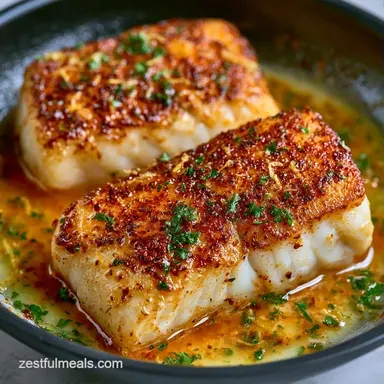
Moist Baked Cod Fillets with Lemon and Garlic
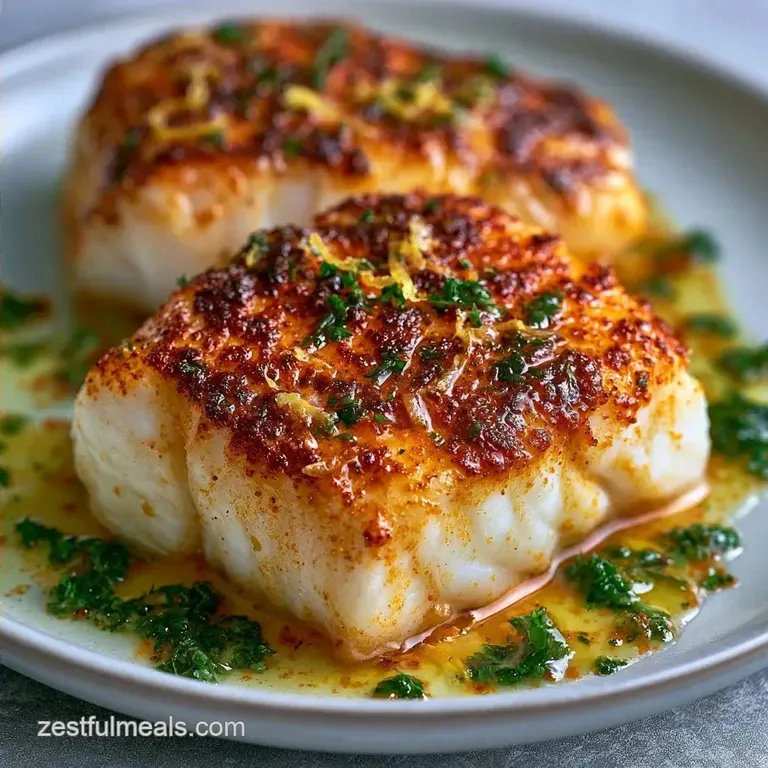
- Time: 5 min active + 15 min bake
- Flavor/Texture Hook: Zesty lemon with a flakey, buttery finish
- Perfect for: Busy weeknight dinners and picky eaters
That sharp, citrusy scent of lemon and garlic hitting a hot oven is one of my favorite kitchen smells. For a long time, I thought you had to wrap fish in foil packets or drown it in heavy cream to keep it from drying out. I was told that cod was just too lean to handle a direct bake without turning into cardboard.
Turns out, that's just not true. You don't need a complicated setup or a mountain of butter to get a great result. The trick is simply about temperature control and a quick, over high heat blast.
These Moist Baked Cod Fillets are my go to when the kids are hungry and I have exactly twenty minutes to get food on the table. It's a straightforward approach that works every single time without requiring any fancy gear.
Moist Baked Cod Fillets Recipe
The goal here is a piece of fish that flakes apart with a fork but still holds its shape. I've found that using a mix of melted butter and olive oil creates a barrier that keeps the juices inside the fillet.
If you're looking for other quick proteins for your rotation, my garlic chicken thighs follow a similar flavor profile and are just as easy on a Tuesday night.
Why This Recipe Works
I've tested a few ways to do this, and a few things stand out as the real winners:
- High Oven Temp: Baking at 400°F (200°C) cooks the outside quickly, which prevents the inside from overcooking while you wait for it to get hot.
- Fat Barrier: The butter and oil rub coats the fish, acting like a shield against the dry oven air.
- The Rest Period: Letting the fish sit for 5 minutes allows the internal juices to redistribute so they don't all run out on the plate.
Since I'm all about saving time and dishes, I prefer the oven over the pan for this specific fish.
| Feature | Oven Baked | Stovetop Pan Sear |
|---|---|---|
| Cleanup | Easy (one tray) | Moderate (splatter) |
| Consistency | Even heat | Hot spots |
| Effort | Set and forget | Constant flipping |
| Best For | Family meals | Single portions |
Ingredient Role Breakdown
I keep it simple with the ingredients, but each one has a job to do.
| Ingredient | What It Does | Best Swap |
|---|---|---|
| Cod Fillets | Lean protein base | Halibut or Haddock |
| Melted Butter | Adds richness and moisture | Ghee (for higher smoke point) |
| Lemon Juice | Cuts through the fat with acid | White wine or lime juice |
| Smoked Paprika | Adds a hint of woodsy color | Sweet paprika or old bay |
Shopping List and Swaps
Stick to these amounts for the best results. If you're buying frozen cod, make sure it's fully thawed and patted dry, or you'll end up with a poached fish instead of a baked one.
- 4 (6 oz) cod fillets Why this? Mild flavor that absorbs the rub well
- 2 tbsp unsalted butter, melted Why this? Provides the richness for a moist finish
- 1 tbsp extra virgin olive oil Why this? Prevents butter from burning at 400°F
- 1 lemon, zested and juiced Why this? Brightens the heavy fats
- 3 cloves garlic, minced Why this? Adds a pungent, savory depth
- 1 tsp smoked paprika Why this? Gives the fish a golden hue
- 1 tsp dried thyme Why this? Earthy balance to the lemon
- 1 tsp kosher salt Why this? Basic flavor enhancer
- 1/2 tsp black pepper Why this? Slight heat to cut the butter
- 2 tbsp fresh parsley, chopped Why this? Fresh, green finish
Basic Kitchen Tools
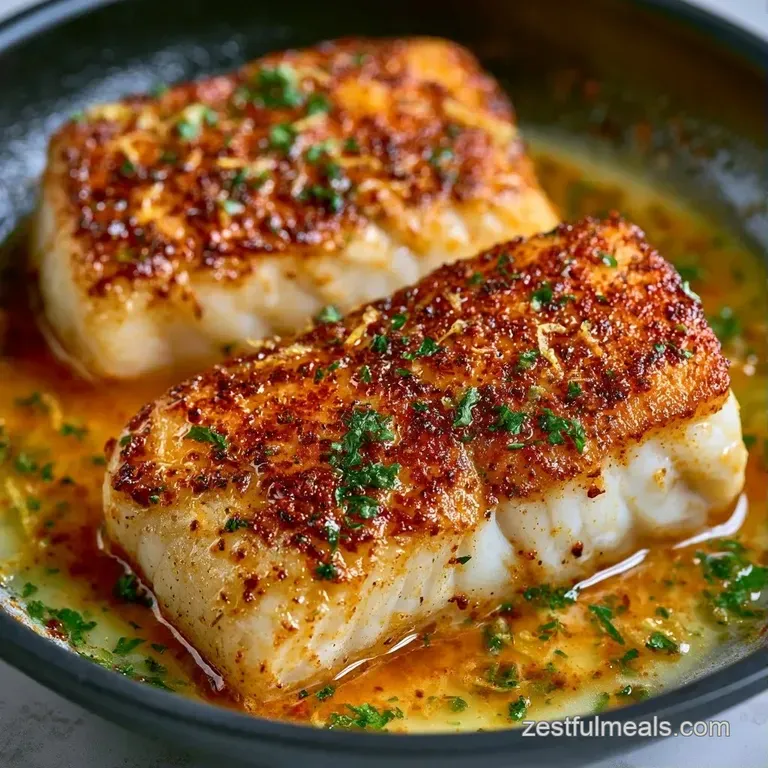
You don't need a professional kitchen for this. A standard baking sheet and a piece of parchment paper are the only "must haves." I use parchment because it stops the fish from sticking without needing a ton of extra oil.
A small whisk or even a fork works for the butter mixture. If you have a silicone brush, it makes applying the rub easier, but a spoon works just fine.
Step by step Process
Let's get into the actual cooking. Keep an eye on the clock, as fish can go from "just right" to "overdone" in about two minutes.
- Preheat the oven to 400°F (200°C) and line a baking sheet with parchment paper. Pat the cod fillets completely dry with paper towels. Note: Moisture on the surface creates steam, which stops the fish from browning.
- In a small bowl, whisk together the melted butter, olive oil, lemon zest, lemon juice, minced garlic, paprika, thyme, salt, and pepper.
- Place the fillets on the prepared baking sheet.
- Generously brush the seasoning mixture over the top and sides of each piece.
- Bake for 10–15 minutes. Wait until the internal temperature reaches 140°F (60°C) and the flesh flakes easily with a fork.
- Remove from the oven immediately.
- Sprinkle with fresh parsley.
- Let the fillets rest for 5 minutes before serving. Note: This prevents the fish from falling apart when you plate it.
Solving Cooking Problems
Even with a simple recipe, things happen. Most issues with Moist Baked Cod Fillets come down to temperature or water content.
Why Your Fish Is Watery
If you see a pool of white liquid on the pan, it's usually because the fish was frozen and not thawed properly. This is called albumin. While it's safe to eat, it looks unappealing. Patting the fish dry before and after thawing helps stop this.
To Avoid Rubbery Texture
Rubbery fish happens when you overcook it. If you don't have a meat thermometer, look for the "flake test." Push a fork into the thickest part; if it separates easily along the natural lines of the muscle, take it out.
Why The Garlic Burned
If your garlic looks black, the oven might be running hot or the garlic was minced too fine. Using a mix of butter and oil helps, but you can also push the garlic into the butter rub rather than letting it sit on the very top of the fish.
| Problem | Root Cause | Solution |
|---|---|---|
| Watery fillets | Excess moisture/frozen | Pat dry with paper towels |
| Rubberiness | Overcooked | Pull at 140°F (60°C) |
| Bland taste | Under seasoned | Use more lemon and salt |
Flavor Twist Ideas
Once you've got the basic Moist Baked Cod Fillets down, you can play with the rub. I usually keep the butter and oil base but swap the herbs.
For a Mediterranean vibe, replace the thyme with dried oregano and add a few halved cherry tomatoes around the fish. For something with a bit more kick, swap the paprika for Cajun seasoning and add a pinch of cayenne.
If you're trying to keep it low calorie, you can swap the butter for more olive oil or a bit of Greek yogurt. It won't be as rich, but it still keeps the fish moist.
Storage and Scraps
If you have leftovers, keep them in an airtight container in the fridge for up to 2 days. To reheat, don't use the microwave if you can help it, as that often makes the fish rubbery. Instead, put it back in the oven at 300°F for about 5–8 minutes just to warm it through.
I don't recommend freezing cooked cod, as the texture changes significantly.
For zero waste, don't throw away the rest of the lemon. I usually freeze my leftover lemon zest in a small container to add to pastas or salads later in the week. If you have parsley stems, toss them into a veggie stock pot.
Suggested Side Dishes
Because this dish is so lean, I like to pair it with something that has a bit of heft. A side of steamed asparagus or roasted carrots works well.
For a starch, I usually go with a simple wild rice blend or some smashed potatoes. If you want something crunchy and high protein to go on the side, these protein lentil chips provide a great textural contrast to the soft fish.
Right then, you've got a dinner that feels a bit fancy but takes almost no effort. Just remember: pat that fish dry, watch the timer, and don't skip the rest period. Enjoy!
Recipe FAQs
How to cook cod to keep it moist?
Pat the fillets completely dry and bake at 400°F. Pull the fish from the oven the moment the internal temperature hits 140°F to prevent drying.
What are common mistakes when baking cod?
Overcooking the fish is the most frequent error. Because cod is very lean, it can turn rubbery within minutes if cooked past the 140°F threshold.
How to bake cod fish in foil?
Wrap the seasoned fillets in aluminum foil pouches. Bake at 400°F for 10-15 minutes to trap steam and ensure a tender, juicy result.
How can cod fillets be seasoned for the best flavor?
Whisk together melted butter, olive oil, lemon, garlic, paprika, and thyme. Brush this mixture over the fish for a bright, savory crust. If you enjoyed this flavor balancing, see how we create a different aromatic profile in our Steak Diane.
What's the best way to cook 2 inch thick cuts of cod?
Bake at 400°F but monitor the internal temperature closely. Thicker cuts may require the full 15 minutes, but they must always be removed at 140°F.
Is it true that cod must be frozen before baking for better texture?
No, this is a common misconception. Fresh fillets provide a superior flake and avoid the excess moisture release typical of frozen fish.
How to cook cod for diabetics?
Follow the recipe as written. The combination of lean protein and heart healthy olive oil without added sugars is naturally diabetic friendly.
Moist Baked Cod Fillets