Roasted Butternut Squash Potage
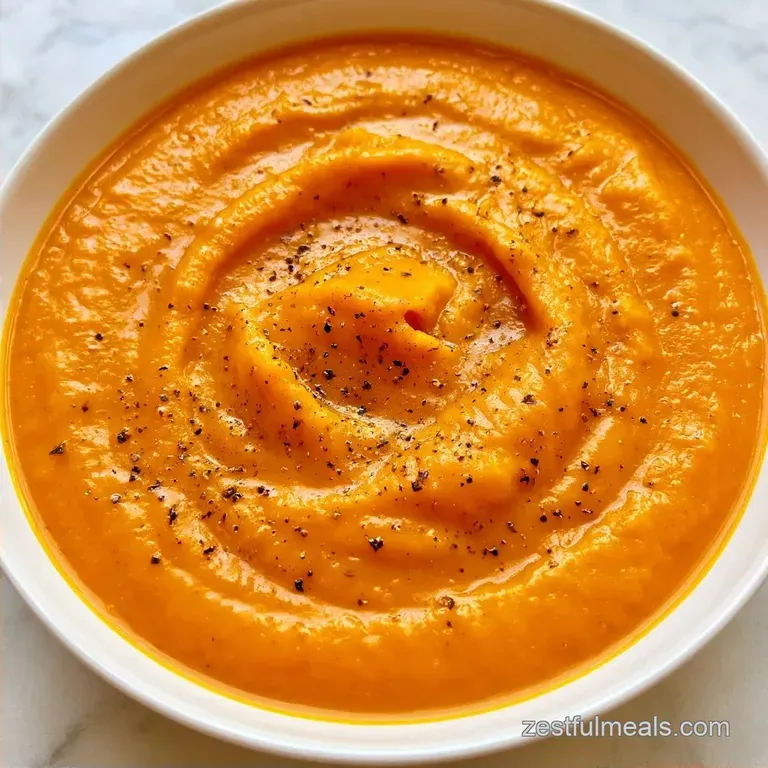
- Time: 10 min active + 45 min cooking
- Flavor/Texture Hook: Silky and caramelized
- Perfect for: Busy weeknights or meal prep
That smell of roasted squash hitting the air is the best part of autumn. It's a heavy, sweet aroma that makes the whole house feel cozy before the soup even hits the bowl.
I used to just boil my vegetables in broth, but the result was always a thin, pale orange liquid that tasted like cardboard. It was disappointing and lacked any real punch.
Switching to a roasted base changed everything. This Butternut Squash Potage has a depth that only comes from high heat, and it's a huge win for anyone who needs a fast, comforting meal that kids will actually eat.
Why This Texture Works
Roasting: Cooking the squash at 400°F evaporates water and browns the edges. This creates a thick body without needing heaps of thickeners.
Fat Balance: Combining sautéed butter with a touch of heavy cream binds the flavors together. It keeps the soup from separating as it cools.
What You'll Need
| Ingredient | Purpose | Alternative |
|---|---|---|
| Butternut Squash | Primary base and natural sugar | Pumpkin (use puree; decrease broth) |
| Vegetable Broth | Salty liquid foundation | Chicken broth or water with bouillon |
| Heavy Cream | Velvety texture and richness | Full fat coconut milk (introduces a nutty hint) |
| Fresh Sage | Earthy, fragrant notes | Dried sage (replace 1 tbsp with 1 tsp) |
Ingredients and Substitutions
- 3 lbs butternut squash, peeled and cubed (1 inch pieces) Why this? Ensures the squash roasts evenly
- Swap: Kabocha squash for a nuttier, denser profile.
- 2 tbsp extra virgin olive oil
- Swap: Avocado oil for better high heat performance.
- 1 tsp kosher salt
- ½ tsp cracked black pepper
- 2 tbsp unsalted butter Why this? Creates a savory, rich base for the aromatics
- Swap: Coconut oil or vegan butter.
- 1 medium yellow onion, diced
- Swap: Shallots for a more subtle flavor.
- 3 cloves garlic, minced
- 1 tbsp fresh ginger, grated Why this? Balances the natural sugars of the squash
- Swap: ½ tsp ground ginger.
- 4 cups low sodium vegetable broth
- ½ cup heavy cream
- 1 tbsp fresh sage, chopped
- 1 tsp fresh lemon juice Why this? Lifts the deep, heavy flavors at the end
- Swap: Apple cider vinegar.
Basic Tools for This Soup
You don't need a fancy setup for this. A large rimmed baking sheet is a must to prevent the squash from crowding and steaming.
For the soup itself, a Dutch oven or a heavy bottomed pot works best to distribute heat evenly. If you have an immersion blender, use it. If not, a standard blender works fine, just be careful with hot liquids.
Making the Butternut Squash Potage
Preparing the Squash
- Preheat the oven to 400°F (200°C).
- On a baking sheet, toss the butternut squash cubes with olive oil, salt, and pepper.
- Roast for 25-30 minutes, stirring halfway through, until the edges reach a mahogany color. Note: Give the vegetables plenty of space on the pan to ensure they brown properly.
Sautéing the Aromatics
- Melt butter in a Dutch oven over medium heat.
- Cook the diced onion for 5-7 minutes until translucent.
- Stir in the grated ginger and minced garlic, cooking for 60 seconds. Note: Stir constantly as garlic can burn quickly.
Simmering and Blending
- Add the roasted butternut squash into the pot with the sautéed aromatics.
- Pour in the vegetable broth and stir in the chopped sage.
- Bring the mixture to a gentle boil, then lower the heat and simmer for 10 minutes.
- Remove from heat and use an immersion blender to puree until smooth.
- Fold in the heavy cream and lemon juice, then season with additional salt and pepper to taste.
Fixing Common Potage Issues

If your soup feels too thin, you likely didn't get enough brown on the squash during the roast. You can fix this by simmering the blended soup uncovered for another 10 minutes to let more liquid evaporate.
When the flavor feels "flat" or too sweet, it's usually a lack of acidity. A tiny squeeze of extra lemon juice or a drop of vinegar wakes up the whole pot.
Troubleshooting Guide
| Problem | Root Cause | Solution |
|---|---|---|
| Watery consistency | Under roasted squash | Simmer uncovered for 10 mins |
| Too sweet | Lacks acidity | Add 1 tsp lemon juice |
| Grainy texture | Under pureed vegetables | Blend for 2 mins longer |
| Bland flavor | Low salt content | Add salt in small increments |
Different Flavor Twists
If you want a bit more heat, stir in a pinch of cayenne pepper or red chili flakes when you add the ginger. For a different vegetable profile, you can use the same roasting method as my Roasted Sweet Potatoes to create a hybrid squash and sweet potato blend.
To make a Butternut Squash Pumpkin Soup, replace half of the fresh squash with canned pumpkin puree. Add the puree during the simmering stage. It makes the color more vibrant and adds a slightly different sweetness.
For a leaner version, skip the heavy cream and use a blended cashew cream or just a bit more broth. The roasted squash already provides a lot of natural creaminess, so the soup still feels rich.
Quick Adjustments
- Extra tang? → fold in 1 tsp lemon zest
- More earthiness? → add ½ tsp ground cumin
- Added protein? → stir in cooked chickpeas
Adjusting the Batch Size
For a smaller meal for two, cut the measurements in half. Use a smaller pan to ensure the squash remains in a single layer. You will likely need to shorten the simmering duration by roughly 20% given the lower volume in the pot.
When scaling up the Butternut Squash Potage for a group, be cautious with the ginger and salt. Use a 1.5x increase rather than 2x, then taste and adjust the seasoning at the end.
Roast the squash in batches. Overcrowding a tray with 6 lbs of squash will lead to steaming instead of browning, which ruins the caramelized taste.
Method Comparison
| Feature | Stovetop Simmering | Oven Roasting (This Recipe) |
|---|---|---|
| Flavor Depth | Mild and sweet | Deep and caramelized |
| Texture | Can be watery | Naturally thick |
| Effort | Low | Medium |
| Time | Faster active time | Longer total time |
Storing and Warming Your Soup
Keep your Butternut Squash Potage in a glass container in the fridge for 4 days. The flavor actually improves the next day as the sage and ginger settle in.
For the freezer, use freezer safe bags or plastic containers. Leave about an inch of space at the top because the liquid expands when it freezes. It stays good for 3 months.
To reheat, put the soup in a pot over medium low heat. If it has thickened too much in the fridge, stir in a splash of broth or water to loosen it up. Avoid microwaving on high heat, as the cream can separate.
Don't toss the squash seeds! Clean them, toss them with a bit of oil and salt, and roast them at 325°F for 15 minutes for a crunchy topper.
Serving the Finished Dish
This soup is best served in warm bowls with a swirl of heavy cream on top. I like to add a few toasted pumpkin seeds or a fried sage leaf for a bit of crunch.
It pairs great with a crusty sourdough baguette or a grilled cheese sandwich. If you want a full meal, this works well alongside a Beef Sweet Potato Skillet for a hearty winter dinner.
For a lighter lunch, just serve it with a side of steamed greens. The richness of the potage makes it filling enough that you don't need a heavy side dish.
Just remember to taste it one last time right before serving. A final pinch of salt or a crack of black pepper can make the flavors pop.
Recipe FAQs
Should I peel the butternut squash before roasting?
Peel the skin to ensure a perfectly smooth puree.
Tip: Use a sturdy Y-peeler to handle the tough outer rind safely.
How to enhance the depth of flavor?
Roast the cubes at 400°F until the edges are mahogany colored.
Tip: Add salt in small increments at the end to brighten the taste.
Is butternut squash actually a kind of pumpkin?
Actually, no. While related, they are distinct species within the gourd family.
Tip: Choose butternut for its denser, creamier texture in potages.
Which seasonal treats pair well with this soup?
Rich, nutty desserts provide a great balance to the savory ginger and sage.
Tip: Serve a slice of pecan pie to round out a fall meal.
What can I do if the soup is too watery?
Simmer the pot uncovered for 10 minutes to reduce the liquid.
Tip: Avoid adding extra broth until after you have pureed the vegetables.
Can the texture be made silkier?
Blend the soup for 2 minutes longer using an immersion blender.
Tip: Stir in the heavy cream at the very end to maintain the emulsion.
Is it true that roasting without oil works just as well?
False. Olive oil is required to conduct heat and achieve proper caramelization.
Tip: Toss the squash thoroughly to ensure every piece is lightly coated.
Roasted Butternut Squash Potage