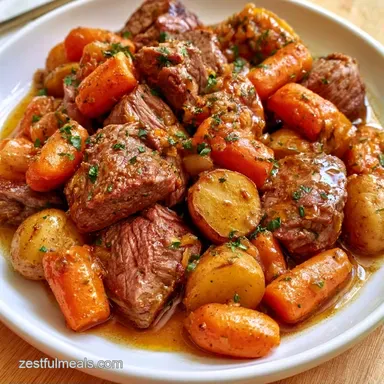
Fork-Tender Slow Cooker Beef Roast
- Time:20 minutes active + 8 hours cooking
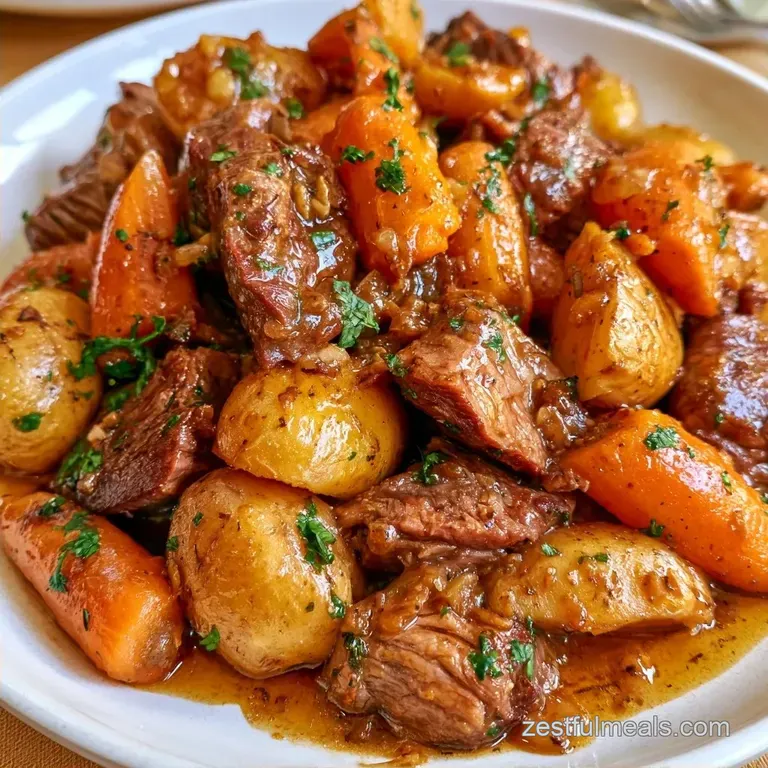
- Flavor/Texture Hook: Rich mahogany exterior with melt-in-your-mouth meat
- Perfect for: Hectic weeknights and preparing family meals
Nothing beats the sound of a beef roast searing in a hot pan. That intense sizzle and the aroma of browning meat are the first signs that rich flavors are developing. Skipping this step results in meat that is essentially boiled, which is a common mistake.
I once tried the "set it and forget it" approach by tossing everything in at once, but the meat always turned out gray and tasteless. Now, I spend a few extra minutes creating a deep crust at the beginning. The difference in the final flavor is night and day.
Achieving this Slow Cooker Beef Roast requires some patience and a few basic techniques. You'll get meat that falls apart with a fork and a rich gravy that clings to the spoon. It brings that classic Sunday roast atmosphere to your table, even in the middle of the work week.
Slow Cooker Beef Roast Basics
Achieving the perfect result requires following a few key guidelines. Start by choosing a beef chuck roast over a lean round roast, as the higher fat content prevents the meat from drying out. Next, sear the roast over medium high heat until it reaches a deep brown color.
Finally, ensure the internal temperature reaches 200°F to 205°F for effortless shredding.
Avoid the temptation to switch to "High" heat to save time. Doing so can seize the muscle fibers, leaving the meat rubbery. Maintaining a "Low" setting for the entire 8 hours is essential for achieving that signature tender texture.
Here is the science behind why this method is so effective.
How the Meat Softens
Collagen Breakdown: Chuck roast has lots of connective tissue that turns into gelatin over 8 hours. This is what gives the meat a velvety feel and keeps it moist.
The Searing Phase: Browning the meat creates a deep layer of flavor on the outside. This adds a richness that you can't get from slow cooking alone.
Low Heat: Cooking at a low temperature prevents the proteins from tightening up too fast. Using bone broth instead of water adds more body to the liquid.
| Method | Time | Texture | Best For |
|---|---|---|---|
| Oven Roast | 3 hours | Firm & Juicy | Traditional Dinner |
| Slow Cooker | 8 hours | Fall apart | Busy Weeknights |
The slow cooker method is a lifesaver for families because it does the hard work while you're at the office or running kids to practice.
Gathering the Right Ingredients
| Component | Purpose | Substitute Notes |
|---|---|---|
| Beef Chuck | Supplies fat and collagen | Bottom round is a leaner, tougher option |
| Beef Broth | Forms the braising liquid | Unsalted stock works equally well |
| Tomato Paste | Enhances depth and color | 1 tbsp ketchup + pinch of sugar |
| Cornstarch | Thickens the final gravy | Flour is a substitute, but less glossy |
The Shopping List
- 3 lb beef chuck roast Tip: High fat content keeps the meat tender
- 2 tbsp vegetable oil
- 1 tsp kosher salt
- 1/2 tsp black pepper
- 1 lb carrots, cut into 2 inch chunks
- 1.5 lb Yukon Gold potatoes, halved Tip: These stay intact better than Russets
- 1 medium yellow onion, sliced into thick rings
- 4 cloves garlic, smashed
- 2 cups low sodium beef broth
- 2 tbsp tomato paste
- 1 tbsp Worcestershire sauce
- 1 tsp dried rosemary
- 2 tbsp cornstarch
- 2 tbsp cold water
If you don't have Worcestershire sauce on hand, a bit of soy sauce provides a comparable salty, fermented taste.
Essential Kitchen Tools
This recipe doesn't require much equipment. You'll primarily need a heavy skillet for searing the meat. While cast iron is a top choice, any stainless steel pan capable of withstanding medium high heat is perfectly fine.
For the slow cooking phase, I recommend a 6-quart slow cooker. This size ensures the beef and vegetables aren't cramped, allowing for better heat circulation. If the pot is too full, you risk inconsistent results, such as some carrots becoming overcooked while others stay hard.
Lastly, grab a whisk to prepare the gravy. Using one helps eliminate any lumps in the cornstarch slurry before you add it to the pot.
Putting the Roast Together
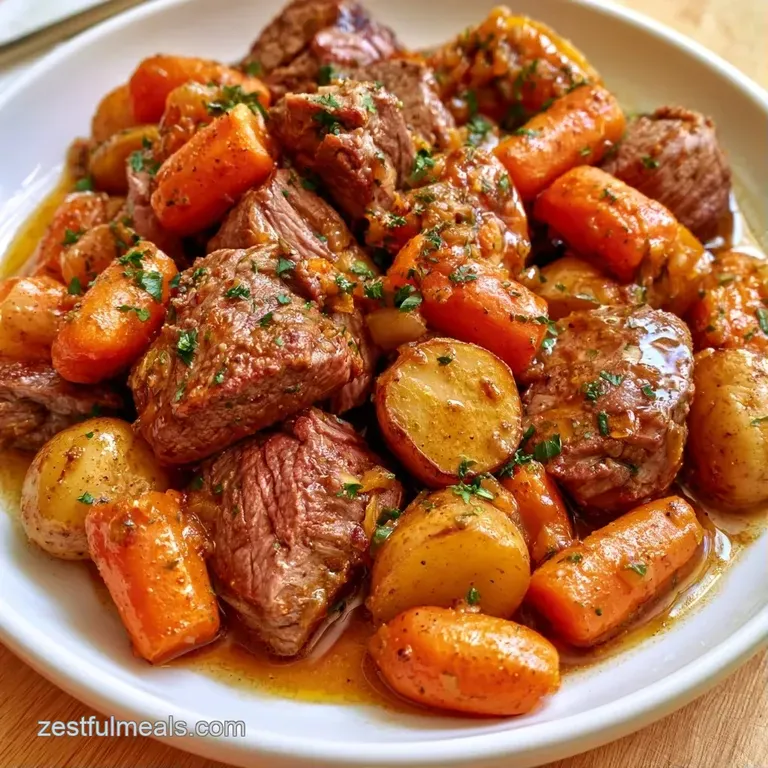
Phase 1: The Flavor Foundation
- Use paper towels to dry the beef roast thoroughly. Note: Removing surface water prevents steaming and encourages a better sear.
- Coat the meat liberally with 1 tsp salt and 1/2 tsp pepper.
- Bring some oil to a shimmer in a pan over medium high heat.
- Brown the roast for 4-5 minutes on each side to achieve a rich, dark crust.
- Transfer the beef to the slow cooker.
Phase 2: Layering for Maximum Flavor
- Lay the sliced onion rings and crushed garlic across the bottom of the slow cooker. Note: This acts as a base to keep the beef off the direct heat source.
- Place the seared Slow Cooker Beef Roast atop the onion layer.
- Tuck the potato halves and carrot pieces around the edges of the meat.
Phase 3: The Low and Slow Simmer
- Blend the beef broth, tomato paste, Worcestershire sauce, and dried rosemary together.
- Drizzle this mixture over the meat.
- Put the lid on and set to Low for 8 hours until the beef is fork tender.
Phase 4: Finishing the Gravy
- Transfer the beef and vegetables to a serving dish and cover loosely with foil.
- Mix 2 tbsp cornstarch and 2 tbsp cold water in a small container.
- Whisk the mixture into the slow cooker juices and cook on high until the gravy thickens and begins to bubble.
Chef's Note: Let the roast rest under foil for 15 minutes before carving to ensure the juices stay inside the meat.
Fixing Common Roast Issues
If your meat is still chewy, don't panic. It just means the collagen hasn't fully melted. This happens sometimes with larger cuts of beef. Just put it back in for another hour.
When the gravy stays too thin, it's usually because the slurry wasn't whisked well or the liquid didn't reach a simmer. You can add another teaspoon of cornstarch mixed with water to fix it.
If the vegetables turn to mush, it's because they spent too much time in the liquid. Try putting the carrots and potatoes on top of the meat instead of submerged in the broth.
| Problem | Root Cause | Solution |
|---|---|---|
| Meat is tough | Undercooked collagen | Cook for 1-2 more hours on Low |
| Thin gravy | Not enough starch/heat | Add more slurry and simmer on High |
| Mushy veg | Overcooked/Submerged | Place vegetables on top of the meat |
The Slow Cooker Beef Roast is very forgiving, so most things can be fixed with a little more time or a bit more starch.
| Ingredient | Budget Option | Impact | Savings |
|---|---|---|---|
| Beef Chuck | Bottom Round | Tougher texture | $3-5 per lb |
| Yukon Gold | Russet Potatoes | Grainier texture | $1-2 per bag |
| Fresh Garlic | Garlic Powder | Less punchy flavor | Minimal |
Honestly, don't skimp on the beef chuck. The fat is where the flavor lives.
Changing Up the Flavor
For a more woodsy scent, swap out the rosemary for fresh thyme and a bay leaf. To add a touch of spice, stir a teaspoon of red pepper flakes into the braising liquid for a subtle glow of warmth.
To make this low carb, replace the potatoes with turnips or radishes. When slow cooked, radishes lose their sharp edge and develop a texture very similar to potatoes.
If you're short on time and can't wait 8 hours, my taco meat is a wonderful alternative for a fast beef dinner.
Quick Flavor Tweaks
- Extra richness? → stir 1 tbsp butter into the gravy
- More tang? → whisk in 1 tsp apple cider vinegar at the end
- Deeper color? → mix 1 tsp molasses into the broth
Storage and Zero Waste
Keep leftovers chilled in an airtight glass dish for as long as 4 days. I've found the taste actually enhances the following day as the spices fully meld with the meat.
If you've prepared a large roast and have extras, the beef and gravy can be frozen for 3 months. Store the gravy separately to keep the vegetables from becoming too mushy during the freeze thaw process.
To reheat, place the beef and gravy in a small pot over medium low heat. Stir in a splash of water or broth if the sauce has thickened while chilling.
Save any remaining braising liquid instead of discarding it. After straining, it works perfectly as a base for a rich beef stew or a savory French onion soup.
Serving the Final Dish
The most classic way to serve a Slow Cooker Beef Roast is right in the bowl with the carrots and potatoes, smothered in that thick gravy. I like to add a sprinkle of fresh parsley on top to cut through the richness.
For something different, try an open faced sandwich. Toast a thick slice of sourdough, pile on the shredded beef, and pour the gravy over the top. It's a massive hit with my kids.
Since this is such a heavy meal, serve it with something bright. A simple arugula salad with lemon vinaigrette or some steamed green beans balances the dish.
This Slow Cooker Beef Roast is the ultimate comfort meal for a rainy day. It's simple, uses minimal tools, and delivers a result that feels like it took way more effort than it actually did. Just remember to sear the meat, keep the heat low, and let the time do the work for you.
Recipe FAQs
How to cook the perfect roast beef in a slow cooker?
Sear the meat in oil over medium high heat first. Place it on a bed of sliced onions and garlic, surround with vegetables, and cook on Low for 8 hours.
Do you need to add liquid to the pot?
Yes, liquid is required for braising. Use a mix of beef broth, tomato paste, Worcestershire sauce, and rosemary to ensure the roast stays moist.
Is it true that browning the meat is optional?
Surprisingly, no. Searing for 4-5 minutes per side creates a deep mahogany crust that significantly improves the final flavor.
What's the secret to melt-in-the-mouth beef?
Cook on the Low setting for 8 hours. This slow breakdown of connective tissue in the chuck roast is what creates that signature tender texture.
Which mistakes often ruin slow cooker roasts?
Overfilling the pot with liquid or skipping the sear are common errors. To brighten the rich flavors of the meat, pair the roast with a fresh herb condiment.
Slow Cooker Beef Roast