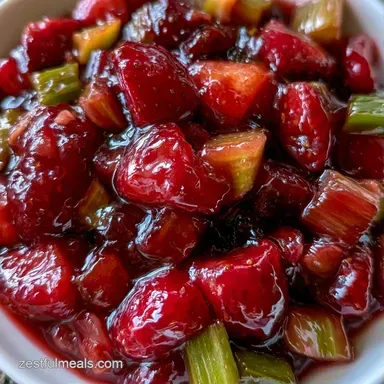
Traditional Strawberry Rhubarb Jam
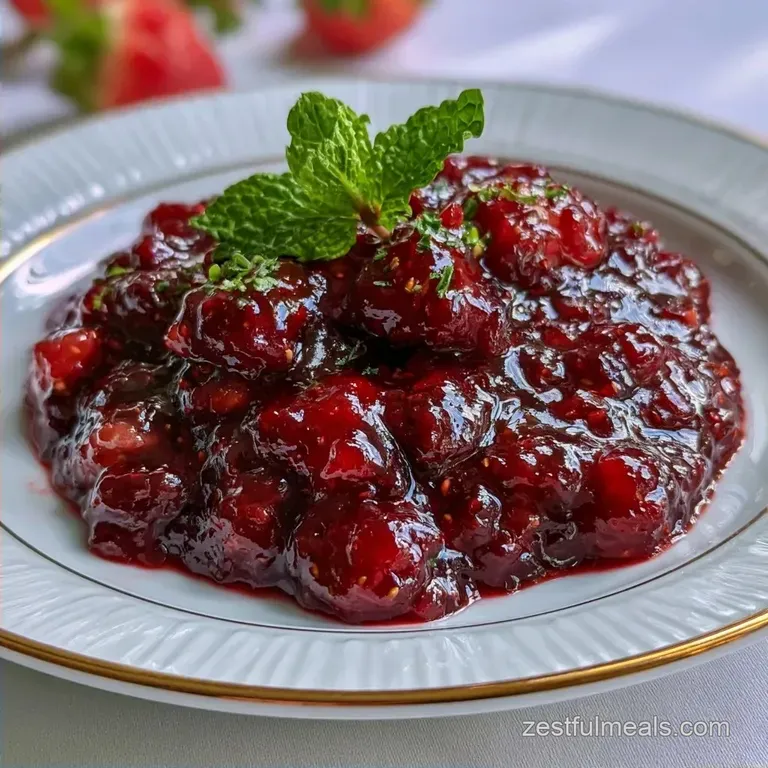
- Time:15 minutes active + 20 minutes cooking + 35 minutes processing/cooling = Total 70 minutes
- Flavor/Texture Hook: Tangy, velvety, and thick with chunks of fruit
- Perfect for: Morning toast, gifting, or beginner preservers
The scent of bubbling berries and tart rhubarb filling the kitchen is honestly one of my favorite parts of spring. There is something about that sharp, acidic steam that just tells you the season has shifted. But for a long time, my attempts at this ended in a total disaster.
I remember one particular batch that looked like a thin, sugary soup rather than a jam. I had followed a recipe to the letter, but it just wouldn't set, leaving me with seven jars of expensive, flavored syrup.
It turns out the problem wasn't the fruit, but the heat management and the timing of the sugar. Most people just throw everything in and hope for the best, but jam is more about chemistry than cooking. Once I figured out the "gel point" and how to handle the pectin, everything changed.
This Strawberry Rhubarb Jam is the result of those mistakes, designed to give you a consistent, thick spread every single time without the guesswork.
You can expect a jam that has a gorgeous deep red color and a texture that is thick but still holds pieces of fruit. It's not a gelatinous blob, but it also won't run off your toast. Whether you're into traditional canning or just want some fridge jam for the week, this method is the most reliable way to get it right.
Strawberry Rhubarb Jam
Right then, let's get into the "how" of this. Jamming is basically just managing water. You're boiling off excess moisture so the pectin can create a web that traps the fruit and sugar. If you don't boil it enough, it's syrup. If you overdo it, you get a rubbery, burnt tasting preserve.
For this particular pairing, the rhubarb is the secret weapon. Strawberries are lovely, but they can be a bit one dimensional when you add a kilogram of sugar. The rhubarb brings that necessary "zing" that cuts through the sweetness.
It's a balance of acidity and sugar that makes the flavors pop rather than just tasting like candy.
Trust me on this, don't try to skip the lemon juice. Even if your rhubarb is incredibly tart, the lemon juice helps the pectin bond. It's a small addition, but it's what ensures your jam has that velvety consistency instead of a grainy or runny one. Let's look at what's actually happening in the pot.
The Set Secret
- Pectin Binding: Pectin molecules need acid and sugar to link together. Without both, the molecules just slide past each other, and your jam stays liquid.
- Water Evaporation: Boiling the mixture concentrates the solids. As the water leaves as steam, the concentration of sugar and pectin increases, allowing the gel to form.
- Sugar Stabilization: Sugar doesn't just sweeten, it binds to water molecules. This prevents the pectin from clumping and ensures the jam stays smooth.
| Fruit State | Prep Time | Texture | Best For |
|---|---|---|---|
| Fresh Produce | 15 minutes | Chunky and bright | Long term canning |
| Frozen Blend | 5 minutes | Softer and smoother | Quick fridge jam |
If you're looking for a different way to use these flavors, you might enjoy a [jam sundae sauce](https://zestfulmeals.com/recipes/jam-sundae sauce/) for a quicker dessert topping. But for a proper preserve, we need to stick to the boiling method to get that shelf stable set.
Detailed Ingredient Analysis
Not all ingredients are created equal when it comes to preserving. The quality of your fruit determines the color and the "chunk factor" of your final product. I always suggest using the ripest strawberries you can find, as they have the most natural pectin and flavor.
| Ingredient | Science Role | Pro Secret |
|---|---|---|
| Powdered Pectin | Gelling Agent | Mix with fruit first to avoid clumps |
| Granulated Sugar | Preservative/Binder | Don't reduce too much or it won't set |
| Lemon Juice | pH Regulator | Fresh is always better than bottled |
| Unsalted Butter | Foam Suppressant | Stir in at the end for a clear finish |
The Component List
- Fresh Strawberries (600g) - Hulled and quartered. Why this? Provides the base sweetness and deep red color. (Substitute: Frozen strawberries, thawed and drained)
- Fresh Rhubarb (500g) - Chopped into 1/2 inch pieces. Why this? Adds essential acidity and tartness. (Substitute: Frozen rhubarb, slightly more sugar may be needed)
- Lemon Juice (15ml) - Freshly squeezed. Why this? Lowers pH to activate the pectin. (Substitute: Apple cider vinegar, though flavor changes)
- Granulated Sugar (1kg) - Standard white sugar. Why this? Necessary for the gel bond and preservation. (Substitute: Cane sugar, but avoid honey or maple as they affect the set)
- Powdered Fruit Pectin (57g) - One standard box. Why this? Ensures a reliable set every time. (Substitute: Natural pectin, but requires longer cook time)
- Unsalted Butter (14g) - One tablespoon. Why this? Stops the jam from foaming over the pot. (Substitute: Coconut oil for a dairy-free option)
Essential Kitchen Tools
You don't need a professional laboratory, but a few specific tools make this a lot easier. The most important thing is the pot. Use a heavy bottomed stainless steel pot. Thin pots create hot spots that can burn the sugar, leaving you with a bitter taste in your Strawberry Rhubarb Jam.
I also highly recommend a digital thermometer. Relying on the "jam plate test" (putting a plate in the freezer) is a great old school trick, but a thermometer takes the anxiety out of the process. You're looking for a very specific temperature to ensure the water has evaporated enough for the pectin to lock in.
Finally, make sure you have sterilized jars and lids. If you're canning for the long term, a water bath canner is essential. If you're just making a few jars for the fridge, a simple boiling water bath in your largest pot will do the trick. Just be careful when handling the hot glass!
The Making Process
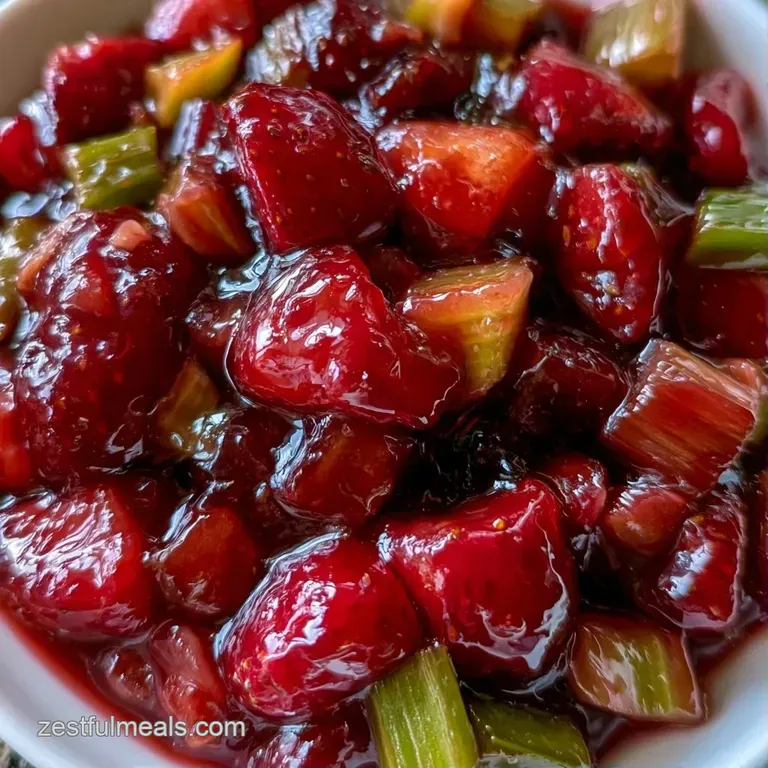
Let's get cooking. Remember, the goal here is to reach a full rolling boil, which is a boil that doesn't stop even when you stir it. That's the signal that the temperature is high enough for the pectin to work its magic.
- Wash and dry the strawberries and rhubarb thoroughly. Chop the rhubarb into uniform 1/2 inch pieces Note: Uniform pieces cook evenly.
- Combine the strawberries, rhubarb, and lemon juice in a large, heavy bottomed stainless steel pot, stirring gently.
- Stir in the powdered fruit pectin and bring the mixture to a full rolling boil over high heat until the liquid is bubbling vigorously.
- Gradually add the granulated sugar, stirring constantly to ensure it dissolves Note: Adding sugar too fast can cause clumping.
- Once the mixture returns to a boil, add the unsalted butter.
- Continue boiling rapidly for 1-2 minutes until the mixture reaches 220°F (104°C) or passes the jam plate test.
- Ladle the hot jam into sterilized half pint canning jars, leaving 1/4 inch (6mm) of headspace.
- Wipe the rims clean, apply lids, and screw on the rings.
- Process the jars in a water bath canner for 10 minutes until the timer dings.
- Remove jars and let them cool undisturbed for 24 hours to allow the seal to set.
Troubleshooting the Set
The most common complaint with this recipe is that the jam is too runny. Usually, this happens because the mixture didn't actually reach the rolling boil or the sugar was added too quickly, preventing the pectin from distributing.
According to [Serious Eats](https://www.seriouseats.com), the precise balance of sugar, acid, and pectin is what creates the network that holds the jam together.
Another issue is "syneresis," which is just a fancy word for the jam leaking water. This usually happens if you use too much fruit or not enough sugar. If your jam looks separated, it might be a sign that the pectin was overcooked, breaking the bonds and letting the liquid escape.
| Problem | Root Cause | Solution |
|---|---|---|
| Jam is too runny | Didn't reach 220°F | Re boil and add a pinch more pectin |
| Jam is rubbery | Overcooked or too much pectin | Use less pectin next time, cook less |
| Surface is foamy | Air bubbles from boiling | Stir in butter at the end to collapse foam |
Common Mistakes Checklist
- ✓ Did you use a heavy bottomed pot to avoid scorching?
- ✓ Did you wait for a full rolling boil before adding sugar?
- ✓ Did you stir the sugar in gradually?
- ✓ Did you check the temperature with a digital thermometer?
- ✓ Did you leave exactly 1/4 inch of headspace in the jars?
Exciting Flavor Twists
Once you've mastered the basic Strawberry Rhubarb Jam, you can start playing with the flavor profile. I love adding a hint of warmth to the berries. A pinch of ground cinnamon or a drop of vanilla extract added at the very end (after you take it off the heat) adds a layer of complexity that's just brilliant.
If you want something a bit more "adult," try adding a teaspoon of freshly grated ginger to the fruit before boiling. The heat of the ginger plays off the tartness of the rhubarb in a way that is surprisingly refreshing. It transforms the jam from a breakfast staple into something you'd serve on a cheese board.
For those who like things a bit more floral, a teaspoon of orange blossom water or a bit of lemon zest can brighten the whole thing up. Just be careful not to overdo the zest, as the oils can become bitter if they boil for too long. Add these finishing touches during the final minute of boiling.
Storage and Waste
If you've processed your jars in a water bath canner, this jam will stay good in a cool, dark pantry for up to a year. For those who prefer not to can, you can simply put the jam in the fridge, where it will stay fresh for about 3 weeks.
I don't recommend freezing jam, as the pectin structure can break down, leaving you with a watery mess when it thaws.
To avoid waste, don't throw away the strawberry tops or the very end bits of the rhubarb. You can toss the strawberry hulls into a freezer bag and use them to flavor a homemade syrup for cocktails. The rhubarb ends are often too woody for jam, but they're great for simmering in a stock or a vinegar brine for pickling.
If you find you have a small amount of jam left in the bottom of a jar that you can't quite scoop out, don't waste it! Pour some hot water into the jar, shake it up, and you've got a quick, fruity syrup for pancakes or waffles.
Serving Suggestions
The most obvious use is on toast, but let's be more creative. This jam is an incredible topping for a [New York Cheesecake](https://zestfulmeals.com/recipes/classic new-york cheesecake/), where the tartness of the rhubarb cuts through the richness of the cream cheese. It's a match made in heaven.
I also love using it as a filling for thumbprint cookies or swirled into a vanilla cake batter before baking. If you're feeling savory, try a small dollop of jam on a grilled cheese sandwich made with brie or sharp cheddar. The sweet and salty combination is a total winner.
For a quick breakfast, swirl a spoonful of jam into Greek yogurt and top it with toasted almonds. The contrast between the creamy yogurt, the tart jam, and the crunchy nuts is exactly what a morning should taste like. Right then, you've got a jar of gold in your pantry now go enjoy it!
Recipe FAQs
Does strawberry rhubarb jam need pectin?
Yes, to ensure a stable set. Powdered fruit pectin is essential for creating the gel structure that prevents the jam from being too runny.
Are you supposed to peel rhubarb for jam?
No, peeling is unnecessary. The skin is thin and provides necessary structure to the 1/2 inch pieces while cooking.
What brings out the flavour of rhubarb?
Lemon juice and sugar. These ingredients balance the rhubarb's natural tartness and amplify its bright, fruity notes.
How to make strawberry rhubarb jam?
Combine strawberries, rhubarb, and lemon juice in a stainless steel pot. Boil with pectin, stir in sugar and butter, and cook until the mixture reaches 220°F (104°C).
Is it true that all homemade fruit jams have the same consistency?
No, this is a common misconception. The specific balance of pectin, sugar, and acid varies by fruit, which determines if the result is a soft preserve or a firm jam.
What can I make with a jar of strawberry rhubarb jam?
Spoon it over toast, stir it into yogurt, or use it as a dessert topping. If you enjoy the sweet tart balance here, see how we use similar flavors in our strawberry shortcake treats.
How to store the jam for long term use?
Process sterilized jars in a water bath canner for 10 minutes. This enables pantry storage for up to one year; otherwise, keep it refrigerated for three weeks.
Strawberry Rhubarb Jam 2