Vibrant Thai Noodle Salad with Peanut Dressing
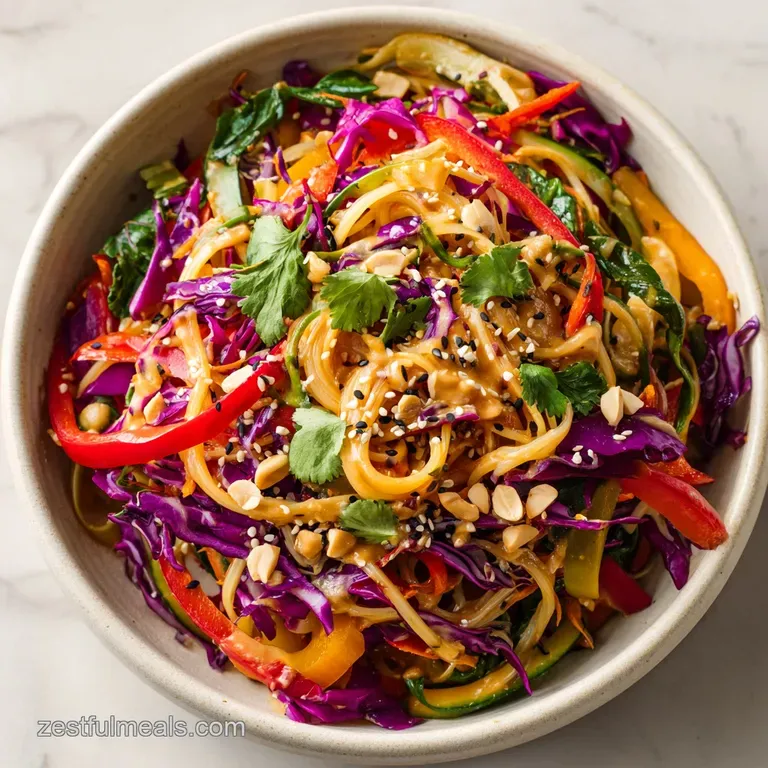
- Time: Active 20 minutes, Passive 5 minutes, Total 25 minutes
- Flavor/Texture Hook: Crunchy cabbage paired with velvety peanut dressing
- Perfect for: Humid weeknights, desk lunches, or quick meal prep
- Mastering the Vibrant Thai Noodle Salad
- Why This Quick Salad Works
- Choosing the Best Preparation Method
- Component Analysis: The Ingredient Secrets
- Selecting the Best Fresh Ingredients
- Minimalist Tools for Fast Prep
- Bringing All the Elements Together
- Solving Common Texture Balance Issues
- Flavor Variations to Try Today
- Smart Storage and Zero Waste
- Professional Styling and Presentation Tips
- Scaling for Large Party Groups
- Recipe FAQs
- 📝 Recipe Card
Mastering the Vibrant Thai Noodle Salad
Right then, let's talk about the absolute lifesaver that is the Thai Noodle Salad. We've all had those nights where the humidity is sitting heavy in the kitchen, and the last thing you want to do is stand over a steaming pot of pasta for twelve minutes.
I remember one Tuesday where I actually tried to make a traditional pasta salad in July, and by the time the water boiled, I was ready to just eat a bowl of ice cubes for dinner. That’s when I rediscovered rice vermicelli.
The beauty of this Thai Noodle Salad recipe isn't just the speed, though twenty five minutes from start to finish is a massive win. It’s all about the texture. You have that specific "shatter" from the fresh red cabbage, the snap of julienned bell peppers, and then the silky, almost creamy slip of the noodles coated in a lime heavy peanut sauce.
It’s light but deeply satisfying because the peanut butter provides that fat content your brain craves when you’re trying to eat "healthy."
Honestly, the mistake I see most people make with a cold Thai noodle salad is overcooking the noodles. They treat them like Italian pasta, boiling them into a gummy, sticky mess. We aren't doing that here. We’re using the "soak and rinse" method, which keeps the noodles distinct and bouncy.
Once you nail that, you’ll never go back to takeout versions that have been sitting in a plastic container for three hours. Trust me, the fresh mint and cilantro alone make this a completely different experience.
Why This Quick Salad Works
This dish relies on a few fundamental tricks that make it hold up in the fridge without turning into a soggy pile of regret. Here is why it actually works from a practical kitchen perspective:
- Hydration Control: By soaking the rice Maifun instead of boiling it, we prevent the starch from over gelatinizing, which is what usually leads to that "clump" factor.
- Fat Acid Barrier: The natural oils in the peanut butter coat the noodles, creating a hydrophobic layer that stops the vegetable juices from making the starch mushy.
- Osmotic Balance: Shredding the cabbage finely increases surface area, allowing the dressing to "grip" the vegetable rather than just sliding off to the bottom of the bowl.
- Thermal Stability: Since rice vermicelli is almost pure starch, it doesn't harden when cold like wheat based noodles do, making it the ideal candidate for a cold Thai noodle salad.
Choosing the Best Preparation Method
Before we get into the nitty gritty of the vegetables, you need to decide how you're handling your noodle base. Most people think there’s only one way to cook rice noodles, but depending on your schedule, you have options.
| Method | Time | Texture | Best For |
|---|---|---|---|
| Boiling Water Soak | 5 minutes | Bouncy & Distinct | This specific salad recipe |
| Cold Water Soak | 30 minutes | Very Firm/Al Dente | Stir frying later |
| Active Simmer | 2 minutes | Soft & Tender | Soups or immediate eating |
The boiling water soak is the sweet spot for a Thai peanut noodle salad. It provides enough heat to soften the dried starch through the center without the turbulent water of a boiling pot breaking the delicate strands.
If you've ever ended up with 2 inch pieces of noodles instead of long, swirling strands, it’s probably because you boiled them too hard.
Component Analysis: The Ingredient Secrets
What really sets this easy Thai noodle salad apart is the choice of fats and acids. We aren't just throwing things in a bowl; we're building an emulsion that mimics a professional sauce.
| Ingredient | Science Role | Pro Secret |
|---|---|---|
| Natural Peanut Butter | Primary Emulsifier | Use "natural" brands where the oil separates; the lack of stabilizers helps it bond with the lime juice better. |
| Thin Rice Vermicelli | Starch Foundation | Rinse with cold water until the water is crystal clear to remove excess surface starch that causes sticking. |
| Fresh Lime Juice | Protein Denaturant | Always zest the lime before juicing; the oils in the skin carry more "Thai" aroma than the juice itself. |
| Toasted Sesame Oil | Lubricant & Aromatics | A little goes a long way. Toss it with the noodles immediately after rinsing to create a non stick coating. |
Using the right peanut butter is the hill I will die on. If you use the stuff that's packed with sugar and palm oil, your dressing will be heavy and cloying. We want that "velvety" finish that only comes from real ground peanuts.
Selecting the Best Fresh Ingredients
For this recipe, the ingredients are the star. You can't hide behind a long cook time here, so what you put in is what you get out.
- 8 oz Thin Rice Vermicelli (Maifun): Look for the clear or white bundles. Why this? They absorb the dressing's flavor without becoming heavy or bloated. (Check out my Chicken Chow Mein if you prefer a warm, wheat based noodle alternative).
- 2 cups Red cabbage: Must be very finely shredded. Why this? It provides the structural "crunch" that contrasts the soft noodles.
- 1 large Red bell pepper: Julienne these into matchsticks. Why this? Added sweetness and a pop of color that doesn't bleed.
- 0.33 cup Creamy natural peanut butter: The base of our Thai noodle salad dressing recipe. Why this? Provides the essential fat for a satisfying mouthfeel.
- 2 tbsp Fresh lime juice: Never use the bottled stuff. Why this? The citric acid cuts through the heavy peanut fat.
- 0.25 cup Fresh mint leaves: Hand torn at the last second. Why this? Adds a cooling finish that balances the Sriracha heat.
- 1 clove Garlic: Microplaned or very finely minced. Why this? Raw garlic adds a necessary "bite" to the background of the sauce.
Minimalist Tools for Fast Prep
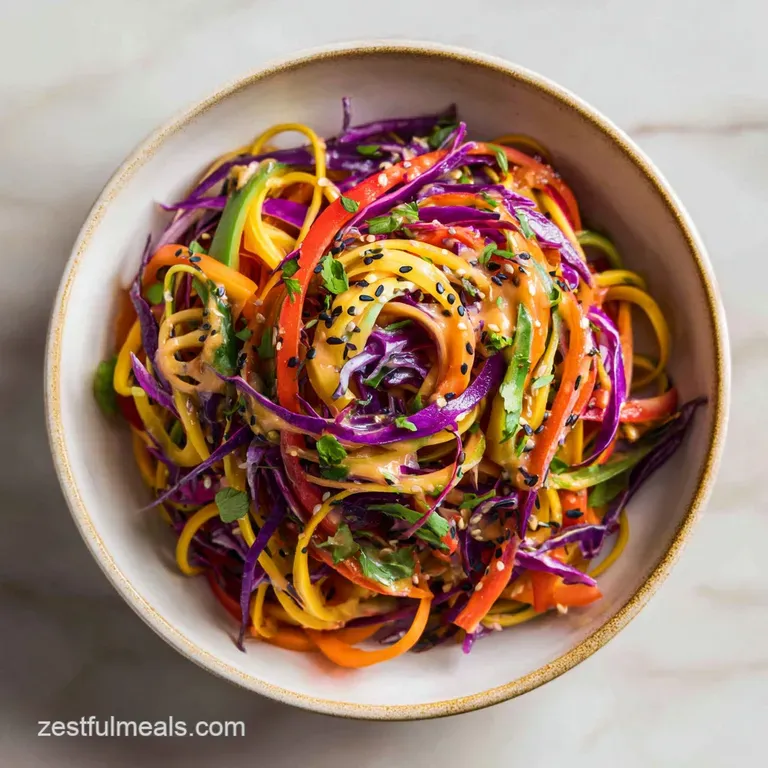
You don't need a kitchen full of gadgets for this. In fact, if you’re like me and hate washing dishes, you’ll love that this is basically a two bowl job.
- Large Heat Proof Bowl: This acts as your "pot" for the noodles and eventually your mixing bowl.
- Fine Mesh Colander: Crucial for draining the thin vermicelli without losing half of them down the drain.
- Sharp Chef's Knife: For those julienned peppers. If your knife is dull, you’ll crush the peppers instead of slicing them.
- Small Jar or Whisk: A Mason jar is actually my favorite way to make the Thai noodle salad dressing recipe just shake it until it's smooth.
Bringing All the Elements Together
Let's get into the actual flow of the kitchen. Speed is the name of the game here, so we want to be efficient with our movements.
- Place 8 oz rice vermicelli in a heat proof bowl and cover with 2 quarts of boiling water. Let sit for 5 minutes until tender but still slightly bouncy.
- Drain noodles in a fine mesh colander. Rinse them vigorously with cold water until the strands feel cold to the touch. Note: This stops the cooking process instantly.
- Toss the cold noodles with 1 teaspoon of toasted sesame oil. Ensure every strand is lightly coated to prevent clumping.
- Whisk together peanut butter, soy sauce, lime juice, rice vinegar, honey, ginger, garlic, and sriracha.
- Gradually add 2 tablespoons of warm water to the dressing. Whisk until a smooth, velvety emulsion forms. Note: Warm water helps the peanut butter "relax" into the liquid.
- In your large mixing bowl, combine the cold noodles with shredded cabbage, bell pepper, carrot, cucumber, green onions, cilantro, and mint.
- Pour the peanut dressing over the salad.
- Toss thoroughly using tongs or clean hands until the vegetables are evenly suspended in the noodles.
- Garnish with 0.25 cup crushed roasted peanuts and 1 tablespoon black sesame seeds for a shattering crunch.
- Serve immediately with extra lime wedges on the side for those who like it extra zesty.
Solving Common Texture Balance Issues
Even with an easy Thai noodle salad, things can go sideways if the ingredients aren't handled with respect. Usually, it comes down to moisture management.
Why Your Noodles Are Gummy
If your noodles feel like a sticky ball, you likely missed the rinse step. Rice noodles are coated in surface starch. If you don't wash that off with cold water, it acts like glue. Another culprit is letting them sit in the hot water for 7 minutes instead of 5.
Those two minutes are the difference between "distinct" and "mush."
Balancing an Overly Salty Dressing
If you used regular soy sauce instead of low sodium, the salt can be overwhelming. Don't panic and throw it out. Add another tablespoon of honey and a squeeze of lime. The sugar and acid will distract your taste buds from the sodium. Also, adding more shredded cabbage can help dilute the intensity.
| Problem | Root Cause | Solution |
|---|---|---|
| Watery Dressing | Vegetables weren't dried | Pat your cucumber and cabbage dry with a towel after washing. |
| Bland Flavor | Cold muting the spices | Add an extra teaspoon of Sriracha or freshly grated ginger. |
| Stiff Noodles | Lack of lubrication | Toss with a bit more sesame oil before adding the heavy peanut sauce. |
Common Mistakes Checklist
- ✓ Never skip the cold water rinse; it is the most important step for texture.
- ✓ Use a "natural" peanut butter to avoid a chemical tasting aftertaste.
- ✓ Don't julienne the vegetables too thick; they should be the same width as the noodles.
- ✓ Tear the herbs instead of chopping them to prevent bruising and browning.
- ✓ Add the peanuts only right before serving to keep them from getting soft.
Debunking Kitchen Myths
There’s a common belief that you have to boil rice noodles like pasta. This is completely false. Boiling them often leads to the exterior overcooking before the interior is hydrated. The "soak" method is the authentic way to get that perfect bite.
Another myth is that you can't make this a vegetarian Thai noodle salad if it has "fish sauce" flavors simply use the soy sauce and honey combo we have here for a completely meat free umami hit.
Flavor Variations to Try Today
While I love this vegetarian Thai noodle salad as it is, it’s a fantastic base for adding more "heft" if you’re serving this as a main dinner.
- The Protein Packed Upgrade: Add grilled chicken or poached shrimp. This creates a Thai noodle salad with chicken that feels much more substantial. If you're doing shrimp, toss them in a little lime and chili flakes first.
- Grain Free & Keto Swap: Replace the rice noodles with spiralized zucchini (zoodles) or kelp noodles. You’ll get the same flavor profile with significantly fewer carbs.
- The Spiced Nut Variation: Instead of plain peanuts, use Cashews or even Almond butter in the dressing for a different nutty undertone.
If you're looking for something with a different flavor profile but the same "prep once, eat twice" vibe, my Mediterranean Orzo Salad is another great cold option that handles the fridge well.
Smart Storage and Zero Waste
This is a premier meal prep dish because it actually tastes better after the flavors have had an hour to mingle. However, there are limits to how long the crunch lasts.
- Storage: Store in an airtight container in the fridge for up to 3 days. After day 3, the cabbage starts to lose its "shatter" and the noodles may absorb too much moisture.
- Freezing: Do not freeze this. The cell walls of the cucumber and cabbage will collapse, leaving you with a watery mess upon thawing.
- Zero Waste Tip: Don't throw away the cilantro stems! They actually have more flavor than the leaves. Mince them very finely and whisk them directly into the peanut dressing for an extra punch of herbiness. Also, the core of the red cabbage is perfectly edible just grate it into the salad for extra fiber.
Professional Styling and Presentation Tips
We eat with our eyes first, and a Thai noodle salad can look a bit "beige" if you aren't careful. The key is the contrast.
Always save a handful of the brightest ingredients the red peppers, the green onions, and the herbs to scatter on top at the very end. If you mix everything in, the peanut sauce will coat everything in a tan hue.
By layering the "shattering" toppings like the crushed peanuts and black sesame seeds last, you create visual depth. Serve it in a wide, shallow bowl rather than a deep one; this shows off the variety of vegetables and makes the portion look more generous.
A final squeeze of lime across the top adds a glistening finish that makes the dish look fresh and vibrant.
Scaling for Large Party Groups
Planning a potluck? This recipe scales beautifully, but you have to watch your ratios.
- Scaling UP (2x-4x): If you are making this for 12 people, don't just quadruple the salt and spices. Increase the salt/soy sauce to 3x and taste. You can always add more, but you can't take it out. Use a very large mixing bowl to ensure you can toss the noodles without breaking them.
- Scaling DOWN (1/2): For a single serving or two, use a small whisk to make the dressing. Since you're using half a clove of garlic, it's better to use a tiny pinch of garlic powder or just a very small sliver of the fresh clove to avoid it being too spicy.
- Advance Prep: If serving for a crowd, keep the dressing in a separate jar and the crushed peanuts in a baggie. Toss it all together 20 minutes before people arrive. This prevents the "soggy salad" syndrome while still letting the noodles soak up some of that velvety flavor.
Right then, you're ready to tackle this. It's fast, it's fresh, and it's honestly the best thing you can have waiting in the fridge after a long day. Let me know if you try it with the shrimp that's my favorite way to "elevate" it for a weekend lunch! Actually, wait, let's not use that word.
Let's just say it makes it feel fancy. Enjoy!
Recipe FAQs
How to make a Thai noodle salad?
Soak rice vermicelli in boiling water for 5 minutes, rinse thoroughly with cold water, and toss with sesame oil. Whisk the peanut butter, soy sauce, lime juice, vinegar, honey, ginger, garlic, and sriracha with warm water until smooth, then combine the noodles with the shredded vegetables, herbs, and dressing.
What is the famous Thai salad?
Som Tum is the most internationally recognized Thai salad. While this recipe features a noodle based variety, if you enjoy fresh vegetable forward dishes, you might also like our nutritious plant based bowls that use similar vibrant flavor profiles.
What vegetables are in Thai noodle salad?
The mix includes finely shredded red cabbage, julienned red bell pepper, shredded carrot, English cucumber half moons, green onions, fresh cilantro, and torn mint leaves. Ensure all vegetables are sliced to the same thinness as the noodles for the best consistency.
What noodles are good for Thai noodle salad?
Thin rice vermicelli, often labeled as Maifun, is the ideal choice. These noodles have the perfect delicate texture to soak up the peanut based dressing without becoming heavy or clumped.
Is it true I can skip the cold water rinse for the noodles?
No, this is a common misconception. Rinsing vigorously with cold water is the most critical step to remove excess surface starch, which prevents the noodles from becoming gummy or sticking together.
How to keep the peanut dressing from being too thick?
Gradually incorporate the warm water while whisking the dressing ingredients. This process creates a stable, velvety emulsion; if the dressing still feels too stiff, add an additional teaspoon of warm water until you achieve the desired drizzling consistency.
How to prevent the salad from getting soggy?
Add the crushed peanuts only right before serving to maintain their crunch. Additionally, ensure the noodles are completely drained and cooled after the rinse, as excess moisture will dilute the dressing and soften the vegetables prematurely.
Vibrant Thai Noodle Salad
Ingredients:
Instructions:
Nutrition Facts:
| Calories | 474 kcal |
|---|---|
| Protein | 15.3g |
| Fat | 17.7g |
| Carbs | 65.1g |
| Fiber | 6.2g |
| Sugar | 9.4g |
| Sodium | 708mg |
