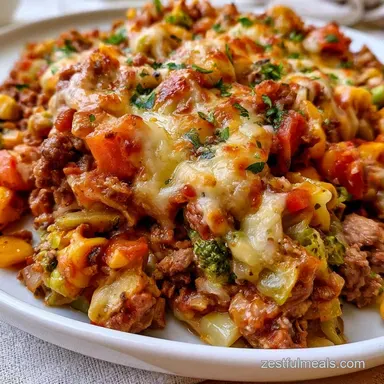
Ground Beef Vegetable Casserole: Savory and Hearty
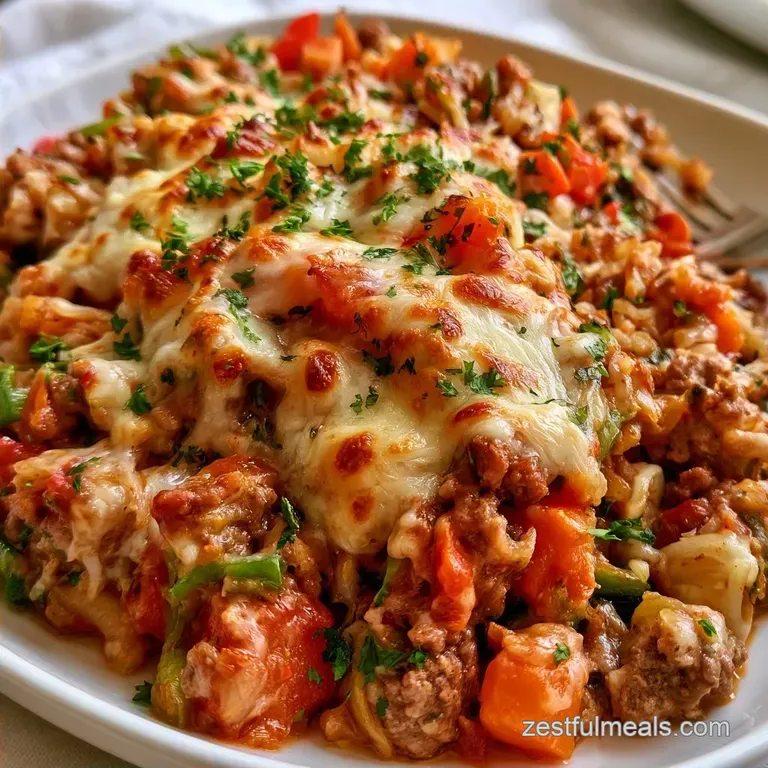
- Time: 15 minutes prep + 30 minutes cooking
- Key Highlight: Savory mahogany beef with tender, bubbly edges
- Perfect for: Budget-friendly weeknights and hungry kids
Beef Vegetable Casserole
Ever wonder why some home cooked bakes taste like a diner staple while others just taste like boiled meat? The difference usually lies in the color of the beef. I used to stop cooking once the pink disappeared, but that left my meals tasting bland.
Once I began letting the meat truly sear, the flavor transformed. This Beef Vegetable Casserole is my favorite for those rainy Tuesdays when the kids are hungry and the budget is tight. It's hearty, satisfying, and doesn't require any specialized equipment.
The goal is a deep mahogany brown on the meat and a bubbling, golden crust on top. It fills the entire house with a cozy, comforting aroma.
Quick Facts and Timing
This recipe is all about flow. You start with a over high heat sear, move to a slow simmer for the sauce, and finish with a quick blast in the oven. Since we're using some frozen components, the prep stays fast.
The total time is 45 minutes. I usually spend about 15 minutes chopping and prepping, then 30 minutes between the stove and the oven. It's a steady process that doesn't leave you feeling frazzled.
| Goal | What to change |
|---|---|
| Extra Veggies | Add 1 cup spinach at the end |
| More Heat | Add 1/2 tsp red pepper flakes |
| Thicker Sauce | Simmer broth 5 mins longer |
Gathering Your Essentials
I prefer sticking to basic pantry essentials. Choosing lean beef prevents the sauce from becoming too oily; if your meat has a higher fat content, simply drain the extra grease before stirring in the vegetables.
Using a frozen vegetable blend is a fantastic way to save time. These provide a uniform texture and vibrant colors, ensuring the Beef Vegetable Casserole remains visually appealing.
| Ingredient | What It Does | Best Swap |
|---|---|---|
| Lean Ground Beef | Serves as the savory protein foundation | Ground turkey (leaner) |
| Tomato Paste | Enhances thickness and depth | 1/4 cup tomato puree |
| Beef Broth | Forms the base of the binding sauce | Vegetable broth |
| Worcestershire | Contributes a tangy, umami flavor | Soy sauce |
Full Ingredient List:
- 1 lb lean ground beef
- 1 tbsp olive oil
- 1 medium yellow onion, finely diced
- 3 cloves garlic, minced
- 1 tsp salt
- ½ tsp cracked black pepper
- 2 cups frozen mixed vegetables (peas, carrots, corn, green beans)
- 1 cup diced celery
- 1 cup sliced mushrooms
- 1 medium zucchini, dicedWhy this? Adds freshness and absorbs the sauce well
- 2 tbsp tomato paste
- 1 cup beef broth (low sodium)
- 1 tsp Worcestershire sauce
- ½ tsp dried thyme
- ¼ tsp smoked paprika
Substitution Options:
- Ground Beef → Ground Turkey: A great alternative; just add an extra tsp of paprika to maintain the color.
- Frozen Mixed Veg → Fresh diced carrots/peas: Produces the same result, though it requires more prep.
- Beef Broth → Water + bouillon cube: A more cost effective option.
- Zucchini → Yellow squash: Very similar in both flavor and consistency.
Tools for the Job
This recipe requires no fancy equipment. Just a large skillet and a standard baking dish will do. I find that a cast iron skillet works best for searing because of its superior heat retention.
3 Essential Tools
- 12 inch skillet (cast iron or stainless steel)
- 9x13 inch baking dish
- Wooden spoon or spatula for deglazing
Since the dish moves from the stovetop to the oven, make sure your baking pan fits your rack. A deep casserole dish is a good substitute if you don't have a 9x13, though the top crust will be slightly smaller.
Step-by-step Cooking Guide
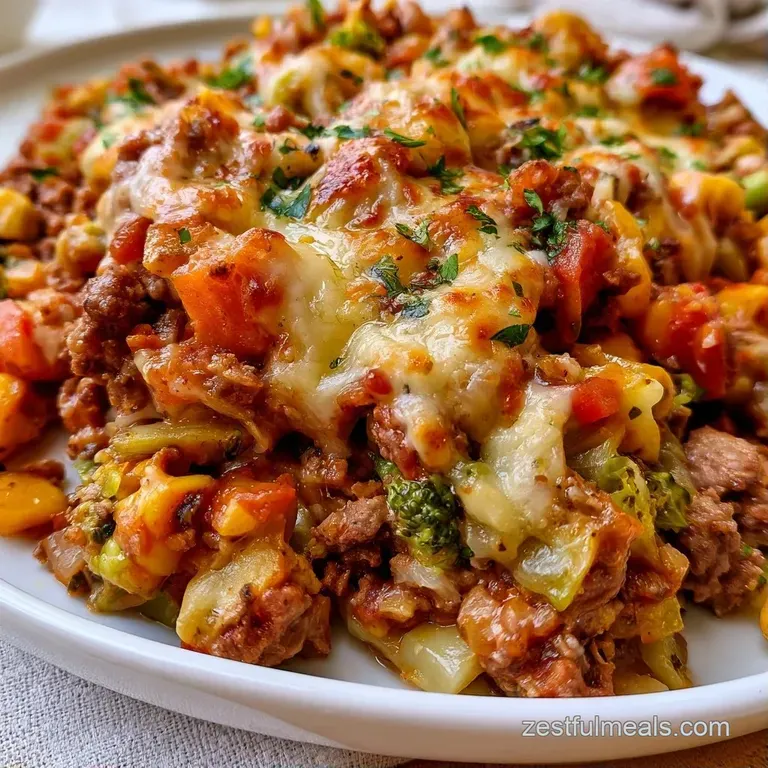
The secret here is developing deep layers of flavor. Be patient while browning the beef; it's essential for the overall taste of the Beef Vegetable Casserole.
Phase 1: Searing the Foundation
Warm some olive oil in a skillet using a medium high setting. Toss in the ground beef, breaking up the clumps with a spoon. Cook until the meat reaches a mahogany colored brown and the edges are slightly crisp.
Mix in the diced garlic and onions, sautéing for 3–5 minutes until fragrant and translucent.
Phase 2: Building the Flavor Profile
Incorporate the smoked paprika and tomato paste. Toast these for 2 minutes to eliminate any raw, metallic notes. Pour in the Worcestershire sauce and beef broth to deglaze, scraping the bottom of the pan to release the savory browned bits. Stir in the salt, pepper, and thyme.
Phase 3: The Final Integration & Bake
Gently fold in the zucchini, mushrooms, celery, and mixed vegetables, stirring until everything is well coated. Pour the mixture into a 9x13 baking dish. Roast at 375°F (190°C) for 20 minutes, until the edges are bubbling and the top has a golden crust.
Chef's Note: If your zucchini seems too watery, pat the cubes dry with a paper towel before adding them. This keeps the sauce from thinning out in the oven.
Fixing Common Casserole Issues
The most common complaint with a Beef Vegetable Casserole is the consistency. Sometimes it ends up too soupy, and other times the beef feels dry. Most of these issues happen during the stovetop phase.
Fixing Watery Sauce
If the liquid is too thin, it's usually because the vegetables released too much moisture or the broth didn't reduce. To fix this, let the sauce simmer for an extra 5 minutes on the stove before transferring it to the baking dish.
Preventing Dry Meat
Dry beef happens when the meat is overcooked before the liquids are added. Stick to the mahogany color and move quickly into the deglazing step.
Avoiding Burnt Edges
If the edges brown too quickly but the center isn't bubbling, your oven might run hot. Lower the temp by 25°F and extend the bake time by 5 minutes.
| Problem | Root Cause | Solution |
|---|---|---|
| Sauce is too runny | Too much veg moisture | Simmer longer before baking |
| Bland flavor | Lack of browning | Sear beef until deep brown |
| Mushy vegetables | Overcooked in oven | Check doneness at 15 mins |
Twist the Flavors
Depending on what's in your fridge, you can easily shift the vibe of this Beef Vegetable Casserole. I often swap out the frozen mix for whatever is left in the crisper drawer.
2 Diet Swaps
- Low Carb: Swap the frozen corn and carrots for extra cauliflower and broccoli.
- dairy-free: This recipe is naturally dairy-free, but you can add a dollop of cashew cream on top for richness.
2 Flavor Twists
- Cheesy Finish: Sprinkle 1 cup of shredded cheddar on top during the last 5 minutes of baking.
- Italian Style: Swap the thyme and paprika for oregano and basil. If you love this profile, you might also enjoy my meat sauce recipe for a different beefy comfort meal.
| Goal | What to change |
|---|---|
| Heartier Texture | Add 1 cup cooked brown rice |
| Brighter Taste | Stir in 1 tbsp lemon juice at end |
| Earthier Flavor | Double the mushrooms |
Fridge and Freezer Rules
This dish actually tastes better the next day once the flavors have had time to settle. It's a perfect candidate for Sunday meal prep.
Store leftovers in a sealed container in the fridge for up to 4 days. For the freezer, let the Beef Vegetable Casserole cool completely before portioning it into freezer safe bags or containers. It stays good for about 2 months.
Reheating Tips: - Oven:325°F for 15 minutes covered with foil to keep moisture in. - Microwave: Heat in 1 minute intervals, stirring in between.
Zero Waste Tip: Don't toss your onion skins or celery ends. Throw them in a bag in the freezer; once you have enough, you can use them to make a bone broth recipe to use in your next casserole.
What to Serve Alongside
Since the Beef Vegetable Casserole is a complete meal with protein and greens, you don't need much else. But a little something on the side helps round it out.
2 Pairing Ideas
- Crusty Bread: A toasted sourdough baguette is great for mopping up the remaining sauce.
- Fresh Salad: A simple arugula salad with a lemon vinaigrette cuts through the richness of the beef.
For a heavier meal, I've found that a side of mashed potatoes or a scoop of white rice works well. Just be careful not to overdo the carbs since there are already vegetables in the bake.
The Trick for Deep Flavor
The reason this Beef Vegetable Casserole works is because of how we handle the beef and the tomato paste. Most people just brown the meat and dump everything in, but we're doing two specific things.
The Sear: By browning the beef until it's dark mahogany, we create deep, savory compounds. Serious Eats' testing shows that this type of searing creates more complex flavors than simply cooking meat until it's grey.
Toasting the Paste: Cooking the tomato paste for 2 minutes before adding the broth removes the raw, tinny taste. This transforms the paste into a rich, concentrated base that binds the vegetables and beef together into a cohesive meal.
This method ensures the dish doesn't taste like a "frozen dinner" but rather a slow cooked meal, even though it only takes 45 minutes. The contrast between the seared beef and the tender zucchini creates a satisfying texture in every bite.
Recipe FAQs
How to get the beef perfectly browned?
Heat olive oil over medium high heat and let the meat sit undisturbed for a few minutes. This creates the mahogany colored crust and crisp edges needed for flavor depth.
Which side dishes pair well with this meal?
A side of crusty bread or a fresh garden salad works beautifully. If you want another hearty option, our thick meat sauce provides a similar savory profile.
Is it true that I must thaw the frozen mixed vegetables first?
Surprisingly, no. Adding them frozen prevents overcooking and helps the peas and carrots maintain their shape during the baking process.
Why did my casserole turn out too watery?
Zucchini and mushrooms release significant moisture while baking. Ensure you sauté the onions and garlic fully to build a thick base before adding the beef broth.
What is the secret to a rich sauce?
Deglaze the pan with beef broth and Worcestershire sauce after toasting the tomato paste. This incorporates the browned beef bits from the bottom of the pan back into the mix.
Does the oven temperature affect the crust?
Yes, baking at 375°F (190°C) is essential for the top to develop a slight golden crust. Lower temperatures may result in soggy vegetables without the desired browning.
Are there ways to make this recipe more spicy?
Increase the amount of smoked paprika or add a pinch of crushed red pepper. These options enhance the warmth without altering the core savory flavors.
Can I use a different baking dish?
Use any 9x13 dish to maintain the correct thickness. A deeper dish may require a few extra minutes in the oven to ensure the center is bubbling.
Beef Vegetable Casserole