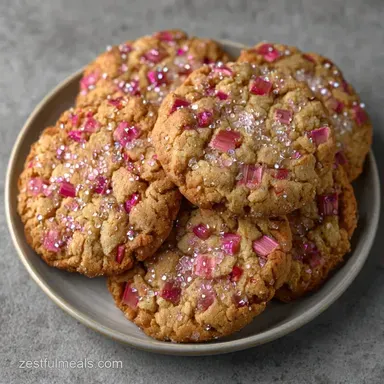
Classic Rhubarb Sugar Cookies: Tangy and Golden
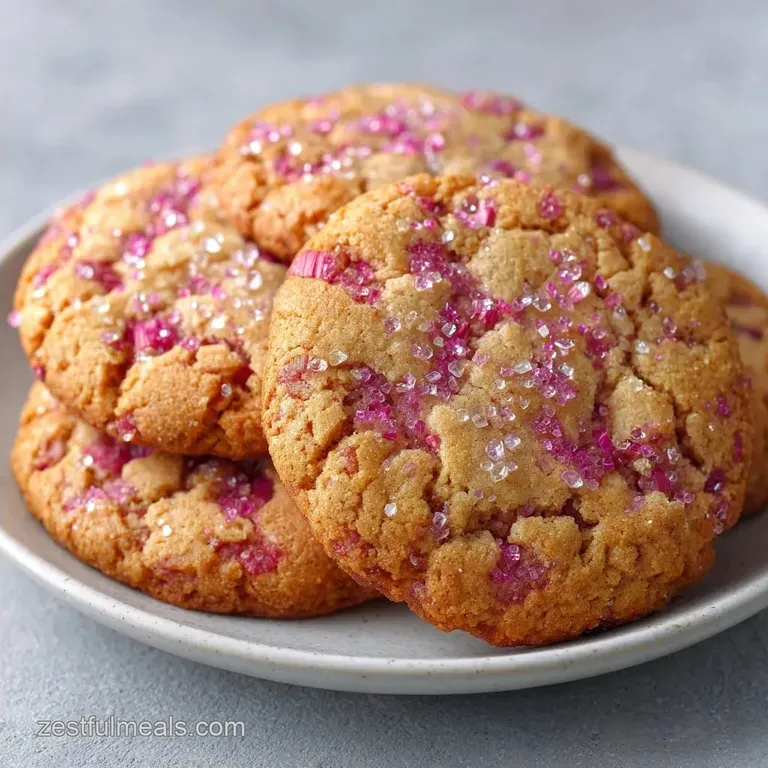
- Time:15 minutes active + 12 minutes baking
- Flavor/Texture Hook: Tart rhubarb pops against a buttery, mahogany gold crust
- Perfect for: Springtime gatherings or anyone who loves a sweet and sour dessert
- Making Classic Rhubarb Sugar Cookies
- Why These Cookies Don't Get Soggy
- Ingredient Deep Dive
- Shopping List Breakdown
- The Basic Gear You'll Need
- How to Bake Them
- Solving Common Baking Issues
- Troubleshooting Common Issues
- Fun Ways to Mix It Up
- Scaling Guidelines
- Common Baking Myths
- Keeping Them Fresh
- Serving and Pairing Ideas
- Recipe FAQs
- 📝 Recipe Card
The first time I tried putting fresh rhubarb in a cookie, it was a disaster. I just chopped the stalks and folded them in, thinking it would be like adding blueberries. Instead, the rhubarb released all its water during the bake. I ended up with a tray of pale, limp discs that felt more like raw dough than cookies.
It was a puddle of pink sadness.
I realized that rhubarb is essentially a water balloon with a tart flavor. If you don't manage that moisture, your dough will never set. I spent a few weekends playing with different ways to dry the fruit, and that's when I found the maceration trick.
By letting the rhubarb sit in a bit of sugar first, you draw out the excess liquid before it ever hits the batter.
Now, these Classic Rhubarb Sugar Cookies actually hold their shape. You get that distinct, sharp tang of the rhubarb, but the cookie stays chewy and structured. It's a simple fix, but it makes all the difference between a soggy fail and a treat people actually ask for the recipe for.
Making Classic Rhubarb Sugar Cookies
The goal here is a balance between the heavy, caramelized notes of brown sugar and the bright, acidic punch of the rhubarb. If you've ever made a standard sugar cookie, you know they can sometimes be a bit one dimensional. Adding the fruit adds a layer of complexity that cuts through the sweetness.
When you bake these, you'll notice the edges get a deep, toasted color while the centers stay soft. That contrast is what makes them work. I've found that using a mix of butter and shortening is the way to go.
Butter gives you the flavor, but shortening provides the structural integrity that prevents the cookies from spreading into one giant pancake.
If you're looking for other ways to use a basic sweet base, you might like my Sugar Cookie Dough which is great for a variety of toppings. But for this specific version, the tartness of the rhubarb is the star.
Why These Cookies Don't Get Soggy
Sugar Maceration: Granulated sugar draws water out of the rhubarb cells through osmosis, meaning less liquid leaks into the dough.
Fat Blending: The vegetable shortening creates a more stable wall around the air bubbles, which stops the fruit from collapsing the cookie's structure.
High Heat Blast: Baking at 375ºF (190ºC) sets the edges quickly, locking the shape before the center can over spread.
Low Hydration Dough: By using a measured amount of flour and avoiding extra liquids, the dough can absorb the remaining fruit moisture without becoming cakey.
| Method | Time | Texture | Best For |
|---|---|---|---|
| Oven Bake | 12 mins | Crisp edges, soft center | Traditional batches |
| Stovetop Reduced Fruit | +10 mins | Denser, jammy fruit | Intensely tart flavor |
Ingredient Deep Dive
| Ingredient | What It Does | Best Swap |
|---|---|---|
| Unsalted Butter | Provides flavor and richness | Salted butter (omit extra salt) |
| Vegetable Shortening | Prevents over spreading | Coconut oil (solid state) |
| Brown Sugar | Adds molasses flavor and chew | Dark brown sugar for deeper taste |
| All Purpose Flour | Gives the cookie its structure | 1:1 gluten-free blend |
Shopping List Breakdown
For the dough, you'll need 115g of unsalted butter and 50g of vegetable shortening. Make sure both are at room temperature so they cream together without lumps. Grab 150g of packed brown sugar and one large egg. I prefer room temperature eggs because they emulsify better into the fats.
You'll also need 5ml of vanilla extract, 250g of all purpose flour, 3g of baking soda, and 1.5g of salt.
For the fruit and icing, get 120g of fresh rhubarb. Look for stalks that are firm and bright red. You'll need 6g of granulated sugar to prep the rhubarb. For the icing, grab 120g of powdered sugar, 30ml of milk or heavy cream, and another 2.5ml of vanilla extract.
Chef: If your rhubarb is exceptionally tart, you can add an extra teaspoon of sugar during the maceration step. Just make sure to drain any excess liquid that pools at the bottom of the bowl.
The Basic Gear You'll Need
You don't need a professional kitchen for this, but a few things make it easier. A stand mixer such as a KitchenAid is great for creaming the butter and shortening, but a handheld mixer works just as well. You'll need two mixing bowls, one for the wet ingredients and one for the dry.
Parchment paper is a must here. Rhubarb cookies have a higher sugar content on the surface due to the fruit, which means they can stick to a greased pan and tear. A baking sheet and a wire cooling rack are also essential.
If you have a small whisk for the icing, that'll help you get rid of the lumps in the powdered sugar.
How to Bake Them
Preparing the Rhubarb
Combine the 120g of finely diced rhubarb with 6g of granulated sugar in a small bowl. Stir it gently so you don't mash the fruit. Let this sit for 10 minutes. You'll see a syrup form at the bottom, which is exactly what we want.
Mixing the Base
Cream together the 115g of room temperature butter and 50g of shortening with 150g of brown sugar. Beat this on medium speed until the mixture looks pale and fluffy. This usually takes about 2-3 minutes.
Adding Wet Ingredients
Beat in the large egg and 5ml of vanilla extract. Keep mixing until the batter is smooth and the egg is fully incorporated.
Combining Dry Ingredients
In a separate bowl, whisk 250g of flour, 3g of baking soda, and 1.5g of salt. Gradually add this dry mix to your creamed butter. Stir until just combined, but don't overmix or the cookies will get tough.
Folding and Baking
Gently fold the sugar coated rhubarb pieces into the dough. Use a spatula to ensure the fruit is evenly distributed. Scoop rounded tablespoons of dough onto your parchment lined sheets.
Bake at 375ºF (190ºC) for 10–12 minutes. You're looking for the edges to turn a light mahogany colored gold. They might look a bit soft in the center, but they'll firm up as they cool.
Finishing with Icing
Whisk 120g of powdered sugar, 30ml of milk (or cream), and 2.5ml of vanilla. Mix until it's smooth and pourable. Once the cookies are completely cooled, drizzle the icing over the top.
Solving Common Baking Issues
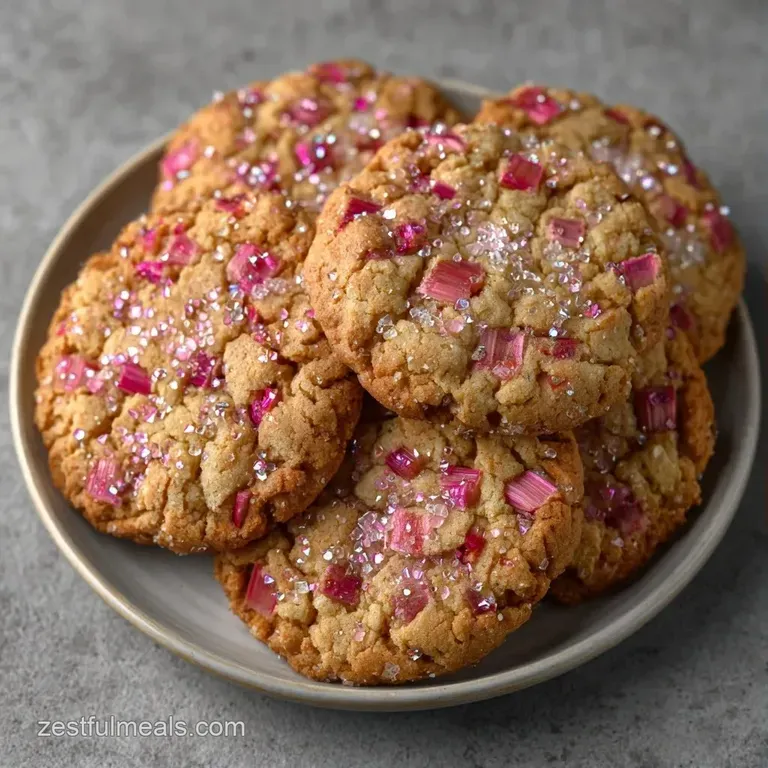
Troubleshooting Common Issues
| Issue | Solution |
|---|---|
| Why Your Cookies Spread Too Much | This usually happens if the butter was too soft or the oven wasn't hot enough. If the fats melt before the flour sets, the cookie flattens. |
| Why the Centers Stay Raw | If the rhubarb pieces are too large, they create "wet pockets" that prevent the dough from baking through. Ensure your dice is small and consistent. |
| Why the Icing Is Too Thin | Adding too much milk too quickly is the main culprit. It's easier to thin out a thick glaze than to thicken a runny one. |
Fun Ways to Mix It Up
If you want to change the flavor profile, there are a few easy tweaks. For Strawberry Rhubarb Cookies, replace half of the rhubarb with finely diced fresh strawberries. Just remember to macerate the strawberries with sugar too, as they are also very watery.
Another great option is adding 100g of white chocolate chips. The creaminess of the white chocolate balances the sharp tang of the rhubarb beautifully. Just fold them in at the same time as the fruit.
You could also try a coconut twist by swapping the vegetable shortening for refined coconut oil. This gives a subtle tropical undertone that works surprisingly well with the fruit. If you love a cinnamon kick, roll the dough balls in a mix of cinnamon and sugar before baking to create a "snickerdoodle" style finish.
For those who prefer a different kind of treat, you might enjoy my Better Than Box Mix Brownies when you're in the mood for something chocolatey.
Scaling Guidelines
Making a Smaller Batch
To halve the recipe, use 57g of butter and 25g of shortening. Since you can't easily halve an egg, beat one egg in a small bowl and use about 2 tablespoons of the mixture. Reduce the baking time by about 20% since there are fewer cookies on the tray, but keep the temperature at 375ºF.
Doubling the Recipe
When making a double batch, be careful with the leavening. Use 1.5x the baking soda and salt rather than 2x to avoid a metallic taste. Work in batches to avoid overcrowding your oven, which can drop the temperature and cause the cookies to spread.
If you're baking in large quantities, lower the oven temperature by 25°F and extend the bake time by 2-3 minutes to ensure the centers are cooked through without burning the bottoms.
| Modification | Adjustment | Impact |
|---|---|---|
| Half Batch | 1/2 egg (beaten) | Same texture, smaller yield |
| Double Batch | 1.5x Salt/Soda | Prevents chemical aftertaste |
| Large Tray | -25°F Temp | Even browning for more cookies |
Common Baking Myths
Searing the edges of a cookie with high heat doesn't "lock in" the moisture, but it does create a structural shell. This shell supports the weight of the fruit, preventing the cookie from collapsing.
Some people think you must chill the dough for hours. While chilling helps with spread, the use of shortening in this recipe provides enough stability that you can bake them immediately if you're in a rush.
Using "room temperature" ingredients is often dismissed as optional. In reality, cold eggs can curdle the creamed butter, leading to a grainy texture and an uneven rise.
Keeping Them Fresh
Store these cookies in an airtight container at room temperature for up to 3 days. If you've iced them, they're better kept in the fridge, where they'll stay fresh for about 5 days. The icing can get a bit sticky in humid weather, so a cool environment is best.
You can freeze the baked, un iced cookies for up to 2 months. Just wrap them tightly in plastic wrap and place them in a freezer bag. When you're ready to eat them, let them thaw at room temperature for 30 minutes, then pop them in a 300°F oven for 3-5 minutes to refresh the edges.
As for zero waste, don't throw away the rhubarb ends if they're still firm. You can chop them up and freeze them for use in a smoothie or a crumble. Just remember: never eat the rhubarb leaves, as they contain oxalic acid and are toxic.
Serving and Pairing Ideas
These Classic Rhubarb Sugar Cookies are great on their own, but they shine when paired with something creamy. A glass of cold milk is the obvious choice, but a cup of Earl Grey tea brings out the floral notes of the rhubarb.
If you're serving these at a party, try plating them with a dollop of whipped cream or a side of fresh berries. The tartness of the cookie makes it a great transition dessert between a heavy meal and a sweet finish.
For a more indulgent experience, serve them slightly warm. The icing will soften and the butter in the dough will be more pronounced. If you have leftover icing, you can use it to drizzle over a bowl of fresh sliced rhubarb and strawberries for a quick fruit salad.
Right then, you've got everything you need to tackle these. Just remember the golden rule: drain that rhubarb. If you skip the maceration, you're just making a very sweet, very flat rhubarb pancake. Trust me on this one. Happy baking!
Recipe FAQs
What sweet flavours pair well with rhubarb?
Vanilla and brown sugar. These ingredients balance the natural tartness of the rhubarb, creating a warm, complex sweetness in the cookie.
What are the best substitutes for brown sugar in baking?
Granulated sugar mixed with a small amount of molasses. This mimics the moisture and depth of brown sugar. For a similar rich flavor profile, you can pair these cookies with a caramel sauce.
Why are my cookies spreading too much?
The butter was likely too soft or the oven was not hot enough. If the fats melt before the flour sets, the cookie flattens. Ensure the oven is precisely 375ºF (190ºC).
Why are the centers of my cookies remaining raw?
The rhubarb pieces were likely diced too large. Large chunks create wet pockets that prevent the surrounding dough from baking through. Use a small, consistent dice.
Is it true that I can stir fresh rhubarb directly into the dough without prepping it?
No, this is a common misconception. Adding raw rhubarb directly introduces too much moisture, which ruins the dough consistency. You must toss the rhubarb with granulated sugar first to draw out excess liquid.
How to prevent the icing from becoming too thin?
Add milk or heavy cream one tablespoon at a time. It is significantly easier to thin out a thick glaze than it is to thicken a runny one.
How to prepare the rhubarb to avoid soggy cookies?
Combine finely diced rhubarb with granulated sugar in a small bowl. Let the mixture sit for 10 minutes to draw out moisture before folding it into the dough.
Classic Rhubarb Sugar Cookies